

Omega-3 fatty acids are essential fats your body cannot make in useful amounts, so they need to come from food. Eating fatty fish such as salmon, trout or sardines once or twice a week, and adding plant sources such as ground flax, chia, walnuts and canola oil, covers most people’s needs. Supplements have a role for some people, but they are best chosen with your healthcare provider.
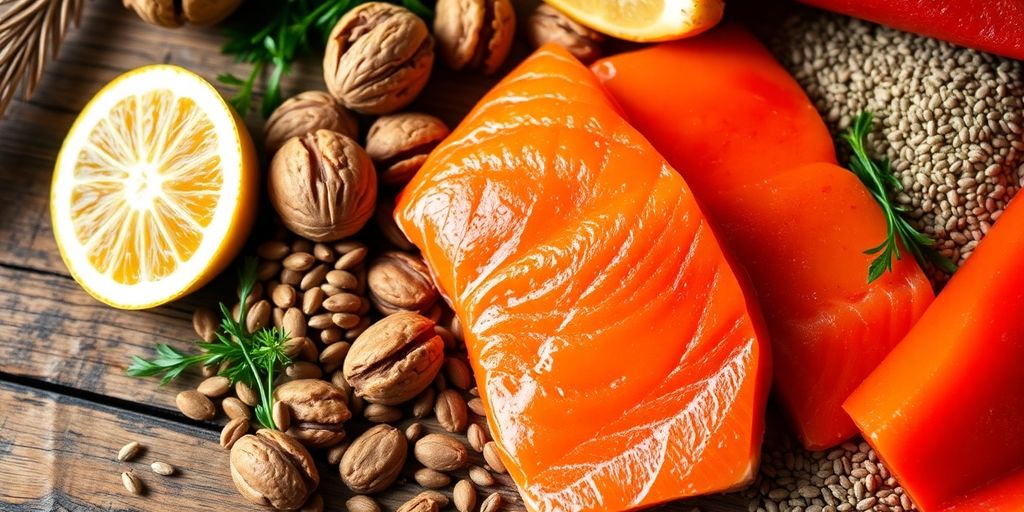
What omega-3s are, in plain terms
Omega-3s are a family of polyunsaturated fats. They are part of the membrane around every cell in your body and help with the work of your heart, blood vessels, lungs, immune system and brain. There are three main types:
| Type | Full name | Main food sources |
|---|---|---|
| ALA | Alpha-linolenic acid | Flaxseed, chia seeds, walnuts, hemp hearts, canola and soybean oil |
| EPA | Eicosapentaenoic acid | Fatty fish and seafood |
| DHA | Docosahexaenoic acid | Fatty fish and seafood; algae-based supplements |
ALA is the “essential” one, meaning you must get it from food. Your body can convert a small amount of ALA into EPA and DHA, but only a little, which is why eating fish or other direct sources of EPA and DHA is useful.
Why omega-3s matter
Heart health
The NIH Office of Dietary Supplements notes that eating fatty fish and other seafood as part of a healthy diet is linked with heart health, and that higher intakes of EPA and DHA lower triglycerides (a type of fat in the blood). The American Heart Association, as summarized by the NIH, recommends one to two servings of seafood per week, and does not recommend omega-3 supplements for people who are not at high risk of heart disease.
Canada’s Food Guide makes a similar point from a different angle: choosing foods that contain mostly healthy fats instead of foods high in saturated fat can help lower your risk of heart disease. It suggests trying fish such as trout, salmon, herring, sardines, mackerel and arctic char instead of higher-fat meats.
Brain and eyes
DHA is a major building block of the brain and the retina of the eye. That is one reason omega-3 needs get extra attention during pregnancy and breastfeeding and in early childhood. Research on omega-3s and memory, mood or cognitive decline in adults is ongoing and the results so far are mixed, so it is best to think of omega-3s as part of an overall healthy pattern rather than a brain supplement.
Inflammation
Omega-3s are used to make compounds that help regulate inflammation in the body. This is why they are often discussed for joint health and chronic disease. Evidence for specific conditions varies, and food sources come with other nutrients your body benefits from, such as protein, vitamin D (in fatty fish) and fibre (in seeds and nuts).
How much do you need?
Official recommendations exist only for ALA. According to the NIH, adequate intakes are:
- Adult men: 1.6 grams of ALA per day
- Adult women: 1.1 grams per day
- Pregnancy: 1.4 grams per day
- Breastfeeding: 1.3 grams per day
There is no official daily target for EPA and DHA on their own, which is why the practical advice focuses on eating fish or seafood regularly. Health Canada’s reference tables also note that a small part of the recommended omega-3 intake can come from EPA and DHA.
In everyday terms, a tablespoon of ground flaxseed, a small handful of walnuts or a spoonful of chia seeds goes a long way toward the ALA target, and a serving or two of fatty fish each week supplies EPA and DHA.
Best food sources
From the sea
- Salmon (fresh, frozen or canned)
- Trout and arctic char
- Sardines and herring
- Mackerel
- Tuna
From plants
- Ground flaxseed and flaxseed oil (whole flaxseeds tend to pass through undigested)
- Chia seeds
- Walnuts
- Hemp hearts
- Canola and soybean oil
- Edamame and tofu (smaller amounts)
If you eat mostly plants, focus on ALA sources every day and ask your healthcare provider whether an algae-based DHA/EPA supplement makes sense for you. Our plant-based diet guide has more ideas for covering nutrients from plants.
Easy ways to eat more omega-3s
- Breakfast: stir ground flax or chia into oatmeal, yogurt or a smoothie.
- Lunch: mash canned salmon or sardines with plain yogurt, lemon and herbs for a sandwich filling.
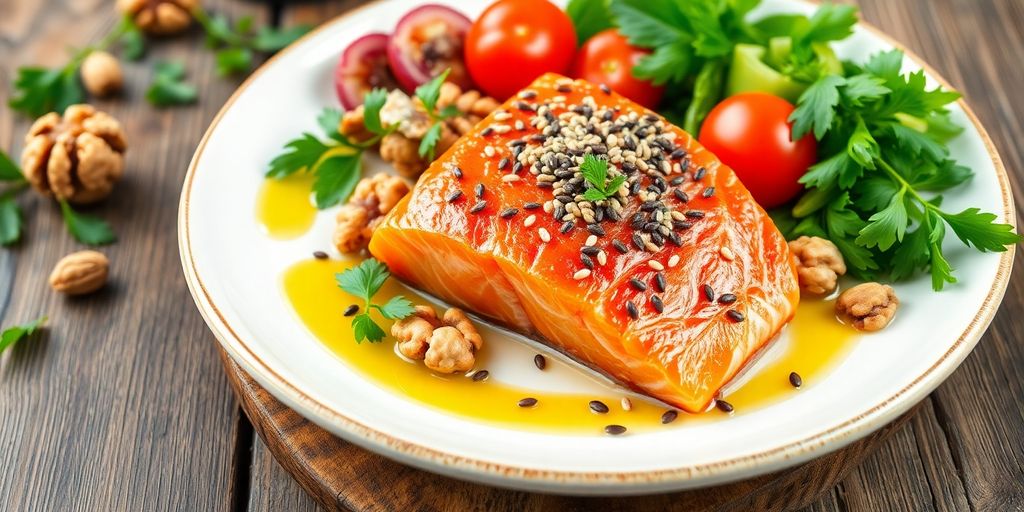
- Dinner: bake a tray of salmon or trout with vegetables once a week. Baking, broiling, grilling and poaching are better choices than deep-frying.
- Snacks: keep walnuts in a jar for a small handful with fruit.
- Cooking oil: use canola oil for everyday cooking and baking.
- Batch it: cook extra fish for next-day bowls or salads. Our meal prep tips make this easier.
Store ground flax, walnuts and flax oil in the fridge or freezer. Omega-3 fats spoil more quickly at room temperature and develop a bitter taste.
Omega-3s and weight
Omega-3s are not a weight-loss nutrient on their own, and no supplement melts fat. Where they help is indirectly: fatty fish is filling and high in protein, and swapping processed or fried meats for fish, beans and nuts tends to improve the overall quality of your eating. Like all fats, omega-3 foods are energy-dense, so portions of nuts, seeds and oils still matter.
Supplements: what to know
Fish oil, krill oil and algae oil supplements are widely available. The NIH says side effects are usually mild and can include an unpleasant taste, bad breath, heartburn, nausea, stomach upset, diarrhea and headache. The U.S. FDA advises no more than 5 grams a day of EPA and DHA combined from supplements. Supplements also don’t provide the other nutrients that come with whole foods, so food is the better first step for most people.
When to check with a professional
Talk to your doctor, pharmacist or a registered dietitian before taking an omega-3 supplement if you:
- take warfarin or another blood thinner (the NIH notes high doses of omega-3s may cause bleeding problems with these medications)
- have a fish or shellfish allergy
- are pregnant, breastfeeding or planning a pregnancy and want to know which fish to choose
- have heart disease or high triglycerides and are wondering about a prescription-strength product
- are scheduled for surgery
Key takeaways
- Omega-3s are essential fats that support your heart, brain, eyes and cells.
- Aim for fatty fish once or twice a week, plus daily plant sources like ground flax, chia and walnuts.
- Choose baked, grilled or poached fish over fried.
- Store omega-3-rich seeds, nuts and oils in the fridge.
- Food comes first; discuss supplements with your healthcare provider, especially if you take blood thinners.
FAQ
Can I get enough omega-3 without eating fish?
You can meet ALA needs easily from plants. Because your body converts only a little ALA to EPA and DHA, ask your healthcare provider whether an algae-based supplement suits you.
Is canned salmon as good as fresh?
Yes, canned salmon is a convenient and affordable source of omega-3s, and versions with soft bones also provide calcium.