
Labelling foods as “good” or “bad” doesn’t work because it turns eating into a moral test you can pass or fail, which feeds guilt, cravings for “forbidden” foods and all-or-nothing eating. Nutrition is about your overall pattern, not single foods. Describing food in neutral, practical terms makes healthy choices easier and calmer.
The problem with “good” and “bad”
Food labels feel helpful because they’re simple. Salad is good, cookies are bad, done. But they cause trouble in a few predictable ways:
- They ignore context. A granola bar is a reasonable snack before a hike and a less useful choice as a whole lunch. The food didn’t change; the situation did.
- They ignore the overall pattern. One food rarely makes or breaks your health. What you eat most of the time matters far more.
- They attach morality to eating. “I was bad today” is a comment on you, not on your food.
- They make “bad” foods more tempting. Forbidden foods tend to take up more mental space, not less.
What the research suggests
Two lines of research help explain why labels backfire.
Forbidding foods increases cravings. In a one-week experiment, restrained eaters who were deprived of chocolate went on to eat more chocolate food than any other group. Restrained eaters also reported more cravings in general. Putting a food in the “bad” box can make it harder to eat calmly, not easier.
Guilt doesn’t improve choices. A study asked people whether they linked chocolate cake with “guilt” or “celebration.” Those who chose guilt didn’t have healthier attitudes or stronger intentions to eat well. They reported less sense of control over eating and were less successful at maintaining their weight over 18 months.
The “bad food” cycle
- A food is labelled bad and forbidden.
- It becomes more interesting and craved.
- You eat it, often quickly and more than planned, because it feels like a one-time exception.
- Guilt follows: “I was so bad.”
- You promise to be stricter, and the cycle begins again.
We explore this pattern in more depth in why restriction leads to overeating.
One size doesn’t fit all
Another weakness of food labels is that they assume everyone needs the same thing. In reality, the right choice depends on you:
- A higher-carbohydrate meal may suit someone training for a long run, while someone else may feel better with a smaller portion.
- People with allergies, intolerances or medical conditions may need to limit foods that are perfectly fine for others.
- Culture, budget and family traditions shape what is realistic and meaningful.
Canada’s Food Guide reflects this. Its advice to enjoy your food encourages choices that reflect your taste, culture, budget and lifestyle, and states there is no one right way to enjoy your food.
The trouble with “clean eating”
“Clean” is a label that sounds healthy but has no agreed definition. It quietly implies that other foods are “dirty,” which adds shame without adding information. If you find yourself chasing a stricter and stricter version of “clean,” that is a sign the label is driving you, rather than your health or your hunger.
What to use instead of labels
You still want useful guidance. Try practical, neutral language:
| Instead of… | Try… |
|---|---|
| “Good food” | “Everyday food,” “more filling,” “high in fibre or protein” |
| “Bad food” | “Sometimes food,” “fun food,” “less filling” |
| “I was bad today.” | “I ate more treats than usual. What do I need next?” |
| “Cheat meal” | “A meal I enjoyed” |
| “Clean eating” | “Mostly whole foods, with room for favourites” |
Neutral language doesn’t mean all foods have the same nutrients. Vegetables, fruit, whole grains and protein foods still deserve a big place on your plate. It just means no food carries moral weight.
Ask better questions
When you’re deciding what to eat, swap “Is this good or bad?” for questions that actually help:
- How hungry am I? A small snack or a full meal?
- What will keep me satisfied? Adding protein or fibre often helps.
- What have I had today? If you’ve had few vegetables, add some to this meal.
- What do I actually want? Sometimes the honest answer is a treat, and that’s fine.
- How will I feel in an hour? Use past experience, not rules.
Read packages for information, not judgement
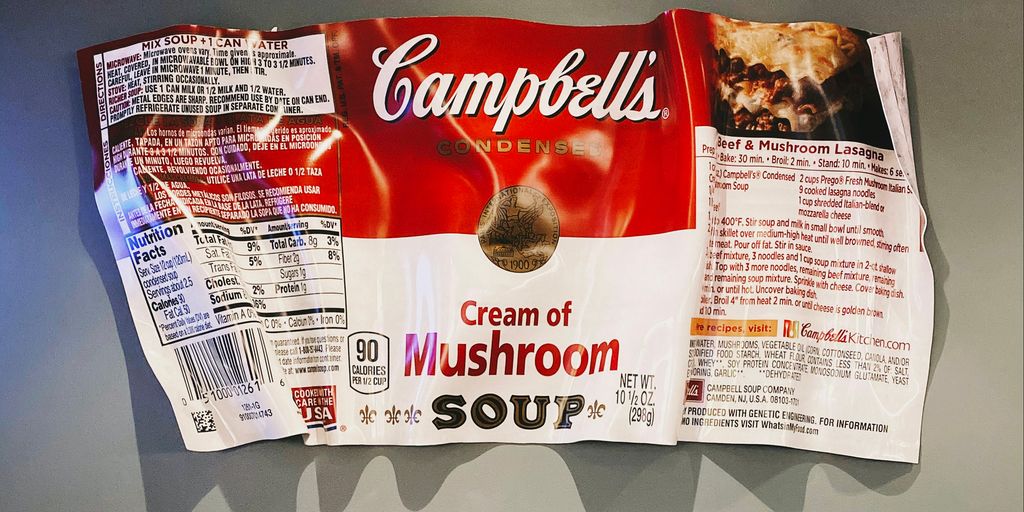
Packaged and convenience foods often get the “bad” label automatically, yet many are useful on busy nights. Nutrition labels can help you compare products on things like sodium, fibre and protein, without needing to sort them into good and bad. A ready-made meal paired with a side of vegetables can be a perfectly reasonable dinner. Our guide to reading nutrition labels explains what to look for.
A one-week experiment
If you want to try this in practice, spend one week noticing your food language.
- Each time you think or say “good,” “bad,” “clean,” “junk” or “cheat,” jot it down.
- Next to each one, write a neutral version, using the table above.
- Pick one “bad” food and eat it once, on purpose, with a meal, and notice how it feels.
- At the end of the week, look at your notes. Did neutral words change how you felt after eating?
When to check with a professional
If food rules cause intense anxiety, if you regularly swing between strict eating and eating past comfort, or if you compensate by skipping meals or overexercising, talk to your doctor or a registered dietitian. The National Eating Disorder Information Centre (NEDIC) offers free, confidential support in Canada.
Takeaways
- “Good” and “bad” labels ignore context, your overall pattern and your individual needs.
- Forbidding foods tends to increase cravings, and guilt doesn’t improve choices.
- Use neutral, practical words: everyday food, sometimes food, more filling.
- Ask what will satisfy you and what your day has been missing.
- Use nutrition labels to compare, not to judge.
- Build most meals on whole foods, and keep room for foods you enjoy.
FAQ
Doesn’t calling food neutral mean anything goes?
No. Neutral language removes guilt, not information. You can still notice that some foods keep you full longer, give you steadier energy or help you meet your vegetable and fibre needs, and choose them often for those reasons.
What should I say to kids about “junk food”?
Try “everyday foods” and “sometimes foods,” and talk about how foods help bodies grow and feel energetic. Avoid praising or shaming children for what they eat.