
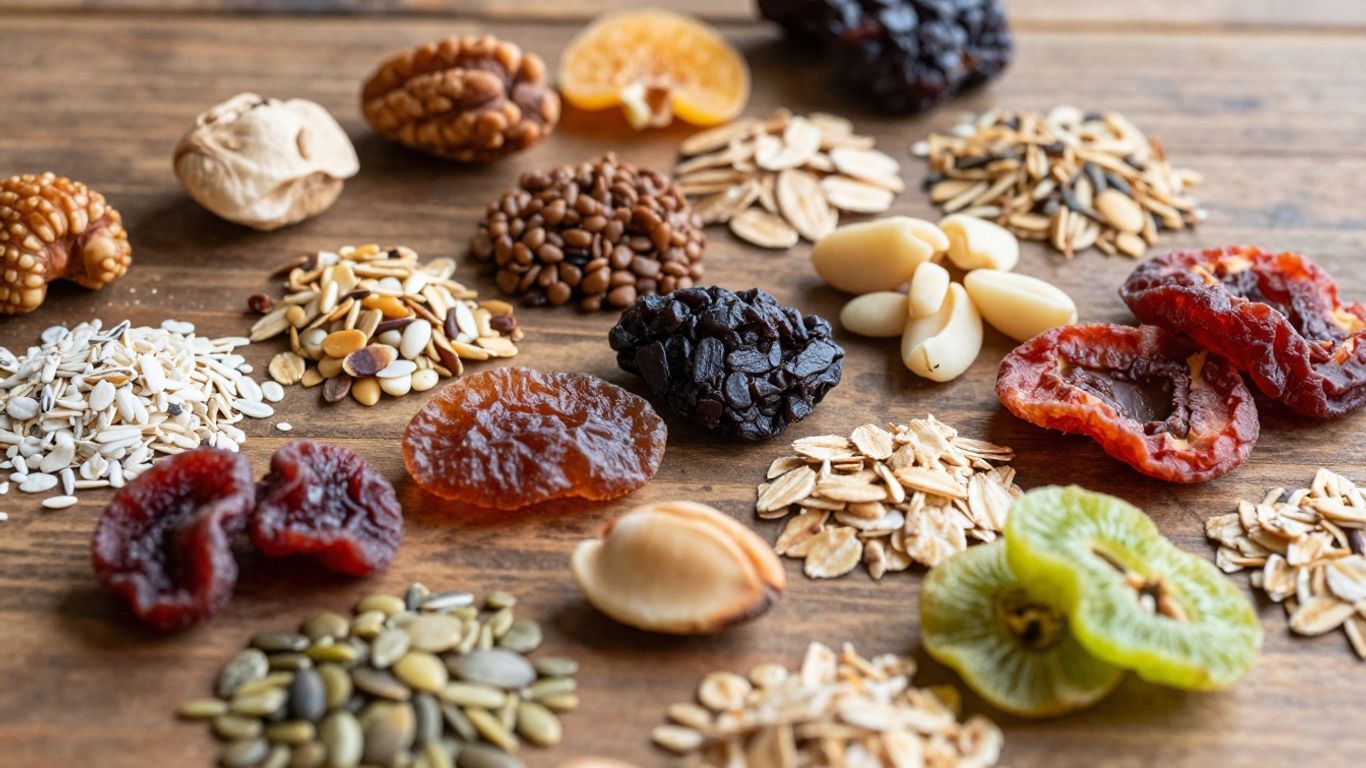
An energy-steadying snack has a simple structure: a fibre-rich carbohydrate (fruit, vegetables or whole grains) paired with a protein, plus a little healthy fat when it fits. That combination digests more slowly than a refined snack eaten alone, so it tends to keep you satisfied until your next meal. Use the blueprint below to build snacks from what you already have, and plan them the way you plan meals.
Why some snacks leave you crashing
A granola bar, a few cookies or a handful of crackers can feel energizing for half an hour and then leave you hungry and foggy. Highly processed, low-fibre carbohydrates are digested quickly. Harvard Health explains that, in general, the more processed a food is, the higher its glycemic index, and the more fibre or fat a food has, the lower it is. Lower-GI foods raise blood sugar more gradually.
The fix is not to avoid carbohydrates. It is to choose less processed ones and give them company.
The snack blueprint: base, anchor, accent
| Layer | Role | Examples |
|---|---|---|
| Base: fibre-rich carbohydrate | Quick energy plus fibre and volume | Apple, pear, berries, orange, banana, carrots, cucumber, snap peas, whole grain crackers, oatmeal, air-popped popcorn, roasted chickpeas |
| Anchor: protein | Slows digestion and helps you feel full longer | Plain Greek or soy yogurt, hard-boiled egg, cheese, cottage cheese, hummus, edamame, canned tuna, roasted chickpeas, a glass of milk or fortified soy beverage |
| Accent: healthy fat or flavour | Satisfaction and taste | Nuts, seeds, nut butter, avocado, a few olives, cinnamon, herbs, salsa |
Pick one from each column and you have a snack. Some foods do double duty: nuts give protein and fat; hummus gives protein and fibre; roasted chickpeas give all three.
Twenty snack builds
Five-minute or less
- Apple slices + peanut butter + sprinkle of cinnamon
- Plain Greek yogurt + frozen berries + a few walnuts
- Carrot and cucumber sticks + hummus
- Hard-boiled egg + cherry tomatoes + whole grain crackers
- Pear + a small piece of cheese
- Banana + a small handful of almonds
- Cottage cheese + pineapple or peach slices
- Whole grain toast + nut butter + banana
Prep once, eat all week
- Roasted chickpeas with smoked paprika
- Edamame, steamed and lightly salted
- Overnight oats in small jars with chia and fruit
- Oat, nut butter and dried fruit energy bites (keep portions small)
- Egg muffins with spinach and peppers
- Bean dip or tzatziki-style yogurt dip with pre-cut vegetables
On the go
- Trail mix you make yourself: nuts, seeds, a few raisins, whole grain cereal
- Orange or apple + a cheese string
- Single-serve plain yogurt + a piece of fruit
- Whole grain crackers + a small can of tuna
- Air-popped popcorn + roasted peanuts
- A smoothie of milk or soy beverage, frozen fruit and a spoon of nut butter
Plan snacks like mini meals
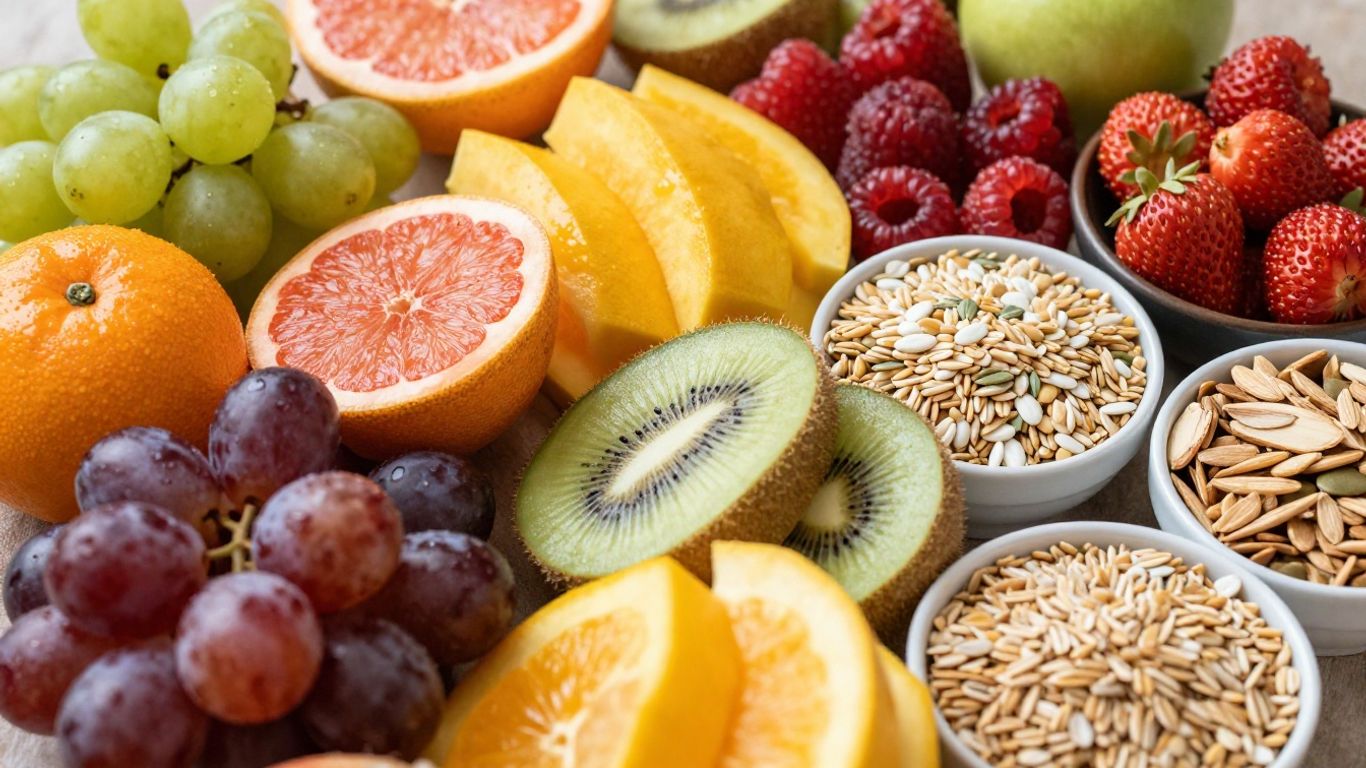
Canada’s Food Guide suggests that you think about healthy snacks when planning your meals and add them to your grocery list, and to snack when you are truly hungry rather than out of boredom or tiredness. It also recommends including a vegetable or fruit in each snack, such as fruit with whole grain crackers or vegetables with hummus.
A simple weekly routine:
- Check your schedule. Which days have a long gap between meals (for example, lunch at noon and dinner at 7)? Those are your snack slots.
- Choose two or three builds from the lists above and add the ingredients to your grocery list.
- Prep on one day: boil eggs (the food guide notes they keep for a week in the fridge in their shells), wash fruit, cut vegetables, portion nuts.
- Store snacks where you will see them: front of the fridge, a basket at work, a container in your bag.
Sizing your snack
A snack is meant to bridge a gap, not replace a meal. A useful starting point:
- Short gap (2–3 hours): a piece of fruit or a small handful of nuts may be enough.
- Long gap (4–5+ hours) or after activity: a full base + anchor + accent snack.
- Check in afterward: if you are hungry again within an hour, add more protein or fibre next time. If you are not hungry at dinner, make the snack smaller or earlier.
Use texture and flavour to make snacks satisfying
A snack that is balanced on paper but boring will not hold up against a vending machine. Aim for at least two of these in every build:
- Crunch: raw vegetables, apples, nuts, roasted chickpeas, whole grain crackers, popcorn.
- Creaminess: yogurt, hummus, nut butter, avocado, cottage cheese.
- Sweet: fruit, a drizzle of honey, cinnamon, a few raisins.
- Savoury or spicy: herbs, smoked paprika, everything-bagel seasoning, salsa.
- Cold or warm: frozen grapes or berries in summer; warm oatmeal or a mug of soup in winter.
Variety also helps. Rotating three or four favourite builds through the week keeps snacks interesting without making planning harder.
Mindful snacking habits
- Put the snack on a plate or in a bowl instead of eating from the package.
- Sit down and eat without your phone or screen for a few minutes.
- Ask first: am I hungry, thirsty, tired or bored? A glass of water or a short walk sometimes solves the real problem.
- Drink water, sparkling water, milk or herbal tea with snacks rather than sugary drinks.
Common snack traps
| Trap | Better build |
|---|---|
| Flavoured yogurt with lots of added sugar | Plain yogurt + fresh or frozen fruit |
| Crackers alone | Whole grain crackers + cheese, tuna or hummus |
| Juice or a sweet drink as a snack | Whole fruit + a glass of water or milk |
| A large bag of nuts | A small handful, pre-portioned |
| Granola bar on its own | Bar with more fibre and less sugar, plus a piece of fruit or a cheese string |
For more ideas, see our high-protein snacks list and our guide to snack pairings that prevent crashes.
When to check with a professional
If you have diabetes, take medication that affects blood sugar, or often feel shaky, sweaty or faint between meals, talk with your doctor or a registered dietitian about snack timing and content. The same applies if snacking feels out of control or tied to strong emotions; your healthcare provider can help, and NEDIC (nedic.ca) offers free support in Canada.
Key takeaways
- Build snacks from a fibre-rich carbohydrate plus a protein, with a little fat or flavour.
- Less processed, higher-fibre foods give steadier energy than refined snacks.
- Include a fruit or vegetable in each snack when you can.
- Plan snacks into your week and prep them in one session.
- Match snack size to the gap between meals and adjust based on how you feel.