
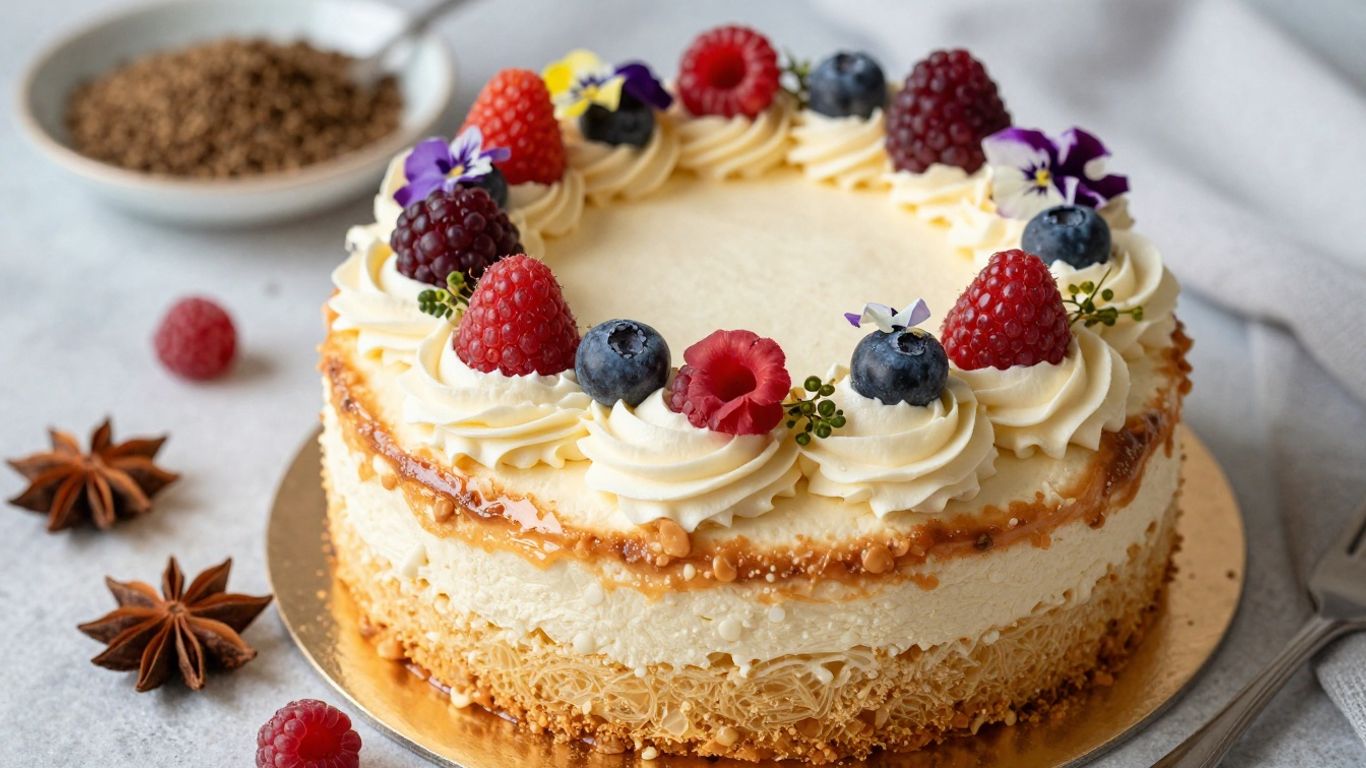
Low-sugar baking works best when you replace what sugar does, not just its sweetness. Sugar adds moisture, tenderness, browning and volume, so when you cut it you need fruit purées, eggs, fats, spices and good technique to fill the gaps. Start by reducing the sugar in a familiar recipe by about a quarter, layer in flavour from vanilla, cinnamon, citrus and a pinch of salt, and use sweeteners selectively rather than as a one-for-one swap.
Here is how sugar works in baking, how fruit and sweeteners compare, and how to keep low-sugar treats moist, golden and satisfying.
Why bother cutting sugar?
The NHS explains that “free sugars” include sugars added to food plus those in honey, syrups and fruit juice, and recommends that adults have no more than 30 g of free sugars a day. Sugars found naturally in whole fruit, vegetables and milk don’t count toward that limit. Home baking is one of the easiest places to make a difference, because you control every ingredient.
What sugar does in a recipe
| Role | What happens if you cut it | How to compensate |
|---|---|---|
| Moisture | Drier, crumblier texture; stales faster | Add fruit purée, yogurt or a little extra fat; don’t overbake |
| Tenderness | Tougher, chewier crumb | Mix gently; use some whole-wheat pastry flour or oat flour |
| Browning | Paler crust | Brush with milk or beaten egg; bake a few minutes longer at the same temperature |
| Volume and lift | Denser cakes, flatter cookies | Cream fat well, whip eggs, check baking powder or soda is fresh |
| Sweetness | Flatter flavour | Layer vanilla, spices, citrus zest and a pinch of salt |
Recipes with lots of sugar for structure, such as meringues, caramel and some candies, don’t adapt well. Muffins, quick breads, snack cakes, oatmeal cookies and crumbles are much more forgiving.
Start with a simple reduction
- Pick a recipe you know well, ideally a muffin, quick bread or oatmeal cookie.
- Cut the sugar by about a quarter and bake as usual.
- Taste and note the texture. If it’s good, try cutting a bit more next time.
- Write down every change so you can repeat what works.
Your taste buds adjust as you go. Canada’s Food Guide suggests you get used to less sweetness over time.
Sweetening with fruit
Canada’s Food Guide suggests sweetening baked goods with fruit and adding flavour with nutmeg, cinnamon or vanilla. Fruit adds moisture and fibre along with sweetness.
- Very ripe bananas: the spottier, the sweeter. Great in muffins, loaves and pancakes.
- Unsweetened applesauce: replaces some sugar and some fat in quick breads and cakes.
- Date paste: soaked, blended dates add caramel-like sweetness to bars and brownies. They still contain sugar, so use them to replace sugar rather than add to it.
- Grated carrot, zucchini or pumpkin purée: add moisture and bulk with mild sweetness.
- Fresh or frozen berries: bursts of sweetness and colour; toss in a little flour so they don’t sink.
Fruit purées add water, so you may need to reduce other liquids slightly or bake a little longer.
Sugar substitutes: what to know
In Canada, sugar substitutes are regulated by Health Canada as food additives called sweeteners and must meet strict safety controls. Approved options include sucralose, acesulfame-potassium, purified stevia extract and sugar alcohols such as sorbitol, isomalt and xylitol. On ingredient lists you may also see erythritol or maltitol.
A few practical points for baking:
- They don’t replace sugar’s structure. Most high-intensity sweeteners are used in tiny amounts, so they add sweetness without bulk, moisture or browning. Products blended with a bulking agent behave more like sugar; follow the package conversion.
- Sugar alcohols can upset digestion. Mayo Clinic notes that sugar alcohols, stevia and luo han guo can cause bloating, gas and diarrhea, and that the amount that causes symptoms varies from person to person.
- Keep xylitol away from dogs. It is toxic to them, so store xylitol baking well out of reach.
- They aren’t required. Canada’s Food Guide states that sugar substitutes are not needed to help you eat less sugar, and that regularly eating sweet-tasting foods can keep a preference for sweetness going.
A balanced approach is to reduce sugar and lean on fruit and flavour first, then use a sweetener in small amounts only where you really need it.
Flavour layering: make less sugar taste like more
- Vanilla: pure extract or a scraped vanilla pod rounds out flavour and reads as “sweet.”
- Warm spices: cinnamon, nutmeg, cardamom, ginger and allspice add depth.
- Citrus zest: lemon, orange or lime zest brightens cakes, muffins and frostings.
- A pinch of salt: sharpens other flavours, especially chocolate and caramel notes.
- Toasted nuts and seeds: toasting brings out a natural richness and adds crunch.
- Cocoa: unsweetened cocoa gives chocolate flavour without added sugar.
- Fresh herbs: a little mint, basil or rosemary pairs well with berries, citrus and stone fruit.
Keeping texture right
- Eggs provide structure and lift, which matters more when sugar is reduced.
- Plain yogurt or buttermilk adds moisture and tenderness.
- Oat flour or almond flour in part of the flour gives a softer crumb; whole-grain flours add fibre but absorb more liquid.
- Ground flax or chia helps bind and adds fibre.
- Don’t overbake. Low-sugar baked goods dry out faster. Start checking a few minutes early.
Easy low-sugar ideas
- Banana-oat muffins sweetened mostly with ripe banana and cinnamon.
- Berry crumble with an oat-nut topping and a small amount of sugar.
- Carrot snack cake with orange zest and a yogurt-based topping.
- Frozen fruit “nice cream”; see our frozen fruit desserts for recipes.
For festive seasons, our post on sugar-heavy holidays shows how to enjoy traditional treats with simple guardrails, and comfort food, light uses the same flavour-first approach in savoury cooking.
When to check with a professional
If you have diabetes, take medication that affects blood sugar, or have digestive conditions, ask your doctor or a registered dietitian how baked goods and sweeteners fit into your plan. “Sugar-free” baked goods can still contain plenty of carbohydrate from flour and fruit.
Takeaways
- Cut sugar by about a quarter in forgiving recipes first, then adjust.
- Replace sugar’s jobs: moisture from fruit or yogurt, lift from eggs, browning from an egg or milk wash.
- Layer vanilla, spices, citrus and salt to make less sugar taste like more.
- Use sweeteners sparingly; sugar alcohols can cause digestive upset.
- Write down each change so your best versions are repeatable.
FAQ
Can I swap honey or maple syrup for sugar to make a recipe healthier?
Not really. Honey and syrups count as free sugars too. They can change flavour and moisture, but they don’t lower the sugar in a meaningful way. Reducing the total amount matters more than the type.
Why are my low-sugar muffins dry?
Sugar holds moisture. Add some fruit purée or yogurt, avoid overmixing, and check for doneness a few minutes early.
What does “no sugar added” mean on a baking product?
It means no sugars were added during processing, but the product can still contain natural sugars, for example from fruit. Check the Nutrition Facts table for total sugars.