
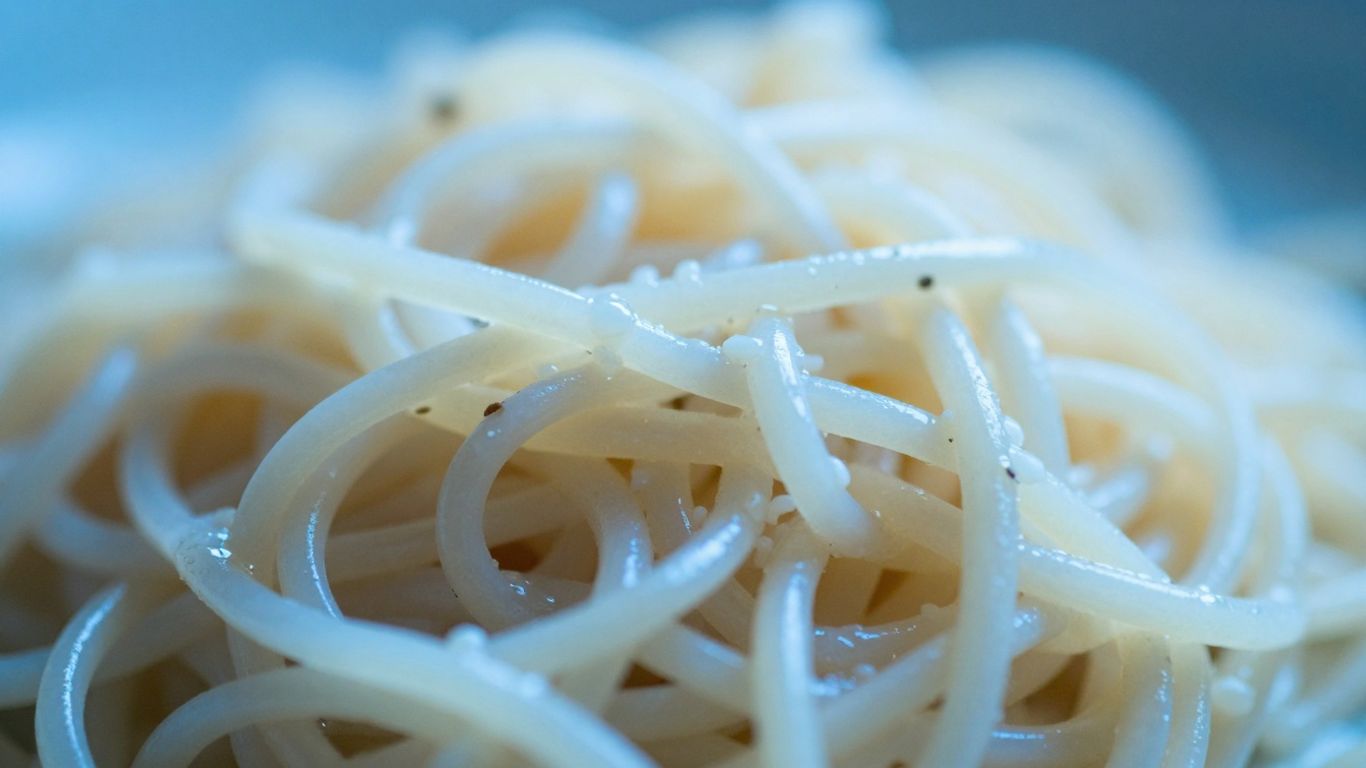
When you cook a starchy food like rice, potatoes or pasta and then chill it, part of the starch rearranges into a form your small intestine can’t fully digest. This is called resistant starch, and it behaves more like fibre. This article explains how that happens, how big the effect really is, how to do it safely at home, and what the realistic benefits are.
What resistant starch is
Most starch is broken down into glucose in the small intestine and absorbed. Resistant starch escapes that process and reaches the large intestine, where gut bacteria ferment it.
The Harvard T.H. Chan School of Public Health’s Nutrition Source describes resistant starch as a soluble, fermentable fibre. It’s found in legumes, unripe bananas, and cooked and cooled pasta and potatoes. Harvard notes it acts as a prebiotic (food for beneficial gut bacteria), has a minimal laxative effect, and may help normalize blood sugar and cholesterol.
Researchers group resistant starch into types. The one created by cooking and cooling is called RS3, or retrograded starch.
The science: gelatinization, then retrogradation
Two physical changes happen in sequence:
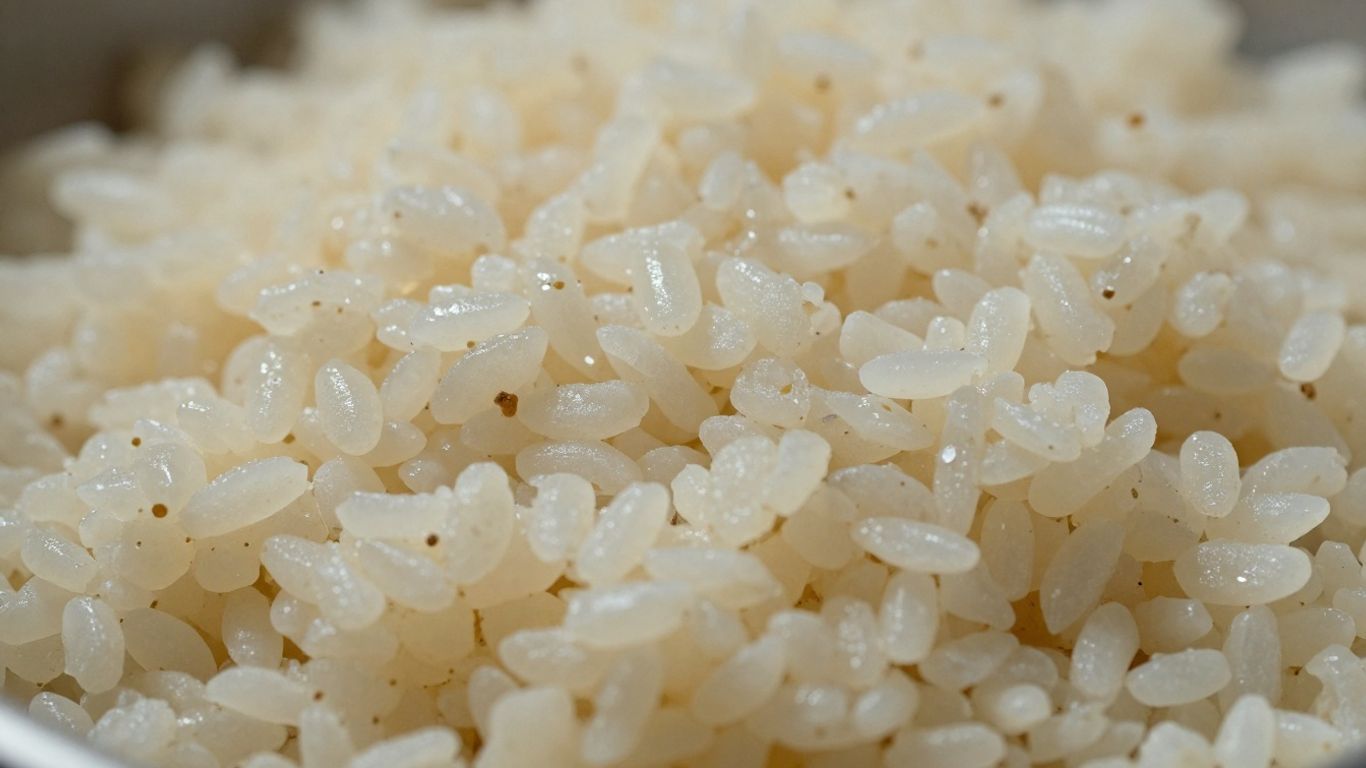
- Gelatinization (cooking). Raw starch sits in tightly packed granules. Heat and water make the granules swell and lose their orderly structure, so the starch becomes soft and easy for enzymes to digest. That’s why cooked rice is digestible and raw rice isn’t.
- Retrogradation (cooling). As cooked starch cools, its long, straight chains (mainly amylose) start to line up and pack back together into new, tighter structures. Digestive enzymes have a harder time getting into those regions, so part of the starch now resists digestion.
Several factors affect how much resistant starch forms:
- Time and temperature. Chilling over many hours allows more chains to reassociate than a quick cool-down does.
- Type of starch. Foods higher in amylose, such as some long-grain rice varieties and legumes, tend to form more.
- Water content and the rest of the food. Fat, protein and fibre around the starch can change how it behaves.
Food scientists also use industrial techniques (controlled heat-moisture treatment, annealing, pressure-cooking and cooling cycles) to raise resistant starch in ingredients. In a home kitchen, the lever you actually have is cook, chill, then eat cold or reheated.
How much difference does it make?
A measurable one, but modest. In a study in the Asia Pacific Journal of Clinical Nutrition, researchers compared freshly cooked white rice with cooled versions:
| White rice | Resistant starch (g per 100 g) |
|---|---|
| Freshly cooked | 0.64 |
| Cooled 10 hours at room temperature | 1.30 |
| Chilled 24 hours at 4°C, then reheated | 1.65 |
In a crossover test with 15 healthy adults, the chilled-and-reheated rice produced a significantly lower blood glucose response than freshly cooked rice (125 vs 152 mmol·min/L).
Two things are worth noticing. First, reheating did not undo the benefit: the chilled-then-reheated rice had the most resistant starch of the three. Second, the absolute gain is roughly one extra gram per 100 grams of rice. It helps, but it doesn’t turn white rice into a high-fibre food. The room-temperature method in that study is not a safe home practice. See the safety section below.
How to do it at home
- Cook as usual. Rice, potatoes, pasta, barley, lentils and beans all work.
- Cool it quickly. Spread the food in shallow containers so it cools fast, and refrigerate once it stops steaming.
- Chill it overnight. Roughly 12–24 hours in the fridge (4°C or colder) is a practical target.
- Eat it cold or reheated. Try potato salad, a grain or bean salad, or pasta salad. Or reheat thoroughly for fried rice, a grain bowl or a quick lunch.
- Combine it with other good habits. Pair your starch with protein and vegetables. The overall meal matters more to your blood sugar and fullness than the cooling step alone.
Easy ways to use cooked-and-cooled starches
| Food | Cold idea | Reheated idea |
|---|---|---|
| Rice | Rice salad with edamame, cucumber and sesame dressing | Vegetable and egg fried rice |
| Potatoes | Potato salad with a yogurt-mustard dressing | Crispy pan-fried potatoes with eggs |
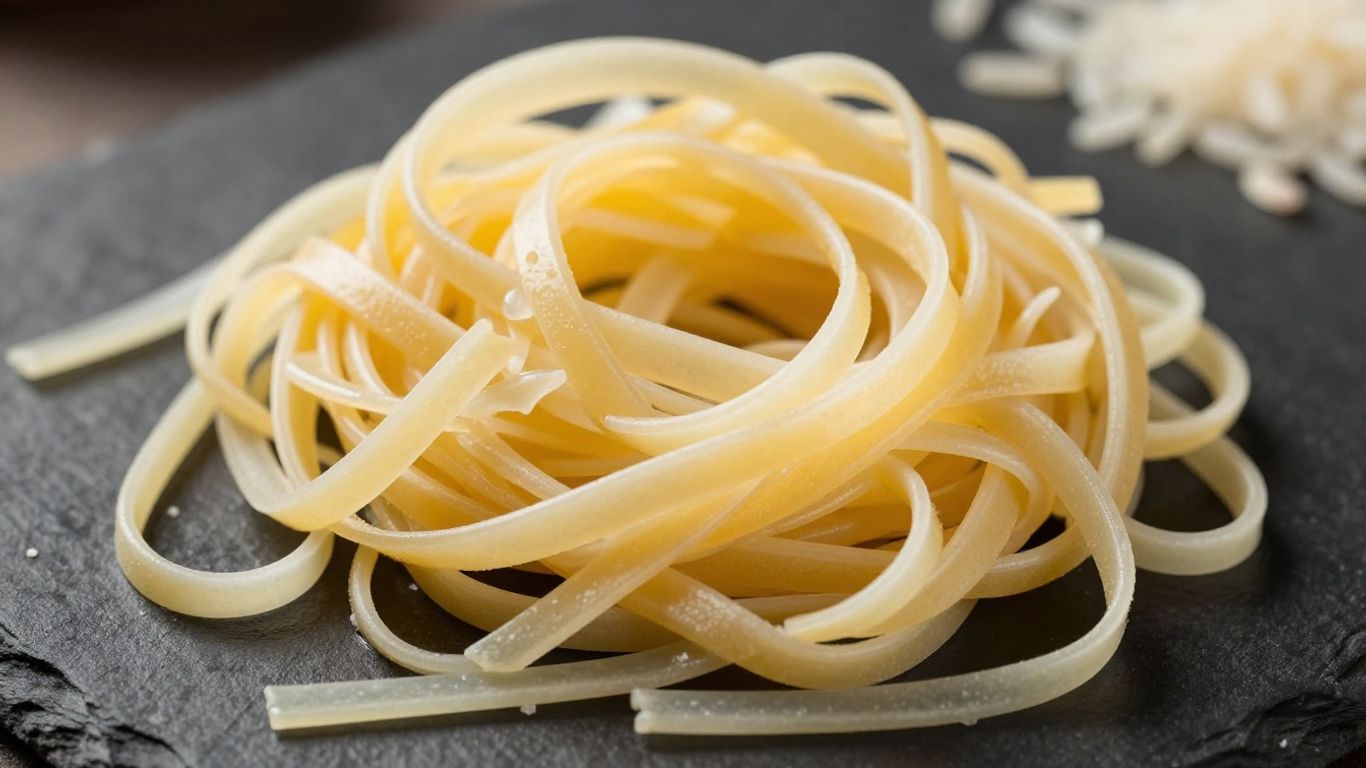
| Pasta | Pasta salad with chickpeas, tomatoes and feta | Leftover pasta with added vegetables and chicken |
| Lentils and beans | Lentil and roasted-vegetable salad | Bean chili or soup made a day ahead |
Other naturally good sources of resistant starch include slightly green bananas and legumes in general.
Food safety: chill fast, store briefly, reheat well
Cooked rice and other starchy leftovers can grow harmful bacteria if they sit warm, so the cooling step must also be a safe one. Health Canada’s food safety tips for leftovers recommend:
- Refrigerating leftovers promptly in uncovered, shallow containers so they cool quickly
- Throwing away any cooked food left at room temperature for more than two hours
- Eating refrigerated leftovers within 2 to 3 days, or freezing them
- Reheating leftovers to an internal temperature of 74°C (165°F)
In short, never leave rice out overnight to “build resistant starch”. Get it into the fridge.
Realistic benefits
- Blood sugar. Cooling can modestly blunt the rise in blood glucose after eating a starchy food, as the rice study showed. It’s a helpful tweak, not a treatment.
- Gut health. Resistant starch feeds gut bacteria, which ferment it into short-chain fatty acids. It’s one more way to diversify the fibre in your diet.
- Fullness. Like other fibres, it may contribute to feeling satisfied, especially as part of a meal with protein and vegetables.
The biggest wins still come from total fibre intake: vegetables, fruit, whole grains, legumes, nuts and seeds. Cooling your starches is a no-cost bonus on top.
Go gradually
If you’re adding a lot more fibre (including resistant starch) at once, expect some gas or bloating. The Harvard Nutrition Source suggests increasing fibre gradually and drinking more fluids, because a sudden large increase can cause bloating and cramping.
When to check with a professional
- You have diabetes or take glucose-lowering medication and want to change your carbohydrate habits. Talk to your doctor or a registered dietitian, and monitor as advised.
- You have IBS, inflammatory bowel disease or other digestive conditions. Fermentable fibres can aggravate symptoms for some people.
- You’re pregnant, immunocompromised or caring for someone who is. Be especially strict about leftover safety, and ask your care team about higher-risk foods.
Takeaways
- Cooking then chilling starchy foods converts part of the starch into resistant starch (RS3).
- Chill cooked rice, potatoes, pasta or legumes in shallow containers for 12–24 hours.
- Eat cold or reheated, since reheating doesn’t erase the benefit.
- Follow leftover safety rules: no more than 2 hours at room temperature, eat within 2–3 days, and reheat to 74°C.
- Expect a modest effect, and build the meal with protein and vegetables.
- Increase fibre gradually and drink enough fluids.