
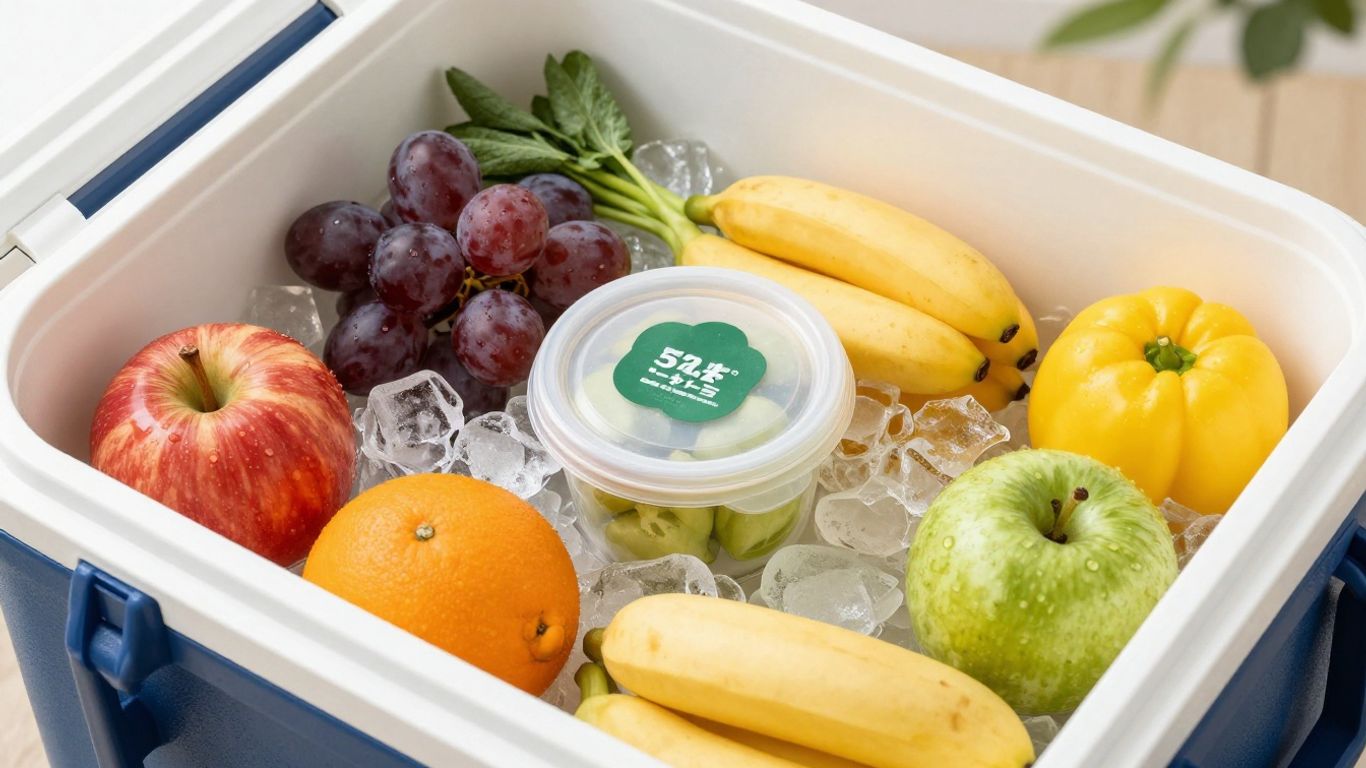
Safe camp cooking comes down to two things: keeping cold food at 4°C (40°F) or colder in a well-managed cooler, and cooking food to safe internal temperatures checked with a thermometer. Pre-chill everything, pack the cooler in layers with raw meat on the bottom, use a separate cooler for drinks, keep it shaded and closed, and plan meals so the most perishable food is eaten first.
The danger zone, in plain terms
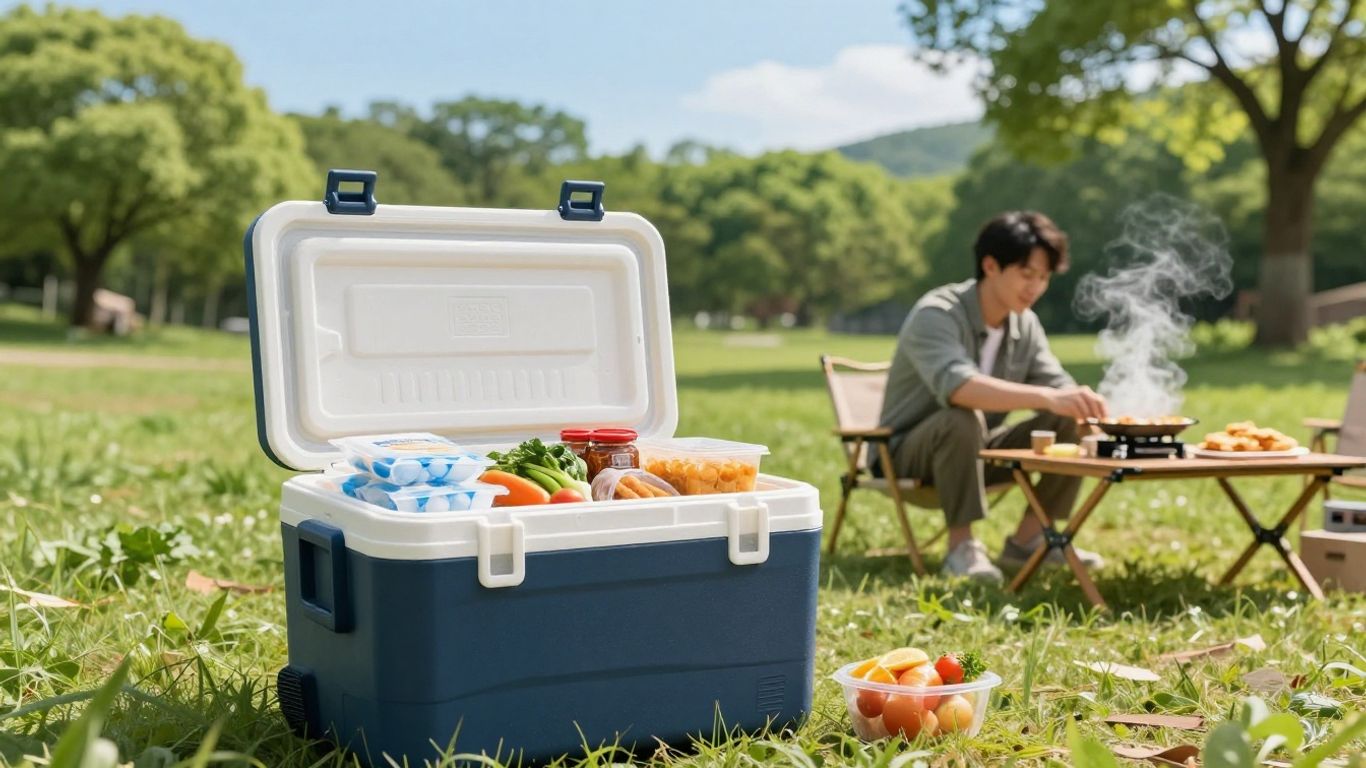
Health Canada describes the temperature danger zone as 4°C to 60°C (40°F to 140°F), the range where bacteria grow quickly. Its summer guidance adds that harmful bacteria can grow in as little as two hours in that range, and that on hot summer days food shouldn’t sit out for more than one hour (Health Canada summer food safety tips).
At camp, that means:
- Cold food stays in the cooler until you’re ready to cook or eat it.
- Cooked food is eaten hot, or cooled and put back in the cooler promptly.
- Food that’s been sitting out on a hot afternoon gets thrown away, not saved.
Before you leave: set the cooler up to succeed
- Pre-chill the cooler. Fill it with ice or frozen packs the night before, then empty and repack. A warm cooler melts ice fast.
- Pre-chill or freeze the food. Pack only food that’s already fridge-cold. Freeze meat, chili, soup or stew you’ll eat on day two or three; it acts as extra ice and thaws on the way.
- Use block ice plus frozen water bottles. Block ice lasts longer than cubes. Frozen bottles double as drinking water as they melt.
- Prep at home. Chop vegetables, marinate meat and portion meals into labelled containers or bags. Less handling at camp means less cross-contamination and less time with the lid open.
- Pack a thermometer. Bring a small appliance thermometer for inside the cooler and a digital food thermometer for cooking.
How to pack the cooler
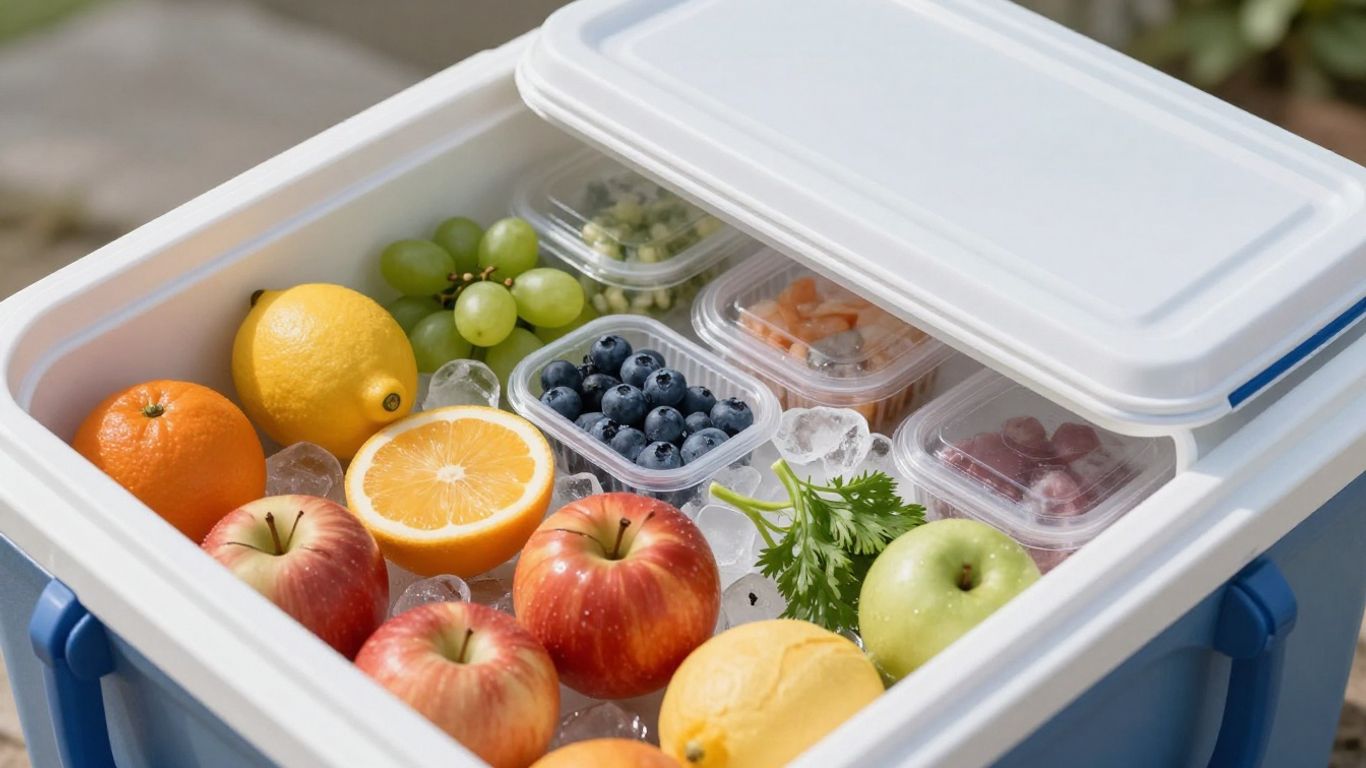
Health Canada recommends keeping the cooler at or below 4°C (40°F), out of direct sunlight and opened as little as possible, with raw meat, poultry and seafood at the bottom so juices can’t drip onto other foods, and separate coolers for food and drinks.
| Layer | What goes there |
|---|---|
| Bottom | Block ice; frozen raw meat, poultry and fish in sealed containers or double bags |
| Middle | Dairy, eggs, cooked meals for later in the trip |
| Top | Day-one lunch, cut fruit and vegetables, sandwich fillings |
| Gaps | Ice packs or frozen bottles so nothing shifts and air pockets stay small |
Pack in reverse order of use: the food you need last goes in first. That way you’re not digging with the lid wide open.
Why a separate drinks cooler helps
Drinks get grabbed all day. Every opening lets warm air in. Keeping water, milk and juice in their own cooler protects the food cooler, which might only be opened at mealtimes.
At camp: keep it cold
- Keep coolers in the shade, off hot ground, and covered with a sleeping bag or blanket for extra insulation. Never leave them in a closed car in the sun.
- Open the food cooler only for meals; decide what you need before lifting the lid.
- Keep food in sealed, waterproof containers or bags so meltwater can’t seep in, especially around raw meat.
- Check the thermometer each morning. If it reads above 4°C, add ice and move perishable items to the bottom.
- Replace ice as soon as you can, and plan a resupply stop on longer trips.
Prep and cooking: avoid cross-contamination
- Bring two cutting boards (or colour-coded ones): one for raw meat, one for everything else.
- Marinate in the cooler, not on the picnic table. If you want to use marinade as a sauce, set some aside before it touches raw meat.
- Use a clean plate for cooked food, never the plate that held it raw.
- Bring biodegradable soap, a wash basin and paper towels, or hand sanitizer for when water is limited. Wash hands after handling raw meat and before eating.
Safe internal cooking temperatures
Colour isn’t a reliable test, especially over a campfire where the outside chars quickly. Use a digital thermometer in the thickest part. These are Health Canada’s safe minimum internal temperatures:
| Food | Minimum internal temperature |
|---|---|
| Poultry pieces and ground poultry | 74°C (165°F) |
| Whole poultry | 82°C (180°F) |
| Ground beef, veal, lamb or pork (burgers) | 71°C (160°F) |
| Beef steaks and roasts | 63°C (145°F) medium-rare; 71°C (160°F) medium |
| Fish | 70°C (158°F) |
| Leftovers | 74°C (165°F) |
Clean the thermometer probe between foods, and wipe it after each use.
Healthy, low-risk camp menus
Choosing some foods that don’t need refrigeration takes pressure off the cooler:
- Shelf-stable proteins: canned beans, chickpeas, lentils, canned tuna or salmon, nut butters, roasted chickpeas, nuts and seeds.
- Grains: oats, quick-cooking couscous or bulgur, tortillas, whole-grain crackers, instant brown rice.
- Sturdy produce: apples, oranges, carrots, snap peas, cabbage, sweet potatoes and corn keep well; berries and leafy greens are best eaten on day one.
- Dairy options: hard cheeses last longer than soft ones; shelf-stable milk or soy beverage cartons are handy.
Sample two-day plan
- Day 1: pre-made sandwiches and cut vegetables for lunch; foil-packet chicken (cooked to 74°C) with potatoes and peppers for dinner.
- Day 2: oatmeal with nuts and dried fruit for breakfast; bean and vegetable wraps for lunch; thawed homemade chili for dinner, reheated until steaming hot throughout.
Water, sparkling water and herbal tea brewed over the camp stove are easy, refreshing drink choices.
Extra care for higher-risk campers
Health Canada notes that children under five, adults over sixty, pregnant people and anyone with a weakened immune system are more vulnerable to food poisoning. If they’re in your group, keep the menu simpler: rely more on shelf-stable foods, skip foods like soft cheeses or deli meats that need tight temperature control, and be strict about thermometers and time limits. If anyone develops severe vomiting, diarrhea with blood, high fever or signs of dehydration, seek medical care.
For more outdoor-eating ideas, see Park Picnic Kits and Sports Day Coolers.
Quick takeaways
- Keep the cooler at 4°C (40°F) or colder; check with a thermometer.
- Pre-chill the cooler and food, and use block ice plus frozen bottles.
- Pack raw meat on the bottom, sealed, and keep drinks in a separate cooler.
- Shade, cover and limit openings.
- Cook to safe internal temperatures and use clean plates for cooked food.
- Discard food left out more than an hour on a hot day.
FAQ
How long will ice last in my cooler?
It depends on the cooler, the weather, how full it is and how often it’s opened. Use a cooler thermometer rather than guessing, and check the manufacturer’s guidance for your model.
Is a portable fridge worth it for longer trips?
For trips longer than a few days, a 12-volt portable fridge can hold steady temperatures without ice. You’ll need a reliable power source, such as a vehicle battery or solar setup, so check the power needs with the manufacturer before relying on it.
What should I do with food when I’m not sure it stayed cold?
If you can’t confirm it stayed at 4°C (40°F) or colder, don’t take the chance. When in doubt, throw it out.