
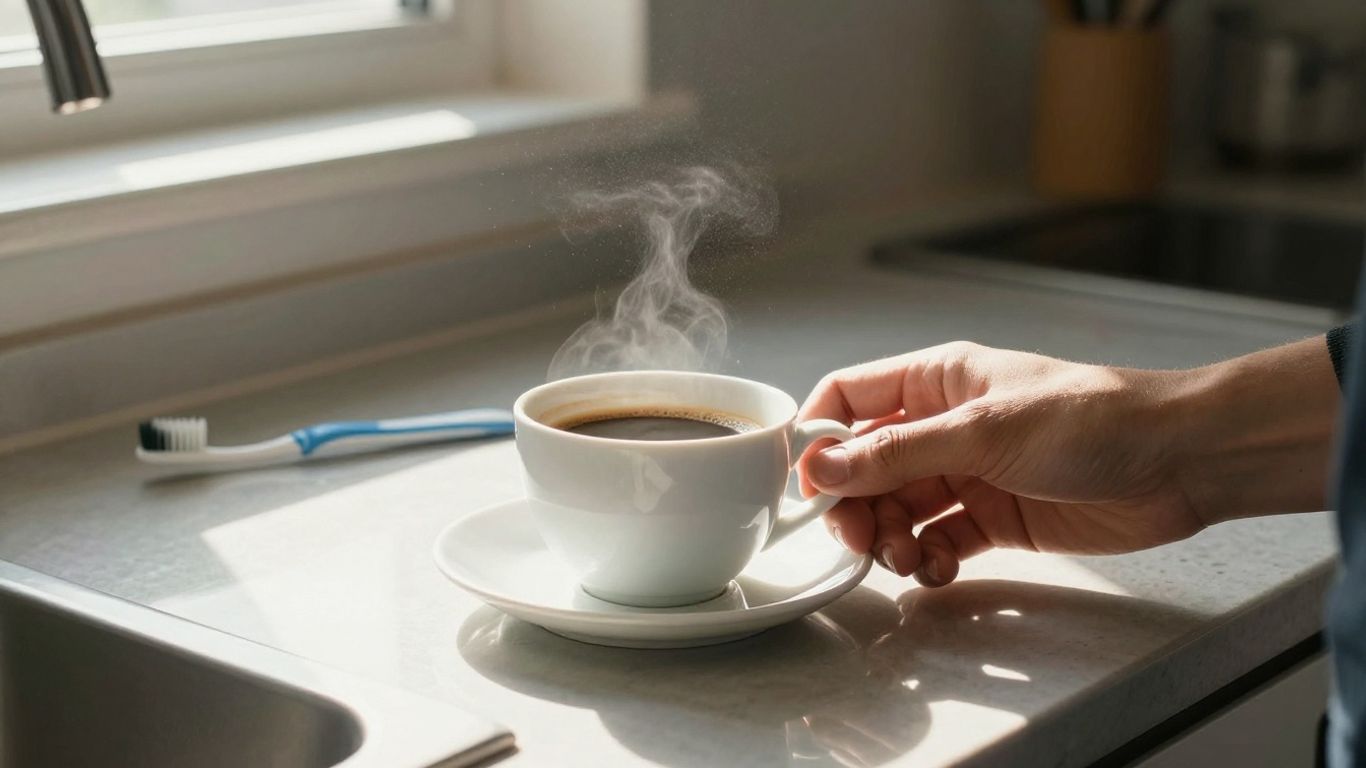
A routine anchor is something you already do every day without thinking, such as brushing your teeth, starting the kettle or arriving home, that you use as the trigger for a new habit. Instead of relying on motivation or memory, you attach the new behaviour to the anchor: “After I pour my morning glass of water, I take my vitamin.” Because the anchor happens reliably, the new habit gets a reliable cue too.
Why anchors work
Habits are behaviours triggered automatically by a cue, built up through repetition in the same context. A review on habit formation in general practice explains that repeating a behaviour in response to a consistent cue gradually makes it automatic, and recommends choosing a once-daily cue such as “after breakfast.” An existing routine is the most consistent cue most of us have.
Anchoring is a form of “if-then” planning. A meta-analysis of studies on these plans found they helped people add healthy foods to their diet, with weaker effects for cutting back on unhealthy foods. So anchors are especially useful for adding something positive, like a vegetable, a walk or a glass of water.
Cue choice matters. In interviews with people on a habit-based weight-loss programme, researchers found that habits were often built around work-day routines, and weekends and holidays temporarily disrupted them because the usual cues were missing. Picking anchors that happen every day, including days off, makes habits sturdier.
How to find your anchors
Write down everything you do every single day, in order, from waking to bed. Most people’s list looks something like this:
- Turn off alarm
- Use the bathroom, brush teeth
- Get dressed
- Make breakfast
- Pack a bag or lunch
- Leave the house or start work
- Eat lunch
- Arrive home or finish work
- Make and eat dinner
- Wash dishes or clean the kitchen
- Change for bed, brush teeth
- Plug in phone
Good anchors are:
- Daily: they happen seven days a week, not just on workdays.
- Specific: “after I start the kettle” is clearer than “in the morning.”
- Located where the new habit happens: if the new habit is in the kitchen, choose a kitchen anchor.
- Emotionally neutral: anchors tied to stressful moments are harder to build on.
The anchor formula
Use one sentence: After I [anchor], I will [new tiny habit].
| Anchor | New habit | Health goal it supports |
|---|---|---|
| After I turn off my alarm | I drink a glass of water from my bedside | Hydration |
| After I start breakfast | I add a piece of fruit to my plate | More fruit and fibre |
| After I pack my lunch | I add a container of cut vegetables | More vegetables |
| After I eat lunch | I walk for 10 minutes | Daily movement |
| After I walk in the door | I put my bag away and fill my water bottle | Hydration, calmer evenings |
| After I wash the dinner dishes | I check tomorrow’s meals and thaw anything needed | Meal planning |
| After I plug in my phone at night | I write three lines in a journal | Stress relief, better sleep |
Keep the new habit tiny
The new habit should take under two minutes at first. Small actions are easier to repeat on bad days, and repetition is what builds automaticity. The habit-formation review notes that simple actions, such as drinking water, became automatic faster than more elaborate routines.
Examples of tiny starting versions:
- “Do 30 minutes of exercise” becomes “put on walking shoes.”
- “Meal prep for the week” becomes “wash one container of berries.”
- “Meditate” becomes “take three slow breaths.”
Once the tiny version feels automatic, let it grow naturally. Putting on your shoes often turns into a walk.

Chaining habits into a routine
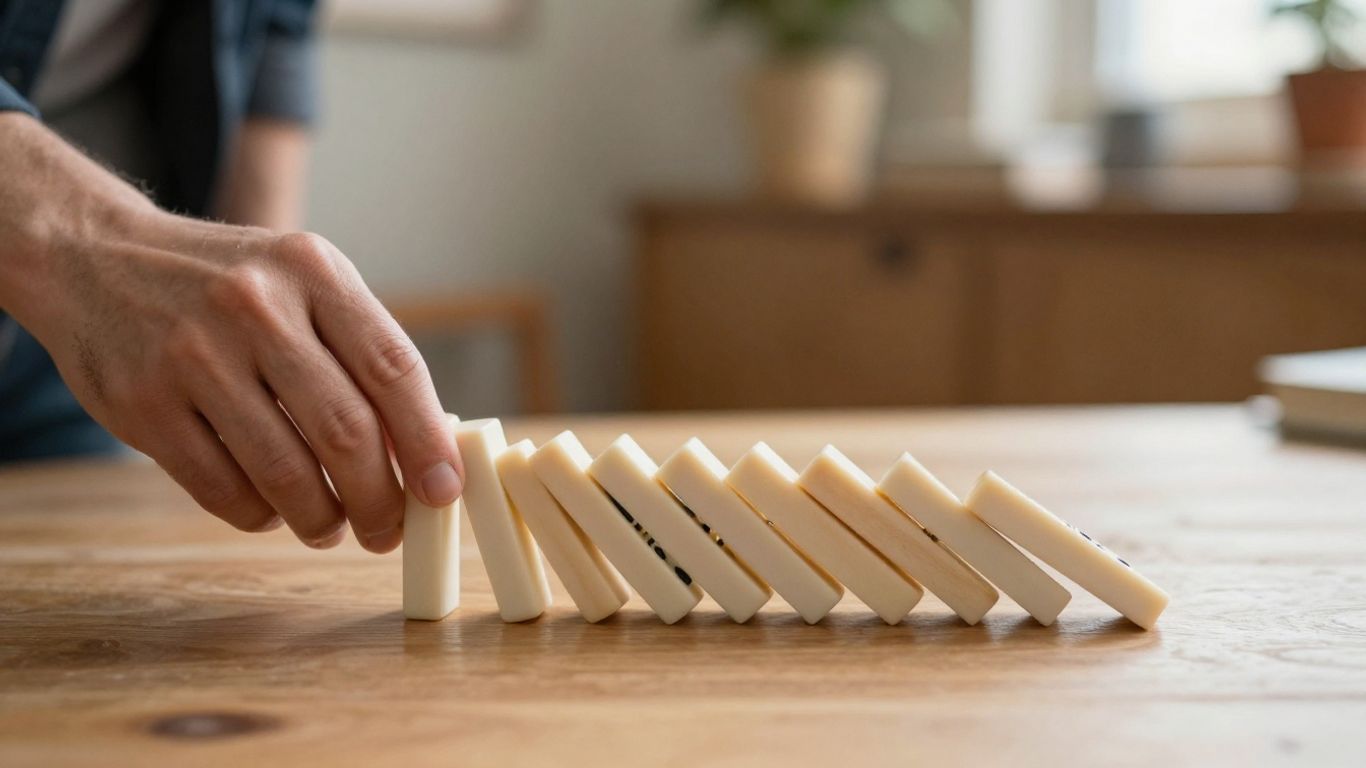
When one anchored habit is solid, it can become the anchor for the next. A morning chain might look like this:
- Turn off alarm (existing anchor)
- Drink a glass of water
- Open the blinds
- Stretch for two minutes
- Make a breakfast with a protein and a fruit
Add one link at a time, and only after the previous one is steady. Research suggests daily habits take on average about 66 days to reach peak automaticity, with wide variation, so expect several weeks per link rather than days.
Set up your environment
Make the new habit easy to do at the anchor point:
- Keep a glass by the bedside or sink.
- Put fruit in a bowl next to where you make breakfast.
- Store walking shoes by the door.
- Leave your journal and pen beside your phone charger.
For more on designing visible prompts, see cue design.
When a day goes sideways
Missing a day is normal. The habit-formation research found that missing the occasional opportunity did not seriously harm habit formation. Simply restart at the next anchor.
If you skip several days in a row, check whether:
- The anchor stopped happening (a new schedule, travel, a holiday).
- The new habit grew too big too fast.
- Your environment changed and the prompt is no longer visible.
Our guide to fixing habit fade covers how to rebuild when a habit slips. You might also look for a keystone habit that naturally pulls other healthy behaviours along.
Anchors for evenings and weekends
Mornings get most of the attention, but evenings and weekends are where many healthy routines fall apart. A few dependable anchors help:
- After I clear the dinner table, I pack tomorrow’s lunch.
- After I change into pyjamas, I put my phone on the charger in the kitchen.
- After I finish Saturday breakfast, I go for a walk.
- After I put groceries away, I wash and cut one vegetable.
- After I set my alarm, I read for five minutes instead of scrolling.
Because meals, getting ready for bed and grocery days happen on weekends too, these anchors keep working when your work schedule doesn’t.
If your weekend mornings look very different from weekdays, choose an anchor that exists on both, such as your first glass of water or getting dressed, rather than something tied to your commute or work start time.
Key takeaways
- A routine anchor is an existing daily action you use to trigger a new one.
- Choose anchors that happen every day, are specific, and are in the right place.
- Use “After I [anchor], I will [tiny habit].”
- Start with a two-minute version and let it grow.
- Add one new link at a time, and expect weeks, not days.
- Missing a day is fine; restart at the next anchor.
FAQ
How many anchored habits can I build at once?
Start with one or two. Once they happen without thinking, add another. Building several at once spreads your attention too thin.
What if my day has no consistent routine?
Almost everyone has a few constants: waking up, eating, brushing teeth and going to bed. Start with those, even if the times vary.