

A rule of life is a short, written set of daily and weekly rhythms that reflect what matters most to you. A simple one covers four areas (prayer, rest, service and health habits) with one or two small, specific commitments in each, placed on your calendar and reviewed every month or so.
This guide explains what a rule of life is, gives a sample weekly rhythm and shows how to write and keep your own without turning it into another to-do list.
What a rule of life is (and is not)
The word “rule” here means a pattern or framework, more like a trellis that supports a plant than a list of restrictions. Rather than New Year’s resolutions that rely on bursts of motivation, a rule of life sets out steady practices you return to each day and each week.
- It is short, personal, realistic and written down.
- It is not a perfection standard, a productivity system or a way to judge yourself.
Commitments, not goals
Goals describe outcomes (“lose 5 kg,” “read the whole book”). Commitments describe what you will do regardless of outcome (“walk after dinner on weekdays,” “pray for ten minutes before breakfast”). Commitments are within your control, which is why they hold up better on hard weeks.
The four areas
1. Prayer and reflection
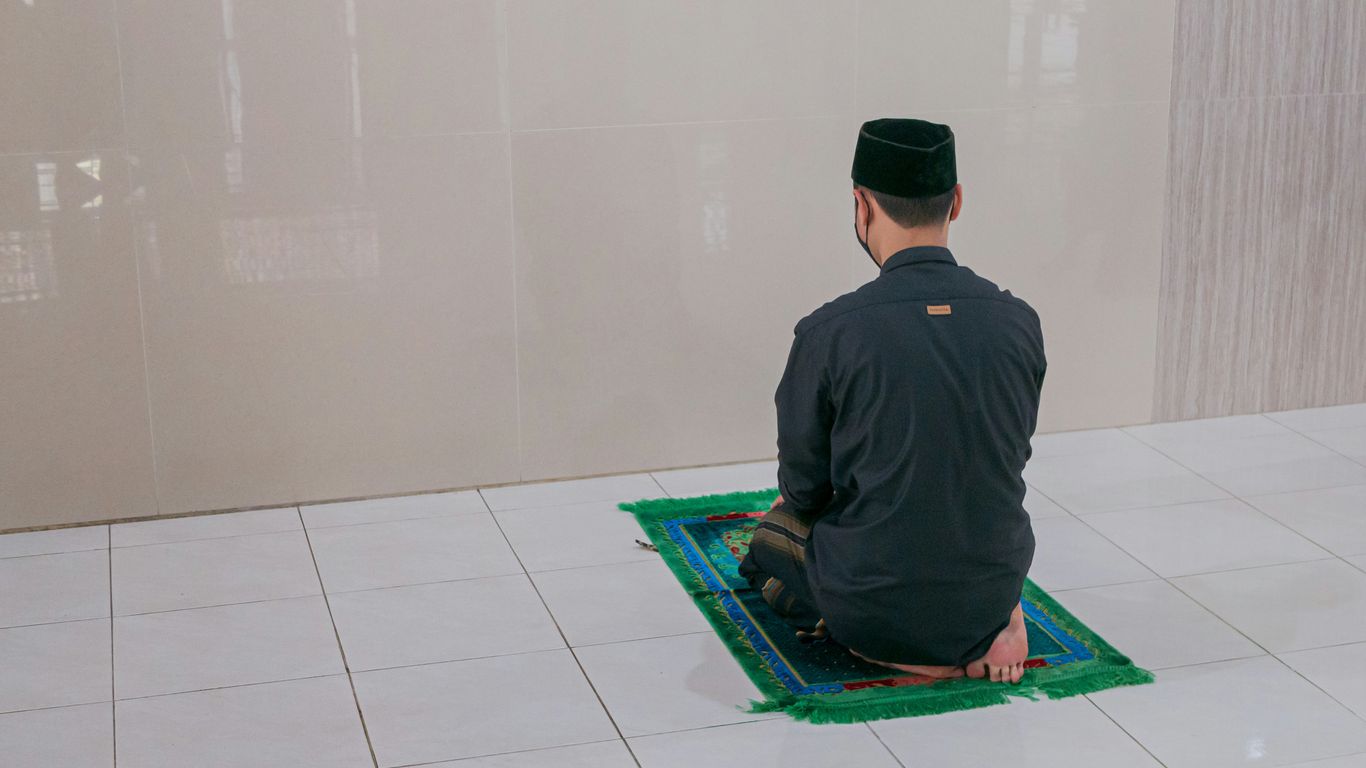
Many people anchor their day with prayer: a few minutes in the morning to set intentions and a few minutes at night to give thanks and reflect. Linking it to something you already do, like before breakfast or after brushing your teeth, makes it easier to keep.
- Morning: five to ten minutes of prayer or quiet reading
- Midday: a short pause before lunch
- Evening: a brief review of the day, including what you are grateful for
2. Rest

Rest includes nightly sleep and a weekly day set apart from work and errands. For sleep, Mayo Clinic recommends going to bed and getting up at the same time every day, including weekends, and aiming for at least seven hours. For your weekly rest day, decide in advance what you will set aside (work email, shopping, chores) and what you will make room for (worship, family meals, a walk, a nap). Our guide to Sabbath as recovery goes deeper.
3. Service
Service turns attention outward: helping a neighbour, volunteering, hosting a meal or checking in on someone who is lonely. Harvard Health reports that studies have linked regular volunteering to lower blood pressure, longer life and less loneliness and depression, though it notes these studies cannot prove cause and effect. Either way, service is worth doing for its own sake.
- Weekly: one planned act of service (a visit, a meal, a volunteer shift)
- Daily: one small kindness, like a message of encouragement
4. Health habits
Caring for your body gives you energy for everything else. Keep these simple:
- Eating: Canada’s Food Guide suggests filling half your plate with vegetables and fruits, one quarter with whole grains and one quarter with protein foods. Plan meals once a week.
- Movement: the NHS advises adults to aim for at least 150 minutes of moderate activity a week plus strengthening activities on at least two days. A 30-minute walk five days a week covers the first part.
- Sleep: a consistent bedtime and a wind-down routine.
- Drinks: water as your default, and skipping alcohol supports better sleep, steadier energy and weight goals.
A sample weekly rhythm
| Day | Prayer | Rest | Service | Health |
|---|---|---|---|---|
| Monday | Morning prayer | Bedtime by 10:30 | Encouraging message | 30-minute walk |
| Tuesday | Morning prayer | Screens off at 9:30 | — | Strength training |
| Wednesday | Morning prayer | Bedtime by 10:30 | Volunteer shift | 30-minute walk |
| Thursday | Morning prayer | Screens off at 9:30 | — | Strength training |
| Friday | Morning prayer | Bedtime by 10:30 | Call a family member | 30-minute walk |
| Saturday | Reflection and planning | Prep for rest day | Help a neighbour | Meal planning and family walk |
| Sunday | Worship and quiet time | Rest day | Visit or share a meal | Gentle walk |
Treat this as a starting point. Your rhythm should match your season of life, work schedule and family needs.
How to write your own in one hour

- Find a quiet hour with a notebook and your calendar.
- Reflect on your values. Write down what kind of person you want to be and what feels out of balance right now.
- Pick one or two commitments per area. Make each specific: what, when and where.
- Start smaller than you think. Five minutes of prayer you keep beats thirty minutes you skip.
- Put it on the calendar. Block time for walks, service and your rest day, as you would for an appointment. Weekend systems can help the plan hold on Saturdays and Sundays.
- Write it on one page and keep it somewhere you will see it.
- Share it with a spouse, friend or family member who can encourage you.
Example commitments for different seasons
| Season | Prayer | Rest | Service | Health |
|---|---|---|---|---|
| Busy work stretch | Five minutes each morning | Protect the weekly rest day and bedtime | One kind message a day | Three 20-minute walks a week |
| Young children at home | Prayer during feeding or a short walk | Nap when they nap on the rest day | Trade childcare with a friend | Stroller walks and simple plate-method meals |
| Retirement or more free time | Longer morning study | Consistent sleep schedule | A regular volunteer role | Walking plus two strength sessions a week |
| Recovering from illness | Short, gentle prayer | Extra rest as advised by your doctor | Let others serve you for now | Follow your care team’s guidance |
A rule that fits your season is one you can keep. It is fine to scale down for a while and build back up later.
Keeping it going
- Review monthly. Ask what is working, what feels heavy and what to adjust.
- Expect missed days. When you skip something, return to it the next day without guilt.
- Adjust for seasons. A new baby, a busy work stretch or an illness may call for a lighter rule for a while.
- Stack habits. Pray during a morning walk, or invite a friend to serve with you.
Quick takeaways
- A rule of life is a short, written set of daily and weekly rhythms, not a list of goals.
- Cover four areas: prayer, rest, service and health habits.
- Choose one or two small, specific commitments per area and put them on your calendar.
- Protect sleep with a consistent schedule and set apart a weekly rest day.
- Review monthly and adjust for your current season.
FAQ
How long should a rule of life be?
One page is plenty. If it does not fit on a page, it is probably too much to keep.
What if I miss a day?
Pick it back up the next day. The point is the pattern over weeks, not a perfect streak.