
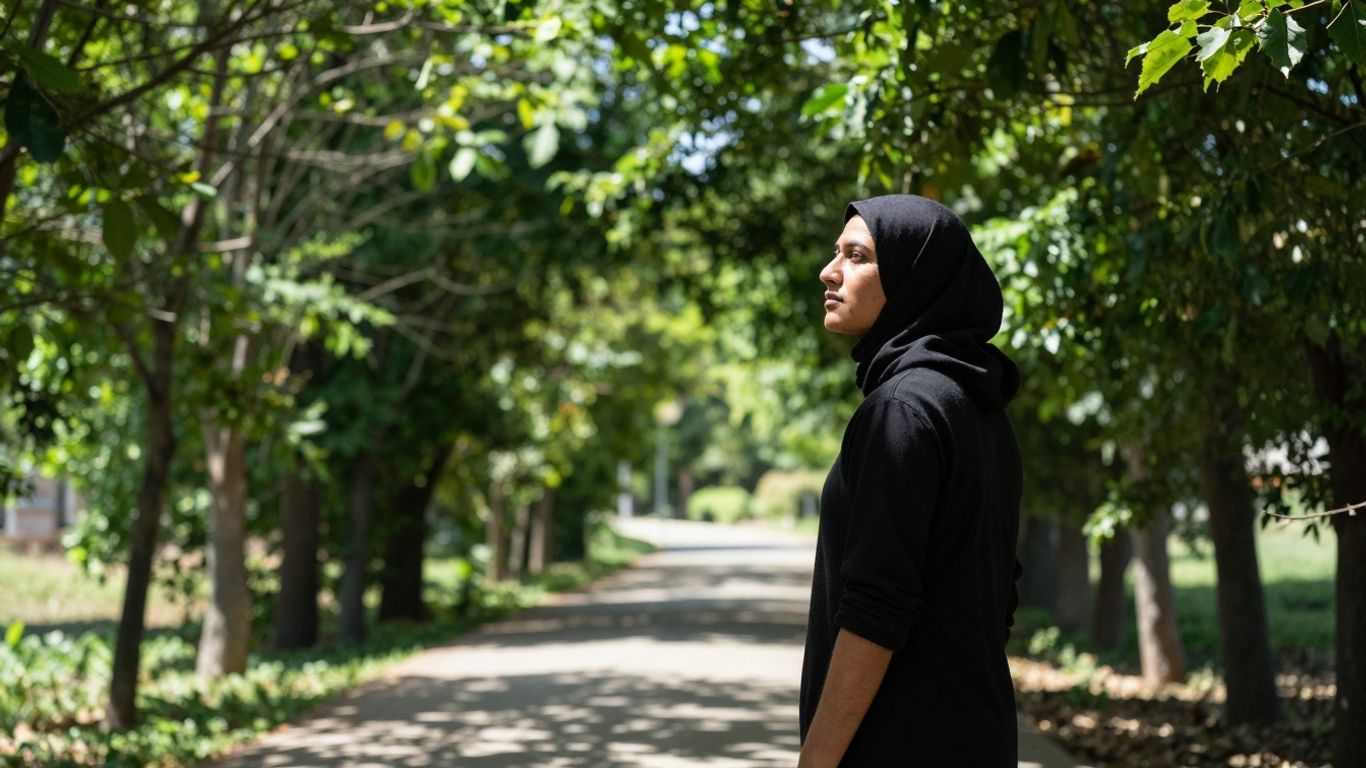
On a body-image off-day, the goal isn’t to suddenly love how you look. It’s to get through the day without letting that feeling drive your choices. Three simple tools help: a ready “comfort outfit” so getting dressed doesn’t spiral, a few kinder words to answer your inner critic, and a walk to shift your mood through your body instead of your mirror.
Here’s how to use each one, plus a short plan you can keep for the next time an off-day hits.
What a body-image off-day is
Most people have days when they feel uncomfortable in their body even though nothing has really changed. Triggers can include poor sleep, stress, hormonal shifts, a photo, a comment, social media, or clothes that suddenly feel tight. The feeling is real, but it’s usually more about mood than about your body. Recognising “this is an off-day” is the first step, because it reminds you that the feeling will pass.
Off-days are also when people are most likely to skip meals, overeat, cancel plans, or start a harsh new diet. A plan helps you avoid decisions you’d regret tomorrow.
Wardrobe: make getting dressed easy
Trying on outfit after outfit on a bad day tends to make things worse. Set yourself up in advance.

Build a comfort outfit
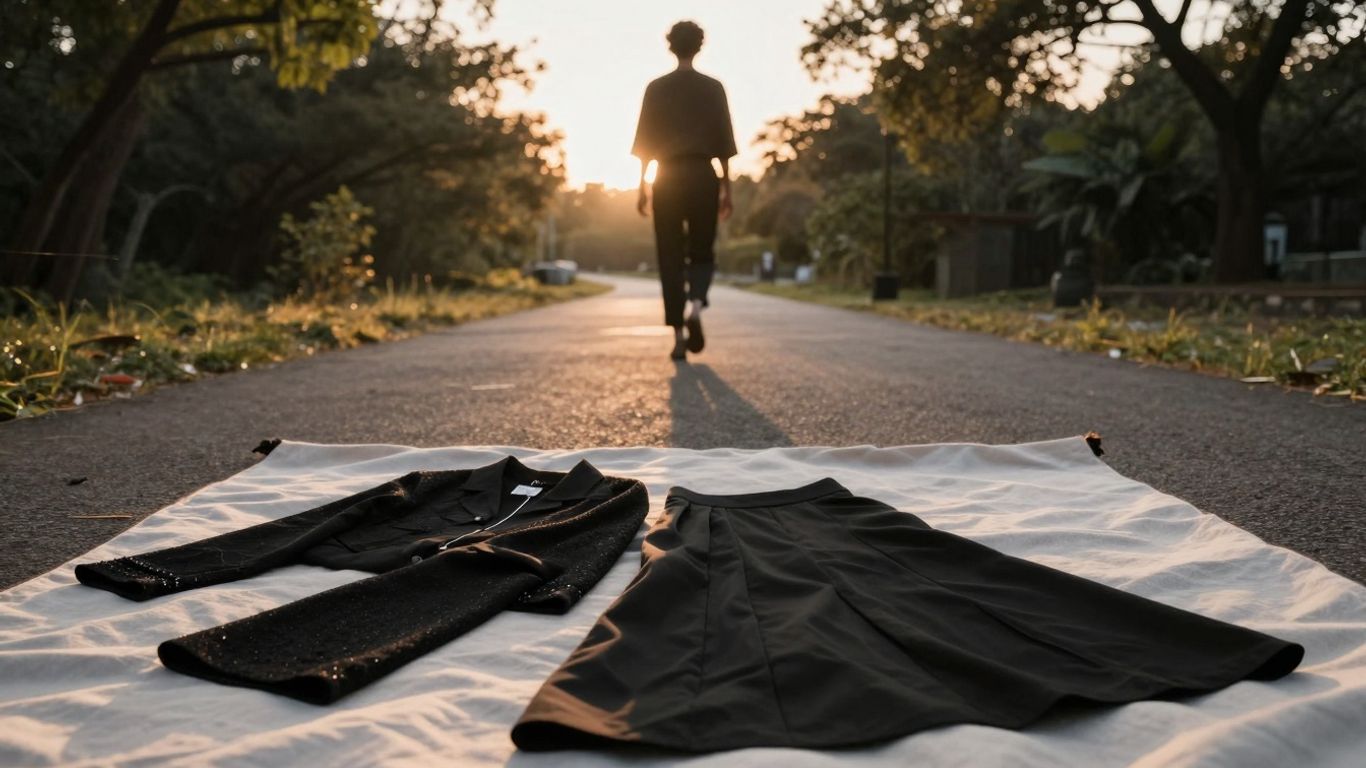
Pick one or two outfits that fit well right now, feel comfortable, and suit your usual day. Keep them clean and ready. On an off-day, put one on and walk away from the mirror. No decisions needed.
Focus on fit and feel
- Choose soft fabrics and waistbands that don’t pinch.
- Wear colours you like. Many people feel brighter in a favourite colour.
- Pick shoes you can walk in, in case you head out for a walk later.
Edit your closet over time
Clothes that don’t fit can trigger a bad morning before it’s begun. Move them out of daily view, into a bin, a high shelf or a donation bag. Your closet should hold clothes for the body you have today. When you shop, buy for comfort and fit rather than for a goal size.
Words: answer your inner critic
Off-days often come with a running commentary: “You look terrible,” “Everyone will notice,” “You’ve let yourself go.” You can’t always stop those thoughts, but you can answer them.
Catch, check, change
The NHS suggests noting your negative thoughts about yourself, then writing evidence that challenges those beliefs and listing positive things about yourself. It also recommends being kind to yourself by thinking about what you’d say to a friend in the same situation.
| Inner critic | A fairer answer |
|---|---|
| “I look awful today.” | “I feel uncomfortable today. My body is the same as it was yesterday.” |
| “Everyone will notice.” | “Most people are thinking about their own day.” |
| “I need to fix this right now.” | “I don’t need to make big decisions on an off-day.” |
| “I’ve ruined everything.” | “One hard day doesn’t undo my progress.” |
Shift the focus to what your body does
Instead of evaluating how your body looks, notice what it does for you: carries your groceries, hugs your kids, gets you up the stairs, lets you laugh. Write down three things your body did for you today. This is the heart of body neutrality, and our article on body neutrality explains it in more detail.
Watch what you take in
On an off-day, take a break from social media accounts that leave you comparing yourself to others. Avoid body-checking: repeatedly pinching, measuring or examining yourself in mirrors. It tends to make the feeling stronger.
For more phrases to try, see our guide to positive self-talk.
Walks: move your mood
When your mind is stuck on how you look, moving your body can help you feel it from the inside instead. Walking is the easiest option: it needs no special gear, no gym and no audience.
The NHS notes that being physically active can improve mental wellbeing by raising your self-esteem, and that a brisk 10-minute daily walk has lots of health benefits. You don’t need a long workout for it to count.
Making the most of an off-day walk
- Keep it short and easy to start: 10 to 20 minutes is plenty.
- Go somewhere green if you can, such as a park, trail or tree-lined street.
- Notice your senses: five things you see, three things you hear, the air on your skin.
- Walk with someone you trust, and talk about anything other than bodies.
- Treat it as mood care, not calorie burning. The point is to feel better, not to make up for anything.
Our article on walking benefits covers more reasons to make it a habit.
Look after the basics
Body image tends to be worse when you’re tired, hungry or stressed. On an off-day:
- Eat regular meals. Skipping meals to “make up” for how you feel often leads to overeating later and a worse mood.
- Drink water through the day.
- Protect your sleep tonight with a consistent bedtime and a screen-free wind-down.
- Reach out to someone you trust. Saying “I’m having a rough body-image day” out loud often takes some of the sting out of it.
Your off-day plan
- Name it: “This is an off-day. It will pass.”
- Put on your comfort outfit and leave the mirror.
- Answer one critical thought with a fairer one.
- Write down three things your body did for you.
- Take a 10 to 20 minute walk.
- Eat your regular meals and skip big decisions about diets or goals.
- Get to bed on time.
Common questions
Should I weigh myself on an off-day?
Probably not. A number on a day when you already feel low can make the feeling stronger and push you toward harsh decisions. If you track your weight, pick a calmer day.
What if a comment from someone triggered it?
It’s okay to tell people you’d rather not discuss your body or your eating. A simple “I’d prefer we talk about something else” is enough. Spend more time with people who leave you feeling good about yourself.
Will off-days ever stop?
They may not disappear entirely, but with a plan they usually become shorter and less intense. Each time you get through one kindly, the next one tends to be easier.
When to check with a professional
Occasional off-days are common. But if negative feelings about your body are frequent, take up a lot of your day, lead you to avoid social situations, or come with restricting food, bingeing, purging or compulsive exercise, please talk to your doctor or a mental health professional. NEDIC (nedic.ca) offers Canadian information, resources and support for body image and eating disorders.
Key takeaways
- Off-days are about mood more than your body, and they pass.
- Keep a ready comfort outfit so getting dressed doesn’t spiral.
- Answer your inner critic with fair, kind words, as you would a friend.
- Focus on what your body does, not how it looks.
- A short walk can lift your mood and self-esteem.
- Eat regularly, sleep well and avoid big decisions on off-days.