

Sugar is one quick way to get a hit of reward, but it is not the only one. Your brain’s reward system also responds to new experiences, to getting better at something, and to noticing your own progress. Building more of those three things into your week (novelty, mastery, and small celebrations) gives you satisfying alternatives, so sweets stop being the main source of pleasure in a long day.

What dopamine actually does
Dopamine is a brain chemical that is part of the reward system. Harvard Health describes how pleasant experiences, even the smell of cookies baking, can trigger dopamine release, which helps explain why we come back for more. Dopamine is also involved in learning, attention, mood and movement.
A simple way to think about it: dopamine is less about pleasure itself and more about “this is worth doing again.” That is why a sweet snack in the afternoon can quickly turn into a daily habit. The good news is that the same system responds to many non-food rewards. You are not trying to get rid of reward; you are giving it more options.
A note of caution: you will see many online claims about “dopamine detoxes” or foods that “boost dopamine.” Most go well beyond the evidence. The ideas below are practical habits, not brain hacks.
Why sugar becomes the default reward
- It is fast. No effort or planning needed.
- It is everywhere. At work, in the car, in the kitchen.
- It is tied to comfort. Many of us learned early that treats mean celebration or consolation.
- Other rewards are missing. A day of routine tasks with nothing new and nothing to look forward to leaves a gap that food fills easily.
That last point is the one you can work on most directly.
1. Novelty: small doses of new
New experiences catch the brain’s attention. You do not need a holiday; small changes count.
- Walk a different route, or visit a park you have not been to.
- Cook one new vegetable or recipe each week.
- Try a new podcast, audiobook, or genre of music on your commute.
- Rearrange one corner of a room.
- Visit the library and borrow something outside your usual interests.
- Try a new herbal tea or a sparkling water with fresh fruit in it.
Plan novelty for the times you usually crave sweets. If 3 p.m. is your danger zone, that is when to take your new walking route or start the next chapter of a book.
2. Mastery: getting better at something
Getting a little better at a skill is deeply rewarding, and the feeling lasts longer than a snack. The NHS suggests that setting yourself goals and challenges, such as learning a new language or sport, can help build confidence and make you want to do things and be active.
How to make mastery work
- Pick something slightly hard. Too easy is boring; too hard is discouraging. Aim for “I can almost do this.”
- Practise briefly and often. Ten to fifteen minutes most days beats one long session a week.
- Track one measure. Pieces learned on piano, minutes of walking without stopping, number of new recipes cooked.
Good options include an instrument, drawing, a language, a craft, gardening, a new type of exercise, or cooking skills such as knife work or bread baking.
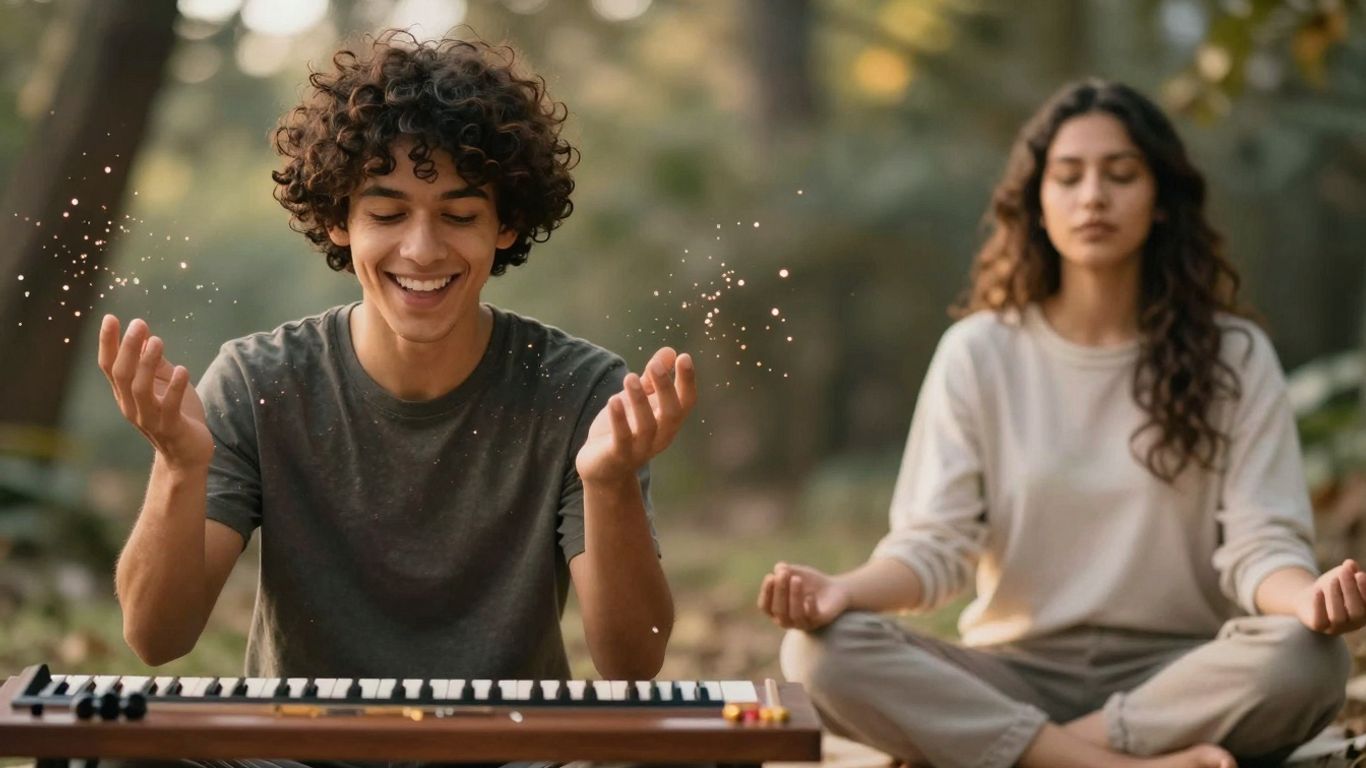
3. Micro-celebrations: notice your wins
Most of us finish a task and move straight to the next one. A micro-celebration is a brief, deliberate pause to register that something went well. It teaches your brain that the effort was worth it.
- Say “Done!” out loud and check it off a visible list.
- Do a quick fist pump or stretch.
- Put a marble in a jar or a sticker on a calendar.
- Text a friend: “I walked today.”
- Take 30 seconds to notice how good it feels to have finished.
Keep celebrations proportional and non-food. For more ideas, see Micro-Celebrations: how to mark progress so your brain wants more.
Other non-sugar rewards worth adding
- Movement. The NHS notes that exercise can reduce some of the emotional intensity of stress and help you think more clearly. Even a 10-minute walk counts.
- People. A call, a shared meal, or a walk with a friend. The NHS also suggests that helping others, even doing someone a small favour each day, may help build resilience.
- Making, not scrolling. Creative activities (cooking, drawing, writing, building) tend to leave you more satisfied than passive scrolling.
- Rest. Some sugar cravings are really tiredness. A short break, fresh air, or an earlier bedtime may be what you need.
A simple weekly reward plan
| Craving time | Non-sugar reward | Type |
|---|---|---|
| Mid-afternoon at work | 10-minute walk on a new route | Novelty + movement |
| After dinner | 15 minutes of guitar practice | Mastery |
| End of a long day | Tick off today’s wins on the calendar | Micro-celebration |
| Weekend afternoon | Try a new recipe with family | Novelty + connection |
For help timing these, see Dopamine Scheduling: time novelty and mastery to reduce sugar pulls.
You don’t have to give up sweets
This is about adding rewards, not banning treats. If you enjoy dessert, plan it, serve a reasonable portion, and eat it slowly. The NHS suggests that if you are not ready to give up favourite flavours, you can start by having less, for example one biscuit instead of two. As other rewards fill your day, many people find they want sweets less often without forcing it.
Keeping a craving scoreboard for a couple of weeks can show you which non-food rewards work best for you.
Frequently asked questions
How long before sweets feel less urgent?
It varies from person to person. Give a new routine a few weeks of steady practice before judging it, and look at your craving log rather than relying on memory.
What if I’m too tired for novelty or mastery?
Start with the smallest version: one new song, two minutes of practice, or a single tick on the calendar. On truly exhausted days, rest is the reward your body is asking for.
When to check with a professional
If low mood, lack of interest in things you used to enjoy, or constant cravings persist, talk to your doctor. These can have medical or mental health causes worth checking. If you have diabetes or another condition affected by sugar intake, follow the advice of your healthcare team.
Key takeaways
- Dopamine is part of the reward system, and many non-food activities engage it.
- Add small doses of novelty at the times you usually crave sweets.
- Practise one slightly challenging skill for 10 to 15 minutes most days.
- Mark wins with quick, non-food micro-celebrations.
- Keep enjoying treats on purpose, in smaller amounts if you like, while adding other rewards.