
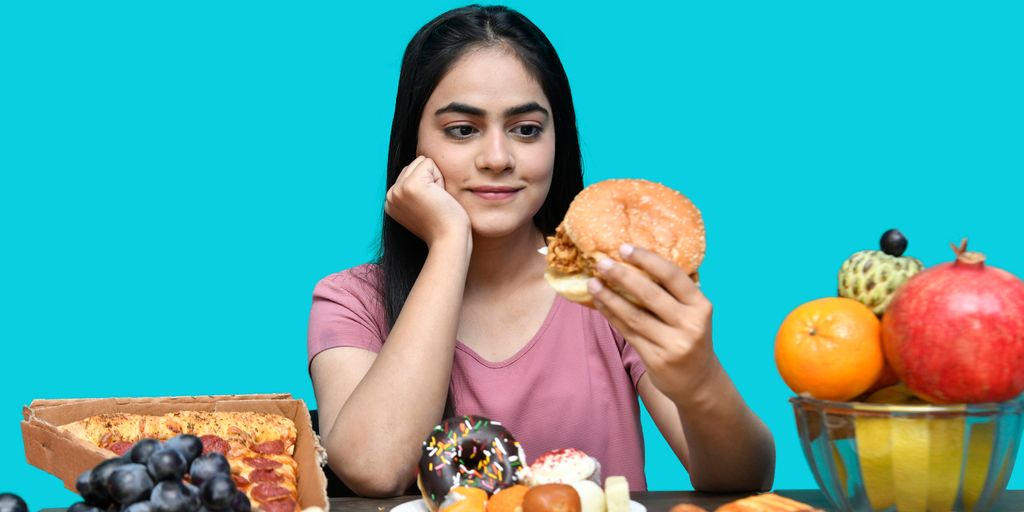
The “cheat meal” idea splits food into allowed and forbidden, so enjoying a favourite food starts to feel like breaking a rule. That often leads to guilt, overeating and a “start over Monday” cycle. A healthier approach is to make room for the foods you love as a normal, planned part of eating, enjoy them without guilt, and go back to your usual meals at the next meal, with no punishment or compensation.
What’s wrong with “cheating”?
The word itself sets up the problem. If you’re “cheating,” then the rest of the time you must be following strict rules, and any favourite food becomes a transgression. That frame tends to create three patterns:
- Restrict, then rebound. Long stretches of strict eating build up cravings, and the cheat meal turns into eating as much as possible “while it’s allowed.”
- Guilt afterward. Enjoying food is followed by shame, which makes the next meal or day feel ruined.
- Compensating. Skipping meals or adding punishing workouts to “make up for it,” which restarts the cycle.
This isn’t only theory. A study of a national sample of Canadian adolescents and young adults found that cheat meals were common (about 61% of male participants reported one in the past year), and that engaging in cheat meals was associated with patterns of eating disorder behaviours, including binge eating. The study shows an association, not cause and effect, but it’s a good reason to question the whole framework.
A different frame: food you enjoy is part of healthy eating
Canada’s Food Guide states plainly that enjoying your food is part of healthy eating. It mentions taste, culture and food traditions, and socializing at mealtimes as part of that enjoyment. Favourite foods aren’t a break from healthy eating. They belong in it.
Here’s how the two mindsets compare:
| “Cheat meal” mindset | Planned enjoyment mindset | |
|---|---|---|
| Language | Cheat, bad, earned, ruined | Favourite meal, treat, family dinner |
| Planning | Saved up as a reward after strict days | Built into a normal week |
| Amount | As much as possible before the rules come back | Until satisfied |
| Feelings | Excitement, then guilt | Enjoyment, then moving on |
| Afterward | Compensate or give up | Next regular meal |
Step 1: Change the words
Words shape how you feel about food. Swap “cheat meal” for neutral or positive terms:
- “Friday pizza night”
- “Mom’s lasagna”
- “Birthday cake”
- “My favourite takeout”
Also notice other loaded words like “good,” “bad,” “clean,” “junk,” “earned,” “deserve.” Describe the food instead: “rich,” “sweet,” “salty,” “filling.” It sounds small, but it takes moral judgment out of eating. Our article on overcoming all-or-nothing thinking explores this more.
Step 2: Make room for favourites on purpose
When you know a favourite food is coming, it loses some of its “now or never” pull. A few ways to build that in:
- Plan around real life. Birthdays, holidays, cultural celebrations and meals out with friends are natural times to enjoy special foods. Look at your week and notice which ones are coming.
- Include favourites in regular meals. A small piece of chocolate after lunch or real cheese on your pasta can prevent the build-up that leads to all-out eating later.
- Choose what you actually want. If you’re craving your local bakery’s croissant, a low-fat substitute you don’t enjoy usually won’t satisfy you. Have the croissant.
- Keep it one meal or one occasion. Not a “cheat day” or “cheat weekend.” Then go back to your usual meals at the next meal.
There’s no single right frequency. Some people like a weekly favourite meal; others prefer smaller amounts of favourite foods spread through the week. Notice what keeps you feeling satisfied and calm around food.
Step 3: Eat it mindfully
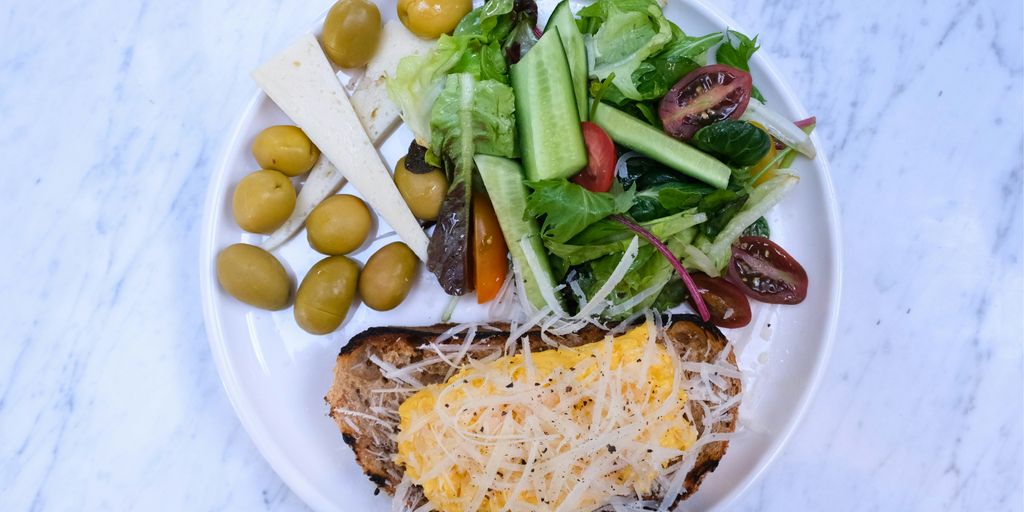
Enjoyment depends on attention. If you eat a favourite meal in front of a screen or in a rush, it’s over before you’ve really tasted it.
- Sit down and plate it. Avoid eating straight from the box or bag.
- Use your senses. Notice the smell, texture and flavour of the first few bites.
- Slow down. Put your fork down between bites now and then.
- Check in halfway. Ask: Am I still enjoying this? How full am I?
Canada’s Food Guide recommends that you pay attention to feelings of fullness and give your body time to digest and feel full before deciding to have seconds. That applies to favourite foods too. You can always have them again, so there’s no need to finish everything now. For more on this skill, see practising mindful eating for better health.
Step 4: Let go of guilt
Many people believe guilt keeps them on track. Research suggests kindness works better. In a series of experiments, people who responded to a personal mistake with self-compassion showed greater motivation to improve than people who didn’t. Being harsh with yourself after a meal doesn’t make the next meal better; it often makes it worse.
A short script for after a big or unplanned meal:
- “I ate more than I planned, and I enjoyed it.”
- “One meal doesn’t change my overall habits.”
- “My next meal will be a regular, balanced one.”
Step 5: Skip the compensation
After a big meal, the urge to “fix it” is common. Resist these:
- Skipping the next meal or the next day’s breakfast.
- Adding extra-long or extra-hard workouts as punishment.
- Starting a stricter diet “to make up for it.”
Instead, do the ordinary things:
- Eat your next meal at the usual time, with vegetables or fruit, a protein food and a whole grain.
- Drink water when you’re thirsty.
- Move the way you normally would. A walk is great because it feels good, not because it “burns off” the meal.
Signs it’s more than a mindset issue
Sometimes a “cheat meal” pattern is a sign of something that needs more support. Talk with a healthcare provider if you often:
- Feel out of control while eating, or eat very large amounts in a short time.
- Feel intense shame or distress after eating.
- Make up for eating by vomiting, using laxatives, fasting or exercising compulsively.
- Spend a lot of the day thinking about food rules, weight or your body.
In Canada, the National Eating Disorder Information Centre (NEDIC) offers a free helpline and live chat.
Quick takeaways
- “Cheat” language turns favourite foods into rule-breaking and fuels the restrict-binge-guilt cycle.
- Enjoying food is part of healthy eating, according to Canada’s Food Guide.
- Rename favourite meals with neutral words and plan them into real life.
- Keep it to one meal or occasion, eat it mindfully and stop when satisfied.
- Answer guilt with self-compassion, then return to your next regular meal.
- Don’t compensate by skipping meals or punishing yourself with exercise.
Frequently asked questions
Are cheat meals bad for you?
One large meal isn’t harmful for most people. The bigger issue is the mindset around it: strict restriction followed by “anything goes” eating and guilt. Treating favourite foods as a normal part of eating tends to be easier to sustain.
How often should I have a treat meal?
There’s no set rule. Notice what keeps you satisfied and calm around food. For many people, including small amounts of favourite foods regularly reduces the urge for big blowouts.
What if I overeat anyway?
That’s normal and happens to everyone sometimes. Skip the guilt and the compensation, and go back to your usual eating at the next meal.