
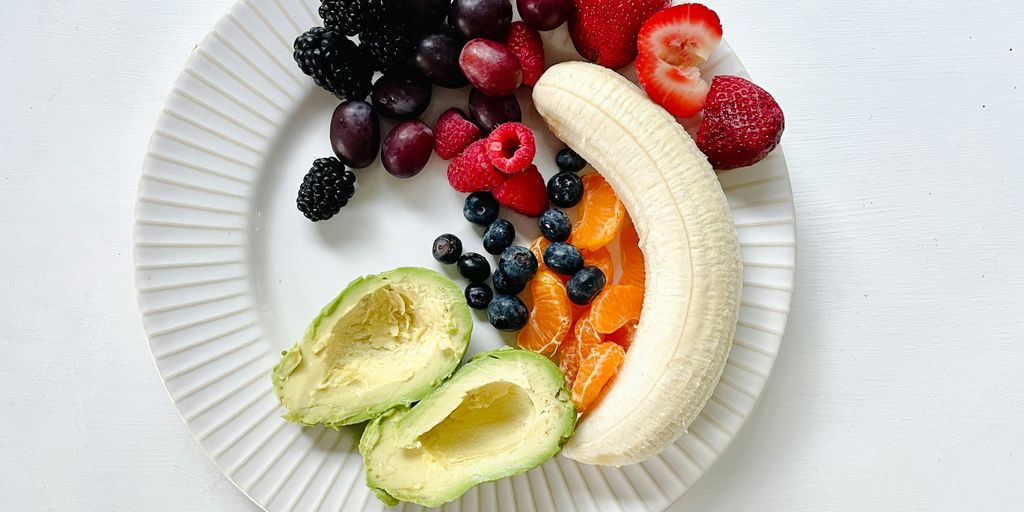
Consistent nutrition without obsession comes from a few repeatable anchors, such as regular meals, a simple plan and foods you actually like, rather than tight rules you have to police all day. Aim for “most days, most meals” instead of perfect days, and treat slip-ups as information, not failure. That is a habit you can keep for years, not weeks.
Why strict rules backfire
Rigid plans tend to fail in a predictable way. One “bad” meal turns into a “ruined” day, the day turns into a lost week, and you start over on Monday with even stricter rules. Long-term reviews of calorie-restricting diets have found that one third to two thirds of dieters regain more weight than they lost, which is a strong hint that the strict-diet model itself is part of the problem.
Obsession also takes up mental space. If you are counting, checking and second-guessing every bite, food starts to feel like a test you keep failing. Consistency should feel calmer than that. If you recognise the all-or-nothing pattern, our article on the all-or-nothing mindset goes deeper.
What consistency really looks like
Consistency is not eating the same thing every day or hitting exact numbers. It is a rhythm your body can count on.
| Obsessive version | Consistent version |
|---|---|
| Weighing and logging every bite, forever | Using tracking briefly to learn, then stepping back |
| Foods sorted into “allowed” and “forbidden” | Most meals built from whole foods, with room for treats |
| Skipping meals to “make up” for yesterday | Eating your next normal meal at the normal time |
| Starting over every Monday | Picking back up at the very next meal |
| Judging the day by the scale | Judging the week by your habits |
Use the 80/20 idea as a guide, not a rule
A helpful way to think about balance is that roughly 80% of your eating is built around nourishing basics (vegetables, fruit, whole grains, protein foods, water) and roughly 20% is flexible. That flexible part includes birthday cake, a meal out with friends or the snack you just felt like having. The numbers are not something to calculate. They are a reminder that a healthy pattern has room in it, and that one treat does not undo a week of good choices.
Build a few anchors
Habits form when you repeat the same action in the same situation. A review on the psychology of habit formation describes how linking a behaviour to a consistent cue, like a time of day or an existing routine, helps it become automatic. In the study it discusses, automaticity levelled off after about 66 days on average, with wide variation between people. Just as useful: missing the occasional day did not seriously derail the process.
Pick two or three anchors to start:
- A regular breakfast. Something you can make on autopilot, like oatmeal with fruit and yogurt, or eggs and toast.
- A planned lunch. Packing leftovers the night before removes a daily decision.
- A vegetable at dinner. Frozen vegetables count and take minutes.
- A water bottle at your desk or in the car. Refill it at the same times each day.
- An afternoon snack. A planned snack prevents arriving at dinner overly hungry.
Attach each anchor to something you already do: “after I drop the kids off,” “when I start my computer,” “while dinner is cooking.”
Plan lightly
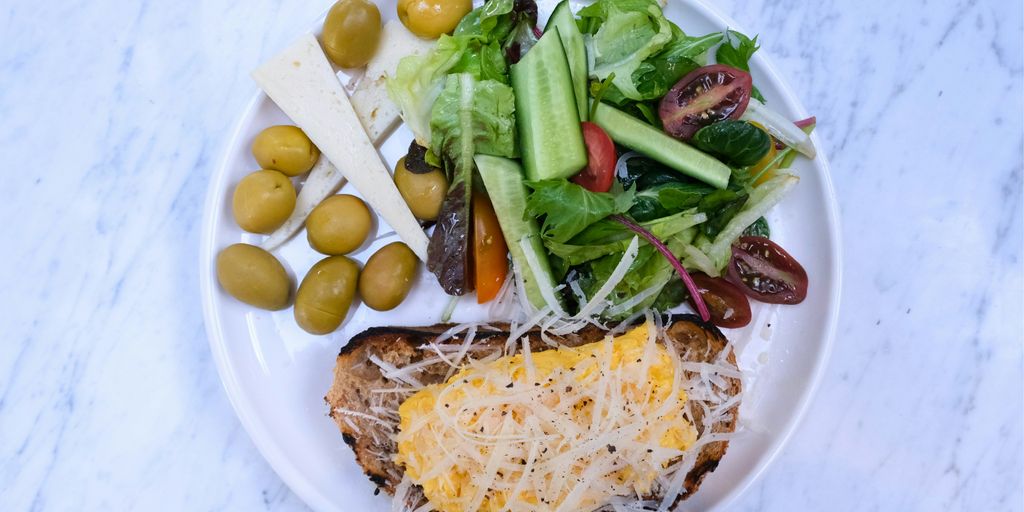
A little planning prevents most of the chaos that leads to all-or-nothing eating. You don’t need a colour-coded spreadsheet.
- Choose three or four dinners for the week. Leave the other nights for leftovers or something simple.
- Write a short grocery list. Include easy breakfasts, snacks and a few “backup” meals.
- Prep one or two things. Wash fruit, cook a pot of rice or lentils, or chop vegetables for two days.
- Keep a “no-energy meal” in reserve. Examples: a bean and cheese quesadilla with salsa, or frozen vegetables tossed with pasta and canned salmon.
For more practical ideas, see our meal prep tips.
Listen to hunger and fullness
Consistency includes eating enough. Long gaps without food or very low intake usually lead to intense hunger later, which makes calm choices harder. Canada’s Food Guide encourages being mindful of your eating habits: taking time to eat and noticing when you are hungry and when you are full. A simple check-in before and halfway through a meal (“How hungry am I right now?”) is enough to start.
Use numbers as tools, not judges
Calorie counts, macros and step counts can teach you a lot, but they are estimates. Labels can be off, and your needs change day to day with activity, sleep and stress. Some practical guardrails:
- If you track, do it for a set period (for example two weeks) to learn, then pause.
- Let daily numbers vary. Look at weekly averages instead.
- Avoid drastic cuts. Very low intake is hard to sustain and often leads to rebound eating.
- If tracking makes you anxious or obsessive, stop. That is a sign it isn’t serving you.
Handle setbacks without starting over
Every consistent eater has off days. What matters is how quickly you return to normal.
- Skip the compensation. Don’t skip the next meal or overexercise to “pay” for a big one. Just eat your next regular meal.
- Get curious. Ask what led to it: Were you overly hungry? Tired? Stressed? Was there no plan?
- Adjust one small thing. If evenings are hard, add a planned afternoon snack. If weekends drift, plan one weekend meal.
- Talk to yourself like a friend would. Harsh self-talk tends to fuel the next round of all-or-nothing eating.
Our article on consistency over perfection has more on this mindset.
Signs you have tipped into obsession
Paying attention to nutrition is healthy. These signs suggest it has become too much:
- You feel anxious or guilty when you can’t eat “perfectly.”
- You turn down social plans because of food.
- Food thoughts take up much of your day.
- You regularly cycle between strict control and eating past comfort.
If several of these feel familiar, ease off the rules and consider talking with your doctor or a registered dietitian. If you are worried about disordered eating, the National Eating Disorder Information Centre (NEDIC) offers free, confidential support in Canada.
Takeaways
- Aim for “most days, most meals,” not perfect days.
- Choose two or three anchor habits and tie each to an existing routine.
- Plan lightly: a few dinners, a short list, one backup meal.
- Eat regularly and enough so hunger doesn’t take over later.
- Use numbers to learn, then step back.
- After an off day, return at the very next meal, with no compensation.
FAQ
How long does it take for healthy eating to feel automatic?
It varies a lot. Research on habit formation suggests around two months on average for a single daily habit, but some people are faster and some slower. Start with one habit and add more once it feels easy.
Do I need to track calories to be consistent?
No. Tracking can be a useful short-term learning tool, but plenty of people stay consistent with regular meals, a simple plan and attention to hunger and fullness.
What if my weekends always fall apart?
Plan one or two weekend meals ahead, keep your usual breakfast, and allow flexibility for the rest. A looser weekend is fine as long as Monday doesn’t become a restart.