
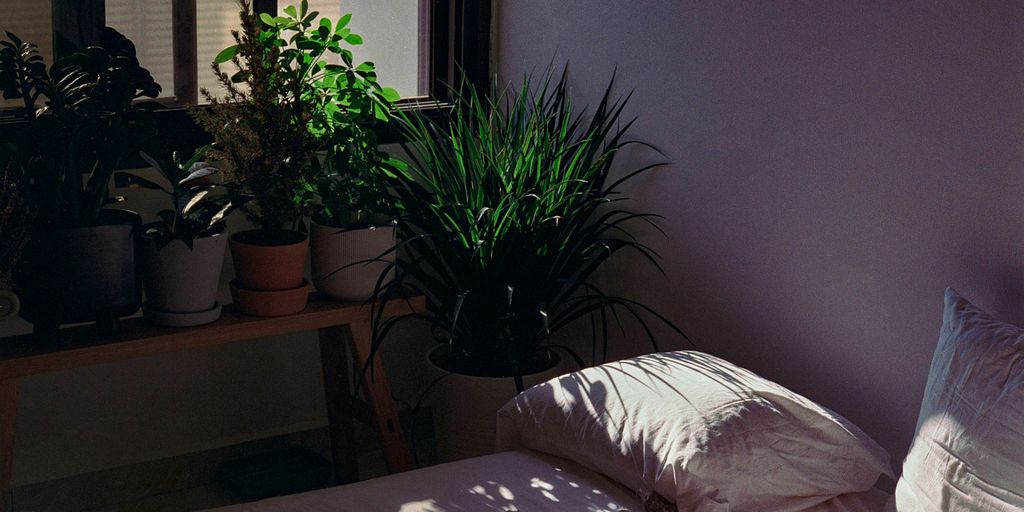
Many cravings are not random. They are often set off by cues in your surroundings: the sight of food on the counter, the dim light and sound of the TV in the evening, the smell of a bakery on your commute. Once you know which cues trigger you, you can change the setting itself, which is usually easier than relying on willpower in the moment.
How cues create cravings
When a place, sound or smell is repeatedly paired with eating, your brain starts to link the two. Over time the cue alone can spark anticipation and a desire to eat, even when you are not hungry. A meta-analysis of 45 published reports in Obesity Reviews found that reactivity to food cues and the craving that follows had a medium-sized effect on eating behaviour and weight gain. It also found that visual cues such as pictures and videos of food had an effect similar to real food being present, and a stronger effect than smell cues.
That is useful news. It means what you see matters a lot, and what you see is one of the easiest things to change.
Step 1: Map your cue hotspots
For one week, jot down each time you have a craving or eat when you are not truly hungry. Note:
- Where you were (kitchen, car, desk, couch)
- What you saw (food out on the counter, an ad, a social media post)
- What you heard (TV, a particular show, background noise, silence)
- What you smelled (cooking, a café, a coworker’s lunch)
- The lighting and time (bright afternoon, dim evening, late night)
- How you felt (tired, bored, stressed, lonely)
Most people find two or three patterns repeat. Those are where your changes will pay off most. If feelings show up again and again in your notes, our article on emotional eating may help you work with that side.
Step 2: Change what you see
Because visual cues are so powerful, start here.
- Clear the counters. Move cookies, chips and candy into a cupboard or an opaque container. Out of sight really does help.
- Put the better option at eye level. Keep a bowl of washed fruit on the table and cut vegetables at the front of the fridge.
- Store treats in less convenient spots. A high shelf or the back of the pantry adds just enough effort to make you pause.
- Edit your feeds. Mute or unfollow food accounts that leave you craving rather than inspired to cook.
- Set up your desk. Keep a water bottle in view and food in a drawer.
Step 3: Adjust lighting
Lighting itself does not make you hungry, but it often becomes part of a routine. For many people, a dim living room in the evening means “TV and snacks.” Try these experiments and see what changes for you:
- Eat meals at a well-lit table instead of in a dim room in front of a screen.
- Turn off the kitchen light after dinner as a signal that the kitchen is closed for the night.
- Switch to a warm reading lamp in the evening and pair it with a non-food ritual like a book or a puzzle.
Step 4: Change the soundtrack
Sound cues work the same way. If a particular show, podcast or the sound of the TV is tied to snacking, the cue may be the soundtrack rather than true hunger.
- Swap the show you usually snack through for one you watch while doing something with your hands, like folding laundry or stretching.
- Eat meals without background TV. Research on distracted eating shows that people tend to eat more both during and after a distracted meal (American Journal of Clinical Nutrition review).
- If the house feels too quiet in the evening and you notice you head to the kitchen, try calm music or a phone call to a friend instead.
Step 5: Manage smells
Smell cues were weaker than visual ones in the meta-analysis above, but they can still nudge you, especially when you are tired or hungry.
- Take a different route on your commute if you always walk past a bakery or fast-food spot.
- Eat a planned snack before you go somewhere you know will smell tempting, like a mall food court.
- After cooking, wipe counters, wash up and run the fan so the kitchen smell doesn’t pull you back.
- Use pleasant non-food scents you enjoy, such as fresh air from an open window or a cup of peppermint herbal tea, to mark a fresh start after a meal.
Step 6: Build in a little friction
Friction means making the unwanted habit slightly harder and the wanted one slightly easier. A few seconds of extra effort is often enough to break an automatic loop.
| Cue situation | Add friction to | Remove friction from |
|---|---|---|
| After-dinner TV | Snacks: store them in the basement or a high cupboard | Herbal tea: leave mug and tea bags out |
| Work afternoon slump | Vending machine: leave coins at home | Fruit and nuts: pack them in your bag |
| Coming home hungry | Grabbing whatever’s open: keep packages closed | A ready snack: yogurt or hummus and vegetables at the front of the fridge |
| Late-night scrolling | Food apps: move them off your home screen | Bedtime: charge your phone outside the bedroom |
Step 7: Plan your response with “if-then”
You won’t be able to remove every cue. For the ones you can’t change, decide ahead of time what you’ll do. Write a simple plan: “If I smell popcorn at the office, then I’ll drink a glass of water and walk to the far end of the floor.” “If I feel a craving after dinner, then I’ll wait 10 minutes and check whether I’m actually hungry.” Planned responses take the decision out of a tired moment. Our guide to managing cravings has more strategies for riding out the urge.
Build new cues for habits you want
Environmental design works in both directions. You can create cues that pull you toward healthy habits:
- Leave walking shoes by the door.
- Set a fruit bowl where you put your keys.
- Pre-fill a water jug and keep it in the fridge.
- Lay out your lunch container the night before.
These are small, but repeated in the same place every day they become automatic. For more on that process, see our post on building healthy habits.
Be patient with the process
Cues that have been linked to eating for years won’t fade after one evening. Expect cravings to show up even after you change your setting, and expect them to become less frequent as the old link weakens. Change one or two things at a time and review your notes after two weeks to see what’s working.
Key takeaways
- Cravings are often triggered by what you see, hear and smell, not just by hunger.
- Visual cues are especially strong, so start by changing what’s on your counters and screens.
- Notice lighting and sound routines that have become linked to snacking, and change them.
- Add a little friction to the habits you want less of and remove it from the ones you want more of.
- Use “if-then” plans for cues you can’t avoid.
- Create new visible cues for the habits you’re building.
FAQ
Isn’t this just avoiding temptation?
Partly, and that’s a smart strategy. Willpower is limited, especially when you are tired. Changing your setting means you need less of it.
Can feelings be cues too?
Yes. Stress, boredom and loneliness can act as internal cues. Track them alongside your surroundings, since they often show up together.