
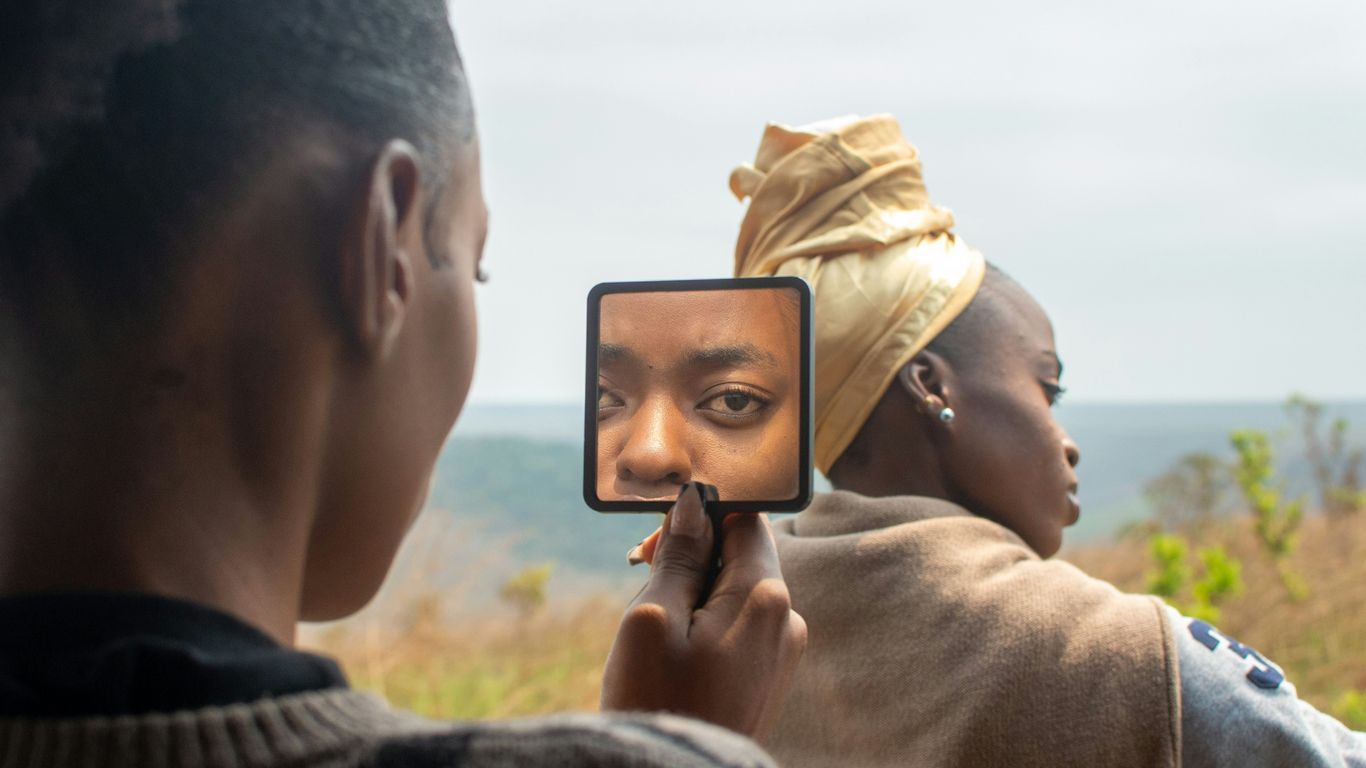
Future-self visualization is a short, regular practice of picturing yourself a few months or years from now, living with the health habits you are building, and then linking that picture to one action today. It works best when you pair the vision with honest thinking about obstacles, tie it to everyday reminders in your surroundings, and check in weekly on whether your actions match. Below you will find three guided scripts, ideas for environmental anchors and a simple check-in routine.
Why picturing your future self can help
Many health choices involve a trade-off between now and later: the couch now or more energy later, the second helping now or feeling comfortable later. People who feel more connected to their future self tend to make choices with that future self in mind. In one set of studies, people who felt more continuity with their future self reported better health, and those randomly assigned to write a letter to themselves 20 years in the future exercised more in the days that followed than those who wrote to a self only three months ahead.
There is one important caution: a pleasant picture on its own is not a plan. Pairing the vision with a realistic look at obstacles and a concrete next step gives it something to work with. A meta-analysis of this approach, called mental contrasting with implementation intentions, found it improved goal attainment with a small to moderate effect. The scripts below build that step in.
Three guided scripts
Read a script slowly, or record yourself reading it and play it back. Each takes three to five minutes. Sit comfortably, close your eyes if that feels okay and take three slow breaths before starting.
Script 1: A day in the life (one year from now)
Picture yourself waking up one year from today. Notice how your body feels as you get out of bed: your energy, your joints, your breathing. Walk into the kitchen. What do you make for breakfast? Notice how easy it feels, because this is simply what you do now.
Move through your morning. See yourself heading out for a walk, or carrying groceries up the stairs, or playing with someone you love. How does your body move? What are you wearing? Who is with you?
Now picture the evening. You are winding down at a reasonable hour. Notice how you feel about the day.
Now think honestly: what is the biggest thing that could get in the way of becoming this person? See it clearly. Then picture what this future you does when that obstacle shows up. What is one small thing you can do today that this future you would thank you for?
Script 2: A letter from your future self (ten or twenty years from now)
Instead of visualizing silently, write. Take a sheet of paper and write a letter from yourself ten or twenty years from now, addressed to you today. Include:
- What your future self is grateful you started doing.
- What they can still do because you looked after your health.
- One hard moment they remember pushing through.
- One piece of advice for this week.
Keep the letter somewhere you will see it again, and re-read it once a month.
Script 3: The two-minute moment-of-choice script
Use this when you are about to make a choice you might regret.
- Pause. Take one slow breath.
- Picture yourself one hour from now. How will you feel if you choose option A? Option B?
- Picture yourself one year from now, if choices like this one became your pattern.
- Ask: “What would the person I’m becoming do right now?”
- Do the smallest version of that.
Environmental anchors
An anchor is a cue in your surroundings that brings your future-self picture to mind without effort. Habit research shows that behaviours become automatic when they are repeated in response to the same cues in your environment, so placing reminders where your key choices happen gives the vision a chance to show up at the right moment.
| Where | Anchor idea |
|---|---|
| Bathroom mirror | A sticky note with one sentence from your future-self letter |
| Fridge or pantry door | A photo of something you want to be able to do (a hiking trail, a family activity) |
| Phone lock screen | A short phrase such as “One year from now, I’ll thank you” |
| Car | A card in the visor with your top value and one-line vision |
| Bedside | Your written vision to read for one minute before sleep |
| Walking shoes by the door | A physical reminder of your future active self |
Change anchors every few weeks. Notes and photos fade into the background once they become too familiar.
Weekly check-ins
A check-in keeps the vision honest. It is not a test of whether you have “become” your future self yet. It is a quick look at whether this week’s actions are pointing in the right direction. Set aside ten minutes each weekend.
- Re-read your vision. Does it still feel right? Edit anything that no longer fits.
- List three actions from this week that your future self would appreciate, however small.
- Name one moment that pulled you off track. What was the obstacle? Was it the one you predicted?
- Plan for next week. Write one if-then plan for that obstacle: “If ___ happens, then I will ___.” Our guide to if-then planning for high-risk windows walks through this in detail.
- Rate your connection to your future self from 1 to 10. If it is dropping, try a different script or refresh your anchors.
Making it fit real life
- Keep it short. Two or three minutes a day is plenty. A long session you skip helps less than a short one you do.
- Make it specific. “Healthy and happy” is hard to picture. “Walking to the lookout with my sister without stopping” is vivid.
- Focus on what you can do, not only how you look. Abilities, energy and relationships tend to be steadier motivators than appearance.
- Link it to your values. If you have done a values exercise, weave your top values into the picture. Our values clarification card sort is a good starting point.
- Practise acting the part. Ask “What would my future self do here?” in small daily moments. Each small “yes” is practice at being that person.
Common obstacles
“I can’t picture anything clearly.” That is common. Use the letter-writing script instead, or describe the scene in words rather than images.
“It makes me feel bad about where I am now.” Shift the focus from the gap to the next step. Your future self is built from small actions, not from criticism of your present self.
“I forget to do it.” Attach the practice to something you already do daily, such as brushing your teeth or your morning drink of water.
Quick takeaways
- Picture a specific, realistic future self, then name the main obstacle and one action for today.
- Try a letter from your future self; re-read it monthly.
- Place anchors where your key choices happen, and refresh them every few weeks.
- Check in weekly with five short questions and one if-then plan.
- Keep sessions to a few minutes so you actually do them.
FAQ
How far ahead should I picture?
Use both. One year ahead is concrete and close enough to plan for; ten to twenty years ahead can strengthen your sense of connection to who you are becoming.
Is visualization enough on its own?
No. It works best paired with honest obstacle planning and small daily actions. Think of it as the reason, and your habits as the method.