
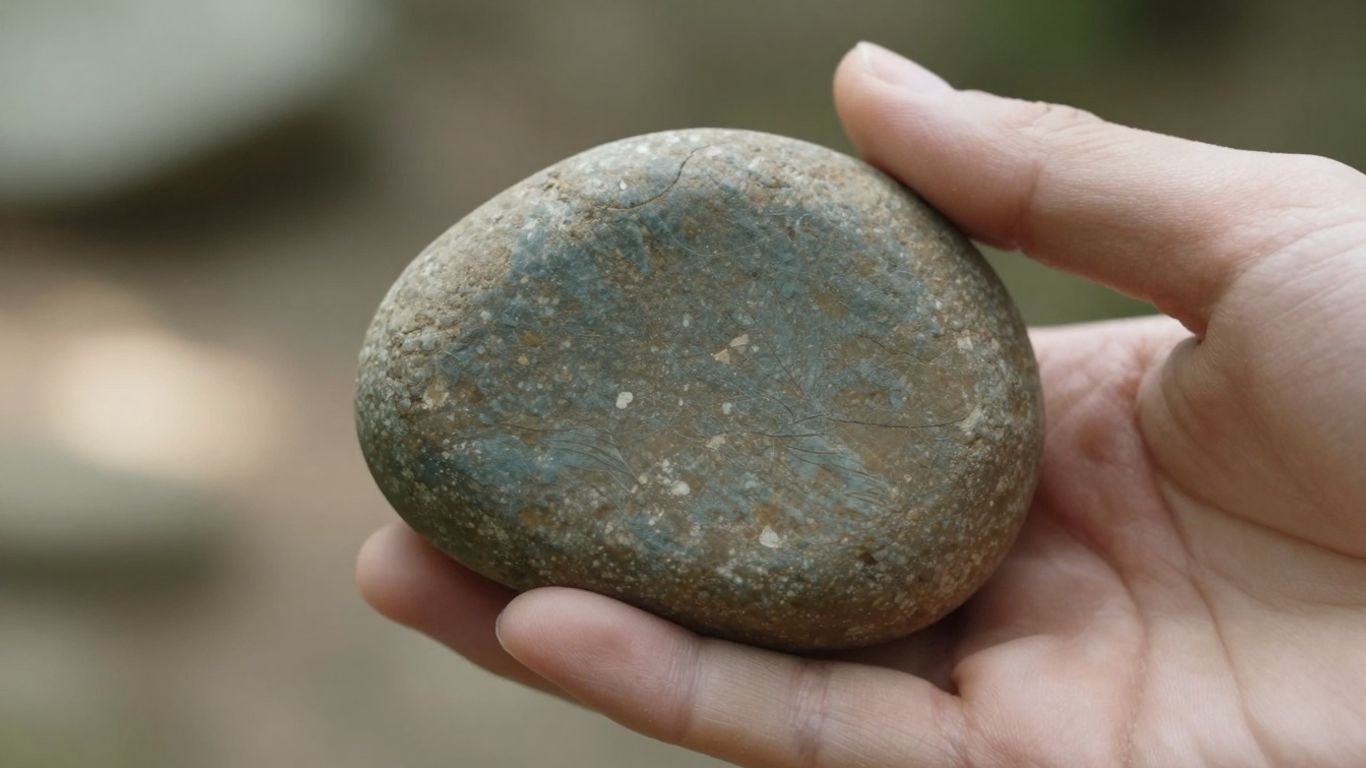
Identity anchors are everyday objects and small rituals that remind you of the person you’re working to become, such as someone who moves daily, cooks real food or treats their body with respect. They work as visible cues: a pair of walking shoes by the door, a note on the mirror, a two-minute morning routine. Each one prompts a small action, and repeating those actions is what gradually makes the new identity feel like yours.
Why identity matters for health habits
Goals like “lose 10 pounds” focus on an outcome. Identity focuses on who you are: “I’m someone who takes care of my body.” When a habit fits your sense of self, it tends to feel less like a chore and more like simply being you.
Identity and action build on each other. In a three-month study of parents who started a sport or physical activity program, researchers found that both physical activity identity and habit increased over time among participants, especially in the team sport group. In other words, doing the behaviour regularly helped people see themselves as active, not just the other way around.
Anchors give you more chances to do that behaviour. They’re reminders placed exactly where you’ll see them.
Step 1: Name who you’re becoming
Start with one or two short identity statements. Keep them specific, positive and believable:
- “I’m someone who moves every day.”
- “I cook simple, nourishing meals for myself and my family.”
- “I treat my body with patience and respect.”
- “I’m a person who rests when I need it.”
If you want help writing and testing these, see identity statements that stick.
Step 2: Choose object anchors
Object anchors are physical things you see or touch that point to your new identity. The best ones are visible, easy to act on and placed right where the behaviour happens.
| Identity | Object anchor | Where to put it |
|---|---|---|
| “I move every day” | Walking shoes, a resistance band, a yoga mat | By the door, beside the couch, rolled out in the bedroom |
| “I eat more vegetables” | A bowl of washed fruit, a container of cut vegetables | Front of the fridge, kitchen counter |
| “I drink enough water” | A favourite water bottle | Desk, car cup holder, nightstand |
| “I’m kind to myself” | A card with a kind phrase, a smooth stone | Bathroom mirror, pocket, purse |
| “I plan my meals” | A meal-planning notepad and pen | On the fridge or kitchen table |
Sentimental objects can work too: a photo of you on a hike you loved, a bracelet from someone who believes in you, a small item from a place that felt peaceful. These remind you of your values and of what you’re working toward.
The NHS suggests a related idea for building self-esteem: write down positive things about yourself and put your list somewhere you can see it, adding to it regularly. A list of your own wins, posted where you’ll read it daily, is a powerful anchor.
Step 3: Build ritual anchors
Rituals are short, repeated actions that connect you to your identity. They work best when attached to something you already do every day, in an “after I… I will…” format. Research on planning in this “if-then” style shows that it helps people follow through on healthy eating intentions.
Morning rituals
- After I turn off my alarm, I’ll drink a glass of water.
- After I make my bed, I’ll stretch for two minutes.
- After I get dressed, I’ll read my identity statement out loud.
Mealtime rituals
- Before I eat, I’ll take one slow breath and look at my plate.
- When I set the table, I’ll add a vegetable to every plate.
Evening rituals
- After dinner, I’ll go for a short walk.
- Before bed, I’ll write one thing I did today that fits who I’m becoming.
- When I brush my teeth, the kitchen is closed for the night.
Keep each ritual tiny at first. Two minutes done daily builds more identity than an hour done once.

Step 4: Use clothing and surroundings
What you wear and how your space is arranged also send signals. Some ideas:
- Lay out comfortable activity clothes the night before.
- Wear clothes that fit you well today, rather than waiting for a future size.
- Keep your kitchen counter clear except for fruit or a cutting board.
- Put healthy cookbooks where you can see them instead of tucked away.
- Make one corner of your home a calm spot for reading, prayer, journalling or stretching.
For more on placing prompts where they’ll work, read cue design.
Step 5: Mark your wins
Each time you act on an anchor, you’re casting a small vote for your new identity. Make those votes visible:
- Put a check mark on a wall calendar for each day you complete a ritual.
- Keep a jar and add a bead or marble each time you take a walk.
- Write down weekly wins and read them on Sunday.
Celebrating small wins helps them stick. This article on celebration design has ideas that don’t involve food rewards.
Keep anchors fresh
Anchors can fade into the background once you’re used to them. If a reminder stops working:
- Move it. A new spot gets noticed again.
- Change it. Swap the note for a new phrase or a photo.
- Raise the challenge slightly. Two minutes of stretching can become five.
- Retire it. If a habit is now automatic, you may not need the anchor anymore. Choose a new identity area to work on.
A quick setup checklist
- Write one identity statement.
- Choose one object anchor and place it where the behaviour happens.
- Attach one tiny ritual to something you already do daily.
- Pick one way to mark wins.
- Review in two weeks: keep, move or change your anchors.
Key takeaways
- Identity anchors are visible objects and small rituals that prompt actions matching who you want to be.
- Repeated actions help the identity grow, so make the action easy and frequent.
- Place object anchors exactly where the behaviour happens.
- Attach rituals to existing routines using “after I… I will…”
- Track and celebrate small wins, and refresh anchors when they fade.
FAQ
How many anchors should I start with?
One or two. Too many reminders compete for attention and quickly become clutter. Add another only once the first feels easy.
What if I don’t believe my identity statement yet?
That’s normal at the start. Make it a “becoming” statement, such as “I’m becoming someone who walks most days,” and let your daily actions supply the proof.
Can anchors help on bad days?
Yes. On low-energy days, do the smallest version of your ritual: put on the walking shoes and step outside for two minutes, or read your statement once. Keeping the chain going matters more than the size of the action.