
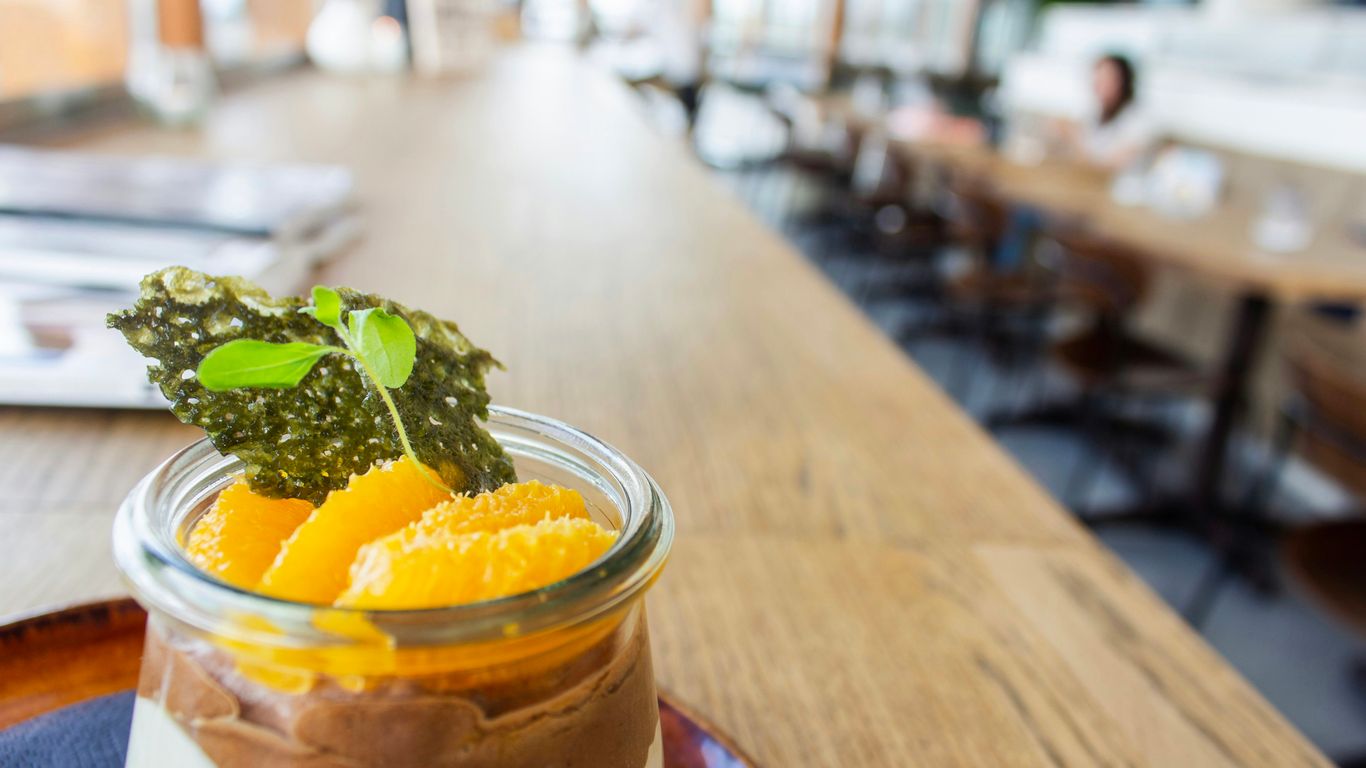
The most satisfying low-sugar desserts do not just swap sugar for a substitute. They rebuild what sugar was doing: adding moisture, tenderness and browning, and carrying flavour. Use fruit, spices, vanilla, a little acid, and some protein, fibre and healthy fat, and you can cut added sugar a lot while still enjoying dessert.
This guide covers how to reduce sweetness gradually, when sweeteners help, how to fix texture problems, and simple low-sugar treats to try.
Why cut added sugar, and how much
The NHS explains that too much sugar can contribute to excess calories and weight gain and to tooth decay. Its guideline is that “free sugars” (sugars added to food plus those in honey, syrups and juice) should be no more than 30 g a day for adults, roughly seven sugar cubes. Sugars found naturally in whole fruit, vegetables and milk do not count toward that limit, which is why fruit is such a useful dessert ingredient.
Step 1: Train your taste, not just your recipes
Canada’s Food Guide takes a clear position on sugar substitutes: they are not needed to help you eat less sugar, they still keep foods tasting very sweet, and they may replace healthier foods. Its advice is to get used to less sweetness and to flavour foods with fruit, cinnamon, nutmeg or vanilla.
A practical way to do that:
- Pick one favourite recipe and cut the sugar by one-quarter. Most baked goods still work well.
- After a few weeks, try cutting by one-third.
- Add flavour boosters (below) each time you cut sugar, so the dessert still tastes complete.
Step 2: Use flavour boosters that make less sugar taste like more
- Warm spices: cinnamon, nutmeg, cardamom, ginger and allspice create a sense of sweetness without sugar.
- Extracts: vanilla, almond and orange extracts add aroma that makes a less-sweet dessert taste fuller.
- Citrus zest and a little acid: lemon or orange zest and a squeeze of juice make fruit taste brighter and sweeter.
- A pinch of salt: a small amount rounds out sweetness, especially in chocolate and caramel-style flavours.
- Toasting: toasted nuts, oats and coconut add deep, nutty flavour.
- Unsweetened cocoa: rich flavour for very little sugar.
Step 3: Rebuild texture
Sugar holds moisture, tenderizes crumbs and helps browning. When you remove some, replace those jobs:
| Problem | Why it happens | Fix |
|---|---|---|
| Dry, crumbly baked goods | Less sugar means less moisture held in the crumb | Add ¼–½ cup mashed banana, unsweetened applesauce, pumpkin purée or plain Greek yogurt; check doneness a few minutes early |
| Pale colour | Less browning | Brush tops with milk or beaten egg; bake on a middle rack |
| Dense, flat cakes | Sugar helps trap air when creamed with fat | Whip egg whites separately and fold in; do not overmix |
| Gritty texture with granular sweeteners | Some sweeteners do not dissolve fully | Use a powdered form or blend granules fine before using |
| Cooling aftertaste | A trait of some sugar alcohols such as erythritol | Use a smaller amount and combine with fruit or a little real sugar |
Add protein, fibre and healthy fat
These make a smaller sweet portion more filling:
- Protein: Greek yogurt, cottage cheese, ricotta, eggs, milk.
- Fibre: oats, whole wheat or oat flour, ground flax, chia seeds, berries, pears with skin.
- Healthy fat: nuts, nut butters, seeds, avocado (in chocolate pudding).
Step 4: Use sweeteners thoughtfully, if at all
Health Canada regulates sugar substitutes as food additives and says they must meet strict safety controls. They can be useful when you are adapting a recipe, but keep a few things in mind:
- Stevia and monk fruit are very concentrated, so products often contain bulking agents. Follow the package’s conversion guide.
- Sugar alcohols (erythritol, xylitol, sorbitol, maltitol) add bulk. Health Canada notes that eating too much of them can cause stomach discomfort and laxative effects, especially when you eat several products containing them. Sensitivity varies from person to person.
- Xylitol is toxic to dogs. Store and serve it carefully if you have pets.
- Blending works best: a small amount of real sugar or maple syrup with fruit purée often tastes better than a full substitute.
- Honey, maple syrup, dates and coconut sugar are still added sugars and count toward your daily limit.
Step 5: Pair dessert with a meal
Having dessert right after a balanced meal that includes protein, fibre and vegetables, rather than on its own as a snack, means you come to it less hungry, so a small portion is easier to enjoy and stop at. Serving size matters too: a small bowl or a single square plated and enjoyed slowly is more satisfying than eating from the container.
Eight low-sugar dessert ideas
- Baked cinnamon apples or pears: core, fill with oats, chopped walnuts and cinnamon, and bake until soft. Serve with plain yogurt.
- Berry chia pudding: chia seeds, milk, mashed berries and vanilla, chilled overnight.
- Frozen banana “nice cream”: blend frozen banana with cocoa or peanut butter until creamy.
- Greek yogurt parfait: plain yogurt layered with berries, toasted oats and a little orange zest.
- Chocolate avocado mousse: blend ripe avocado, unsweetened cocoa, a ripe banana, vanilla and a pinch of salt.
- Oat and banana cookies: mashed banana, oats, cinnamon and a few dark chocolate chips.
- Pumpkin pie cups: pumpkin purée, eggs, milk and pumpkin pie spice baked in ramekins with half the usual sugar.
- Grilled or roasted fruit: peaches, pineapple or plums, finished with lime and a spoon of yogurt.
For more ideas that use frozen fruit, see frozen fruit desserts without added sugar. For sweet-heavy seasons, try enjoying traditions with guardrails.
When to check with a professional
If you have diabetes or prediabetes, talk with your doctor, diabetes educator or a registered dietitian about how desserts fit into your meal plan and how to check your own response. If thinking about sugar or desserts causes you significant anxiety, guilt or a cycle of restricting and overeating, reach out to a healthcare provider or NEDIC for support.
Quick takeaways
- Lower sugar gradually, starting with a one-quarter cut in familiar recipes.
- Replace sugar’s jobs: moisture from fruit purées and yogurt, flavour from spices, vanilla and zest.
- Add protein, fibre and healthy fat so smaller portions satisfy.
- Use sweeteners sparingly and watch for digestive effects from sugar alcohols.
- Enjoy dessert after a balanced meal, in a set portion, and savour it.
FAQ
Are low-sugar desserts only for people with diabetes?
No. Cutting back on added sugar is a sensible goal for most people, and desserts built on fruit, spices, whole grains and protein suit almost anyone. People with diabetes should still follow the meal plan they have worked out with their healthcare team.
Do I need special flours?
Not necessarily. Replacing up to half of the all-purpose flour with whole wheat or oat flour adds fibre and a nutty flavour in most muffins, cookies and quick breads. Almond flour works too, but it browns faster, so watch the oven.
Why does my low-sugar cake taste flat?
Usually it is missing aroma and contrast. Add vanilla, a pinch of salt and some citrus zest or warm spice before adding more sweetener.