

A micro-win is a small, specific action you can finish today, such as filling a water bottle, adding a vegetable to lunch or walking for ten minutes. Each one on its own is minor. Repeated in the same setting, these actions turn into habits, and a written record of them becomes evidence that you are the kind of person who looks after your health. This article shows how to choose micro-wins, set them up so they happen, and use them to build momentum.
Why small wins work better than big resolutions
Big goals (“lose 20 pounds”, “work out every day”) are useful for direction, but they give you very little to succeed at on any single day. Micro-wins break the goal into actions small enough that you can do them on a tired, busy or low-motivation day.
The research on habit formation supports this. A review in the British Journal of General Practice describes habits as actions triggered automatically by a familiar context, built by repeating a behaviour in the same situation. In the study it discusses, automaticity rose fastest early on and levelled off after an average of about 66 days, simpler actions became automatic sooner than complex ones, and missing a single day did not undo progress. The authors recommend aiming for small and manageable changes, because failure can be discouraging.
That gives you three practical rules:
- Make it small. Simple actions turn into habits faster.
- Tie it to a cue. Repeat it in the same place or after the same daily event.
- Don’t panic over a missed day. One miss does not erase the habit you are building. Restart at the next cue.
How micro-wins shape identity
Most people try to change how they see themselves by thinking differently first. It usually works better the other way around. Every time you do a small health action, you add one more piece of evidence about who you are. “I’m someone who eats breakfast” becomes believable after you have eaten breakfast on twenty mornings, not after you have decided to be that person.
So the aim of a micro-win isn’t how much it achieves on its own. Its value is that it is a vote for the identity you want. Ten minutes of walking won’t change your fitness this week. Ten minutes most days for two months gives you proof that you are a person who moves.
If identity work interests you, how to set identity-based health goals covers it in more depth.
Step 1: Choose two or three micro-wins
Begin with no more than three. Pick actions that are:
- Binary: you either did it or you didn’t (no “sort of”).
- Doable in under five minutes, or at your lowest-energy level.
- Linked to your bigger goal, such as eating more plants, sleeping better or moving more.
| Bigger goal | Micro-win | Cue |
|---|---|---|
| Eat more vegetables | Add one handful of vegetables to lunch | When I open my lunch container |
| Drink more water | Fill and finish one bottle before noon | When I sit down at my desk |
| Move more | Walk for 10 minutes | After dinner dishes are done |
| Sleep better | Phone on the charger outside the bedroom | When I brush my teeth |
| Snack with intention | Put a snack on a plate and sit down | Whenever I eat outside a meal |
Step 2: Write an “after I… I will…” plan
A cue makes an action automatic. Write each micro-win as a sentence that links it to something you already do every day:
- “After I pour my morning glass of water, I will take my vitamin.”
- “After I park at home, I will walk around the block once before going inside.”
- “After I clear the supper table, I will pack tomorrow’s lunch.”
Pick cues that happen reliably at the same time and place. “When I have time” isn’t a cue.
Step 3: Record every win where you can see it
Tracking is what turns small actions into momentum. A meta-analysis of 138 studies in Psychological Bulletin found that monitoring goal progress helped people reach their goals, and the effect was larger when the information was physically recorded or shared with others.
Simple ways to record:
- A paper calendar on the fridge with a check mark for each day.
- A small notebook with one line per day: date, micro-wins done, one word about how you felt.
- A habit app, if you already use your phone for reminders. Keep it to the same two or three items.
- Telling a supportive friend or family member at the end of each week.
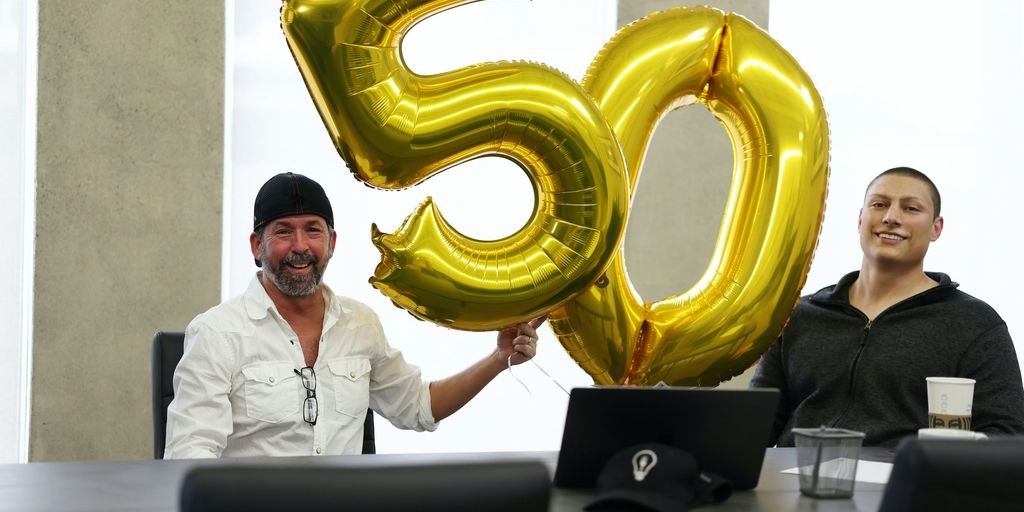
Step 4: Celebrate on purpose
A quick, deliberate moment of satisfaction right after the action helps the brain link the behaviour to a good feeling. Keep it small and non-food:
- Say “done” out loud, or give yourself a fist pump.
- Tick the box with a bright marker.
- Take three slow breaths and notice that you did what you said you would.
- Once a week, look back over your record and name your best win.
For more ideas, see celebrating small victories to maintain motivation.
Step 5: Grow slowly, and only when it feels easy
When a micro-win starts to happen without much thought, usually after several weeks, you can do one of two things:
- Stretch it a little. Walk 15 minutes instead of 10, or add vegetables to supper as well as lunch.
- Add a new micro-win and keep the old one as it is.
Avoid adding several new habits at once. Momentum comes from stacking successes, not from making the list longer.
What to do when you miss
Missed days are part of the process, not proof that it isn’t working. Use this short reset:
- Name it without judgment: “I missed my walk Tuesday and Wednesday.”
- Find the friction: Was the cue missing? Was the action too big for that day?
- Shrink it if needed: a five-minute walk still counts.
- Restart at the very next cue, not “next Monday”.
The “never miss twice” rule helps: one missed day is normal, so make getting back on track the next day the micro-win.
Common mistakes
- Choosing wins that depend on outcomes (“lose a pound this week”). Pick actions you control.
- Making them too big to be micro. If you can’t do it on your worst day, shrink it.
- Tracking too many things. Two or three items you complete beat ten you abandon.
- Only counting perfect days. A partial day still gives you evidence to build on.
Key takeaways
- Choose two or three small, yes-or-no actions linked to your bigger goal.
- Attach each one to a daily cue with an “after I… I will…” sentence.
- Write every win down where you will see it.
- Celebrate briefly and without food, right after the action.
- Expand only when a habit feels easy, and restart quickly after a miss.
FAQ
How long until a micro-win becomes a habit?
It varies by person and by behaviour. In the research summarised above, the average was about 66 days, with simple actions becoming automatic sooner. Expect a couple of months, not a couple of weeks.
Isn’t something this small too easy to matter?
Being easy is the point. Small actions get done on hard days, and that consistency builds both the habit and your belief in yourself. You can make them bigger once they are automatic.
Should I track my weight as a micro-win?
Weight is an outcome, not an action, and it changes for many reasons. Track the behaviours you control, and check outcomes on a less frequent schedule that feels calm for you.