
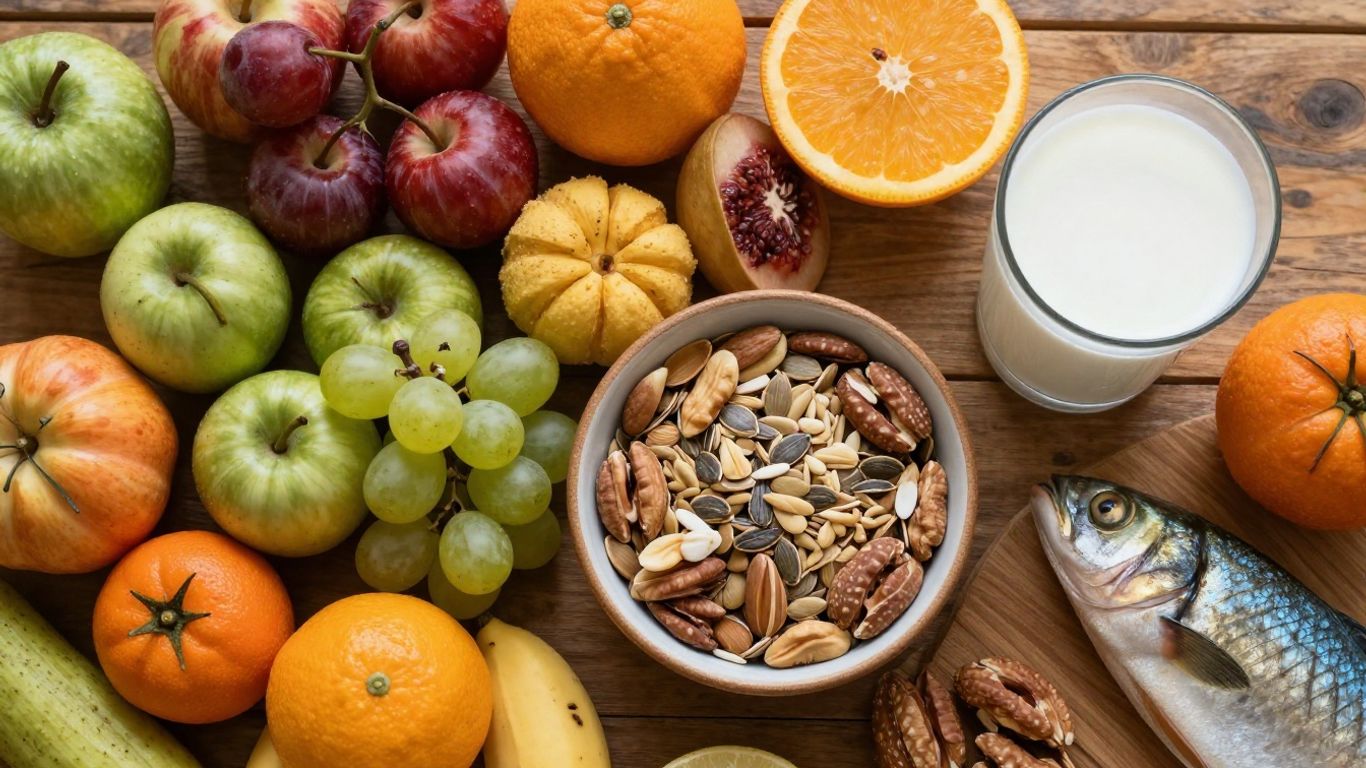
A micronutrient audit is a simple review of what you usually eat to spot vitamins and minerals you may be running low on, followed by food changes to close those gaps. The most common gaps for adults eating a typical North American diet are vitamin D, iron (especially for menstruating women), calcium, vitamin B12 (for older adults and vegans), fibre-linked nutrients like magnesium and potassium, and sometimes iodine. Symptoms alone cannot confirm a deficiency, so pair your food review with blood work from your doctor when something seems off.
Step 1: Log three typical days
Write down everything you eat and drink for two weekdays and one weekend day. Don’t change your eating to look good; you want an honest picture. Then go through the checklist below and mark how often each food group appears.
| Food group | Key nutrients | Rough daily goal | My days (0 to 3) |
|---|---|---|---|
| Vegetables and fruit | Vitamin C, folate, potassium, magnesium, vitamin A | Half your plate at most meals | |
| Leafy greens | Folate, vitamin K, magnesium | At least once | |
| Legumes, nuts, seeds | Magnesium, zinc, iron, fibre | At least once | |
| Whole grains | B vitamins, magnesium, fibre | Most meals | |
| Milk, yogurt, cheese or fortified soy beverage | Calcium, vitamin D, B12, iodine | 2 or more servings | |
| Fish (especially fatty fish) | Vitamin D, omega-3 fats, iodine, selenium | About twice a week | |
| Eggs, poultry, meat | Iron, zinc, B12, choline | As fits your eating pattern |
Any row where you scored 0 or 1 out of 3 days is a likely gap.
Step 2: Check your risk factors
Some people are more likely to fall short on specific nutrients:
- Women who menstruate, and pregnant women: iron. Health Canada’s reference values set the iron RDA at 18 mg a day for women 19 to 50, compared with 8 mg for men.
- Vegans and older adults: vitamin B12. The NHS lists a vegan diet without B12 supplements or fortified foods as one cause of vitamin B12 deficiency; trouble absorbing B12 is the most common cause.
- Anyone living in northern latitudes: vitamin D, especially in fall and winter. Canada’s adult RDA is 15 micrograms (600 IU) a day, a value that assumes minimal sun exposure.
- People who skip dairy: calcium, vitamin D and iodine, unless they use fortified alternatives.
- People eating very little, or after weight-loss surgery: several nutrients at once.
- People with digestive conditions such as coeliac disease or inflammatory bowel disease, or those taking certain long-term medicines: absorption may be reduced.
Step 3: Notice possible signs, but don’t self-diagnose
Many deficiency symptoms are vague and overlap with stress or poor sleep. Treat them as a reason to talk to your doctor, not as proof.
| Possible sign | Nutrients sometimes involved |
|---|---|
| Tiredness, shortness of breath, pale skin, headaches | Iron, B12, folate |
| Pins and needles, sore red tongue, memory or mood changes | B12 |
| Bone or muscle aches, frequent low mood in winter | Vitamin D |
| Slow wound healing, frequent colds | Zinc, protein, vitamin C |
| Muscle cramps | Magnesium, potassium, hydration |
For example, the NHS lists tiredness, shortness of breath, heart palpitations, paler skin and headaches as symptoms of iron deficiency anaemia, and notes it is often caused by blood loss, such as heavy periods, or pregnancy.
Step 4: Fix gaps with food first
| Gap | Food fixes | Absorption tip |
|---|---|---|
| Iron | Lentils, beans, tofu, fortified cereal, pumpkin seeds, spinach, lean red meat, poultry, fish | Add vitamin C (peppers, citrus, berries) to plant iron meals |
| Vitamin D | Fatty fish (salmon, trout, sardines), eggs, fortified milk and soy beverage | Few foods are rich in it; ask about supplements in winter |
| Calcium | Milk, yogurt, cheese, fortified soy beverage, canned salmon with bones, tofu set with calcium | Spread servings over the day |
| Vitamin B12 | Dairy, eggs, fish, meat, fortified plant beverages and nutritional yeast | Vegans need fortified foods or a supplement |
| Magnesium | Nuts, seeds, legumes, whole grains, leafy greens | Choose whole grains over refined |
| Potassium | Potatoes, beans, bananas, squash, yogurt, oranges | More vegetables and fruit is the main fix |
| Iodine | Iodized salt (small amounts), dairy, eggs, seafood | Sea salt and specialty salts are often not iodized |
| Choline | Eggs, fish, poultry, soybeans, broccoli | Eggs are the easiest everyday source |

For deeper dives, see our guides to calcium and vitamin D synergy, iodine and selenium balance and choline sources and targets.
Step 5: Make two or three changes, not ten
Pick the biggest gaps and make small, repeatable swaps:
- Add a handful of spinach or frozen peas to dinner most nights.
- Have a glass of milk or fortified soy beverage with breakfast.
- Swap one refined grain a day for a whole grain.
- Plan two fish meals a week, such as canned salmon on toast or baked trout.
- Put a jar of mixed nuts and seeds on the counter for snacks.
Re-run your three-day log after four to six weeks to see whether the gaps have closed.
About supplements
Food is the best first step, but supplements have a place. Examples include vitamin D in winter, B12 for vegans and many older adults, folic acid before and during pregnancy, and iron when a blood test shows you are low. More is not better: some nutrients, such as iron, vitamin A, selenium and iodine, can be harmful in high doses. Ask your doctor or pharmacist before starting, especially if you take medications, are pregnant, or have a chronic condition.
FAQ
Can a multivitamin replace an audit?
A basic multivitamin can cover small gaps, but it does not replace fibre, protein or the many other compounds in whole foods, and it may not contain enough of the nutrients you are actually short on, such as calcium or vitamin D. Use the audit to find your gaps first.
How often should I repeat it?
Every few months, or whenever your eating changes: a new eating pattern, pregnancy, a big change in training, weight loss, or a new diagnosis.
Does eating less to lose weight raise my risk of gaps?
It can. When portions shrink, every food has to work harder. Prioritise vegetables, fruit, legumes, whole grains, dairy or fortified alternatives, and protein foods, and keep highly processed snacks occasional.
When to check with a professional
Book an appointment with your doctor if you have ongoing tiredness, heavy periods, numbness or tingling, unexplained weight loss, digestive symptoms, or if you follow a restrictive diet. Blood tests can check iron stores, B12, vitamin D and other levels; only these can confirm a deficiency. A registered dietitian can then help you build a food plan that fits your needs.
Key takeaways
- Log three typical days and score each food group.
- Know your risk factors: menstruation, veganism, age, northern winters, skipping dairy.
- Use symptoms as a prompt for blood work, not a diagnosis.
- Close gaps with food first, using two or three small changes.
- Use supplements only for a clear reason, with professional advice.