

Mood-movement matching means choosing today’s exercise based on how you actually feel, rather than skipping because the planned workout doesn’t fit your mood. Stressed? Try something slow and rhythmic. Low energy? Start gentle and short. Restless or frustrated? Pick something vigorous. The goal is to keep moving on most days by adjusting the type and intensity, not by waiting until you feel like it.
Why match movement to mood
A rigid plan is easy to drop. If Tuesday says “45-minute run” and you wake up drained and anxious, the most likely outcome is no run at all. Matching gives you a menu instead of a single option, so there’s almost always something that fits.
The payoff can be quick. The CDC notes that physical activity helps you feel better, function better and sleep better, and that adults may feel less anxious in the short term after a session of moderate-to-vigorous activity. Over time, regular activity can also reduce the risk of depression and anxiety.
The NHS adds that for people with low mood, any type of exercise is useful as long as it suits you, and that exercise should be something you enjoy, or motivation is hard to sustain. Matching is a practical way to do exactly that.
Step 1: Do a 30-second check-in
Before you move, ask yourself three quick questions:
- What am I feeling? Stressed, sad, flat, restless, frustrated, lonely, happy?
- How much energy do I have, from 1 to 10?
- How much time do I realistically have? Five minutes, twenty, an hour?
Your answers point you to the right row in the matching chart below. If you like patterns, jot the answers in a notebook or app for a few weeks. You’ll learn which activities reliably lift you.
The mood-movement matching chart
| How you feel | Try | Why it fits |
|---|---|---|
| Stressed or anxious | Walking, gentle yoga, stretching, swimming at an easy pace | Steady rhythm and slow breathing help settle a busy mind |
| Tired or low energy | A 10-minute walk, light cycling, mobility routine, easy dance to a few songs | Low barrier to start; energy often rises once you’re moving |
| Sad or heavy | Nature walk, slow flow yoga, gardening | Gentle, reflective and low-pressure |
| Restless or frustrated | Brisk intervals, boxing-style workout, hill walking, jogging | Gives built-up tension a physical outlet |
| Lonely | Group class, walking with a friend, team or community sport | Combines movement with connection |
| Happy and energized | Strength training, longer run or ride, trying a new skill | Uses good energy for a harder or more ambitious session |
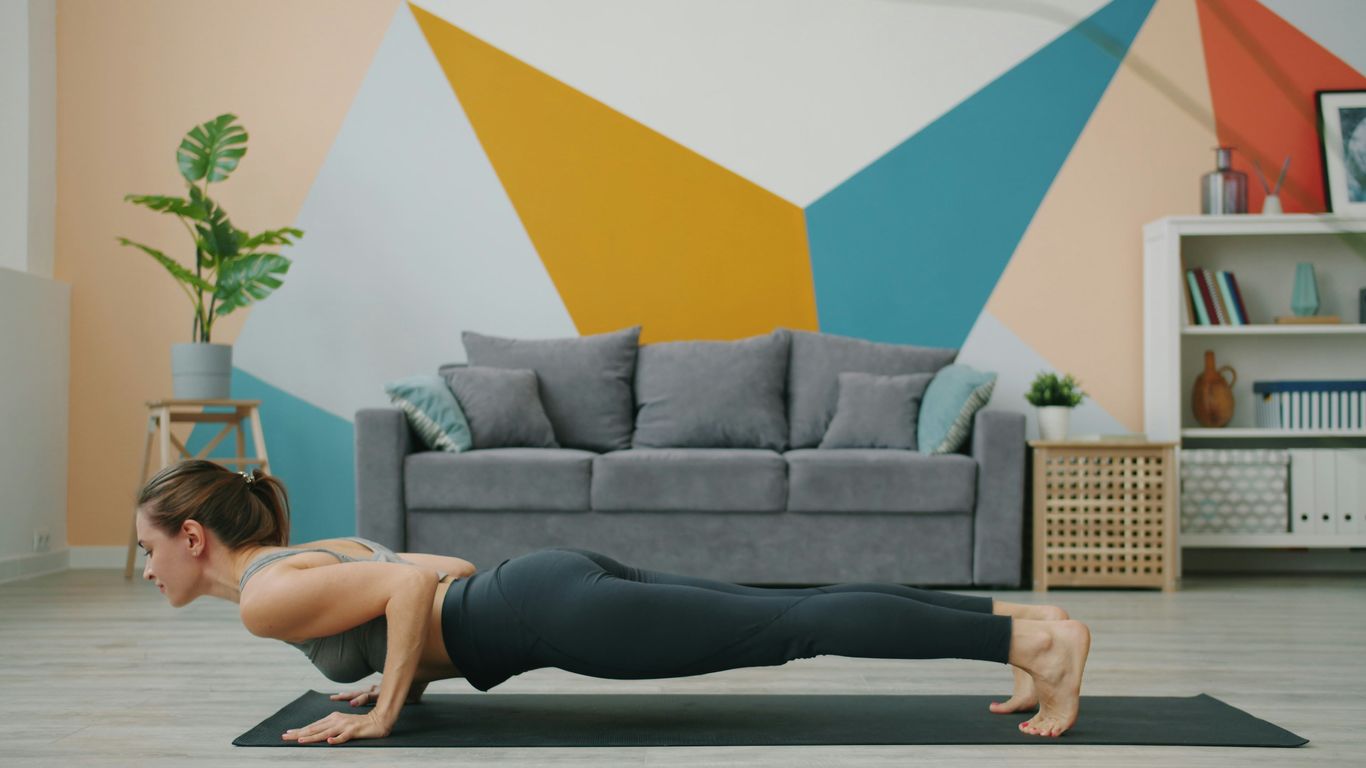
When you’re stressed or anxious
Choose movement with a steady rhythm. Walk at a comfortable pace and match your breathing to your steps, for example in for four steps and out for four. A short yoga or stretching routine with slow breathing works well indoors. Avoid making it a performance; the aim is to come down a notch, not to set a record.
When you’re tired or low on energy
Use the “just five minutes” rule. Put on your shoes and walk, stretch or dance for five minutes. If you feel better, keep going. If you still feel drained, stop and count it as a win. Often the hardest part is starting, and gentle movement can lift energy more than resting on the couch would.
If fatigue is constant, unusual or comes with other symptoms, rest and check with your doctor rather than pushing through.
When you’re sad
Sadness usually wants gentleness. A slow walk outdoors, especially somewhere green, gives you time to think without pressure. Light stretching, slow-flow yoga or puttering in the garden also fit. Let the movement be calm and kind.
When you’re restless or frustrated
This is the time for higher intensity. Try intervals: 30 seconds of fast marching, jumping jacks or stair climbing, then 60 seconds easy, repeated six to eight times. Shadow boxing, a brisk uphill walk or a jog can also channel tension. Warm up first and stay within what your body is used to.

When you’re lonely
Pair movement with people. Invite a friend for a walk, join a community class, try a beginner-friendly team activity, or take your dog to a park where you’ll see neighbours. Even a phone call while you walk counts as connection.
When you’re happy and energized
Use good days for the sessions that take more effort: strength training, a longer route, or learning something new like a dance class or climbing. These build fitness that makes the gentler days feel easier too.
Keep the weekly picture in mind
Matching doesn’t mean only doing easy things. The NHS recommends adults aim for at least 150 minutes of moderate activity a week (or 75 minutes of vigorous activity) plus strengthening activities on at least 2 days. A simple way to cover this with mood matching:
- Plan two strength sessions on days you expect to feel good, and keep a 15-minute version for low days.
- Fill the rest of the week with whatever matches your mood: walks, yoga, cycling, dancing.
- At the end of the week, tally your minutes. If you’re short, add a couple of brisk walks.
For help setting realistic targets, see our article on goal setting in health.
Make it a habit
- Keep a “mood menu” on your phone. List two or three options for each mood so the decision takes seconds.
- Lay out gear the night before. Shoes by the door remove one barrier.
- Use a minimum. Five minutes still counts. Skipping is the only option that’s off the table.
- Notice the after-effect. Rate your mood before and after. Seeing the difference is strong motivation.
- Choose what you enjoy. Our guide to joyful movement has more ideas for finding activities you look forward to.
For more on how activity and mental health connect, read mental health and fitness.
When to check with a professional
Movement can support mood, but it isn’t a replacement for care. See your doctor if low mood lasts for more than a couple of weeks, affects daily life, or comes with thoughts of self-harm. Check with a healthcare provider before starting more vigorous exercise if you’ve been inactive for a long time or have a medical condition, and stop if you feel chest pain, dizziness or unusual breathlessness.
Quick takeaways
- Check in on mood, energy and time before choosing your workout.
- Calm and rhythmic for stress, short and gentle for fatigue, vigorous for restlessness, social for loneliness.
- Five minutes counts; the only thing to skip is skipping.
- Keep strength training and weekly minutes in view so variety still adds up.
- Track how you feel before and after to learn what works for you.
FAQ
Is it okay to change my workout plan every day?
Yes. Variety is fine as long as your week still includes enough total activity and some strength work.
What if I feel too low to move at all?
Try the smallest step possible, like standing up and stretching for two minutes. If low mood keeps you from moving most days, talk to your doctor.