
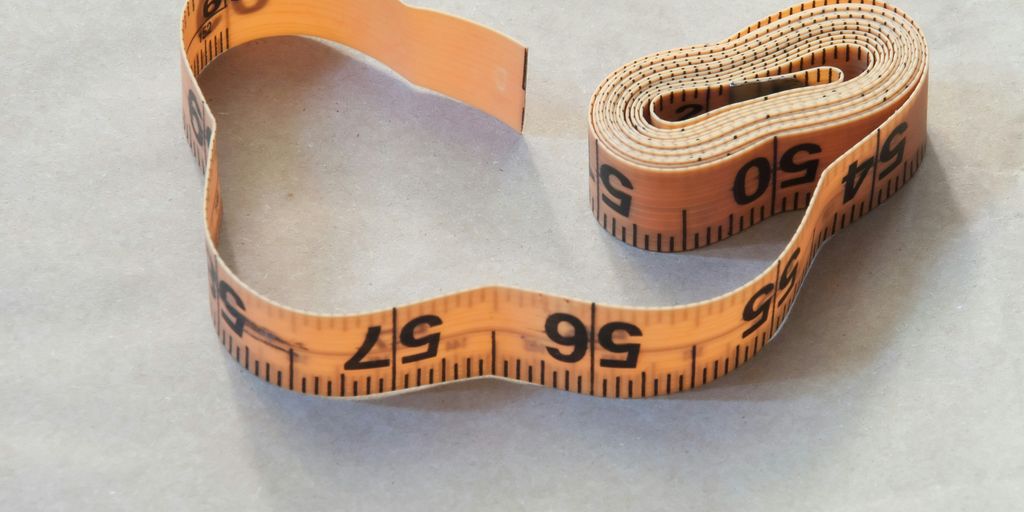
The scale is only one measure of progress, and often a noisy one. Better energy, clothes fitting differently, more strength and stamina, steadier habits, improved sleep and more confidence are all real signs your healthy changes are working, even when your weight barely moves. Tracking a few of these alongside, or instead of, the scale gives you a far more accurate and motivating picture.
Why the scale does not tell the whole story
Body weight can shift from day to day because of fluid, salt intake, digestion, hormones and the timing of meals. It also does not separate muscle from fat or reflect improvements in fitness, mood or sleep. If you rely on it alone, you may give up on habits that are actually helping.
Here are ten signs of progress worth paying attention to.
1. You have more energy
You get through the afternoon without crashing, climb the stairs without needing a break, or have enough left in the evening to play with your kids or take a walk. Steadier energy often comes from regular meals, better sleep and more movement. The CDC notes that physical activity helps you immediately feel better, function better and sleep better.
How to track it: Rate your energy from 1 to 10 at the same time each day for a week, then compare it with a week a month later.
2. Your clothes fit differently
Jeans that were snug button more easily, a belt needs a new notch, or a shirt sits differently across your shoulders. Clothing fit can change even when the number on the scale does not, especially if you are building muscle.
How to track it: Pick one “test” item of clothing and try it on once a month. A tape measure is another option. The NHLBI explains how to measure your waist: stand, place the tape around your middle just above your hipbones, and measure right after you breathe out.
3. Your habits are more consistent
Maybe you have eaten breakfast most days this month, walked four times a week or packed lunch more often than not. Consistency is one of the most important signs of progress, because it is what produces results over the long term.
How to track it: Mark a calendar each day you complete one or two key habits. Seeing a run of marks is motivating on its own.

4. You are getting stronger
You can carry the groceries in one trip, lift a heavier weight, do more repetitions or get up from the floor more easily. Canada’s 24-Hour Movement Guidelines recommend muscle-strengthening activities using major muscle groups at least twice a week, and the CDC notes that these activities help you increase or maintain muscle mass and strength.
How to track it: Write down the weights, repetitions or exercises you do, and look back every few weeks.
5. You feel more confident
You speak up more, try a new class, wear something you used to avoid or feel more comfortable in your own skin. Confidence often grows from keeping promises to yourself, regardless of what the scale says.

6. Movement feels easier
You recover faster after a hill, walk further without stopping, bend to tie your shoes more comfortably or have fewer aches when you get out of bed. Better stamina, flexibility and mobility are big wins for daily life. The CDC notes that physically active middle-aged and older adults have a lower risk of functional limitations than people who are inactive.
How to track it: Time a familiar walking route once a month, or note how many minutes you can walk comfortably.
7. You are spending less on takeout and impulse buys
Cooking at home more often, planning meals and packing snacks can leave a noticeable difference in your budget. Fewer last-minute takeout orders and checkout-line treats add up.
How to track it: Compare your food-delivery and takeout spending for one month against a month before you started your changes.

8. You see changes in the mirror (and react more kindly)
Your posture may be taller, your face may look more rested, or you may notice more muscle definition. Just as important is how you talk to yourself when you look in the mirror. Speaking to yourself with less criticism is real progress.
How to track it: Take a photo in the same spot, lighting and clothing once a month. Keep it private and use it only for comparison with yourself.
9. You are sleeping better
You fall asleep more easily, wake up less in the night or feel more rested in the morning. Regular movement, a consistent bedtime and fewer late, heavy meals often help. Canada’s guidelines recommend 7 to 9 hours of good-quality sleep for adults, with consistent bed and wake-up times.
How to track it: Note your bedtime, wake time and how rested you feel (1 to 10) each morning.
10. You bounce back faster from setbacks
A busy week, a holiday or a big family dinner used to throw you off for a month. Now you are back to your usual habits within a day or two. Having a plan to return to, and not treating one off day as failure, is a sign your habits are becoming part of who you are.
Building in planned rest also helps you stay consistent. Our post on recovery days explains how.
A simple non-scale progress tracker
| Measure | How often | What to record |
|---|---|---|
| Energy | Daily | Rating from 1 to 10 |
| Sleep | Daily | Hours and how rested you feel |
| Key habits | Daily | Tick on a calendar |
| Strength | Each workout | Exercises, weights, repetitions |
| Clothing fit or waist | Monthly | Test item or tape measurement |
| Stamina | Monthly | Time or distance on a familiar route |
| Wins | Weekly | One or two things that went well |
A notebook or a simple notes app is all you need. Our guide to journaling for health has more ideas, and celebrating small wins explains why noticing them keeps you going.
Should you ignore the scale completely?
Not necessarily. For some people, weighing in once a week or less is useful information. For others, it triggers stress or unhelpful behaviours. If the number regularly ruins your day or pushes you toward skipping meals or overexercising, consider putting the scale away for a while and relying on the other measures above.
When to check with a professional
Talk to your doctor if you notice unexplained weight changes, ongoing fatigue despite good habits, or new aches that limit movement. If thoughts about weight, food or body checking take up a lot of your day, reach out to a healthcare provider or NEDIC for free, confidential support in Canada.
Key takeaways
- The scale fluctuates for many reasons and misses much of your progress.
- Energy, clothing fit, strength, stamina, sleep and confidence are real signs of change.
- Consistency and faster recovery from setbacks show habits are taking hold.
- Track two or three non-scale measures with simple daily or monthly notes.
- Use the scale only if it helps you; set it aside if it harms your mood or habits.