

Nutrition starts to feel like self-care when you see food as a way to look after yourself, not as a test you pass or fail. In practice that means simple, regular meals you actually enjoy, a little planning so good food is easy to reach, and small rituals that make eating calmer and more social. Canada’s Food Guide backs this up: enjoying your food, cooking more often and eating with others are all part of its healthy eating advice.
Shift the mindset: from rules to care
Many people come to nutrition through diets, so food gets tied to rules, tracking and guilt. Self-care asks a different question: “What would help me feel well today?” Sometimes the answer is a big salad with beans. Sometimes it’s a warm bowl of soup and an early night. Both count.
A few mindset shifts that help:
- Food is fuel and pleasure. Canada’s Food Guide lists enjoying your food as part of healthy eating, including taste, culture and the social side of meals.
- Good enough is good. A meal doesn’t have to be perfect to nourish you. Toast with peanut butter and an apple is a real meal.
- Kindness beats criticism. If a day doesn’t go to plan, the caring response is simply to eat your next meal as usual. Our article on self-compassion explores this further.
Start the day gently
Mornings set the tone. A simple routine can make you feel looked after before the day gets busy.
- Drink water first. Keep a glass or bottle by your bed or at the sink.
- Eat a breakfast with some protein and fibre so it carries you to lunch. Ideas: oatmeal with milk, berries and nuts; Greek yogurt with fruit and granola; whole-grain toast with eggs or nut butter; a smoothie with milk or yogurt, spinach and banana.
- Prep the night before if mornings are rushed: overnight oats, boiled eggs, or fruit washed and ready.
Build balanced, satisfying plates
You don’t need to weigh or count anything to eat well. A simple plate pattern works for most meals:
| Part of the plate | What to include | Examples |
|---|---|---|
| About half | Vegetables and fruit | Salad greens, roasted carrots, broccoli, berries, an orange |
| About a quarter | Protein foods | Beans, lentils, tofu, eggs, fish, chicken, lean meat, yogurt |
| About a quarter | Whole grains or starches | Brown rice, whole-grain pasta, potatoes, quinoa, whole-grain bread |
| On the side | Flavour and a drink | Herbs, spices, a little olive oil or cheese; water, milk or sparkling water |
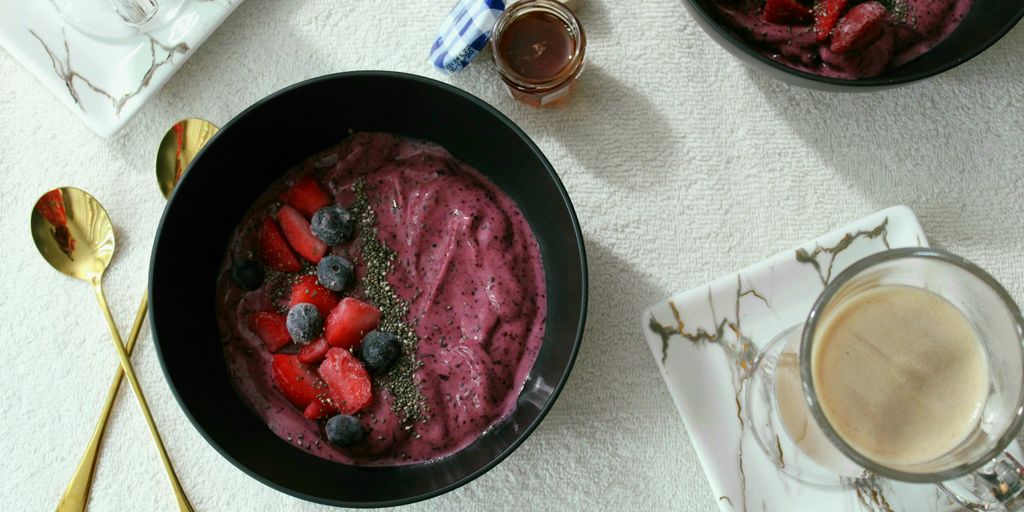
Plant proteins like beans and lentils are inexpensive and add fibre. Seasonal produce tends to taste better and cost less, and frozen fruits and vegetables are just as useful for quick meals.
Snacks that actually satisfy
Pairing protein or fat with fibre keeps you fuller than a snack of either alone:
- Apple slices with peanut butter
- Hummus with carrots, cucumber or whole-grain crackers
- Yogurt with berries
- Cheese with whole-grain crackers
- A handful of nuts and some dried fruit
Treats belong here too. A few squares of chocolate or a cookie you really enjoy, eaten slowly, is a perfectly reasonable part of caring for yourself.
Make cooking a calming rhythm
Cooking can feel like a chore, but it can also be a way to slow down and do something kind for yourself. Canada’s Food Guide notes that cooking more often helps you rely less on highly processed foods, control sauces and seasonings, and save money. It suggests ideas like “cook once and eat twice” and batch cooking soups, stews and chili for the freezer.
A simple weekly prep rhythm
- Pick a time. Even 45 minutes on a Sunday afternoon helps.
- Cook one or two bases: a pot of grains, a tray of roasted vegetables, a batch of beans or a protein.
- Wash and chop produce for snacks and quick meals.
- Use flexible frameworks so leftovers don’t get boring: grain bowls, wraps, stir-fries and soups can all use the same base ingredients.
- Store food where you’ll see it, in clear containers at eye level.
To make it pleasant, put on music or a podcast, use your senses, and taste as you go. If you’re new to this, our guide to meal prep for beginners walks through the basics.
Turn comfort food into care
Comfort food is a real need, especially on hard days. Some easy ways to make favourites more nourishing without losing what makes them comforting:
- Add lentils or extra vegetables to pasta sauce, chili or soup
- Make a hearty stew with beans, potatoes and root vegetables using broth for flavour
- Top baked sweet potatoes with black beans, salsa and a spoonful of yogurt
- Bake fruit crisps with oats, or enjoy warm hot chocolate made with milk
Check in with yourself at meals
Self-care includes noticing how food makes you feel. Before eating, check how hungry you are. Halfway through, check again. Afterward, notice your energy and mood.
Over time these check-ins help you learn which meals keep you energized and which leave you sluggish or still hungry. If you like writing, a short meal journal (no numbers needed) can reveal patterns. Try noting:
- What you ate and roughly when
- How hungry you were before and how satisfied after
- Your mood or stress level
- One thing you enjoyed about the meal
Share meals with people you care about
Eating together is one of the most natural forms of self-care. Canada’s Food Guide encourages people to eat meals with others, suggesting a weekly dinner with family or friends, a breakfast date, or a rotating dinner where everyone takes a turn hosting. It also recommends taking your time and putting away screens.
Rest and recover after meals
How you finish a meal matters too. A few gentle after-meal rituals:
- A short, easy walk around the block
- Tidying the kitchen with music on, so tomorrow starts fresh
- A warm cup of herbal tea such as peppermint, chamomile or rooibos in the evening
- A few minutes sitting quietly before moving on to the next task
When to check with a professional
If you have a medical condition such as diabetes, food allergies or digestive problems, or if food feels stressful in a way that’s hard to shift, talk to your doctor or a registered dietitian for personalized advice.
Key takeaways
- Treat food as a way to look after yourself, not a test.
- Start the day with water and a breakfast that includes protein and fibre.
- Use a simple plate pattern: half produce, a quarter protein, a quarter grains.
- Cook once and eat twice, and batch cook freezer-friendly meals.
- Make comfort foods more nourishing instead of banning them.
- Eat with others when you can and take your time.
- End meals gently with a walk, a tidy kitchen or a cup of herbal tea.