

Planning small, enjoyable experiences into your week gives you sources of comfort and reward that aren’t food. When joy is scheduled rather than left to chance, there are fewer empty, stressed or bored stretches where snacking becomes the default treat. A “micro-adventure” can take 15 minutes to an hour, cost little or nothing, and still be the thing you look forward to all week.
Here is why this works, a menu of ideas to choose from, and a simple way to build a weekly joy plan.
Why joy helps with emotional eating
Emotional eating often fills a gap. After a stressful or monotonous day, food is the quickest, most reliable reward in the house. Harvard Health explains that ongoing stress raises cortisol, which increases appetite, and that sugary, high-fat “comfort foods” seem to dampen stress responses, which helps explain the pull. The same article points to exercise, meditation and social support as ways to counter stress.
Planned joy works on both sides: it lowers stress and gives you something rewarding to reach for instead. The NHS lists five steps to mental wellbeing: connect with others, be physically active, learn new skills, give to others, and pay attention to the present moment. Almost every micro-adventure below touches at least one of them.

What counts as a micro-adventure
A micro-adventure is small, a little bit new, and chosen for enjoyment rather than productivity. It doesn’t need to be impressive. Good ones share a few features:
- Short: 15 to 90 minutes.
- Cheap or free.
- Close to home.
- Not centred on food (a picnic is fine; a bakery crawl is not the point).
- Something you genuinely look forward to, not something you “should” do.
A menu of ideas
Explore close to home
- Walk a street or trail in your own town that you’ve never been down.
- Visit the library and borrow something outside your usual genre.
- Catch the sunrise or sunset from a new spot.
- Take a different route home and stop somewhere interesting.
Engage your senses
- Spend 10 minutes outside noticing five things you can hear.
- Play an album start to finish with nothing else going on.
- Take a warm bath with the lights low.
- Do a short guided relaxation or stretch session.
Make something
- Doodle, colour or sketch for 15 minutes with no goal.
- Try a beginner tutorial for a craft, an instrument or a language.
- Plant herbs on a windowsill.
Connect and give
- Invite a friend for a walk instead of meeting over food.
- Write a note to someone who helped you.
- Do one small, unexpected kindness: shovel a neighbour’s walk, drop off library books for someone.
- Have a phone-free family game night.
Move for fun
- Dance in the kitchen to three favourite songs.
- Try a free community class or a new trail.
- Bike somewhere you’d normally drive.
If moving for fun appeals to you, our guide to joyful movement has more ideas.
Unplugged meals: a daily mini-adventure
One of the simplest ways to bring more enjoyment into ordinary days is to make one meal a day screen-free. Canada’s Food Guide encourages mindful eating: taking time to eat, noticing when you’re hungry and full, and checking if you were distracted. Sit at a table, put phones in another room, and talk with whoever is there, or simply taste your food if you’re alone. Meals become more satisfying, which makes after-dinner grazing less tempting.
How to build your weekly joy plan
- Notice your hard spots. When does emotional eating usually show up? Late afternoon? Sunday evenings? After the kids are in bed? Those are the windows to fill.
- Pick two or three micro-adventures from the menu, aiming for variety: one outdoors, one creative or sensory, one social.
- Put them in your calendar with a day and time, the same way you’d book an appointment.
- Prepare a little. Charge the bike light, download the album, text the friend.
- Keep a backup. Have one five-minute option ready for days when plans fall through, such as stepping outside, stretching or calling someone.
- Reflect briefly. At the end of the week, note what you enjoyed most and if your hard spots felt easier.
Try themed days
Some people find it easier to stick to a theme than to choose from scratch. For example:
| Day | Theme | Example |
|---|---|---|
| Monday | Make something | 15 minutes of sketching after dinner |
| Wednesday | Get outside | Walk a new trail or neighbourhood |
| Friday | Connect | Phone-free family game night |
| Sunday | Give | Write a note or help a neighbour |
Pair joy with a quick thought check
Joy is easier to feel when your inner voice isn’t running you down. Once a day, notice one unhelpful thought (“I never do anything fun,” “I don’t deserve a break until I lose weight”) and write a fairer version (“I had a nice walk on Tuesday,” “Rest is part of looking after myself”). Over time this makes it easier to enjoy the good moments you plan.
If you’d like to tie enjoyable activities directly to your healthy habits, see habit pairing with joy. For a deeper look at the emotional side of eating, read our guide to emotional eating.
Common questions
What if I don’t feel like doing anything fun?
That’s common when you’re stressed or tired. Start smaller than you think you need to: five minutes outside, one song, one text to a friend. Enjoyment often shows up after you start, not before.
Can food ever be part of a micro-adventure?
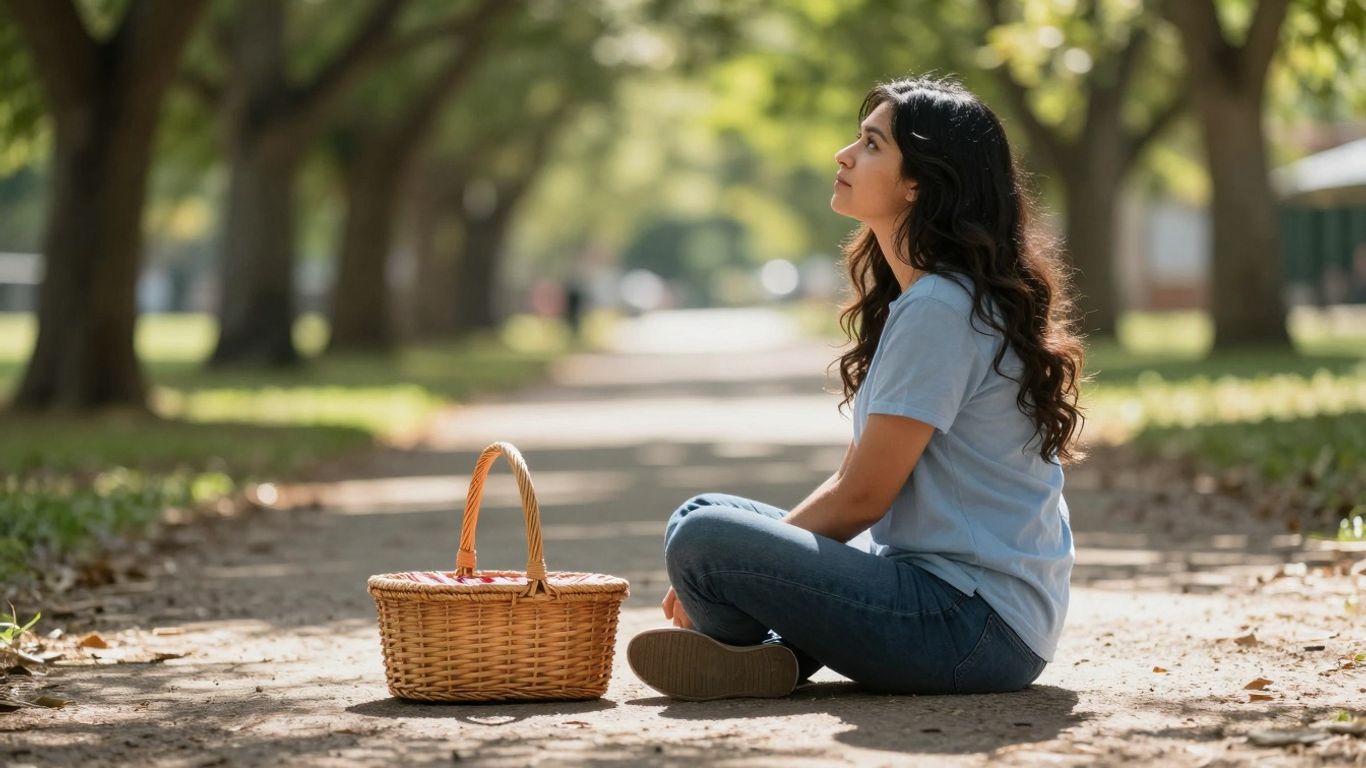
Yes. A picnic in a new park, trying a new fruit from the market or cooking a recipe from another country can all be lovely. The aim is simply that food isn’t the only source of joy in your week.
How will I know it’s working?
Look back after three or four weeks. Notice if your usual hard spots feel a little easier, if you’re reaching for snacks less often out of boredom, and if you have more to look forward to. Small shifts count.
When to check with a professional
Planned enjoyment helps many people, but it isn’t a fix for depression or an eating disorder. If nothing feels enjoyable for weeks, if low mood is affecting daily life, or if eating feels out of control or involves bingeing, talk to your doctor or a mental health professional. NEDIC (nedic.ca) offers Canadian information and support on eating disorders.
Key takeaways
- Scheduled joy gives you rewards that aren’t food and lowers stress.
- Micro-adventures are short, cheap, close to home and not food-focused.
- Aim for variety: outdoors, creative or sensory, social, giving.
- Put two or three in your calendar each week, targeting your usual hard spots.
- Make one meal a day screen-free.
- Keep a five-minute backup plan for chaotic days.