

After a slip, such as an evening of overeating, a skipped week of workouts or falling back into an old habit, the fastest way back on track is to respond with self-compassion rather than self-criticism. That means having a few short, ready-made phrases (scripts), knowing when to use them, and practising them before you need them. This guide gives you the language, the timing and simple practice reps.
Why kindness works better than criticism
A slip is a step back, not a collapse. The trouble is what often comes next: “I’ve ruined everything,” “I have no willpower,” “I might as well keep going.” That harsh inner voice tends to turn one slip into several days of giving up.
Self-compassion interrupts that spiral. Harvard Health describes it as showing compassion towards ourselves when we suffer, fail or feel inadequate, and notes that it is a learnable skill. One practical method it suggests: think of what you would say to a good friend in the same situation, then say it to yourself. Research also links self-compassion with healthier habits; one study found that self-compassion was connected to better physical health through lower stress and more health-promoting behaviours.
Self-compassion is not the same as making excuses. It means seeing the slip clearly, without exaggerating or shrinking it, and then taking the next helpful step.
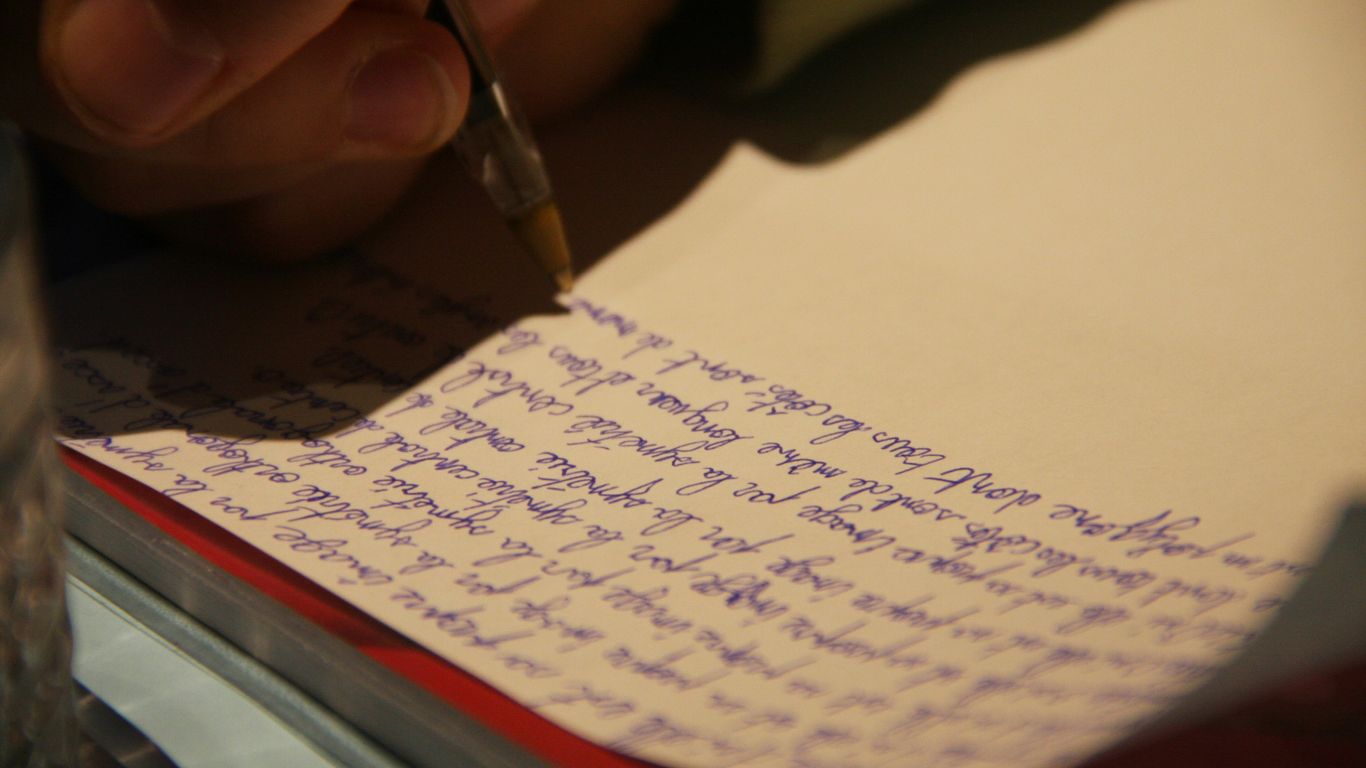
The language: two kinds of scripts
Useful self-talk comes in two flavours. Tender phrases comfort you when you feel low. Steady phrases encourage you and point you toward action. Most people need some of both.
| Tender (comfort) | Steady (encouragement) |
|---|---|
| “This is hard right now.” | “This is a setback, not a failure.” |
| “It makes sense that I feel this way.” | “I’ve handled harder things than this.” |
| “Lots of people struggle with this. I’m not alone.” | “What is one small step I can take now?” |
| “I can be kind to myself in this moment.” | “One meal doesn’t decide my progress. The next one counts too.” |
| “This feeling will pass.” | “I’m learning, and this is part of it.” |
Write your own
Scripts work best in your own words. To create them:
- Think of a recent slip and write down exactly what your inner critic said.
- Imagine a close friend told you the same story. Write what you would say to them.
- Shorten it to one sentence you can say in a single breath.
- Add one action phrase, such as “Next, I’ll drink a glass of water and go for a short walk.”
Keep three to five scripts on a card, in your phone notes or on the fridge.
Words to watch
Some words keep the spiral going. Notice and replace them:
- “Always” and “never” become “this time” or “today.”
- “Ruined” becomes “a bump.”
- “Bad” (about food or yourself) becomes a neutral description: “I ate more than I planned.”
- “Should have” becomes “Next time I’ll try…”
Scripts for common slips
- After an evening of snacking: “I was tired and stressed, and I reached for food. That makes sense. Tomorrow I’ll plan a proper dinner and an earlier bedtime.”
- After missing a week of workouts: “Life got busy. My body still remembers how to move. A 10-minute walk today restarts the habit.”
- After a big holiday meal: “I enjoyed a special day with people I love. Back to my usual meals now, no making up for it.”
- After weight goes up: “The scale is information, not a verdict. I’ll look at the trend over a few weeks.”
The timing: when to use scripts
Different moments call for different kinds of support.
| Moment | What to do | Example script |
|---|---|---|
| During the slip | Pause and breathe; no need to fix anything yet | “I notice I’m eating fast. I can stop and check in.” |
| Right after (first 30 minutes) | Use a tender phrase, then one small caring action | “That happened. I’m okay. A glass of water and a short walk next.” |
| Later that day | Look at what led to the slip, with curiosity | “What was going on? Tired, stressed, hungry, bored?” |
| Next morning | Use a steady phrase and return to your normal routine | “Fresh start. Normal breakfast, normal plan.” |
Avoid “making up for it” by skipping meals or over-exercising the next day. That often sets up the next slip. Just return to your usual pattern.
The practice reps
Scripts are much easier to reach for under stress if you have practised them when calm. Think of these as short daily reps:
- Morning (1 minute): read your scripts aloud once. A morning, midday and evening check-in routine can make this automatic.
- Small mistakes: use a script for minor everyday slips such as spilling something on your shirt or forgetting an errand. These are low-stakes practice.
- Hand on heart: place a hand on your chest or hold your own hand while saying a phrase. Harvard Health lists comforting your body, through rest, a walk or a gentle touch, among ways to practise self-compassion.
- Letter to yourself (weekly, 10 minutes): write about a hard moment as if to a friend, acknowledging the feeling and offering encouragement.
- Soften, soothe, allow: when a strong emotion shows up, notice where you feel it in your body, soften the muscles there, say a tender phrase, and let the feeling be there without fighting it.

A five-minute recovery routine
- Stop (30 seconds): take three slow breaths.
- Name it (30 seconds): “I ate more than I planned,” without labels.
- Comfort (1 minute): say one tender script, hand on heart if it helps.
- Learn (2 minutes): jot down what led up to it: time, place, feelings, hunger level.
- Next step (1 minute): choose one caring action, such as water, a walk, an early night or a balanced next meal.
Over time, the notes from step 4 show your patterns. Tools like habit scoring without shame and a fallback plan for chaotic days can help you plan around them.
When to check with a professional
If slips feel frequent and out of control, involve large amounts of food eaten in secret, or are followed by vomiting, fasting, laxative use or intense shame, please talk to your doctor or a mental health professional, and consider contacting NEDIC for free, confidential support. If a slip involves alcohol, drugs or another addiction, reach out to your healthcare provider or a recovery program for support.
FAQ
Won’t being kind to myself make me lazy?
Self-compassion still holds you to your goals. It just removes the shame that often leads to giving up. The steady scripts are there precisely to move you toward action.
How long until this feels natural?
It varies. Daily practice for a few weeks usually makes the phrases easier to reach for. Expect the old critical voice to show up sometimes; just answer it with a script.
Key takeaways
- A slip is a bump; harsh self-talk is what turns it into a spiral.
- Keep three to five scripts: some tender, some steady, in your own words.
- Match the script to the moment: during, right after, later that day, next morning.
- Practise daily when calm so the words are there when you need them.
- Return to your normal routine without compensating.