

Many volunteer jobs keep you on your feet, walking, lifting and carrying for an hour or more at a time. Pick the right ones and serving other people can count toward your weekly movement as gentle cardio, with a sense of purpose and some company thrown in. This guide sorts common volunteer roles by how active they are, shows how to fit them into a weekly plan, and covers how to stay comfortable and safe.
Why service works as exercise
The CDC’s guidelines for adults call for 150 minutes of moderate-intensity activity a week, such as brisk walking, plus at least two days of muscle-strengthening activity. “Moderate” means you’re breathing a bit harder and feel warm, but you can still talk. Plenty of volunteer work sits right in that zone: walking dogs, sorting and shelving donations, planting trees, setting up chairs and tables for a community event.
Service also makes it easier to keep going. A gym session is easy to skip. A shift where people are expecting you is harder to cancel, and that built-in commitment is often what keeps a movement habit alive past the first few weeks.
The research is encouraging, though still developing. In a German study of adults 65 and older, starting to volunteer was linked with an increase in physical activity, with the clearest effect in men. A Baltimore program that placed older women as volunteers in elementary schools found they kept up higher activity levels over three years compared with a similar group who didn’t volunteer. Harvard Health has also summarized research linking regular volunteering in adults over 50 with lower blood pressure and better social connection. These are associations, not proof, but they point the same way: helping out tends to get people moving.
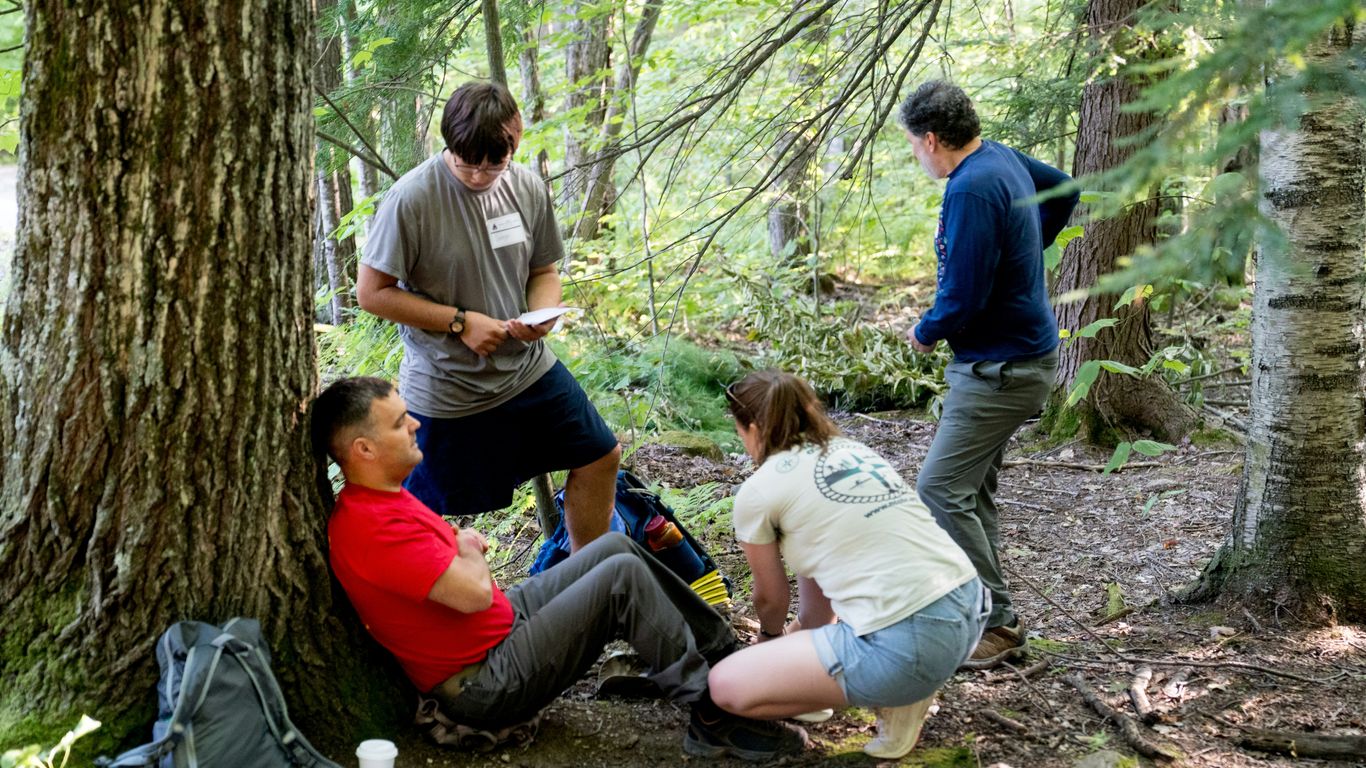
Volunteer roles by activity level
Use this table to match a role to your current fitness. Effort varies with the task and the day, so treat these as rough guides.
| Role | Typical movement | Effort |
|---|---|---|
| Food bank sorting and packing | Standing, walking, lifting boxes | Light to moderate |
| Thrift store or donation centre | Carrying, shelving, reaching | Light to moderate |
| Animal shelter dog walking | Steady walking, sometimes brisk | Moderate |
| Community garden | Digging, kneeling, hauling soil and water | Moderate, plus strength |
| Trail, park or shoreline clean-up | Walking uneven ground, bending, carrying bags | Moderate |
| Tree planting | Digging, squatting, walking between sites | Moderate to vigorous |
| Home repair or build projects | Lifting, carrying, climbing | Moderate to vigorous |
| Event set-up and take-down | Moving tables and chairs, walking | Moderate, plus strength |
| Delivering meals to homebound neighbours | Short walks, stairs, carrying | Light to moderate |
| Coaching or helping at children’s sports | Walking, demonstrating, setting up equipment | Light to moderate |
Low-impact options
If you’re returning to activity, managing joint pain or recovering from an injury, start with roles that let you stand, walk and sit as needed: sorting at a food bank, shelving library books, greeting at an event, or walking calm, older shelter dogs. Ask the coordinator which tasks involve the least lifting.
Options with more effort
If you’re already active, build projects, tree planting and trail maintenance can count as a solid workout. They also involve lifting and carrying, which helps toward the two strength days the CDC guidelines recommend.
Build volunteering into your weekly movement
- Start with your current week. Write down the movement you already do: walks, workouts, active chores.
- Find the gap. If you’re getting about 60 minutes of moderate activity, you have about 90 to go to reach 150.
- Pick one regular shift. A weekly two-hour shift at a food bank or garden, even if only part of it is moderate effort, can cover a big piece of that gap.
- Add active travel. Walk or cycle to your shift if it’s safe and practical. A 15-minute walk each way adds 30 minutes.
- Keep one strength session elsewhere. Lifting boxes helps, but a short routine of squats, wall push-ups and rows keeps your strength balanced.
A sample week
- Monday: 20-minute walk
- Tuesday: 15-minute strength routine at home
- Wednesday: 2-hour food bank shift (walking and lifting), walking there and back
- Friday: 15-minute strength routine
- Saturday: 90-minute park clean-up or community garden shift
Active service you can do with family or friends
Group service makes movement social, and it can be a good way to get children or teens moving without calling it exercise.
- Neighbourhood clean-up walks: grab gloves and bags and walk a loop picking up litter.
- Snow shovelling or yard work for neighbours: shovelling and raking are real work. Pace yourself, lift with your legs, and take breaks.
- Charity walks and runs: sign up as a team and train together for a few weeks beforehand.
- Helping someone move: carrying boxes up and down stairs is strength and cardio in one.
- Garden or orchard gleaning: picking surplus produce for food programs involves walking, reaching and carrying.
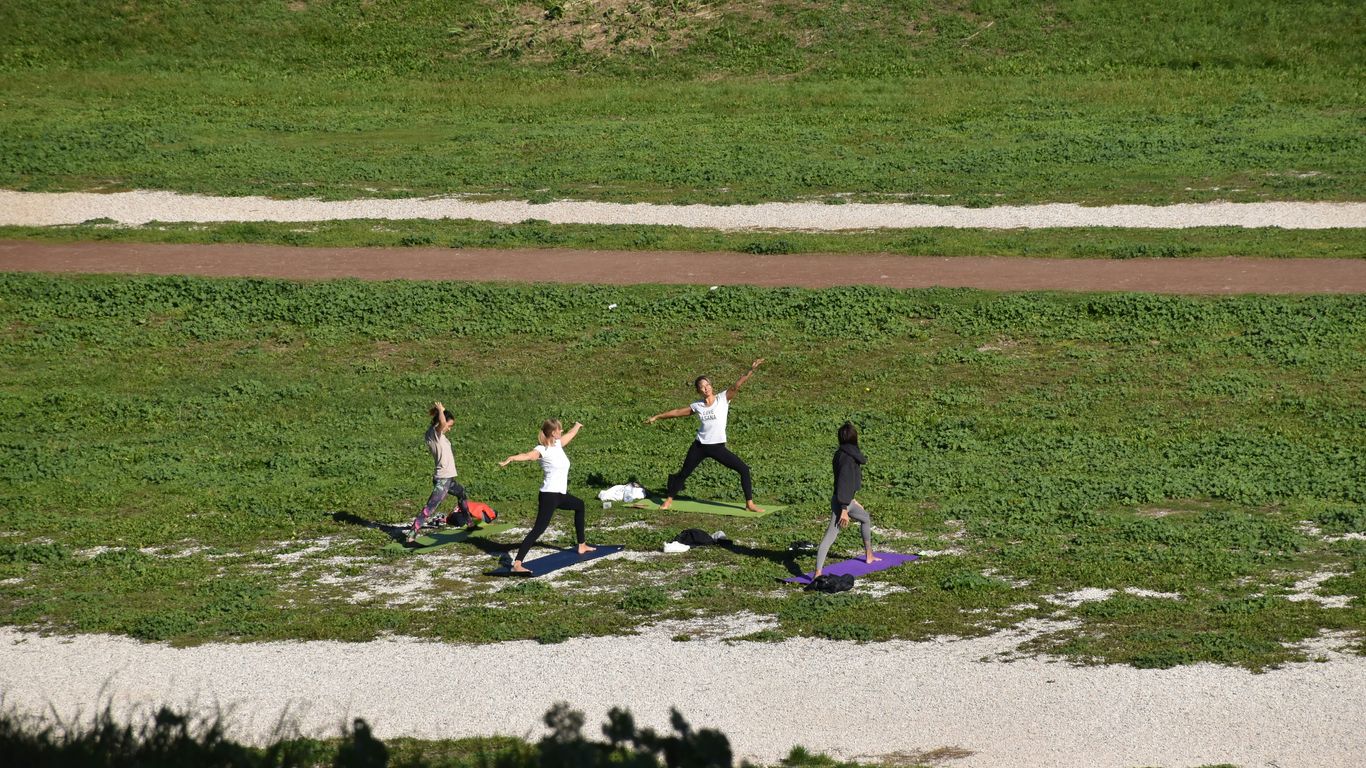
How to find the right opportunity
- Ask about the physical demands. Coordinators can tell you how much standing, lifting and walking a role involves.
- Look close to home. A shift 10 minutes away is one you’ll actually keep.
- Try a one-time event first. A single clean-up day or build day lets you test the fit before committing.
- Check local listings. Food banks, animal shelters, parks departments, community centres, places of worship and local volunteer centres often post needs.
Stay comfortable and safe
- Warm up. A few minutes of easy walking and shoulder rolls before lifting or digging.
- Lift smart. Bend your knees, keep the load close to your body, and ask for help with heavy items.
- Dress for the task. Supportive closed-toe shoes, layers outdoors, gloves for garden and clean-up work.
- Drink water and bring a snack. Long outdoor shifts can leave you drained. A water bottle and a piece of fruit or a handful of nuts help.
- Use the talk test. If you can’t speak a full sentence, slow down.
- Rotate tasks. Switch between standing, walking and sitting jobs so one body part doesn’t take all the strain.
Track it so it counts
Log your shifts the same way you’d log a workout: date, minutes, and how hard it felt on a 1–10 scale. A step counter can show how much walking a shift involves. After a month, you’ll see how much of your weekly movement comes from service. For more ideas on keeping short bouts of activity in your week, see our 10-minute buffer workout templates.
When to check with a professional
Talk with your doctor before starting physically demanding volunteer work if you have heart or lung disease, uncontrolled blood pressure, recent surgery, a joint injury, or if you’ve been mostly inactive and are planning heavy lifting or vigorous work. Stop and seek help if you have chest pain, dizziness or unusual shortness of breath.
Key takeaways
- Many volunteer roles reach moderate intensity and can count toward 150 minutes a week.
- Match the role to your fitness: sorting and shelving for gentle movement, planting and building for more effort.
- One regular shift plus active travel can fill a large share of your weekly movement.
- Keep a short strength routine and use safe lifting habits.
- Log shifts like workouts so you can see the progress.
FAQ
Does standing at a volunteer table count as exercise?
Standing is better than sitting, but it’s usually light activity. To count toward moderate minutes, look for roles with steady walking, carrying or digging.
Can volunteering replace the gym?
It can cover much of your cardio. Most people still benefit from a short, planned strength routine twice a week to work all major muscle groups.
What if I can only volunteer once a month?
That’s still worthwhile. Treat it as a bonus and keep your regular walks and strength work during the rest of the month.