
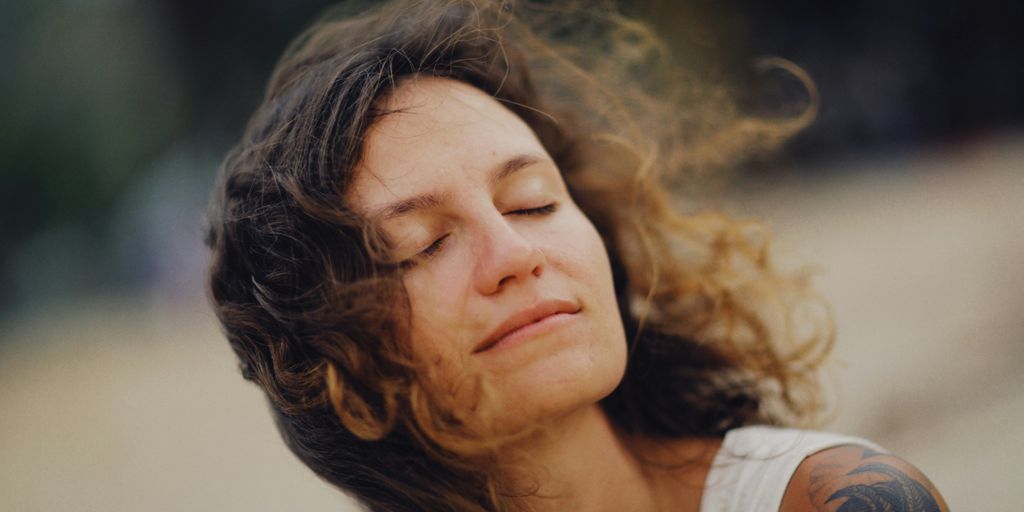
The best-supported “vagus nerve exercise” is slow breathing, especially with a long, unhurried exhale, which shifts the body toward its rest-and-digest state. Humming and brief cold water on the face are simple add-ons that many people find calming. None of these needs special equipment, and each takes one to five minutes, so you can stack them onto things you already do during the day.
What the vagus nerve does
The vagus nerve is a long cranial nerve that runs from the brainstem to the heart, lungs and digestive tract. It’s a major part of the parasympathetic nervous system, the “rest and digest” side that helps slow your heart rate after stress and supports digestion.
You’ll often see the term vagal tone. Researchers usually estimate it through heart rate variability (HRV), the natural variation in time between heartbeats. Higher HRV at rest is generally a sign that your nervous system can shift easily between alert and calm.
A note on expectations: a lot of online content overstates what home practices can do. You can’t “reset” your vagus nerve in a minute. What you can do is use your breath, voice and body to nudge your nervous system toward calm, and practise often enough that the shift comes more easily.
1. Slow breathing (the strongest evidence)
A systematic review found that breathing slower than 10 breaths per minute increased heart rate variability and was linked to greater relaxation and comfort, and less anxiety in healthy adults. Most people breathe around 12 to 20 times a minute at rest, so this simply means slowing down.
Belly breathing (2–5 minutes)
The NHS recommends a simple breathing exercise for stress:
- Sit or lie comfortably, with one hand on your belly.
- Breathe in gently through your nose, as deep into your belly as is comfortable. Count to 5 if that helps.
- Breathe out gently through your mouth, counting to 5 again.
- Keep going for at least 5 minutes. You may not reach a count of 5 at first, and that’s fine.
The NHS notes you’ll get the most benefit from practising regularly as part of your routine.
Longer-exhale breathing (1–2 minutes)
Breathe in for a count of 4 and out for a count of 6. Lengthening the out-breath is a natural way to slow your overall breathing rate. This is a good one for a stressful moment, because it’s quick and nobody can tell you’re doing it.
Box breathing (1–2 minutes)
In for 4, hold for 4, out for 4, hold for 4. Some people like the structure. If the holds make you feel lightheaded or anxious, shorten them or drop them and use longer-exhale breathing instead.
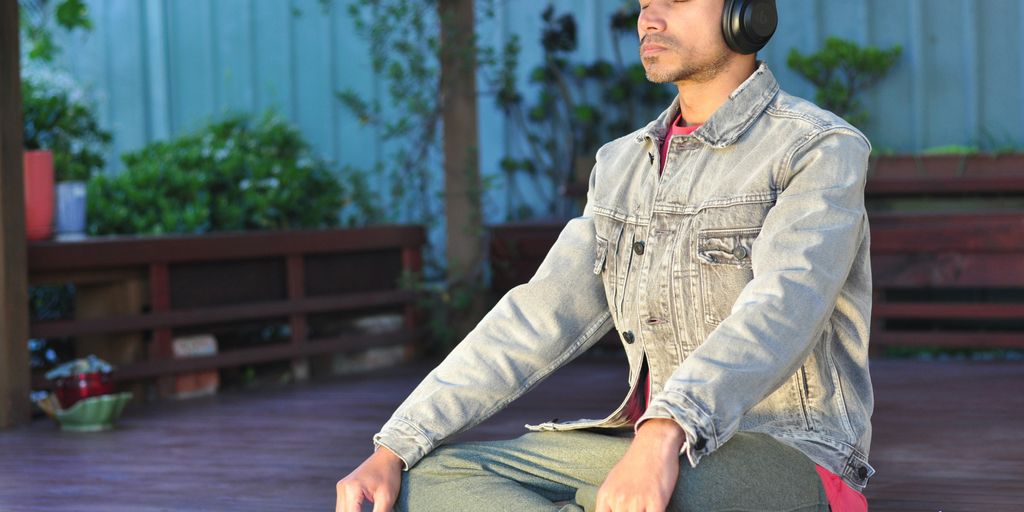
2. Humming, singing and slow vocal sounds
The vagus nerve has branches that supply the muscles of the throat and voice box, which is why voice-based practices come up so often. Direct evidence that humming “stimulates the vagus nerve” is limited. What’s clear is that humming, slow singing and chanting all stretch out the exhale, so they naturally slow your breathing, which the research above supports.
Try it
- Humming exhale (1 minute): breathe in through your nose, then hum on a comfortable low note for the whole out-breath. Repeat 5–6 times.
- Sing along: one slow song in the car or while doing dishes.
- Gargling: some people gargle water for 20–30 seconds as a reset. It’s harmless to try, but treat it as a cue to pause rather than a proven technique.
3. Cold water on the face (micro-doses)
Cold water on the face can trigger the diving reflex. A clinical reference from the U.S. National Library of Medicine explains that cold applied to the face increases vagal tone and slows the heart rate. It also notes there’s no agreed best method, duration or temperature.
Gentle ways to try it
- Cool splash: splash cool to cold water on your face, especially the forehead, eyes and cheeks, 3–5 times.
- Cold cloth: hold a cold, damp cloth or a wrapped cold pack over your eyes and cheeks for 15–30 seconds, while breathing slowly.
- Cool shower finish: end your usual warm shower with 15–30 seconds of cooler water, if it feels okay.
More isn’t better. Full ice-water face dunks or long cold plunges carry more risk and aren’t needed for a calming effect. Skip cold exposure if you have a heart rhythm problem or heart disease, Raynaud’s, or if it makes you feel faint, unless your doctor says it’s okay.
4. Gentle movement and slower meals
These don’t target the vagus nerve directly, but they support the same rest-and-digest state:
- A short walk after meals. Easy movement is calming for many people and can feel good for digestion.
- Yoga, tai chi or qigong. All pair slow movement with slow breathing, which is likely a big part of why people find them relaxing.
- Eating without rushing. Sitting down, chewing well and taking a few slow breaths before you start help you notice hunger and fullness. See how to eat more mindfully with a busy schedule.
- Time with people you feel safe with. Connection, laughter and hugs are part of how humans calm down.

How to stack these into your day
The easiest way to make a practice stick is to attach it to something you already do. Pick two or three anchors to start:
| Existing habit | Mini-practice | Time |
|---|---|---|
| Morning face wash | 3–5 cool splashes, then 3 slow breaths | 1 min |
| Kettle or coffee brewing | Longer-exhale breathing (in 4, out 6) | 1–2 min |
| Before opening email | 5 humming exhales | 1 min |
| Before lunch | 3 slow breaths, then put your phone away | 30 sec |
| After a stressful call | Box or longer-exhale breathing | 1–2 min |
| After dinner | 10-minute easy walk | 10 min |
| In bed | NHS belly breathing | 5 min |
If evenings feel frantic, pairing these with fewer evening decisions can help; see our guide to defending against decision fatigue.
What about acupressure, ear massage and other techniques?
You’ll see claims about pressing points on the ear, face or neck to “activate” the vagus nerve. Clinical vagus nerve stimulation does exist, but it uses medical devices under supervision. Evidence for home acupressure versions is weak. If you enjoy a gentle ear or neck massage, there’s no harm in it, but it’s better to put your time into slow breathing first.
When to check with a professional
- You have a heart condition, low blood pressure, a history of fainting or a pacemaker: ask your doctor before trying cold exposure or breath-holding.
- You’re pregnant, or have asthma or COPD: talk to your care provider about which breathing practices suit you.
- Breathing exercises make you dizzy, tingly or more anxious: stop, breathe normally and try a gentler version. Mention it to your doctor if it keeps happening.
- Stress, anxiety, low mood or poor sleep are affecting daily life: these practices can complement care, but they’re not a replacement for support from your doctor or a mental health professional.
- You have ongoing digestive symptoms, chest pain or heart palpitations: get them assessed rather than trying to self-treat.
Key takeaways
- Slow breathing, under about 10 breaths a minute, has the best evidence for shifting your body toward calm.
- A longer exhale is the simplest way to slow your breathing anywhere.
- Humming and singing work largely by lengthening the exhale.
- A brief cool face splash can trigger the diving reflex; keep it gentle and skip it if you have heart concerns.
- Attach one-minute practices to habits you already have.
- Consistency matters more than intensity.
Frequently asked questions
How long until I notice a difference?
Many people feel calmer during or right after a few minutes of slow breathing. Longer-term changes depend on regular practice, so aim for a few short sessions most days.
Can I measure my vagal tone at home?
Some wearables estimate HRV. Readings vary with sleep, hydration, illness and stress, so look at trends over weeks rather than single numbers.