
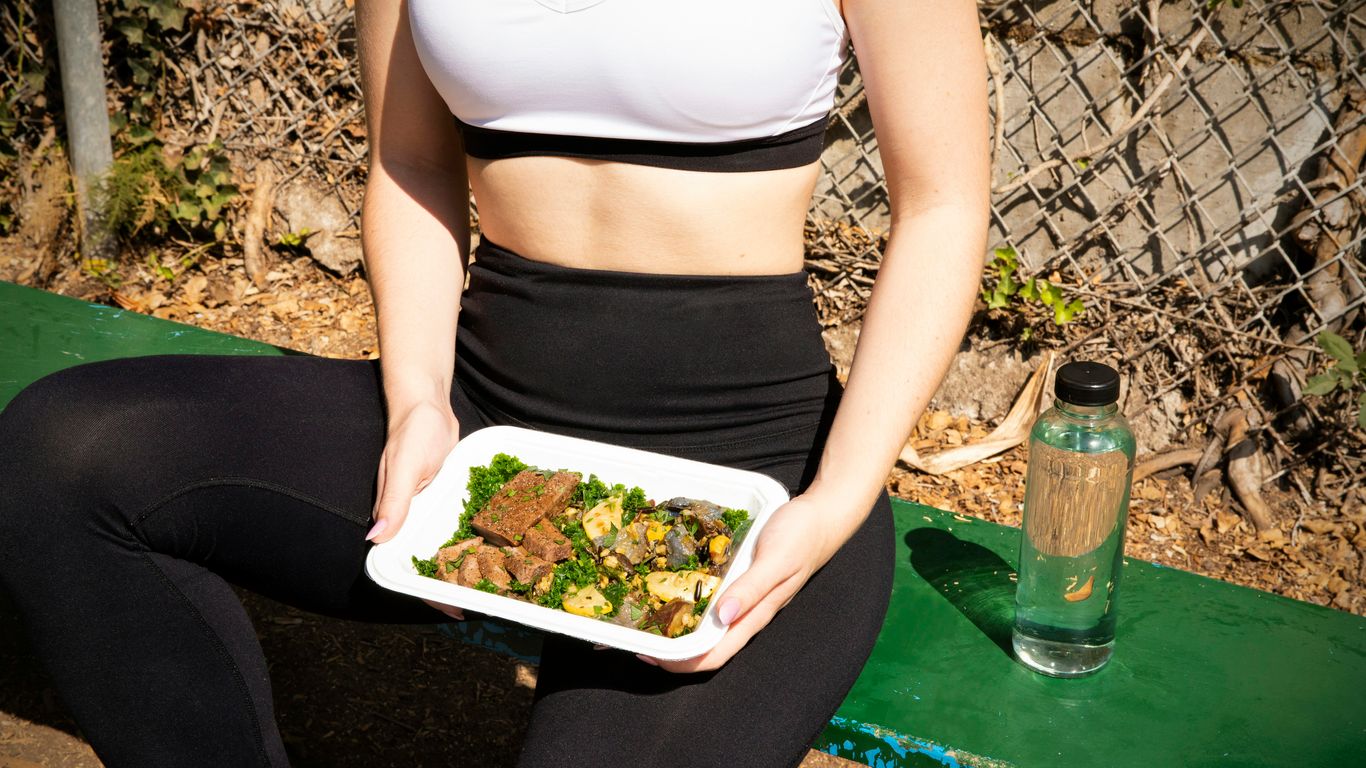
VO₂ max, your body’s top rate of using oxygen during hard exercise, improves mainly through training, especially intervals and steady endurance work. Food helps you train well enough to adapt: enough carbohydrate to fuel the hard sessions, protein and carbohydrate afterward to recover, and nitrate-rich vegetables such as beets, spinach and arugula, which may make moderate exercise slightly less costly in oxygen. Food alone will not raise VO₂ max, but underfuelling can hold it back.
What VO₂ max is and why it matters
VO₂ max is a measure of cardiorespiratory fitness: how well your heart, lungs, blood and muscles work together to deliver and use oxygen. Higher fitness is linked with better long-term health and makes everyday activity feel easier. It rises when you regularly spend time at challenging intensities. Mayo Clinic describes vigorous activity as feeling challenging, with deep, rapid breathing where you can’t say more than a few words without pausing for breath.
Those hard sessions are exactly the ones nutrition affects most. If you start them low on fuel, you cannot hold the effort long enough to get the training benefit.
Nitrates: what they do and where to find them
Inorganic nitrate is found naturally in many vegetables. Once eaten, it is converted to nitrite and then, especially when oxygen is low, to nitric oxide, which helps regulate blood flow and muscle metabolism. A review in Sports Medicine found that dietary nitrate reduces resting blood pressure and the oxygen cost of submaximal exercise, and can, in some circumstances, enhance exercise tolerance and performance. It also notes that nitrate is abundant in green leafy vegetables and beetroot.
Effects vary between people, and well-trained athletes sometimes see smaller benefits. Think of nitrate-rich foods as a helpful habit, not a shortcut.
Nitrate-rich foods
- Beets and beet juice
- Arugula (rocket)
- Spinach and Swiss chard
- Lettuce, especially leafy varieties
- Celery
- Bok choy and other leafy greens
Practical ways to use them
- Build salads on arugula and spinach rather than iceberg.
- Roast a tray of beets each week for bowls and salads.
- Blend spinach or beet into a fruit smoothie with milk or yogurt.
- If you want to try beet juice or concentrated beet shots before key sessions, start in training rather than on race day, and ask a sports dietitian about amount and timing. Beets can turn urine or stool pink or red, which is harmless.
Nitrates from vegetables are different from the nitrites added to cured and processed meats; those are not part of this strategy.
Carbohydrates: fuel for the hard sessions
Intervals and tempo efforts rely heavily on carbohydrate stored in your muscles as glycogen. The joint position of the Academy of Nutrition and Dietetics, Dietitians of Canada and the American College of Sports Medicine states that performance and recovery are enhanced by well-chosen nutrition strategies, including the type, amount and timing of food and fluids, and recommends a registered dietitian for personalized plans.
Practical carb timing:
| When | What it looks like |
|---|---|
| Day before a hard session | Regular meals with a solid portion of grains, potatoes, beans or fruit; no need to cut carbs |
| 2–3 hours before | A balanced meal: oatmeal with fruit and yogurt, a rice bowl, a sandwich with fruit |
| 30–60 minutes before | A light carb snack if hungry: banana, toast with honey, a few dates, applesauce |
| During long sessions (over about an hour) | Water plus some easy carbohydrate, such as a banana, dried fruit or a sports drink |
| Easy or rest days | Regular balanced meals; slightly smaller grain portions if you are less hungry |
Our guide to smart carb timing around training has more templates, and Zone 2 fueling covers the easy aerobic days that make up most of a good week.
Recovery meals that help you adapt
Training is the stimulus; recovery is when your body builds more mitochondria, capillaries and blood volume. A recovery meal or snack within a couple of hours of a hard session should include:
- Protein to repair muscle: eggs, Greek yogurt, milk, tofu, beans, lentils, fish or chicken.
- Carbohydrate to restore glycogen: rice, potatoes, pasta, bread, oats, fruit.
- Colourful vegetables and fruit for vitamins, minerals and, where possible, more nitrates.
- Fluids: water or milk, plus some salt in food if you sweat heavily.
Recovery meal ideas
- Rice bowl with salmon or tofu, roasted beets, spinach and a soy-ginger dressing
- Whole grain pasta with lentil tomato sauce and an arugula salad
- Smoothie with milk, Greek yogurt, banana, frozen berries and a handful of spinach, plus toast
- Egg and potato hash with peppers and greens
- Bean and sweet potato burrito bowl with lettuce, salsa and cheese
Putting it together: a sample training week
| Day | Training | Food focus |
|---|---|---|
| Monday | Easy aerobic, 30–45 minutes | Regular balanced meals; spinach salad at lunch |
| Tuesday | Intervals (hard) | Carb-containing meal 2–3 hours before; recovery meal with protein, carbs and beets or greens after |
| Wednesday | Strength or rest | Regular meals; protein at each |
| Thursday | Tempo or hill session (hard) | Same pattern as Tuesday; arugula or spinach with dinner |
| Friday | Rest | Regular meals; slightly smaller grain portions if less hungry |
| Saturday | Long easy session, 60–90 minutes | Breakfast with carbs; water and a snack during; recovery meal after |
| Sunday | Easy walk or rest | Batch-cook grains, roast beets, prep recovery meals |
Only two or three sessions a week need special fuelling attention. The rest of the time, regular balanced meals with plenty of vegetables do the job.
Energy availability: do not undereat
Trying to lose weight quickly while adding hard training is a common mistake. Eating too little relative to training can reduce training quality, slow recovery, weaken bones and, in women, disrupt periods. If your sessions feel flat for more than a week or two, look at whether you are eating enough before cutting further. Rest days matter too; see our article on recovery days.
Iron and hydration
Iron helps carry oxygen in your blood, so low iron directly limits endurance. Include iron-rich foods such as beans, lentils, tofu, fortified cereals, pumpkin seeds and leafy greens, paired with vitamin C foods. If you are unusually tired or short of breath, ask your doctor about a blood test rather than taking iron supplements on your own. Drink water through the day and around sessions; a simple check is pale yellow urine.
When to check with a professional
Talk to your doctor before starting high-intensity training if you have heart disease, high blood pressure, diabetes, chest pain or dizziness with exercise, or if you have been inactive for a long time. Ask before using beet juice concentrates or other supplements if you take blood pressure medication or have kidney problems. Missed periods, frequent injuries or ongoing fatigue are reasons to see a doctor and a sports dietitian.
Takeaways
- VO₂ max improves through training; nutrition helps you train hard enough and recover well enough to adapt.
- Eat nitrate-rich vegetables like beets, arugula and spinach most days.
- Have carbohydrate before hard sessions and carbohydrate plus protein after.
- Do not undereat while training hard; watch for flat sessions and missed periods.
- Keep iron-rich foods and fluids in your daily routine.