
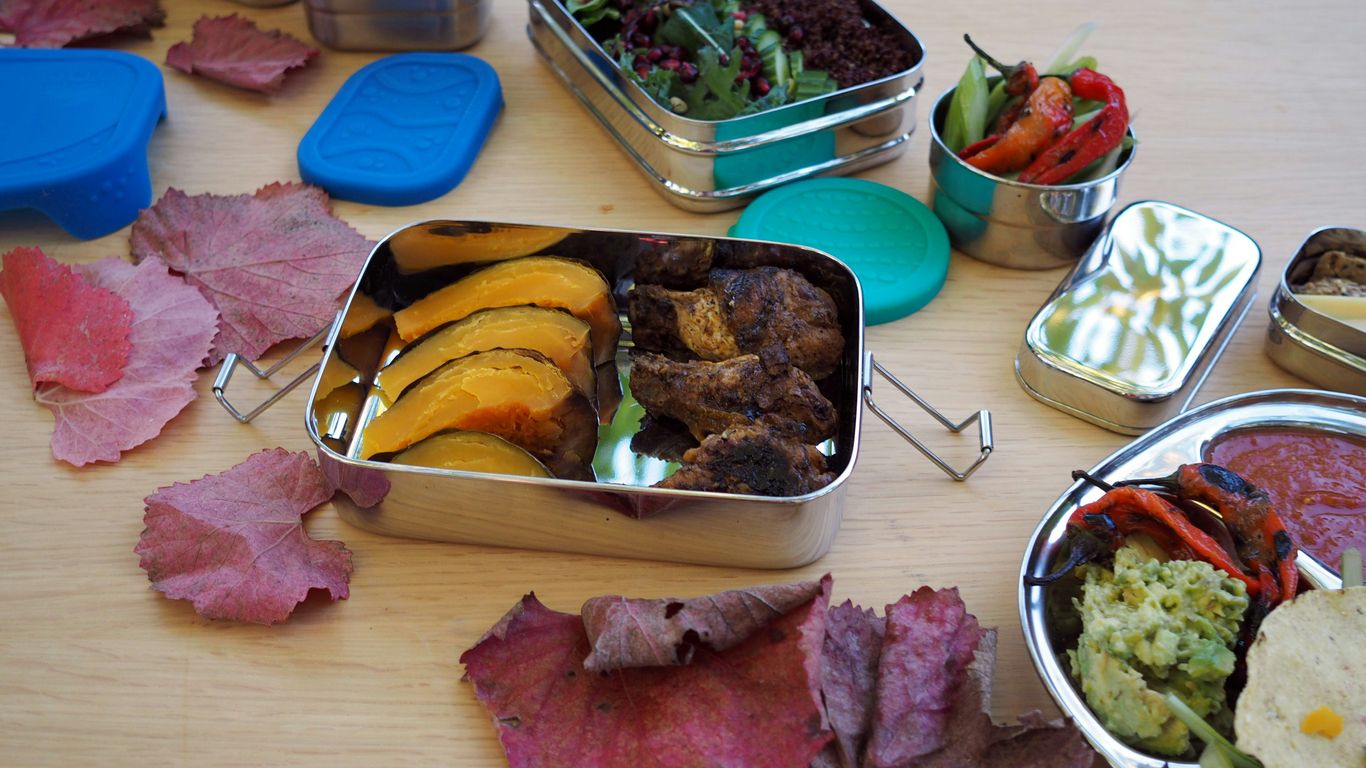
Steady energy on a desk day mostly comes down to three things: a real lunch that combines protein, fibre-rich carbohydrate and produce; one planned snack for the mid-afternoon dip; and getting up from your chair regularly. Below are no-cook lunch formulas, a desk-drawer and office-fridge stocking list, and a 20-minute weekly prep plan that makes all of it easy.
Why desk days drain energy
The afternoon slump usually has several causes at once:
- A skipped or very light lunch
- A lunch made almost entirely of refined carbohydrates (a plain bagel, white pasta, pastries) with little protein or fibre to make it last
- Long stretches without water
- Hours of uninterrupted sitting
The good news is that none of the fixes need much cooking.
The desk-day plate
Every lunch or substantial snack gets three components, and a fourth if you like:
- Protein (for staying power): eggs, Greek yogurt, cottage cheese, canned tuna or salmon, chicken, tofu, edamame, beans, lentils, hummus
- Fibre-rich carbohydrate (for fuel): whole-grain bread, wraps or crackers, oats, brown rice, quinoa, beans, fruit
- Vegetables or fruit (for volume, crunch and nutrients): cherry tomatoes, cucumber, snap peas, baby carrots, bell pepper, berries, apples
- A little fat or flavour (optional, for satisfaction): nuts, seeds, avocado, cheese, olive oil dressing, pesto
When lunch includes the first three, it tends to hold you for several hours. When one is missing, protein most often, the slump tends to arrive sooner.
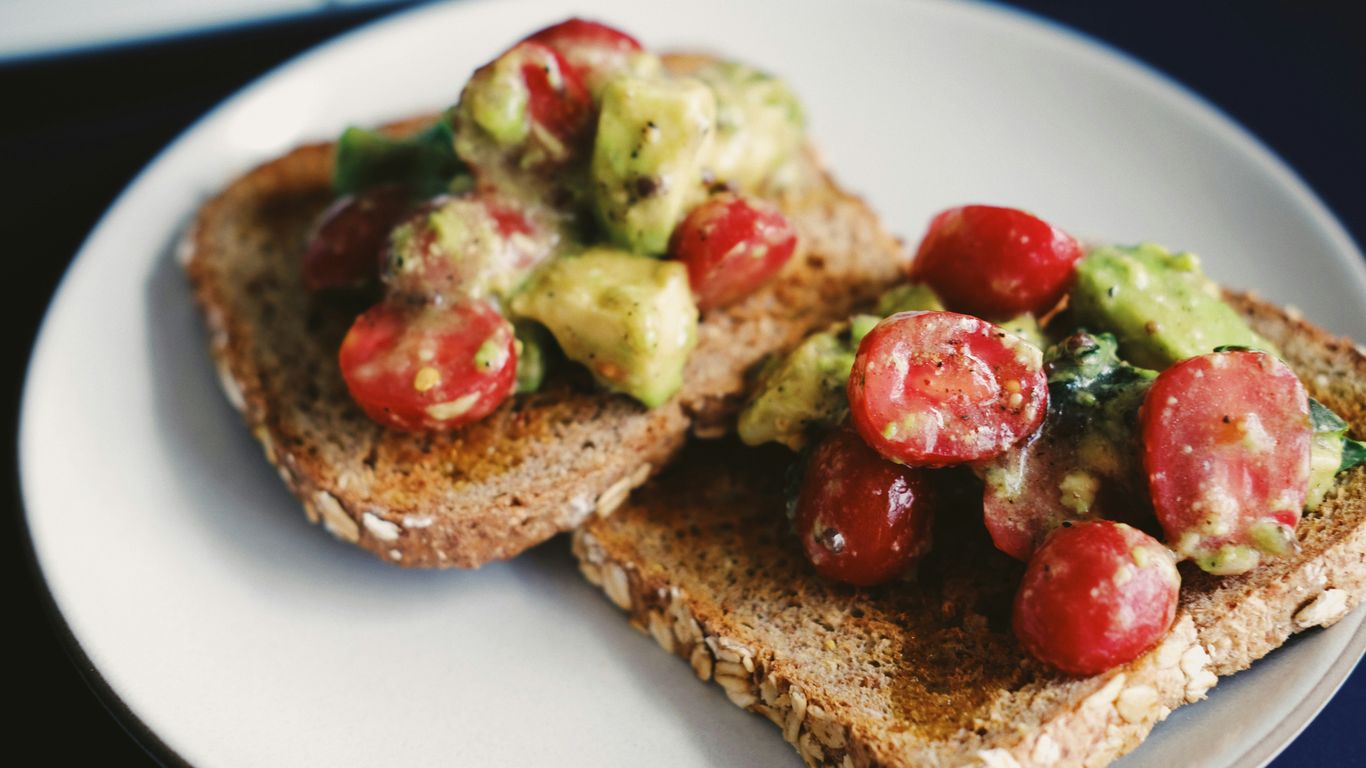
No-cook lunch formulas
| Lunch | Protein | Carbohydrate | Produce | Prep |
|---|---|---|---|---|
| Tuna crunch wrap | Pouch of tuna or salmon | Whole-grain wrap | Spinach, cucumber, shredded carrot | 3 min at the office |
| Snack-plate lunch | 2 hard-boiled eggs + cheese | Whole-grain crackers | Snap peas, cherry tomatoes, an apple | Pack the night before |
| Bean and grain bowl | Rinsed canned chickpeas or black beans | Pre-cooked quinoa or rice cup | Bell pepper, corn, salsa | 5 min, or batch on Sunday |
| Hummus box | Hummus + edamame | Whole-wheat pita | Carrots, cucumber, grapes | Pack the night before |
| Yogurt bowl | Plain Greek yogurt or cottage cheese | Oats or low-sugar granola | Berries | 2 min |
| Leftovers upgrade | Last night’s chicken, fish or tofu | Last night’s grain or potato | A handful of greens or a piece of fruit | 1 min |
Stock your desk and office fridge
Canada’s Food Guide advice on healthy eating at work suggests including your work meals and snacks in your meal plan. It also recommends keeping a small amount of healthy food at work, such as oats, canned fish or nuts, for days you forget to pack something.
Desk drawer (shelf-stable)
- Unsalted nuts, seeds or trail mix in pre-portioned bags (about ¼ cup each)
- Single-serve nut or seed butter packets
- Whole-grain crackers or brown rice cakes
- Tuna or salmon pouches
- Instant plain oats
- Roasted chickpeas or edamame
- Apples, oranges and bananas (they last a few days at room temperature)
- A spoon, a fork and a small reusable container
Office fridge (if you have one)
- Plain Greek yogurt, or a soy or other plant-based yogurt
- Cheese strings or portioned cheese
- Hard-boiled eggs (keep in the fridge and use within a few days)
- Hummus
- Pre-cut vegetables
- Milk or a fortified soy beverage
No fridge? Pack perishables in an insulated lunch bag with an ice pack, and stick to shelf-stable proteins on hot days.
A planned afternoon snack
If there’s more than four or five hours between lunch and dinner, a planned snack keeps you from showing up at dinner ravenous, or raiding the office treats at 3 p.m. Pair a protein or fat with a fibre-rich carbohydrate:
- An apple with a peanut butter packet
- Greek yogurt with berries
- Cheese and whole-grain crackers
- Carrots and snap peas with hummus
- A small handful of nuts with a piece of fruit
- Roasted chickpeas with a clementine
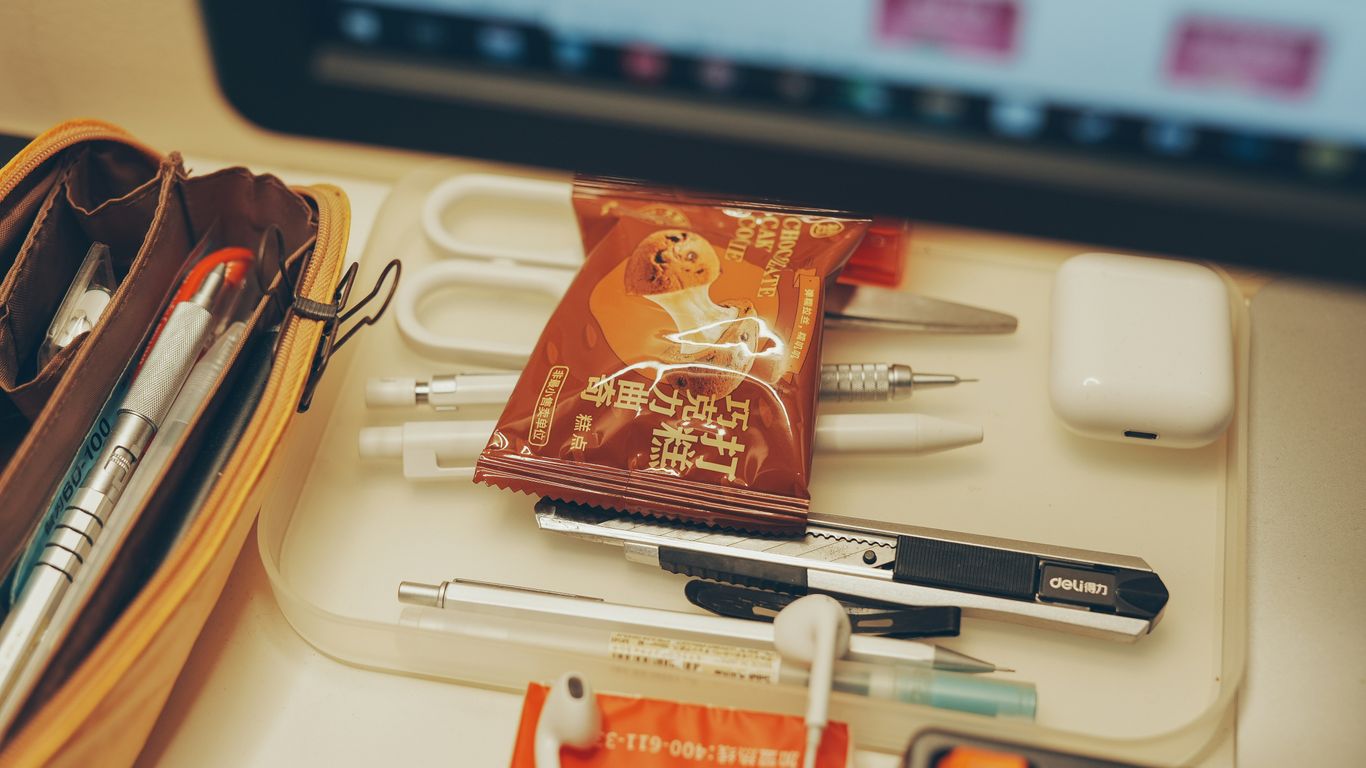
Water: keep it in reach
Mild dehydration is easy to miss when you’re focused on work. Canada’s Food Guide recommends making water your drink of choice instead of drinks high in sugars, sodium or saturated fat, and carrying a reusable water bottle. If plain water bores you, it suggests fruit- and herb-infused water or carbonated water, for example cucumber with raspberries, or blackberries with mint.
A practical habit is to refill your bottle every time you get up, and have a glass with lunch and with your afternoon snack. Herbal tea, sparkling water, and coffee or tea without lots of added sugar count too.
Movement: the other half of afternoon energy
Food is only part of the slump. Canada’s 24-Hour Movement Guidelines for adults recommend limiting sedentary time to 8 hours or less a day and breaking up long periods of sitting as often as possible. On a desk day that might look like:
- Standing or walking for phone calls
- A 5-minute walk after lunch, even just a lap of the building
- Getting up to refill your water every hour or so
- A couple of stretches at your desk between tasks
Canada’s Food Guide also suggests eating meals away from your desk when you can. A short change of scenery makes lunch more satisfying and gives your eyes and brain a real break.
The 20-minute weekly prep
Pick one block of time on the weekend or a weeknight:
- Boil 6–8 eggs (about 10 minutes, mostly hands-off).
- Cook one batch of grain (quinoa, rice or farro), or buy pre-cooked cups.
- Wash and cut two or three vegetables into sticks and store them in containers.
- Portion snacks into five small bags or containers: nuts, roasted chickpeas, crackers.
- Restock the desk drawer with anything that’s run low.
Then each morning, or the night before, assembling lunch takes about three minutes: one protein, one carbohydrate, one produce item.
Food safety reminders
- Keep perishable lunches cold until you eat them: in the fridge, or in an insulated bag with an ice pack.
- Don’t leave cooked food at room temperature for more than two hours, per Health Canada’s leftovers guidance.
- Label prepped containers with the day, and use cooked leftovers within a few days.
Takeaways
- Build lunch from protein, a fibre-rich carbohydrate and vegetables or fruit.
- Plan one afternoon snack that pairs protein or fat with fibre.
- Keep a backup stash in your desk: nuts, tuna pouches, oats, crackers, fruit.
- Keep a water bottle on your desk and refill it every time you get up.
- Break up sitting, and step away from your desk to eat when you can.
- Twenty minutes of weekly prep makes daily lunches a three-minute job.
FAQ
What if my office has nowhere to keep food cold?
Use an insulated bag with an ice pack, and lean on shelf-stable proteins such as tuna or salmon pouches, nut butter, roasted chickpeas and shelf-stable soy beverage.
Are protein bars a good desk snack?
They’re a reasonable backup. Check the label for a decent amount of protein and fibre, and not much added sugar. For everyday snacking, whole-food pairings like fruit with nuts or yogurt are usually more satisfying.