
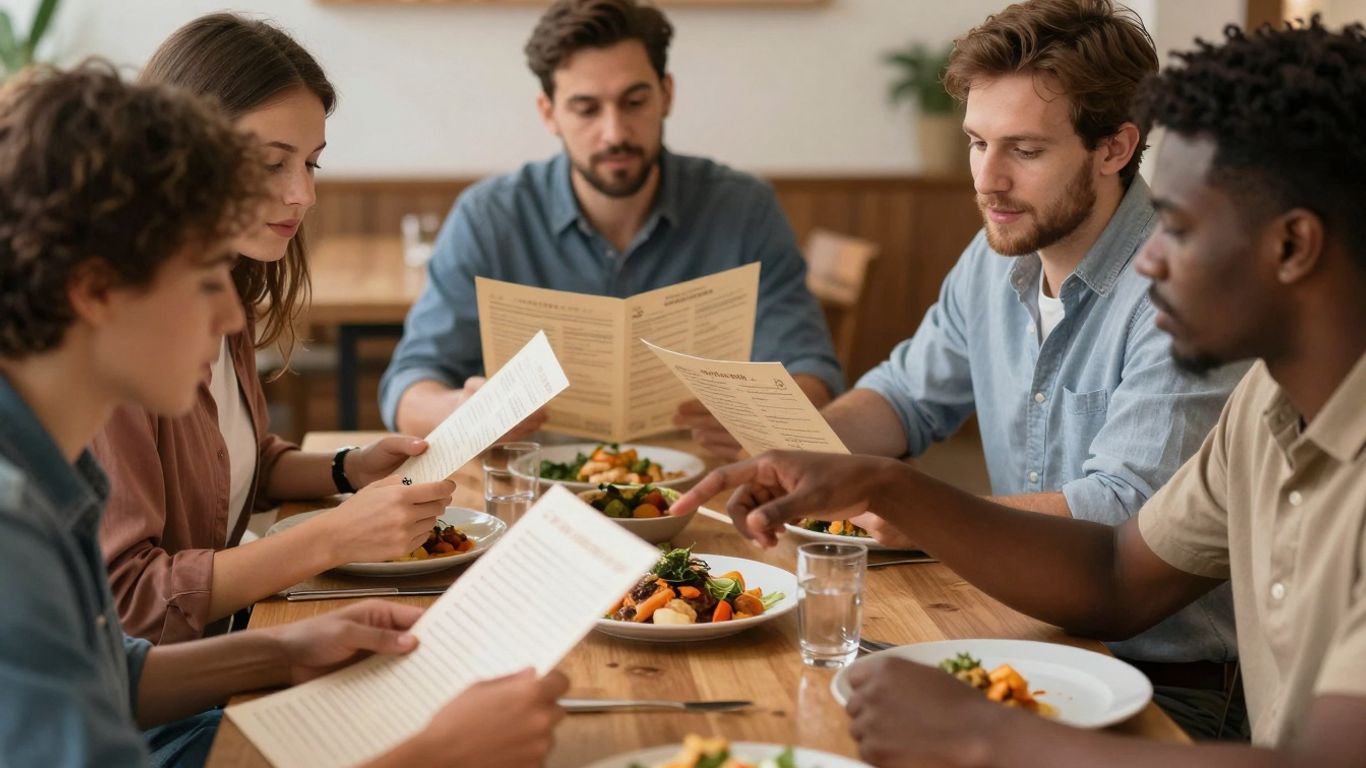
Getting a restaurant off the ground and running smoothly takes more than just good food. It’s about making sure customers feel good about their choice from the moment they see your menu to the last bite. Building that sense of trust and confidence, what we’re calling ‘restaurant confidence,’ is key. It means being clear about what you offer, making it easy for people to understand, and having your team ready to go. Let’s break down how to make your restaurant shine.
Key Takeaways
- Your menu is more than just a list of dishes; it’s your restaurant’s first handshake and a big part of your brand story. Make it look good and tell people what makes you special.
- Clear descriptions and consistent quality build trust. Customers need to know what they’re getting and be sure it’s good every time.
- Practice makes perfect for your staff. Running through orders helps them get faster, more accurate, and better at handling different situations, which boosts restaurant confidence.
- Setting clear rules, like service standards and what you can realistically do, helps avoid problems and keeps customers happy.
- Using technology, like digital menus or ordering systems, can make things easier for both customers and your team, improving the overall experience.
Mastering Your Restaurant’s First Impression
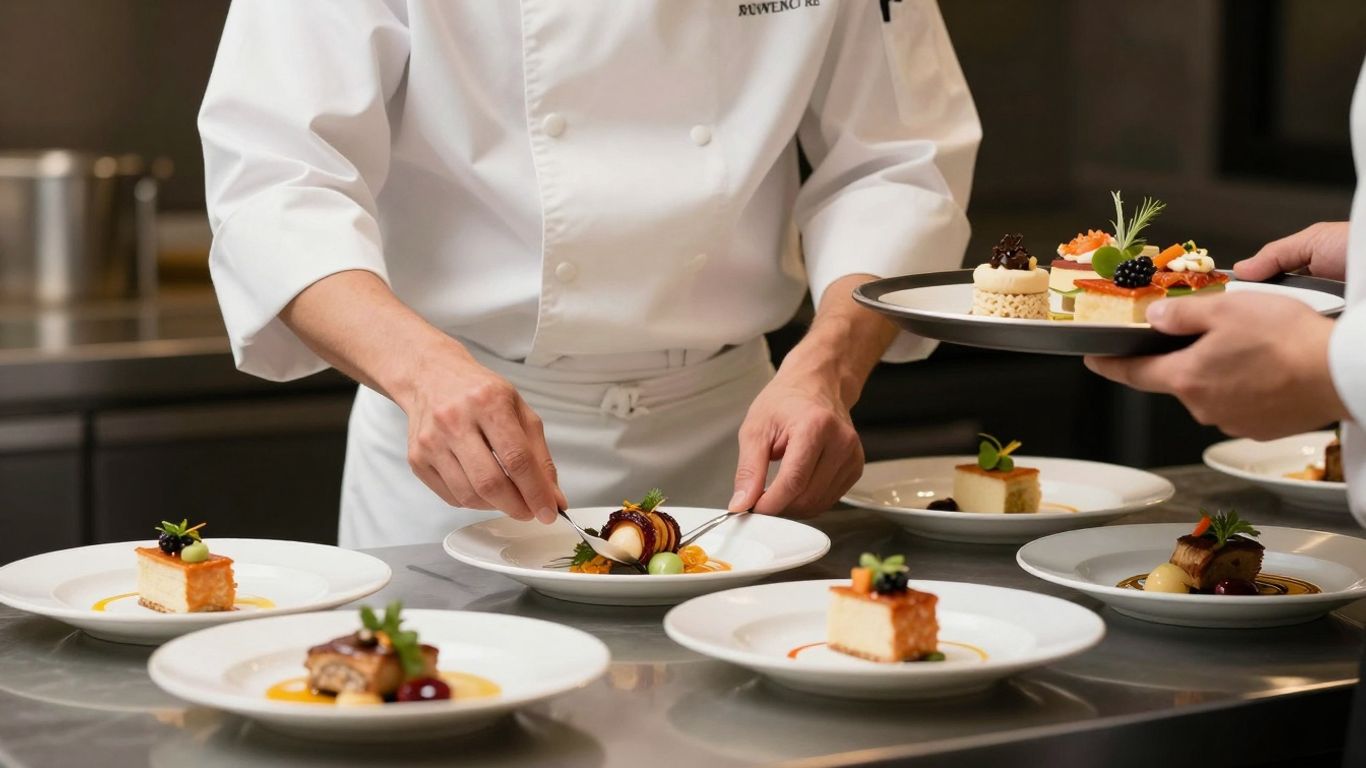
The very first moment a potential customer interacts with your restaurant, even before they taste your food, is through your menu. Think of it as your silent salesperson, working hard to tell your story and make a connection. It’s not just a list of dishes; it’s a carefully crafted piece of your brand. A well-designed menu can significantly influence a diner’s perception and their ultimate decision to visit.
The Menu As A Brand Storyteller
Your menu is a prime opportunity to communicate what makes your restaurant special. It should reflect your restaurant’s personality, its values, and the unique experience you aim to provide. Use descriptive language that paints a picture of the food and evokes a sense of anticipation. Consider how the tone of your descriptions aligns with your overall brand. Are you aiming for casual and fun, or sophisticated and elegant? The words you choose matter.
Visual Enticement Through Design
Beyond the words, the visual presentation of your menu plays a huge role. The layout, fonts, colors, and even the paper quality contribute to the overall impression. A clean, organized, and visually appealing design makes it easy for customers to read and choose. Think about how the design guides the customer’s eye. Sometimes, strategically placed images of your most popular dishes can be very effective, making the food look irresistible.
Leveraging Digital Menus For Engagement
In today’s world, digital menus are becoming standard. They offer flexibility, allowing you to update specials or pricing easily. Integrating QR codes at tables is a common practice now, giving customers instant access to your menu on their phones. This can also be a chance to add interactive elements, like short videos of dishes being prepared or links to your social media, further engaging your audience and telling your brand’s story in a dynamic way.
Cultivating Customer Confidence Through Clarity
Making sure your customers feel good about their choice to eat with you is a big deal. It’s not just about the food, though that’s important. It’s about how you present everything, from the first glance at your menu to the final bite. When things are clear and easy to understand, people relax and enjoy themselves more. Think about it like this: if you’re trying to order something complicated and the menu is a mess, or the server seems unsure, you start to feel a little uneasy, right? That’s what we want to avoid.
Communicating Your Restaurant’s Unique Value
What makes your place special? It’s easy to get caught up in just listing dishes, but really, you’re selling an experience. Maybe you focus on locally sourced ingredients, or perhaps it’s a specific type of cuisine done with a personal touch. Whatever it is, make sure that comes through. It helps people connect with your brand beyond just a meal.
- Highlight what sets you apart: Is it your family recipes, your commitment to sustainability, or a particular atmosphere?
- Tell a story: A brief mention of your inspiration or philosophy can make a big difference.
- Show, don’t just tell: Use photos or descriptions that paint a vivid picture of your food and vibe.
The Psychology Behind Menu Choices
Menus aren’t just lists; they’re designed to guide people. The way items are described, their placement, and even the prices can influence what someone decides to order. For example, putting your most profitable dishes in a prominent spot often leads to more sales of those items. It’s a subtle art, but understanding it helps you present your menu in a way that’s both appealing and profitable.
People often make decisions based on how information is presented. A well-organized menu that makes popular or profitable items stand out can guide customers toward choices that benefit both them and the business.
Ensuring Consistency Across Offerings
This is where things can get tricky, especially as you grow. If you have multiple locations or a wide variety of dishes, keeping everything the same – from taste to portion size to presentation – is key. Customers expect the same great experience every time they visit, no matter where or when. This consistency builds trust and loyalty. It means they know what they’re getting, and they know it’s going to be good.
| Aspect | Standard Practice |
|---|---|
| Ingredient Quality | Use approved suppliers and consistent measurements. |
| Preparation | Follow standardized recipes and cooking times. |
| Plating | Adhere to visual guidelines for presentation. |
| Service | Train staff on consistent order taking and delivery. |
When everything aligns, from the kitchen to the front of house, customers feel confident they’ve made a good choice. They can relax, enjoy their meal, and look forward to coming back.
Strategic Menu Design For Enhanced Experience
Think of your menu as more than just a list of what you serve. It’s a key part of how people see your restaurant. The way it looks, feels, and reads can really make a difference in how a customer feels about their visit. It’s about making things look good and feel right, right from the start.
Elevating Brand Identity With Menu Aesthetics
Your menu’s look should match your restaurant’s vibe. Are you a cozy cafe, a fancy steakhouse, or a lively taqueria? The colors, fonts, and even the paper quality should hint at that. A well-designed menu helps tell your restaurant’s story before anyone even takes a bite. It’s like the cover of a book – it gives people an idea of what’s inside. Using high-quality paper and clean layouts makes things feel more professional. Simple things like consistent branding across the menu and other materials, like your website or social media, help build a strong image in people’s minds.
Incorporating Seasonal Specials And Promotions
Keeping your menu fresh with seasonal items or special deals can bring people back. It shows you’re paying attention to what’s available and what customers might like. Think about adding a special soup in the fall or a refreshing salad in the summer. These can be highlighted on the menu, maybe with a special section or a different color. It’s a good way to test new dishes too. If a seasonal item does really well, you might even consider adding it permanently.
Here are a few ideas for specials:
- Limited-Time Offers: Create a sense of urgency.
- Chef’s Specials: Highlight unique creations.
- Combo Deals: Offer value for money.
- Happy Hour Menus: Attract customers during off-peak times.
The Impact Of Typography And Color
Don’t underestimate the power of how words look and the colors you use. The font you choose can make your menu feel elegant, casual, or modern. It needs to be easy to read, too. Tiny, fancy fonts might look nice, but if people can’t read them, they’re not doing their job. Colors also play a big role. Warm colors like red and orange can make people feel hungry, while blues and greens might feel more calming. Using a color palette that matches your brand and makes the important items stand out is smart. It guides the customer’s eye and can even influence their choices. It’s all about creating a pleasant visual experience that matches the food you serve.
Building Trust Through Transparent Offerings
When customers walk into your restaurant, they’re placing a lot of trust in you. They’re trusting you to provide a safe, enjoyable, and delicious experience. Part of that trust comes from knowing exactly what they’re ordering. Being upfront about your food builds a stronger connection and keeps people coming back.
Clearly Defining Your Restaurant’s Niche
What makes your place special? Are you the go-to for authentic Neapolitan pizza, or maybe the spot for creative vegan comfort food? Pinpointing your niche isn’t just about marketing; it’s about setting expectations. When customers know what to expect, they’re less likely to be disappointed. It helps them choose you for the right reasons.
- Focus on a core cuisine or style.
- Identify your target audience.
- Highlight unique ingredients or preparation methods.
Setting Expectations With Accurate Descriptions
Your menu descriptions are more than just words; they’re a promise. Use language that accurately reflects the dish. If a dish is spicy, say so. If it contains common allergens, make that clear. This isn’t about hiding anything; it’s about being honest and respectful of your customers’ preferences and needs.
Being clear on your menu means fewer surprises for the customer and less back-and-forth with your staff. It simplifies the ordering process and helps people feel more confident in their choices.
Here’s a quick look at how to make descriptions work harder:
| Dish Name | Description | Key Ingredients/Notes |
|---|---|---|
| Spicy Shrimp Tacos | Three corn tortillas with seasoned shrimp, pico de gallo, and a chipotle crema. | Shrimp, Corn Tortillas, Chipotle Crema |
| Mushroom Risotto | Creamy Arborio rice cooked with wild mushrooms, Parmesan cheese, and a hint of truffle oil. | Arborio Rice, Wild Mushrooms, Parmesan, Truffle Oil |
| Berry Crumble | Warm mixed berries topped with a buttery oat crumble, served with vanilla bean ice cream. | Mixed Berries, Oats, Butter, Vanilla Ice Cream |
The Role Of Customer Feedback In Refinement
Listen to what your customers are saying. Are they consistently confused by a menu item? Do they often ask for modifications that suggest a misunderstanding? Feedback is a gift. It points out areas where your transparency might be falling short. Acting on this feedback shows you care and are committed to improving their experience.
Navigating Menu Complexity With Confidence
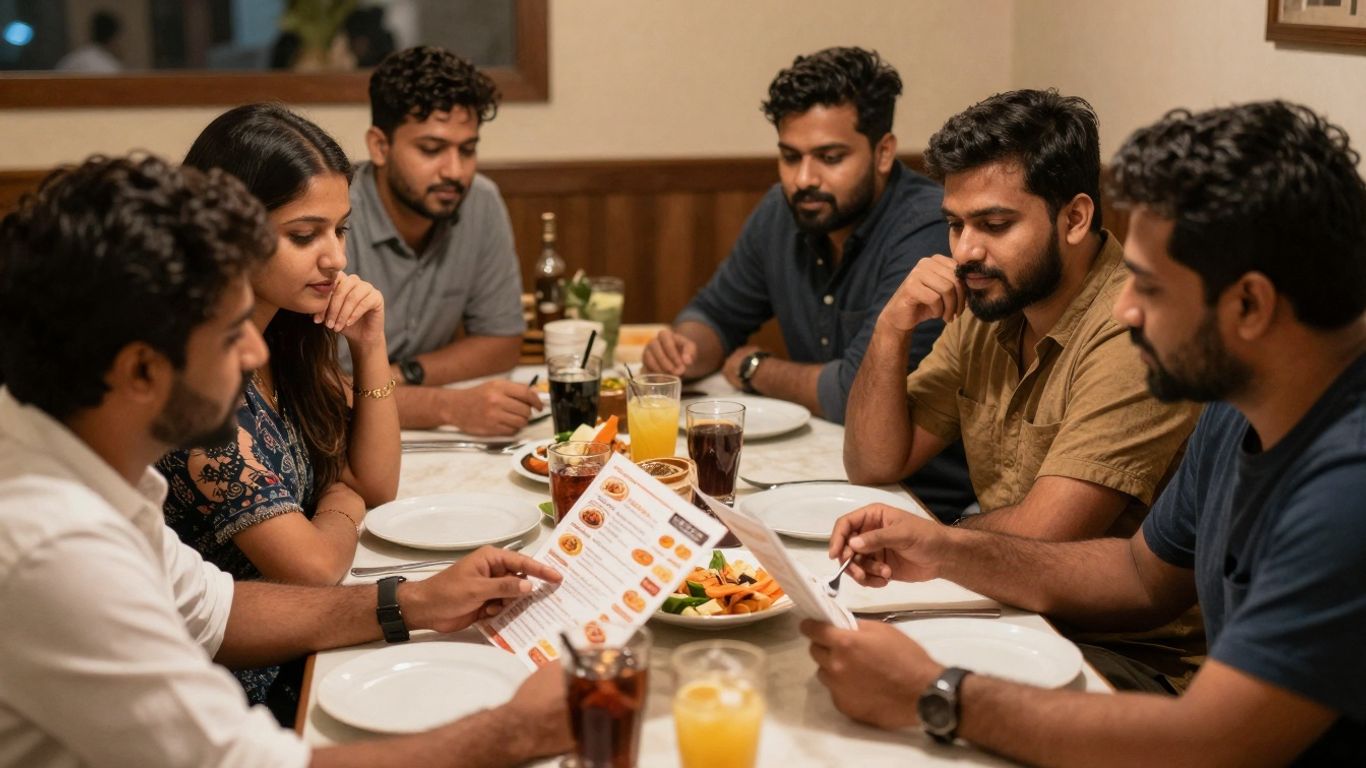
Running a restaurant means juggling a lot of moving parts, and your menu is right at the center of it all. It’s easy to get overwhelmed when you want to offer a wide range of dishes, cater to different tastes, and still keep things running smoothly. But here’s the thing: a complex menu doesn’t have to mean a complicated operation or a confused customer.
Managing Variety Without Sacrificing Quality
Offering a diverse menu can attract more customers, but it also puts pressure on your kitchen and staff. The key is to find a balance. Think about dishes that share common ingredients or preparation methods. This way, you can offer variety without needing a massive inventory or specialized equipment for every single item. For example, a "build-your-own" bowl concept allows customers to customize, but the kitchen can prepare a base of grains, proteins, and vegetables efficiently.
- Focus on core ingredients: Identify ingredients that can be used in multiple dishes.
- Standardize preparation: Develop clear, repeatable steps for preparing common components.
- Train your team thoroughly: Ensure everyone knows how to prepare and assemble different dishes correctly.
The goal is to make variety work for you, not against you.
Streamlining Operations For Diverse Offerings
When your menu grows, your operations need to keep up. This means looking at how orders are taken, how food is prepped, and how it’s all put together. Technology can play a big role here. Think about kitchen display systems (KDS) that show orders clearly and in real-time, or inventory management software that helps you track what you have and what you need. Even simple things, like organizing your kitchen stations logically, can make a huge difference.
A well-organized kitchen, even with a large menu, feels less chaotic. It’s about creating systems that support your offerings, not hinder them. This allows your staff to focus on making great food and providing good service, rather than getting lost in the shuffle.
The Benefits Of A Unified Customer Experience
No matter how many items are on your menu, customers want a simple, pleasant experience. They want to order, get their food, and enjoy it without confusion. This means your menu should be easy to read, your staff should be knowledgeable, and the ordering process should be straightforward. When everything works together, from the menu design to the final plate, customers feel confident and are more likely to return. It’s about making the complex look simple for the person dining with you.
| Menu Item Category | Number of Options | Potential Operational Impact |
|---|---|---|
| Appetizers | 8 | Moderate ingredient overlap |
| Entrees | 15 | High ingredient diversity |
| Desserts | 6 | Low ingredient overlap |
| Beverages | 10 | Standardized sourcing |
Empowering Your Team For Seamless Service
Your team is the engine that drives your restaurant’s success, especially when things get busy. Making sure everyone is on the same page and knows their role is key to keeping customers happy and operations running smoothly. It’s about more than just taking orders; it’s about creating a unified experience from the moment a customer walks in until they leave.
Coordinating Multiple Service Points Effectively
When you have different areas handling orders – say, the main counter, a separate pickup window, or even online orders coming through – coordination becomes a big deal. Think of it like a well-rehearsed play. Each actor (team member) knows their lines and cues, so the show (service) goes off without a hitch. This means clear communication channels are a must. Maybe it’s a shared screen showing order status, or a quick verbal check-in between the front and back of house. The goal is to make sure that whether an order is for here, to go, or for delivery, it’s handled with the same care and attention.
- Establish clear communication protocols: Who talks to whom, and about what? Use simple language and avoid assumptions.
- Visualize the workflow: Use order screens or boards so everyone can see what needs to be done and by whom.
- Designate a point person: In busy moments, having one person who can oversee and direct traffic can prevent chaos.
Ensuring Timeliness And Order Accuracy
Customers expect their food to be right and ready when they need it. This requires a system that tracks orders from start to finish. It’s not just about speed; it’s about getting the order correct the first time. A mistake here can lead to unhappy customers and wasted food. Think about how a busy kitchen manages multiple orders at once – they need a system that tells them what’s next, what ingredients are needed, and when it should be ready. This often involves a good point-of-sale (POS) system that talks to the kitchen display system (KDS).
Here’s a quick look at how different order types might be managed:
| Order Type | Primary Focus | Key Challenge |
|---|---|---|
| Dine-In | Table service, timing | Pacing courses, accuracy |
| Takeout | Speed, accuracy | Hand-off, order completeness |
| Delivery | Timeliness, accuracy | Driver coordination, packaging |
| Online/App | Accuracy, efficiency | Integration with kitchen |
Creating A Cohesive Brand Presence
Every interaction a customer has with your team is a reflection of your brand. From the way an order is taken to how a problem is solved, it all adds up. Your team members are the face of your restaurant. When they are knowledgeable, friendly, and efficient, it builds trust and loyalty. This means training isn’t just about the mechanics of the job; it’s also about understanding the restaurant’s values and how to represent them. A consistent brand presence makes customers feel confident they know what to expect, no matter who they interact with.
The best teams don’t just follow instructions; they understand the ‘why’ behind them. When your staff knows the restaurant’s goals and values, they can make better decisions on their own, especially when unexpected situations pop up. This kind of shared understanding makes service feel more natural and less robotic for the customer.
- Regular team huddles to discuss goals and customer feedback.
- Cross-training staff so they can support different roles when needed.
- Recognizing and rewarding team members who go the extra mile to represent the brand well.
The Art Of The Practice Order
Before you open your doors, or even when you’re just tweaking things, running practice orders is a smart move. It’s like a dress rehearsal for your kitchen and your front-of-house staff. You get to see how everything flows when a real order comes in, from the moment it’s placed to when it lands on the customer’s table. This isn’t just about speed; it’s about accuracy, communication, and making sure everyone knows their part.
Simulating Customer Interactions
This is where you put yourselves in your customers’ shoes. Have staff members act as customers, ordering from the menu. This helps them understand the customer’s perspective and identify any points of confusion or hesitation. It’s also a great way for servers to practice their upselling techniques and menu knowledge in a low-pressure environment. Think about different types of customers – the indecisive one, the one with a specific allergy, the one who wants a modification. How does your team handle it?
Identifying Potential Bottlenecks
During these practice runs, pay close attention to where things slow down. Is it the kitchen struggling to keep up with multiple complex orders? Is the POS system lagging? Are servers having trouble communicating orders clearly to the kitchen? Identifying these bottlenecks early allows you to address them before they impact paying customers. Sometimes it’s as simple as reorganizing the prep station or clarifying a specific dish’s preparation time.
Refining Order Taking And Fulfillment
Practice orders are your chance to iron out the kinks in your order-taking process. This includes:
- Clarity of Communication: Ensuring servers repeat orders back to customers and communicate any special requests accurately to the kitchen.
- Order Accuracy: Double-checking that the food prepared matches the order placed, minimizing errors and waste.
- Timeliness: Understanding how long each stage of the order process takes, from order placement to food delivery.
- Payment Processing: Practicing efficient and accurate payment handling.
Running practice orders isn’t just a procedural step; it’s a critical investment in your restaurant’s operational smoothness and customer satisfaction. It builds confidence for your team and sets a high standard for service before the real rush begins.
Here’s a quick look at what to track during a practice order simulation:
| Stage of Order | Time Taken (Minutes) | Issues Encountered | Notes |
|---|---|---|---|
| Order Placement | 2 | None | Server confirmed modifications. |
| Kitchen Prep | 15 | Slight delay on dish B | Prep cook needed assistance. |
| Plating & Garnish | 3 | None | Standard presentation followed. |
| Delivery to Table | 1 | None | Server delivered promptly. |
| Total Time | 21 | Minor delay | Overall efficient. |
Establishing Clear Boundaries For Success
Defining Service Standards and Expectations
Setting clear expectations for your team and customers is like drawing a map before a road trip. Everyone knows where they’re going and what to expect along the way. This means being upfront about what your restaurant can realistically do. Think about your staff’s capacity, the kitchen’s workflow, and the typical pace of service. Communicating these standards helps prevent misunderstandings and keeps things running smoothly. For instance, if you offer a complex dish that takes a long time to prepare, make sure that’s clear on the menu or that your servers mention it. It’s about managing perceptions and ensuring a positive experience, even when things get busy.
Communicating Operational Limitations
Sometimes, you just can’t do it all, and that’s okay. Being honest about what’s possible is key. This could involve limitations on how many custom orders you can handle per night, the specific hours certain menu items are available, or even how far you can deliver. It’s not about saying ‘no’ to customers, but about being realistic and transparent. For example, a small kitchen might not be able to handle a huge party’s special requests on a Saturday night. Instead of promising the impossible, you can offer alternatives or suggest booking for a less busy time. This honesty builds trust and avoids disappointment.
Proactive Problem-Solving For Customer Satisfaction
Things don’t always go according to plan, and that’s where proactive problem-solving comes in. It’s about anticipating potential issues before they happen and having a plan in place. This could be anything from having backup staff on call for unexpected call-outs to training your team on how to handle common complaints gracefully. For example, if a popular dish runs out, what’s the procedure? Is there a suggested alternative? Having these protocols ready means your team can react quickly and effectively, turning a potential negative into a positive customer interaction. It shows you care about their experience, even when hiccups occur.
Here’s a quick look at common areas where boundaries are helpful:
- Order Modifications: Define how many changes a customer can make to a standard dish.
- Wait Times: Set realistic expectations for how long certain dishes or tables might take.
- Special Requests: Clarify what kind of custom orders are feasible and when.
- Payment Policies: Be clear about accepted payment methods and tipping practices.
Setting boundaries isn’t about being rigid; it’s about creating a framework for consistent quality and a predictable, positive experience for everyone involved. It allows your team to work efficiently and your customers to feel confident in what they can expect.
Leveraging Technology For Restaurant Confidence
Integrating Digital Ordering Systems
Think about how much easier things get when you can order your favorite meal right from your phone. That’s the power of digital ordering systems for restaurants. They’re not just about convenience for the customer; they help your whole operation run smoother. When orders come in digitally, they’re often clearer and go straight to the kitchen or bar, cutting down on mistakes that can happen when someone has to write things down. This means less confusion, faster service, and happier customers who get exactly what they wanted.
Utilizing Data For Menu Optimization
Every order placed through a digital system is a little piece of data. When you look at this information, you start to see patterns. What items are ordered most often? Are there certain dishes that are always ordered together? Maybe you notice that a particular special isn’t selling well, or that a side dish is surprisingly popular. This kind of insight is gold for making your menu better. You can tweak descriptions, adjust prices, or even decide to remove unpopular items and focus on what people really love. It’s like having a constant conversation with your customers about what they want to eat.
Enhancing Customer Interaction Through Apps
Restaurant apps and loyalty programs are more than just a way to get a discount. They build a connection. When customers can easily reorder their favorites, get updates on new menu items, or even track their order status, it makes them feel more involved and valued. It’s about making the whole dining experience, whether in-person or takeout, feel more personal and less like a transaction. Think about it: a simple app can remember your usual order, suggest things you might like based on past choices, and even let you pay without waiting in line. That’s a pretty good feeling for anyone grabbing a bite.
Here’s a quick look at how different tech tools can help:
- Digital Menus: Accessible via QR codes or tablets, reducing printing costs and allowing for easy updates.
- Online Ordering Platforms: Direct orders through your website or third-party apps, streamlining the takeout and delivery process.
- Kitchen Display Systems (KDS): Replaces paper tickets with digital screens, improving order accuracy and timing.
- Customer Relationship Management (CRM) Software: Tracks customer preferences and order history for personalized service and targeted marketing.
Technology isn’t about replacing the human touch in a restaurant; it’s about supporting it. By handling the repetitive tasks and providing clear information, tech frees up your staff to focus on what they do best: creating a welcoming atmosphere and providing great service. It helps manage the complexity so everyone can enjoy the meal.
The Foundation Of A Strong Food Business
Starting any food business, whether it’s a cozy cafe, a bustling restaurant, or a mobile food truck, really comes down to getting the basics right from the get-go. It’s not just about having great recipes; it’s about building something that can actually last and grow. Think of it like building a house – you need a solid foundation before you start putting up walls.
Essential Steps For Launching Your Venture
Getting your food business off the ground involves a few key steps. First, you’ve got to nail down your concept. What kind of food will you serve? Who are you trying to reach? Having a clear idea here helps with everything else. Then comes the menu itself. It’s more than just a list of dishes; it’s a reflection of your brand. Make sure your menu is easy to read and accurately describes what customers can expect. Don’t forget about the practical side, too. This includes figuring out your startup costs, finding a good location (if you need one), and setting up your kitchen space. It might seem like a lot, but taking it step-by-step makes it manageable.
Understanding Local Regulations And Certifications
This part can feel like a hurdle, but it’s super important. You’ll need to look into things like health permits, business licenses, and any specific food safety certifications required in your area. Each city and state has its own rules, so doing your homework here saves a lot of headaches down the line. Ignoring these can lead to fines or even shut your business down. It’s better to be prepared and compliant from day one. Think of it as part of your business plan – a necessary step to operate legally and safely.
Building A Resilient Business Model
A resilient business model means your venture can handle ups and downs. This involves more than just making sales. It’s about understanding your costs, setting prices that work for you and your customers, and finding ways to keep things running smoothly even when things get tough. For example, a food truck might have lower overhead than a brick-and-mortar restaurant, making it more adaptable. Diversifying your income streams, like offering catering alongside your regular service, can also add strength. Ultimately, a strong food business is one that’s well-planned, legally sound, and built to last.
Here are some things to consider for a sturdy business:
- Financial Planning: Know your numbers. Track expenses, forecast sales, and have a plan for cash flow.
- Operational Efficiency: Streamline how you prepare food and serve customers to reduce waste and save time.
- Customer Focus: Always think about the customer experience. Happy customers come back and tell others.
- Adaptability: Be ready to change. Market trends and customer tastes shift, so your business should be able to adjust.
Building a food business is a marathon, not a sprint. It requires dedication, smart planning, and a willingness to learn and adapt. Getting the foundational elements right sets you up for long-term success and allows you to focus on what you love – creating great food and experiences for people.
Building a successful food business starts with a solid plan. Think of it like building a strong house – you need a good foundation before you add the walls and roof. This means understanding your customers, making sure your food is top-notch, and knowing how to run things smoothly every day. Ready to lay the groundwork for your own amazing food venture? Visit our website to learn how to get started!
Bringing It All Together
So, we’ve talked about getting ready for a restaurant visit. It’s not about being difficult, it’s about making sure everyone has a good time. By looking at menus ahead of time, maybe even practicing your order, and having a quick chat about what works for everyone, you set the stage for a relaxed and enjoyable meal. It’s a simple way to show you care about the experience, both for yourself and for the people you’re dining with. Think of it as a little prep work that pays off big in good food and good company. Go ahead, give it a try on your next outing.
Frequently Asked Questions
What’s the most important thing about a restaurant menu?
Think of your menu as a way to tell your restaurant’s story. It should show off what makes your food special and what your restaurant is all about. Good descriptions and a nice look can make people excited to try your food and help your business make more money.
Why is it important to make the menu look good?
A menu that looks nice makes a great first impression. The way it’s designed, the pictures, and even the colors and writing style all work together to make people feel good about your restaurant and want to order. It’s like a sneak peek of the tasty food you’ll get.
Should I use digital menus?
Yes, digital menus are a great idea! People can easily look at them on their phones, which is super convenient. You can also update them easily, add pictures, and even link to special deals. It makes things smoother for everyone.
How can I make sure my menu is clear and easy to understand?
Be super clear about what you offer. Use simple words to describe your dishes so customers know exactly what they’re ordering. If you say your food is spicy, make sure it is! Being honest builds trust.
What if I have too many choices on my menu?
It’s good to have variety, but don’t offer so much that your kitchen can’t keep up or the quality drops. Focus on doing a few things really well. This helps your staff and makes sure every customer gets great food.
How does practicing orders help my staff?
Practicing orders is like a dress rehearsal for your staff. It helps them get used to taking orders quickly and correctly. They can figure out any problems before real customers arrive, making sure everyone gets their food on time and just how they like it.
What are ‘boundaries’ in a restaurant setting?
Boundaries mean setting clear rules and expectations. This includes things like how fast service should be, how to handle customer complaints, and what your kitchen can realistically make. Knowing these limits helps your staff do their best and keeps customers happy.
How can technology help my restaurant?
Technology can make things much easier! Online ordering systems, apps for customers, and tools that help you track what sells best can all improve how your restaurant runs. It helps you serve customers better and make smarter choices about your menu.