
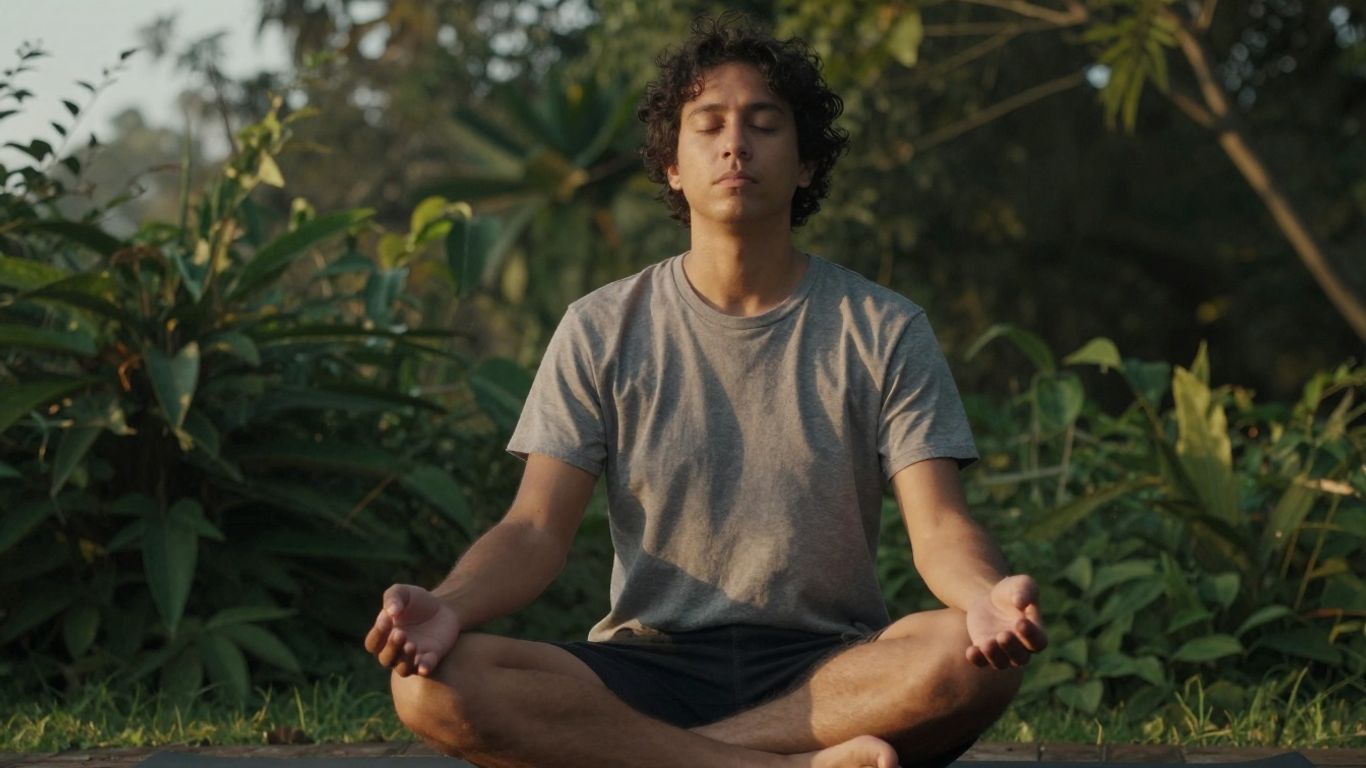
Life can get pretty hectic, right? Sometimes it feels like we’re just going through the motions, and maybe not even the motions we actually want to be doing. That’s where acceptance commitment rituals come in. Think of them as small, everyday actions that help you stay connected to what truly matters to you. It’s not about being perfect, but about making choices, even tiny ones, that line up with your personal values. We’ll explore how to build these simple practices into your day to live a more meaningful life.
Key Takeaways
- Acceptance commitment rituals are about taking small, consistent actions that align with what you personally find important.
- Mindfulness is a big part of this; it’s about noticing what’s happening right now without judging it, creating a pause before you react.
- Connecting your daily actions to your core values, even with simple “Because–Therefore” statements, makes them more meaningful.
- Anchoring new habits to things you already do, like your morning coffee routine, makes them easier to stick with.
- It’s okay to not be perfect. When your actions don’t match your values, treat it as feedback and try again, showing yourself some kindness.
Understanding Acceptance & Commitment Rituals
Acceptance and Commitment Therapy, or ACT, is a way of working with your mind that’s gained a lot of traction. It’s not about getting rid of difficult thoughts or feelings, but rather about changing your relationship with them. The main idea is to help you become more flexible, so you can keep moving forward with your life even when things get tough. Think of it as learning to dance with your inner experiences, rather than fighting them.
The Core Principles of ACT
ACT is built on a few key ideas that work together. It’s not just one thing, but a combination of approaches. The goal is to increase what’s called psychological flexibility. This means being able to be present, open up to what’s going on inside, and then do what matters to you.
Here are the main components:
- Acceptance: This is about making room for uncomfortable thoughts and feelings, rather than trying to push them away. It doesn’t mean you like them, just that you stop struggling against them.
- Cognitive Defusion: This is about learning to see your thoughts for what they are – just words and images in your mind – rather than facts or commands. You learn to step back from them.
- Being Present: This involves paying attention to what’s happening right now, both inside you and around you, without getting lost in the past or worrying about the future.
- Self-as-Context: This is about noticing that you are more than your thoughts and feelings. You are the ‘stage’ on which these experiences play out, not the ‘actors’ themselves.
- Values: These are your deepest guiding principles – what truly matters to you in life. They are like a compass, pointing you in a direction.
- Committed Action: This is about taking action that is in line with your values, even when difficult thoughts or feelings show up.
Defining Your Personal Values
Figuring out what truly matters to you is a big part of ACT. It’s not about what society expects, or what others think you should want. It’s about what genuinely gives your life meaning and direction. Values are like a compass; they guide your choices and actions, helping you live a life that feels rich and worthwhile.
Think about different areas of your life:
- Relationships: What kind of partner, friend, or family member do you want to be?
- Work/Career: What kind of contribution do you want to make? What skills do you want to use?
- Personal Growth: How do you want to learn and develop as a person?
- Health/Well-being: What does taking care of yourself look like?
- Community/Contribution: How do you want to engage with the world around you?
Your values aren’t goals to be achieved, but directions to move in. You can always be moving towards being a more loving partner, for example, regardless of whether you’ve ‘achieved’ it perfectly.
The Role of Mindfulness in Daily Life
Mindfulness is a key ingredient in ACT. It’s the practice of paying attention to the present moment, on purpose, and without judgment. It’s about noticing your thoughts, feelings, bodily sensations, and the world around you as they are, right now. This isn’t about emptying your mind; it’s about being aware of what’s in it, and around you, without getting caught up.
Regular mindfulness practice can help you:
- Become more aware of your internal experiences: You start to notice your thoughts and feelings as they arise, rather than being swept away by them.
- Create space between a trigger and your reaction: Instead of automatically reacting, you gain a moment to choose how you want to respond.
- Reduce the impact of difficult emotions: By observing them without judgment, they tend to lose some of their power.
Even short, simple mindfulness exercises throughout the day can make a difference. It’s about bringing a gentle, curious attention to whatever you’re doing.
Cultivating Values-Aligned Daily Practices
Making sure your day-to-day actions line up with what you truly care about isn’t about grand gestures. It’s about the small, consistent choices we make. Think of it like tending a garden; you don’t just plant seeds and expect a harvest. You water, weed, and give it sunlight regularly. Similarly, aligning your life with your values requires ongoing attention and deliberate effort.
Connecting Actions to Core Values
This is where the rubber meets the road. You’ve thought about what matters most – maybe it’s connection, learning, or creativity. Now, how do you actually do that? It starts with looking at your current routine and seeing where those values show up, or where they’re missing. Sometimes, it’s as simple as noticing that you value ‘health’ but spend most evenings scrolling on your phone. That’s a clue! It doesn’t mean you’re failing; it just means there’s an opportunity to adjust.
- Identify your top 1-3 values. What really drives you?
- Audit your daily activities. Where does your time and energy actually go?
- Spot the gaps. Where are your actions not reflecting your values?
The goal here isn’t to achieve a perfect score. It’s about building awareness and making small, intentional shifts. If you value ‘family time’ but find yourself working late often, maybe the adjustment is setting a firm stop time for work a few days a week.
Integrating Rituals into Your Routine
Rituals are the anchors that keep your values front and center. They’re not chores; they’re deliberate practices that remind you of what’s important. Think about your morning coffee. Instead of just gulping it down while checking emails, what if you used those five minutes to simply sit, breathe, and set an intention for the day based on your values? Or perhaps your evening routine could include a brief reflection on one moment you lived in line with your values.
- Morning Intention: Start your day by briefly considering one value and how you might honor it.
- Midday Check-in: A quick pause to ask, "Am I on track with what matters?"
- Evening Reflection: A short review of the day, noting moments of alignment or misalignment.
The Power of ‘Because-Therefore’ Statements
This is a simple but effective way to clarify your motivation and commitment. Instead of just saying "I want to exercise more," try framing it with your values. For example: "Because I value my health and want to be present for my family, therefore I will commit to a 20-minute walk three times a week." This connects the action directly to the deeper meaning behind it, making it more compelling and easier to stick with. It turns a vague wish into a purposeful action.
Embracing Acceptance in Everyday Moments

Life throws a lot at us, doesn’t it? Sometimes it feels like a constant stream of things we like and things we really don’t. Acceptance, in the context of our daily rituals, isn’t about liking everything that happens. It’s more about making room for it all, the good, the bad, and the just plain uncomfortable. Think of it like this: you’re walking along, and suddenly you step in something sticky. Your first reaction might be to recoil, to get angry, or to try and scrape it off immediately. Acceptance is like acknowledging, ‘Okay, I stepped in something sticky,’ without letting that one sticky spot ruin the rest of your walk. It’s about noticing what’s happening inside you – the feelings, the thoughts, the physical sensations – and allowing them to be there without a big fight.
Creating Space for Difficult Emotions
We often spend a lot of energy trying to push away or ignore feelings that make us uncomfortable. This can be exhausting, like trying to hold a beach ball underwater. Eventually, it pops up, often with more force. Acceptance rituals help us practice letting those difficult emotions exist without needing to change them or get rid of them right away. It’s about noticing the feeling, maybe naming it (‘Ah, there’s that anxiety’), and then gently bringing your attention back to what you’re doing or to your breath. This doesn’t mean you enjoy the feeling, but you stop adding extra layers of struggle on top of it.
- Notice the sensation: Where do you feel it in your body?
- Name it gently: ‘Worry,’ ‘Frustration,’ ‘Sadness.’
- Breathe into it: Imagine your breath making space around the feeling.
- Let it be: Acknowledge it’s there, without needing it to leave.
Practicing Non-Judgmental Awareness
This is where we learn to observe our inner world without immediately labeling things as ‘good’ or ‘bad,’ ‘right’ or ‘wrong.’ When a thought pops up, like ‘I’m not good enough,’ a non-judgmental approach means noticing, ‘Okay, that’s a thought about not being good enough,’ rather than immediately believing it or getting upset about having the thought. It’s like watching clouds drift across the sky; you see them, you acknowledge them, but you don’t try to grab them or push them away. This practice helps reduce the sting of difficult thoughts and feelings.
Accepting Thoughts as Transient Experiences
Our minds are busy places, constantly generating thoughts. Many of these thoughts aren’t particularly helpful, and some can be quite distressing. The practice here is to see these thoughts for what they are: mental events, like a passing car or a fleeting image. They are not necessarily facts, nor do they define who you are. By practicing acceptance, we can learn to observe these thoughts without getting tangled up in them. This shift in perspective allows us to engage more fully with our lives, rather than being pulled away by internal chatter.
When we stop fighting our thoughts and feelings, we free up a tremendous amount of energy. This energy can then be redirected towards living a life that truly matters to us, aligned with our deepest values. It’s a subtle but powerful shift from struggling against our internal experiences to making space for them.
The Practice of Cognitive Defusion
Recognizing Thoughts as Mental Events
Sometimes, our thoughts can feel like absolute truths, like solid facts about ourselves or the world. When a thought like "I’m not good enough" pops up, it can feel incredibly real and powerful. Cognitive defusion is all about learning to see these thoughts for what they are: just words, images, or ideas passing through our minds. It’s not about getting rid of thoughts or trying to change them, but rather changing our relationship with them. We want to step back and notice them without getting completely tangled up in them.
Strategies for Detaching from Unhelpful Thoughts
There are a few ways to practice this detachment. One simple technique is to add a little phrase before the thought. Instead of just thinking "I’m a failure," try saying to yourself, "I’m having the thought that I’m a failure." Or even, "I notice I’m having the thought that I’m a failure." This small shift can create a bit of space, reminding you that the thought is just a mental event, not necessarily a reflection of reality. Another exercise involves repeating a difficult word or phrase over and over again, like "failure, failure, failure." When you say it enough times, it can start to sound like just a sound, losing its emotional punch.
Viewing Thoughts Objectively
Think of your mind like a sky. Thoughts are like clouds drifting by. Some are dark and stormy, others are light and fluffy. The sky itself isn’t the clouds; it’s the vast space that holds them. Cognitive defusion helps us see ourselves as that sky – the observer of our thoughts, rather than being completely identified with the clouds themselves. This objective stance allows us to acknowledge difficult thoughts and feelings without letting them dictate our actions or define who we are. It’s about observing them without judgment, recognizing their transient nature, and choosing to act in line with our values, even when those clouds are present.
Here’s a quick way to practice:
- Identify a recurring unhelpful thought (e.g., "I’ll never finish this project.")
- Say it to yourself, really feeling it.
- Now, say it again, but preface it with "I’m having the thought that…"
- Notice any difference in how the thought feels.
The goal isn’t to stop thinking, but to stop being ruled by our thoughts. It’s about creating a little distance so we can make choices based on what truly matters to us, rather than getting swept away by whatever mental chatter shows up.
Anchoring Rituals to Existing Habits

It’s easy to feel like you need to carve out huge chunks of time for new practices, but that’s often not the case. The real trick is to weave these value-aligned actions into the fabric of your existing day. Think about what you already do without thinking – brushing your teeth, making coffee, commuting. These are perfect anchors.
Morning Intentions for Value Alignment
Start your day by connecting with what matters most. Before you even get out of bed, or perhaps right after you’ve made your morning coffee, take a moment. Just a breath or two. Ask yourself: "What value do I want to bring into today?" Maybe it’s patience, creativity, or kindness. You could even say it out loud or write it down on a sticky note for your mirror. This simple act transforms a routine morning into a purposeful launchpad.
- Set a clear intention: "Because I value connection, I will send a supportive text to a friend today."
- Acknowledge the value: "Today, I’m focusing on curiosity."
- Visualize the action: Imagine yourself performing the small act that aligns with your value.
Midday Pauses for Mindful Action
Life gets busy, and by lunchtime, you might feel pulled in a million directions. This is precisely when a short, intentional pause can make a big difference. It doesn’t need to be long – even 60 seconds can reset your focus. After you finish eating, instead of immediately jumping back into tasks, stand up, stretch, and take a few deep breaths. Notice how your body feels. This brief reset can help you approach the rest of your day with more clarity and less reactivity.
- Mindful Movement: A short walk around the block or some simple stretches.
- Sensory Awareness: Focus on the taste and texture of your food, or the feeling of the sun on your skin.
- Gratitude Check-in: Briefly think of one thing you’re thankful for in that moment.
Evening Reflections on Daily Choices
As the day winds down, it’s a good time to check in with yourself. Before you get lost in scrolling or turn on the TV, pause. Ask: "How did I show up today in relation to my values?" This isn’t about judgment; it’s about gentle observation. Did you act in ways that felt true to you? Where did you get a little sidetracked? Acknowledging this helps you learn and adjust for tomorrow. Even a quick mental review or jotting down a few notes in a journal can be incredibly insightful.
Reflecting on your day, even for a minute, helps solidify the connection between your actions and your values. It’s not about achieving perfection, but about consistent effort and learning.
- Identify one value-aligned action: "I remembered to listen patiently during that difficult conversation."
- Note a moment of misalignment: "I reacted too quickly when the train was delayed."
- Set a gentle intention for tomorrow: "Tomorrow, I’ll try to pause before responding when I feel frustrated."
Building Mindful Awareness Through Rituals
Mindfulness is like a muscle; the more you use it, the stronger it gets. It’s about paying attention to what’s happening right now, without getting too caught up in judging it. When we build rituals around our values, we’re essentially creating regular opportunities to practice this skill. It’s not about achieving a perfectly calm mind, but rather noticing when your mind wanders and gently guiding it back. This practice creates a small space between what happens and how you react, giving you a chance to choose a response that actually fits what you care about.
The Present Moment as a Foundation
Think of the present moment as your home base. Everything that happens, good or bad, shows up here. Mindfulness helps you get comfortable being in this space. Instead of constantly worrying about the future or replaying the past, you learn to notice what’s actually going on. This could be as simple as really tasting your morning coffee, feeling the warmth of the sun on your skin, or noticing the sounds around you during your commute. These small moments add up, grounding you and making it easier to connect with what matters.
Observing Internal Experiences Without Judgment
Our minds are busy places, full of thoughts, feelings, and sensations. Mindfulness teaches us to observe these internal experiences without immediately labeling them as ‘good’ or ‘bad.’ For example, you might notice a feeling of frustration arise when stuck in traffic. Instead of automatically thinking, ‘This is terrible, I hate this!’, you could simply acknowledge, ‘Ah, there’s frustration.’ This simple act of noticing, without judgment, can lessen the power those feelings have over you. It’s like watching clouds drift across the sky – they appear, change, and eventually move on.
Developing a Buffer Between Trigger and Response
One of the most practical benefits of mindful rituals is creating a pause. Life throws curveballs, and sometimes our automatic reactions aren’t our best ones. By practicing mindfulness, you build a little space between a trigger (like a critical comment from a colleague) and your response. This pause allows you to check in with your values. Are you reacting out of anger, or are you responding in a way that aligns with being respectful and professional? This buffer is where choice happens, and it’s a direct result of consistent mindful practice.
Here’s a simple way to start building that buffer:
- Notice the Trigger: Become aware of what sets off an automatic reaction.
- Pause: Take a slow, deep breath. Just one is often enough.
- Check In: Briefly ask yourself, "What do I truly want to do here?" or "What would be most helpful right now?"
- Choose Your Action: Respond based on your values, not just your immediate impulse.
Building mindful awareness isn’t about achieving a state of constant bliss or a completely silent mind. It’s about developing a more skillful relationship with your own experience, allowing you to engage more fully and intentionally with your life, moment by moment. It’s a practice, and like any practice, it gets easier with repetition.
The Self as Context: A Broader Perspective
Sometimes, we get so caught up in our thoughts, feelings, and the roles we play that it feels like they are us. We might think, "I’m a worrier," or "I’m just not good at this." This section is about stepping back and seeing ourselves from a different angle – not as the sum of our experiences, but as the space where those experiences happen. It’s about recognizing that you are the observer, not just the observed.
Understanding Transience of Experience
Think about the weather. It changes constantly – sunny one moment, stormy the next. Our internal world is a lot like that. Thoughts pop up, feelings shift, and sensations come and go. The "self as context" perspective suggests that you are the sky, not the clouds. The sky is always there, vast and unchanging, even when clouds (our thoughts and feelings) are passing through. Recognizing this helps us not get so swept away by difficult emotions or unhelpful thoughts. They are temporary visitors, not permanent residents.
Stepping Back from Defining Yourself by Thoughts
It’s easy to get tangled up in what our minds tell us. If you think, "I’m a failure," it can feel like a solid fact. But what if that’s just a thought, like a passing car? The "self as context" idea encourages us to see thoughts as mental events, not absolute truths. We can learn to notice them without automatically believing them or letting them dictate our actions. It’s like being an anthropologist studying a new culture – you observe, you take notes, but you don’t become part of the ritual itself. You maintain a detached, objective view.
Cultivating Self-Transcendence
This is about expanding your sense of self beyond your immediate thoughts and feelings. It’s about realizing that you are more than your current mood, your past mistakes, or your future worries. It’s about connecting with a broader sense of who you are, one that is present across all your changing experiences. This can involve:
- Noticing the roles you play: Are you a parent, a friend, an employee, a student? Recognize that these are roles, and while important, they don’t define the core of who you are.
- Observing your internal landscape: Pay attention to your thoughts, feelings, and sensations without getting caught up in them. See them as passing phenomena.
- Connecting with something larger: This could be a sense of purpose, your values, or even just the continuity of your own awareness over time.
When we can see ourselves as the context for our experiences, rather than being defined by them, we gain a sense of freedom. This perspective allows us to be more flexible and resilient when life throws challenges our way. It’s about finding a stable anchor within ourselves, even when the external world feels chaotic.
Committed Action: Turning Values into Tangible Goals
Setting Long-Term, Values-Based Goals
Okay, so you’ve figured out what really matters to you – those core values we talked about. That’s a huge step. But values themselves are like a compass; they point you in a direction. To actually get somewhere, you need to set some goals that point toward that direction. Think of it like this: if ‘connection’ is a value, a goal might be ‘to have a meaningful conversation with my sibling once a week.’ It’s not just a vague wish; it’s something you can actually aim for.
When you’re setting these goals, try to make them specific. Instead of ‘be healthier,’ maybe aim for ‘go for a 30-minute walk three times a week’ or ‘try one new vegetable recipe each month.’ These are concrete actions that move you closer to a healthier lifestyle, which is likely tied to your value of well-being.
Developing Action Plans for Meaningful Change
Once you have a goal, the next part is figuring out how you’re going to get there. This is where the action plan comes in. It’s like mapping out the route for your compass. For that ‘meaningful conversation’ goal, your plan might include: 1. Looking at your calendar on Sunday to find a good time. 2. Sending a text on Monday to suggest a chat. 3. Actually making the call on Wednesday. Simple steps, right? But they add up.
It’s also smart to think about what might get in your way. Maybe you’re busy, or maybe you feel awkward bringing things up. Acknowledging these potential obstacles beforehand helps you prepare. For instance, if you know you tend to put off calls, your strategy might be to set a reminder on your phone an hour before you plan to call.
Here’s a way to think about it:
| Value | Goal | Action Steps |
|---|---|---|
| Connection | Meaningful conversation with sibling | 1. Schedule time. 2. Send text. 3. Make the call. |
| Health | Walk 3 times a week | 1. Lay out walking clothes the night before. 2. Go for a walk after work. |
| Learning | Read one non-fiction book per month | 1. Visit the library. 2. Choose a book. 3. Set aside 20 minutes each day to read. |
Sustaining Motivation Through Purposeful Engagement
This is often the trickiest part. How do you keep going when things get tough or boring? The key is remembering why you started. When you’re actively engaged in actions that line up with your values, you’re not just doing tasks; you’re living out what’s important to you. That connection itself is a powerful motivator.
Think about the times you’ve felt really alive and purposeful. Chances are, you were doing something that mattered to you. By consistently choosing actions that reflect your values, you build momentum. It’s like a snowball rolling downhill – it gets bigger and faster the more it moves.
When you’re working towards goals tied to your values, you’re not just ticking boxes. You’re building a life that feels more authentic and meaningful. This sense of purpose can carry you through challenges in a way that simply chasing external rewards can’t.
Leveraging Tools for Consistent Practice
Building habits that truly reflect what matters to you doesn’t have to be a solo mission. There are plenty of helpful tools and strategies that can make the process smoother and more sustainable. Think of them as your personal support crew, cheering you on as you build a life more aligned with your values.
Utilizing Digital Resources for Support
In today’s world, our phones and computers can be more than just distractions; they can be allies. Apps designed for mindfulness and habit tracking offer guided meditations, breathing exercises, and gentle reminders. These digital companions can bridge the gap between intending to practice a value-aligned behavior and actually doing it. For instance, a quick 5-minute guided meditation before a stressful meeting can help you stay present and respond thoughtfully, rather than reactively. Many apps allow you to set custom reminders, ensuring you don’t forget that midday pause or that evening reflection, even when life gets hectic.
The Benefits of Journaling and Reflection
Putting pen to paper, or fingers to keyboard, can be incredibly clarifying. Journaling provides a space to explore your thoughts and feelings without judgment. You can jot down moments when you felt particularly aligned with your values, or instances where you noticed a disconnect. This practice helps you spot patterns, understand what triggers certain behaviors, and celebrate your progress. It’s not about writing a novel; even a few sentences noting your intentions for the day or reflecting on a specific interaction can make a difference. This regular check-in acts like a compass, helping you recalibrate your direction.
Tracking Progress and Celebrating Small Wins
Consistency is key, but it’s also important to acknowledge how far you’ve come. Tracking your practices, whether on a simple calendar or a dedicated app, provides a visual representation of your efforts. Seeing a streak of days where you engaged in a value-aligned activity can be a powerful motivator. More importantly, take time to celebrate the small wins. Did you pause before responding in a difficult conversation? Did you choose a healthy meal when you felt stressed? These aren’t minor achievements; they are tangible steps toward living a more meaningful life. Recognizing these successes, no matter how small they seem, builds momentum and reinforces your commitment.
Building a life aligned with your values is a marathon, not a sprint. It’s about consistent effort and self-compassion, not perfection. Use the tools available to support your journey, and remember to acknowledge every step forward.
The Impact of Value Alignment on Well-being
Research on Life Satisfaction and Alignment
It turns out, when what you do day-to-day actually lines up with what you deeply care about, life just feels better. Think about it: if you say connection with friends is a big deal for you, but you spend all your free time scrolling through social media alone, there’s a disconnect. Research backs this up pretty strongly. Studies involving thousands of people across different countries show that when our actions match our personal values, we report feeling more satisfied with our lives overall. It’s like having a compass that’s actually pointing true north – things just feel more stable and purposeful.
Understanding the Consequences of Misalignment
On the flip side, when there’s a gap between what we say matters and how we actually spend our time and energy, it can lead to some uncomfortable feelings. This misalignment can show up as stress, frustration, or just a general sense of unease. It’s like trying to walk in shoes that are too small; it’s not comfortable and it slows you down. If you value creativity but your job doesn’t allow for any expression, you might feel stuck or unfulfilled. Recognizing these mismatches is the first step to making things feel more right.
The Role of Self-Compassion in Course Correction
So, what happens when you notice you’re not living up to your values? It’s easy to beat yourself up about it, right? But that’s usually not very helpful. Instead, practicing self-compassion is key. This means treating yourself with the same kindness and understanding you’d offer a good friend who’s struggling. If you missed a planned mindful moment or reacted impatiently when you intended to be calm, acknowledge it without harsh judgment. Think of it as feedback, not failure. This gentle approach makes it much easier to learn from the experience and get back on track with your values, rather than getting stuck in a cycle of self-criticism. It’s about progress, not perfection, and being kind to yourself along the way makes that progress much more likely.
When what you believe matches how you live, you feel better. This connection between your values and your actions is super important for feeling happy and healthy. Want to learn more about how living by your values can boost your mood? Visit our website to discover practical tips and resources.
Bringing It All Together
So, we’ve talked about how to figure out what really matters to you and then how to actually do things that line up with those values. It’s not about being perfect, you know? Life throws curveballs, and sometimes we get off track. The main idea here is to keep practicing. Use those little moments to check in with yourself – are you heading toward what’s important, or away from it? Small steps, like a quick walk after lunch or a short call to a friend, add up. Don’t beat yourself up if you miss the mark; just notice it and try again. By making these small, consistent efforts, you’re building a life that feels more like you, day by day. It’s a journey, and you’ve got this.
Frequently Asked Questions
What exactly are Acceptance and Commitment Rituals?
Think of these as special daily actions you do on purpose. They’re like little routines that help you live by what’s most important to you, even when things get tough or uncomfortable. It’s about doing things that matter, not just feeling good all the time.
How do I figure out what my personal values are?
Your values are like your inner compass, showing you what truly matters in life, like kindness, learning, or being healthy. You can find them by thinking about what makes you feel proud, what you admire in others, and what kind of person you want to be. It’s about what you want to stand for.
What’s the deal with ‘acceptance’ in these rituals?
Acceptance means being okay with whatever feelings or thoughts pop up, even the uncomfortable ones, without trying to fight them or push them away. It’s like noticing a cloud passing by in the sky – you see it, but you don’t let it change the whole day.
How can I stop my thoughts from taking over?
This is called cognitive defusion. It’s about realizing that your thoughts are just thoughts, like words on a screen, not always the absolute truth. You can learn to notice them without getting completely caught up in them, so they have less power over you.
How do I actually start doing these rituals every day?
A great way is to link them to things you already do. For example, after you brush your teeth, take a moment to set a positive intention for the day. Or, before you go to bed, think about one thing you did that day that matched your values.
What if I have a really hard time sticking to my rituals?
That’s totally normal! The key is to be kind to yourself. If you miss a day or slip up, just notice it without judging yourself too harshly. Then, gently guide yourself back to your practice. Think of it as learning and adjusting, not failing.
What’s the benefit of doing these value-aligned actions?
When you live by your values, you tend to feel more satisfied with your life and more like you’re on the right path. It helps you feel more connected to what’s important, even when life throws challenges your way. It’s about building a meaningful life.
Are there any tools that can help me with this?
Yes! There are apps that can give you reminders and guided exercises. Keeping a journal to write down your thoughts and track your progress can also be super helpful. Celebrating the small wins along the way keeps you motivated.