Love My Weight

Sweetness Perception Reset: retrain taste in two weeks

Have you ever felt like your sweet tooth is running the show? Like no matter how hard you try, you just can’t cut back on sugar? You’re not alone. Many of us find ourselves reaching for sweets more often than we’d like. The good news is, it doesn’t have to be a constant battle. Our taste buds are actually pretty amazing and can adapt. This means we can retrain them to enjoy less sweet things. It might sound tricky, but it’s totally doable, especially with a plan. We’re going to look at how to reset your sweetness perception, making it easier to enjoy food without needing so much sugar. It’s all about understanding how taste works and making small, smart changes.

Key Takeaways

  • Your taste buds are constantly renewing themselves, typically every 8-12 days, meaning your palate can change and adapt over time.
  • Cravings often develop and persist because of a complex interplay between your brain’s reward system and your gut signals, not just conscious desire.
  • Gradual dietary adjustments, focusing on whole foods and reducing sugar intake slowly, are more effective for a lasting sweetness perception reset than going cold turkey.
  • Saliva plays a vital role in how we perceive flavor, helping to dissolve food compounds so taste receptors can detect them, and is essential for tasting dry foods.
  • Our preference for sweetness is innate, driven by evolutionary needs for energy, but modern food environments often exploit this, leading to overconsumption.

Understanding Your Sweetness Perception Reset

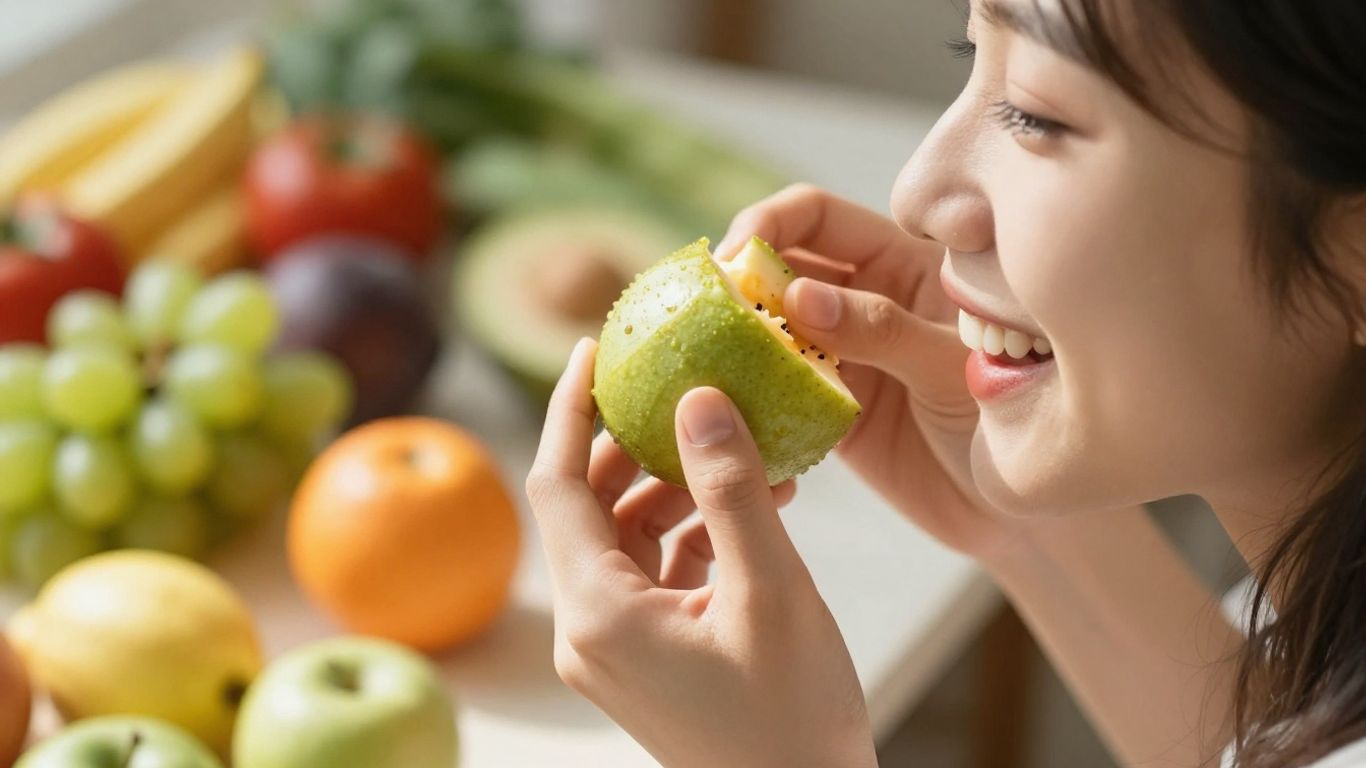
Person enjoying fruit and contemplating sugar cubes.

Have you ever felt like your taste buds are on a sugar-fueled rollercoaster? One minute you’re fine, the next you’re craving a candy bar like it’s the only thing that can save you. It’s a common experience, and honestly, it’s not entirely your fault. Our perception of sweetness is a complex interplay of biology, habit, and even our environment. Understanding why we crave sugar is the first step to changing that relationship.

The Science Behind Taste Bud Renewal

Think of your taste buds like tiny, hardworking cells. They have a lifespan, and they’re constantly being replaced. This renewal process is pretty quick, usually happening every 10 days or so. This means that the sensitivity of your taste buds can actually change over time. If you’re consistently bombarding them with intense sweetness, they adapt to expect that level. When you reduce sugar intake, these newly regenerated taste buds can become more sensitive to subtler flavors, making less sweet foods taste more appealing. It’s like giving your palate a fresh start.

Why Cravings Develop and Persist

Cravings aren’t just about willpower; they’re deeply rooted in our biology and psychology. When we eat sugar, our brain releases dopamine, a feel-good chemical. This creates a reward loop: eat sugar, feel good, crave more sugar. Over time, this loop can become quite strong, especially if sugar is a regular part of your diet or used as a coping mechanism. Habits also play a huge role. If you always have a sweet treat after dinner or with your coffee, your body starts to anticipate it, triggering a craving even when you’re not physically hungry. It’s a learned response that can be unlearned.

The Role of Saliva in Flavor Perception

It might seem odd, but saliva is a silent hero in our taste experience. It does more than just keep our mouths moist; it’s essential for tasting. Saliva dissolves the food particles, allowing them to interact with your taste buds. Without enough saliva, flavors can seem muted or dull. It also helps to wash away food particles, preparing your taste buds for the next bite. This is why sometimes, even if you’re eating something inherently sweet, if your mouth is dry, the sweetness might not register as strongly. Maintaining good hydration is surprisingly important for appreciating flavors.

Our taste buds are remarkably adaptable. By understanding how they work and how cravings develop, we can begin to retrain our palate for a healthier, more balanced relationship with sweetness.

Embarking on Your Two-Week Taste Transformation

So, you’re ready to give your taste buds a bit of a tune-up? That’s awesome. It might sound a little daunting, like trying to learn a new language overnight, but honestly, it’s more about gentle shifts than drastic overhauls. Think of it as a friendly reset, not a boot camp. We’re aiming for changes that stick, not just a quick fix that leaves you feeling deprived.

Gradual Dietary Adjustments for Lasting Change

Trying to cut out all sugar or salt in one go? Yeah, that rarely works out well. It’s like trying to stop a runaway train – usually ends in a crash. Instead, we’re going to ease into it. Small, consistent changes are the real heroes here. They allow your taste buds to catch up without throwing a tantrum. Over these two weeks, we’ll focus on making these adjustments feel natural, not forced.

Here’s a simple way to start:

  • Week 1: Aim to reduce the sugar in your coffee or tea by half. If you usually add two spoonfuls, try just one. For salty snacks, try choosing one that’s lower in sodium than your usual go-to.
  • Week 2: If you’re still adding sugar, try cutting it out completely or switching to a natural alternative like a tiny bit of fruit. For salt, try to skip the salt shaker at meals altogether and see how your food tastes.
  • Ongoing: Keep an eye on packaged foods. Many have hidden sugars and salts. Reading labels becomes your new superpower.

The key is consistency. Even small reductions, made every day, add up. Your palate will adapt more readily when it’s not shocked by sudden deprivation.

The Power of Whole Foods in Retraining Taste

Processed foods are often loaded with added sugars, salts, and artificial flavors that can really mess with your taste perception. They’re designed to be hyper-palatable, meaning they hit all the pleasure centers in your brain really hard, making it tough to appreciate simpler flavors. Whole foods, on the other hand, offer a more natural spectrum of tastes. Think about the natural sweetness of a ripe berry or the savory depth of a roasted vegetable. These foods have complex flavors that, over time, help your taste buds recalibrate.

  • Fruits and Vegetables: These are packed with natural sugars and a variety of flavors. They help satisfy your sweet cravings without the sugar crash.
  • Lean Proteins: Chicken, fish, beans, and lentils provide satisfying flavors and help keep you full, reducing the urge to snack on less healthy options.
  • Whole Grains: Oats, quinoa, and brown rice offer a subtle, nutty flavor and a good source of fiber, contributing to overall satisfaction.

Navigating Sweet Cravings Without Deprivation

Cravings can feel like a real hurdle, but they don’t have to mean giving up or feeling miserable. The goal isn’t to eliminate sweetness entirely, but to redefine what ‘sweet’ means to you. Often, those intense cravings are a signal that your body is used to a certain level of sweetness, and it’s asking for that hit. We can satisfy that urge in healthier ways.

  • Fruit is your friend: Instead of reaching for candy, try a piece of fruit. The natural sugars provide sweetness, and the fiber helps you feel full.
  • Herbal teas: Many herbal teas have a naturally sweet or fruity flavor without any added sugar. Peppermint or chamomile can be surprisingly satisfying.
  • Mindful eating: When a craving hits, take a moment. Drink some water, go for a short walk, or try a small portion of something naturally sweet. Sometimes, just acknowledging the craving and waiting a few minutes can make it pass.

Remember, this isn’t about perfection; it’s about progress. You’re teaching your body and your brain to appreciate a wider range of flavors, and that’s a really empowering journey.

The Biological Basis of Sweetness Preference

It turns out our love for sweet things isn’t just a bad habit we picked up. There are some pretty deep biological reasons why we’re drawn to sweetness, and it all starts from the moment we’re born.

Innate Sweetness Recognition from Birth

From our very first moments, we’re wired to recognize and prefer sweet tastes. Think about it: breast milk, the first food for many infants, is naturally sweet. This isn’t a coincidence. This innate preference is a survival mechanism. Sweetness often signals that a food is a good source of energy (calories) and is generally safe to consume, unlike bitter tastes which can indicate toxins.

Evolutionary Drivers of Sweet Food Attraction

Looking back at our ancestors, a preference for sweet foods was a big advantage. In environments where food could be scarce, finding calorie-dense foods was key to survival. Fruits, ripe vegetables, and other naturally sweet sources provided the quick energy needed to thrive. This evolutionary drive means that even today, our brains are still wired to seek out and enjoy sweet flavors, a trait that manufacturers often tap into.

The Influence of Olfactory Receptors on Taste

While we often talk about taste buds on our tongue, our sense of smell plays a huge role in how we experience flavor, including sweetness. Aromas travel up into our nasal passages and interact with olfactory receptors. These receptors are actually much more sensitive than our taste buds. This is why when you have a cold and your nose is blocked, food seems to lose a lot of its flavor – it’s not that your taste buds have stopped working, but your ability to smell the nuances of the food is greatly reduced. The combination of smell and taste creates the full perception of flavor we enjoy.

Our attraction to sweetness is a complex interplay of biology, evolution, and sensory input.

Here’s a quick look at how different senses contribute:

  • Taste Buds: Detect basic tastes like sweet, sour, salty, bitter, and umami directly on the tongue.
  • Olfactory Receptors: Located in the nose, these detect volatile compounds (aromas) that significantly shape our perception of flavor.
  • Brain Interpretation: The brain processes signals from both taste and smell, integrating them into a unified experience of flavor.

The sweet taste receptor protein acts like a lock and key. When a sugar molecule (the key) fits into the sweet receptor protein (the lock) on a taste cell, it triggers a signal that travels to the brain. For common sugars like sucrose and glucose, there are even more intricate pathways involving sugar transporters and special ion channels that help us fully appreciate their sweetness. These same mechanisms are found in other parts of our body, like the gut, suggesting a deep connection between how we taste and how our body processes energy.

Retraining Your Palate: A Practical Approach

Person enjoying fruit, healthy food background

So, you’re ready to give your taste buds a bit of a tune-up? It’s totally doable, and honestly, not as hard as you might think. The key is to make small, consistent changes rather than trying to overhaul everything overnight. Think of it like adjusting the volume on your favorite song – you don’t just rip the knob off, right? You gently turn it down until it sounds just right.

Reducing Sugar Intake Sustainably

This is probably the big one for most people. We’re so used to that sweet hit, it’s like a default setting. But the good news is, your taste buds are surprisingly adaptable. They renew themselves pretty regularly, about every 8 to 12 days, so they’re always getting a fresh start. The trick is to give them a chance to adjust to less sweetness.

  • Start small: Instead of cutting out all sugar, try reducing the amount you add to your coffee or tea. If you use two sugars, go down to one and a half for a week, then one the next. You get the idea.
  • Read labels: Sugar hides in so many places – bread, sauces, yogurt. Becoming aware of where it’s lurking is the first step to cutting back.
  • Swap it out: Reach for fruit when you want something sweet. A ripe apple or a handful of berries can be surprisingly satisfying.

The goal isn’t deprivation; it’s about rediscovering what food actually tastes like without being overwhelmed by added sugar. You might be surprised at how much natural sweetness you start to notice.

The Impact of Alternative Sweeteners

Okay, so what about those sugar substitutes? They can be a helpful tool, especially in the beginning. Things like stevia or monk fruit can give you that sweet sensation without the sugar load. However, it’s a bit of a mixed bag. Some people find that using artificial sweeteners keeps their sweet cravings going, just in a different form. Others find them to be a great bridge to reducing sugar.

Sweetener Type Pros Cons
Natural (Stevia, Monk Fruit) Zero calories, plant-based Can have a slight aftertaste, cost
Artificial (Aspartame, Sucralose) Widely available, low cost Some health concerns, can maintain cravings

It’s really about experimenting to see what works for you. The ultimate aim is to need less sweetness overall, regardless of the source.

Enhancing Natural Flavors in Foods

This is where things get really interesting. When you cut back on sugar and processed foods, your palate starts to wake up. You begin to notice the subtle flavors in whole foods that you might have missed before. Think about the difference between a fresh tomato and a tomato-based sauce loaded with sugar and salt. It’s night and day!

  • Herbs and spices are your friends: They add depth and complexity to dishes without adding sugar or salt. Experiment with basil, oregano, cumin, cinnamon – the possibilities are endless.
  • Roast your vegetables: Roasting brings out the natural sweetness and nutty flavors in vegetables like carrots, broccoli, and sweet potatoes.
  • Don’t fear a little salt (but use it wisely): A tiny pinch of salt can actually make other flavors pop. Just be mindful of how much you’re using, especially if you’re also trying to reduce sodium intake.

By focusing on whole, unprocessed foods and using natural flavor enhancers, you’re not just retraining your taste buds; you’re also giving your body better nutrition. It’s a win-win, really.

The Remarkable Adaptability of Taste Buds

You know, it’s pretty wild how our taste buds work. They’re these tiny little things, mostly hanging out on your tongue, and they’re responsible for pretty much all the flavor we experience. What’s really cool is that they don’t stick around forever. In fact, the cells that make up your taste buds have a pretty short lifespan – usually about eight to twelve days. That means they’re constantly renewing themselves, like a mini-makeover happening in your mouth about three times a month. So, if you’ve ever felt like your taste preferences have shifted, it’s not just in your head; your taste buds are literally changing!

Taste Bud Lifespan and Regeneration

This constant renewal is a big deal. It’s why you can actually retrain your palate. Think about it: if your taste buds are replaced so frequently, then the ones that are there now can be influenced by what you eat. It’s not like your taste buds are set in stone from birth. They’re dynamic, and they respond to your environment, which in this case, is your diet.

  • Constant Renewal: Taste receptor cells regenerate every 8-12 days.
  • Adaptation: This rapid turnover allows your palate to adapt to new tastes and textures.
  • Health Impact: This adaptability is key to retraining your taste for healthier foods.

How Taste Sensitivity Changes Over Time

As we get older, our taste sensitivity can change. It’s not a dramatic drop-off, but it’s noticeable. For instance, older adults might need a stronger concentration of salt or sugar to detect it compared to a younger person. This decline is often more pronounced for salty and bitter tastes than for sweet and sour ones. It’s one of those natural processes of aging, like your eyesight getting a bit weaker or your hearing not being quite as sharp.

This natural shift means that what tasted intensely sweet or salty to you years ago might not have the same punch now. It’s a biological reality that influences our food choices and enjoyment.

Rehabilitating Taste Buds for Healthier Choices

Because your taste buds are so adaptable, you can absolutely retrain them to appreciate less intense flavors. If you’ve been eating a lot of highly processed, sugary, or salty foods, your taste buds get used to that level of intensity. When you start reducing sugar and salt, those first few days might feel a bit bland. But stick with it! As your taste buds regenerate and get exposed to less intense flavors, they actually start to pick up on the subtler, natural tastes in whole foods. It’s like turning down the volume on a speaker; you start to hear the finer details. This process can take a few weeks, but the result is a palate that finds natural sweetness and balanced flavors much more satisfying, without needing the extreme highs of sugar and salt.

Taste Type Typical Decline with Age
Sweet Moderate
Sour Moderate
Salty Significant
Bitter Significant
Umami Less Studied

Beyond Sugar: Understanding Other Taste Sensations

While we often focus on reducing sugar, it’s helpful to remember that our taste experience is a complex interplay of several sensations. Sweetness is just one piece of the puzzle. Let’s look at how other tastes, like salt, sour, bitter, and umami, contribute to our overall enjoyment of food and how they interact with each other.

The Interplay of Salt and Sour Flavors

It might seem strange, but salt and sour flavors can actually influence how we perceive sweetness. Sometimes, adding a little salt can make sweet things taste even sweeter. This happens because certain taste receptors can respond to both salt and sugar. Think about how a squeeze of lime (sour) can make a salty pretzel even more appealing, or how a pinch of salt can bring out the sweetness in fruit. It’s a delicate balance that chefs use all the time.

  • Salt can enhance sweetness: A small amount of salt can amplify the perception of sweetness. This is why you might find salt in many sweet baked goods.
  • Sourness can cut through richness: The tartness of sour flavors can provide a refreshing contrast, making rich or fatty foods more palatable.
  • Mixture suppression: Interestingly, combining salt and sour in certain ratios can actually decrease the intensity of both tastes. This is a phenomenon known as mixture suppression.

The Nuances of Umami and Bitter Tastes

Umami, often described as a savory or meaty taste, is the fifth basic taste. It’s found in foods like aged cheeses, mushrooms, tomatoes, and cured meats. Umami adds depth and richness to dishes, making them more satisfying. Bitter tastes, on the other hand, are often perceived as less desirable, but they play an important role too. Many healthy foods, like dark leafy greens and certain fruits, have a bitter component. Our sensitivity to bitterness can vary greatly from person to person.

  • Umami: Adds a savory depth and mouthfeel to foods.
  • Bitterness: Can signal the presence of potentially beneficial compounds in plants, though it’s often an acquired taste.

Sensory Interactions in Food Perception

Our perception of flavor isn’t just about taste alone. It’s a combination of taste, smell, texture, and even temperature. The way these elements come together creates the overall experience of eating. For instance, the aroma of coffee significantly impacts how we perceive its taste. Similarly, the crispness of an apple or the creaminess of yogurt adds to our enjoyment. Understanding these interactions helps us appreciate food more fully and make more mindful choices.

The brain takes all these signals – taste, smell, texture, temperature – and weaves them into a single, complex perception of flavor. It’s a remarkable process that makes eating so much more than just sustenance.

The Brain’s Role in Sweetness Experience

So, you’ve taken a bite of something sweet, and your brain instantly registers that delightful sensation. But what’s really going on behind the scenes? It’s a fascinating interplay between your taste buds and your brain, a complex signaling system that makes us crave that sugary goodness.

Neural Pathways of Sweet Taste Detection

When a sweet substance hits your tongue, it interacts with specialized receptor proteins on your taste cells. Think of it like a lock and key: the sugar molecule (the key) fits into the sweet receptor (the lock). This interaction triggers a cascade of events within the taste cell, ultimately sending an electrical signal. This signal doesn’t just go anywhere; it travels along specific neural pathways, like dedicated highways, directly to particular areas in your brain that are programmed to recognize and process sweetness. It’s not just one single pathway, either. Recent research suggests there are multiple routes, some of which are more sensitive to the types of sugars we find most appealing, like sucrose and glucose.

The Dopamine Response to Sugary Foods

Here’s where things get really interesting. When your brain detects sweetness, especially from sugar, it often triggers the release of a chemical called dopamine. Dopamine is a neurotransmitter associated with pleasure and reward. It’s like your brain’s ‘feel-good’ chemical. This dopamine surge creates a positive feedback loop: you eat something sweet, you feel good, and your brain learns to associate that sweet taste with a rewarding experience. This is a powerful mechanism that can drive cravings and make it hard to resist sugary treats. It’s a biological drive that’s been with us for a long time, helping our ancestors seek out energy-rich foods.

Conscious Appreciation vs. Gut Signals

It’s not all happening just in your mouth and brain’s reward center. Your gut also plays a role. When sugars reach your digestive system, specialized cells there can also detect them and release hormones. These hormones send signals back to the brain, further reinforcing the positive experience of eating something sweet. This means that the ‘sweetness experience’ isn’t just about what you taste on your tongue; it’s a whole-body response. While your conscious mind might appreciate the flavor of a dessert, your gut is also sending signals that contribute to that overall feeling of satisfaction and desire for more. It’s a complex system, and understanding these different layers can help us make more informed choices about our diet.

Achieving a Sweetness Perception Reset

So, you’ve decided it’s time to dial back the sugar and retrain your taste buds. That’s a fantastic step towards feeling better and enjoying food more naturally. It’s not about deprivation; it’s about rediscovery. We’re talking about shifting your palate so that less sweetness is actually more satisfying. This isn’t an overnight fix, but with a two-week plan, you can make real progress.

Strategies for Quieting the Sugar-Dopamine Loop

The reason sugar is so addictive is that it triggers a dopamine release in your brain, similar to other rewarding activities. This creates a cycle: eat sugar, feel good, crave more sugar. To break this, we need to gently interrupt that loop. This means consciously choosing less sweet options and allowing your brain to adjust to new, subtler rewards. It’s about retraining your brain’s reward system, one less-sweet bite at a time.

The Benefits of a Gradual Palate Retraining

Going cold turkey with sugar can feel like a battle. A gradual approach, however, is much more sustainable and kinder to your body and mind. Over two weeks, you’ll slowly reduce your sugar intake, allowing your taste buds to adapt. This means you won’t feel like you’re missing out, and you’ll start to genuinely appreciate the natural sweetness in foods like fruits and vegetables. It’s a process of recalibration, not restriction.

Here’s a simple way to start:

  • Week 1: Focus on cutting out obvious sources of added sugar like sodas, candies, and sweetened yogurts. Swap sugary drinks for water, herbal tea, or unsweetened coffee.
  • Week 2: Begin reducing sugar in your cooking and baking. Use half the amount of sugar called for in recipes, or try using fruit purees as a natural sweetener. Pay attention to the sugar content in packaged foods like sauces and cereals.
  • Ongoing: Continue to be mindful of hidden sugars. Read labels and choose products with lower sugar content. Gradually increase your intake of whole, unprocessed foods.

Cultivating Contentment with Less Sweetness

As your palate resets, you’ll notice a shift. Foods that once seemed bland might start to reveal their own subtle sweetness. This is where the real magic happens. You’ll find yourself enjoying a piece of fruit more than a candy bar, or appreciating the natural sweetness of a roasted carrot. It’s about finding joy and satisfaction in a wider range of flavors, rather than relying solely on intense sweetness.

The goal isn’t to eliminate sweetness entirely, but to find a balanced appreciation for it. By reducing your reliance on high-sugar foods, you open yourself up to a more diverse and satisfying flavor experience. This journey is about discovering what your taste buds truly enjoy when they aren’t overwhelmed by constant sugar.

Factors Influencing Taste Sensitivity

You know, it’s easy to think of taste as this fixed thing, like a dial that’s just set and can’t be changed. But the truth is, our sensitivity to flavors, especially sweetness, can shift quite a bit. Several things play a role in how we experience taste, and understanding them can really help us on our journey to reset our sweetness perception.

The Effect of Age on Taste Perception

As we get older, our taste buds don’t quite work the same way they used to. It’s not a dramatic loss, but more of a gradual softening. Think of it like an old radio that’s a bit fuzzy – you can still hear the music, but it’s not as crisp. For most people, this means that stronger flavors are needed to get the same taste sensation. So, a 75-year-old might need a more intense sweetness to register it compared to a 25-year-old. This decline seems to affect salty and bitter tastes a bit more than sweet and sour ones. It’s thought that the stem cells responsible for regenerating our taste cells might not be as active over time, leading to fewer taste buds and fewer receptor cells within them. It’s a natural part of life, but it does mean our palates change.

How Illness and Colds Impact Flavor

Ever notice how food tastes bland when you have a cold? That’s a perfect example of how external factors can mess with our taste. It’s not usually our taste buds themselves that are the problem, but our sense of smell. When your nose is all stuffed up, those aroma molecules can’t travel up to your olfactory receptors. Since smell plays such a huge part in how we perceive flavor – think about how different a strawberry tastes when you can smell it versus when you can’t – a blocked nose can make even your favorite foods seem dull. Once you recover, your sense of smell returns, and so does the full flavor experience.

Individual Differences in Sweetness Preference

We’re all unique, and that extends to our taste buds too. What one person finds perfectly sweet, another might find overwhelmingly sugary, or even not sweet enough. This variation comes down to a mix of genetics, our past experiences with food, and even our environment. Some people are naturally more sensitive to certain tastes, while others might have developed a higher tolerance for sweetness over time due to their diet. It’s why some folks can enjoy a small piece of dark chocolate and feel satisfied, while others might need a much larger portion. Recognizing these individual differences is key to setting realistic goals for yourself during this taste transformation.

The Science of Flavor and Food Enjoyment

Ever wonder why some foods just sing with flavor while others fall flat? It’s not magic, it’s a complex interplay of senses working together. Our enjoyment of food is a symphony conducted by our taste buds, our sense of smell, and even our brain’s interpretation of signals. Understanding these connections is key to appreciating food on a deeper level and, yes, retraining our palate.

The Synergy of Smell and Taste

Think about when you have a cold. Food suddenly seems bland, right? That’s because smell plays a massive role in what we perceive as flavor. While taste buds on your tongue detect the basic tastes – sweet, salty, sour, bitter, and umami – it’s the aromas that travel up into your nasal cavity that truly differentiate flavors. These aromas interact with olfactory receptors, which are incredibly sensitive. They allow us to distinguish between a juicy peach and a ripe mango, even though both are sweet. Without a keen sense of smell, the world of flavor would be significantly muted.

How Texture Affects Flavor Perception

Texture is another often-overlooked component of flavor. The way a food feels in your mouth – whether it’s creamy, crunchy, smooth, or chewy – significantly impacts our overall enjoyment. A perfectly ripe avocado’s creamy texture enhances its subtle flavor, while the crisp snap of a fresh apple adds to its appeal. These tactile sensations are processed alongside taste and smell, contributing to the complete sensory experience of eating.

The Importance of Saliva in Tasting Dry Foods

This might sound a bit surprising, but saliva is a crucial player in our ability to taste, especially dry foods. Taste receptor cells are located within taste buds, which have small openings called taste pores. For these cells to detect flavors, the food’s chemical compounds need to dissolve. Saliva acts as the solvent, breaking down food particles and carrying them to the taste receptors. This is why you can taste soup or ice cream almost instantly – they’re already liquid – but it takes a moment longer for dry foods like crackers or toast to register their full flavor as saliva does its work. The lifespan of these taste receptor cells is quite short, typically around 8 to 12 days, meaning they are constantly renewing themselves, which is good news for our taste bud retraining efforts.

Ever wonder why food tastes so good? It’s all about the amazing science behind how our brains and bodies work together to make eating a real treat. From the smells that tickle your nose to the textures that feel just right, every little detail plays a part in making your meals enjoyable. Want to learn more about the fascinating connection between science and delicious food? Visit our website to discover the secrets of flavor!

Your Sweetness Reset Journey

So, you’ve made it through the challenge, and hopefully, you’re starting to notice a difference. It’s pretty amazing how quickly our taste buds can adapt, right? Remember, this isn’t about never enjoying a sweet treat again. It’s about retraining your palate so those treats are truly a treat, not a constant craving. Think of this as the beginning of a new relationship with food – one where you’re in control. Keep experimenting, keep listening to your body, and enjoy the subtle, natural sweetness that’s all around you. You’ve got this!

Frequently Asked Questions

How long does it take to change my taste buds?

Everyone is different, but you might notice changes in as little as two weeks. Some people might take up to three months to fully retrain their taste buds. Think of it like learning a new skill – some pick it up faster than others!

Why do I crave sugar so much?

Our bodies are naturally drawn to sweet tastes because they provide energy, which was super important for our ancestors. Plus, sugary foods can trigger a feel-good chemical in your brain called dopamine, making you want more.

Can I really cut down on sugar without feeling deprived?

Absolutely! Instead of cutting sugar out completely, which is tough, you can slowly make changes. Focusing on whole foods and gradually reducing sugar helps your taste buds adjust, so you don’t feel like you’re missing out.

What role does saliva play in tasting food?

Saliva is like a flavor helper! It dissolves food so that your taste buds can actually pick up the flavors. Without saliva, tasting dry foods like toast would be pretty difficult.

Do taste buds regenerate?

Yes, they do! Your taste receptor cells have a pretty short life, usually about 8 to 12 days. They constantly renew themselves, which is great news because it means your taste buds can adapt and change over time.

Does getting older affect my sense of taste?

Taste sensitivity can change as we get older. It might take a stronger flavor for an older person to notice it compared to a younger person. While sweet and sour tastes might stay strong, salty and bitter tastes can sometimes fade.

Are smell and taste connected?

They are super connected! Your sense of smell is actually much more powerful than your sense of taste. That’s why when you have a stuffy nose from a cold, food doesn’t taste as flavorful – your smell receptors are blocked.

What are the five basic tastes?

The main tastes we recognize are sweet, sour, salty, bitter, and umami. Umami is a savory taste found in foods like mushrooms and tomatoes. These tastes work together with smell to create the full experience of flavor.