
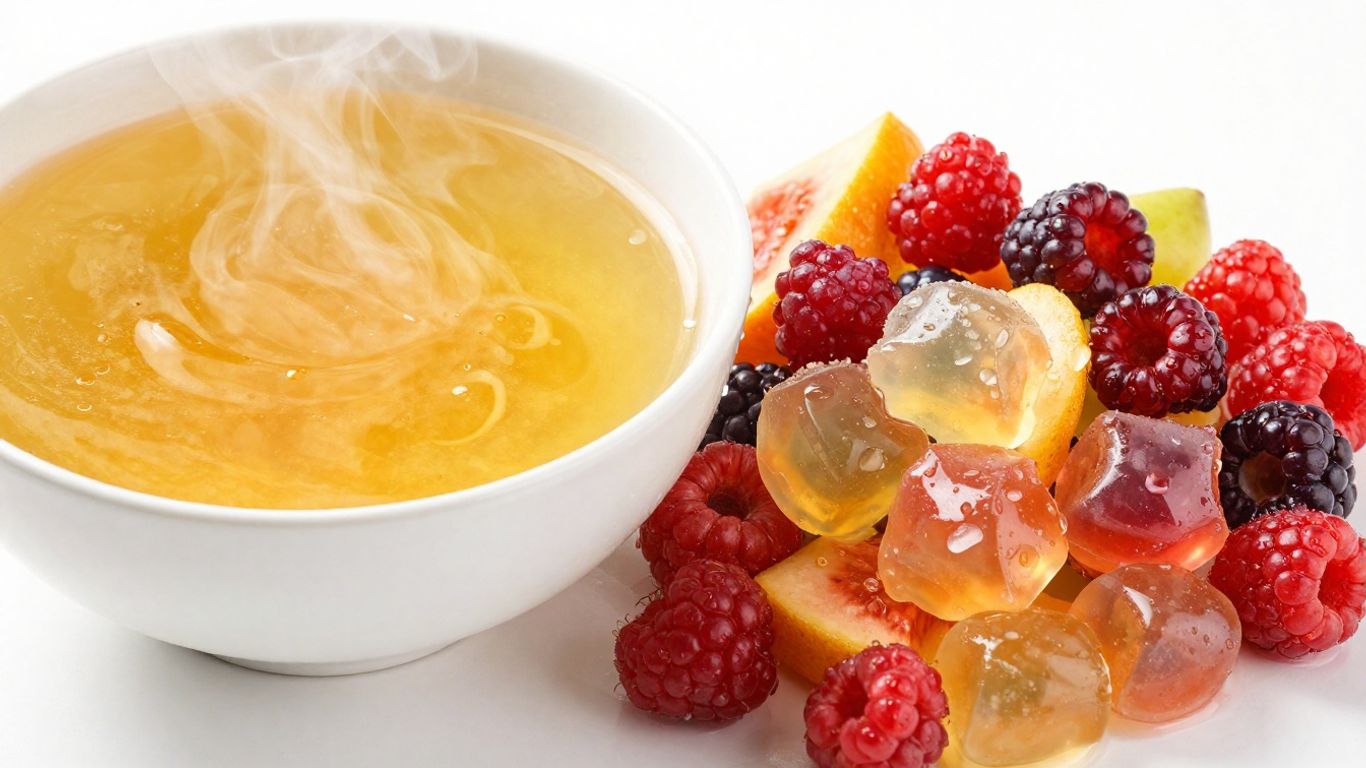
Food supplies a real share of your daily fluid. Mayo Clinic estimates that food provides about 20% of the total water you need each day, and many fruits and vegetables are almost entirely water. If plain water bores you, broth-based soups, juicy produce, chia “gels” and homemade fruit jellies can make staying hydrated easier, while water and other unsweetened drinks still do most of the work.
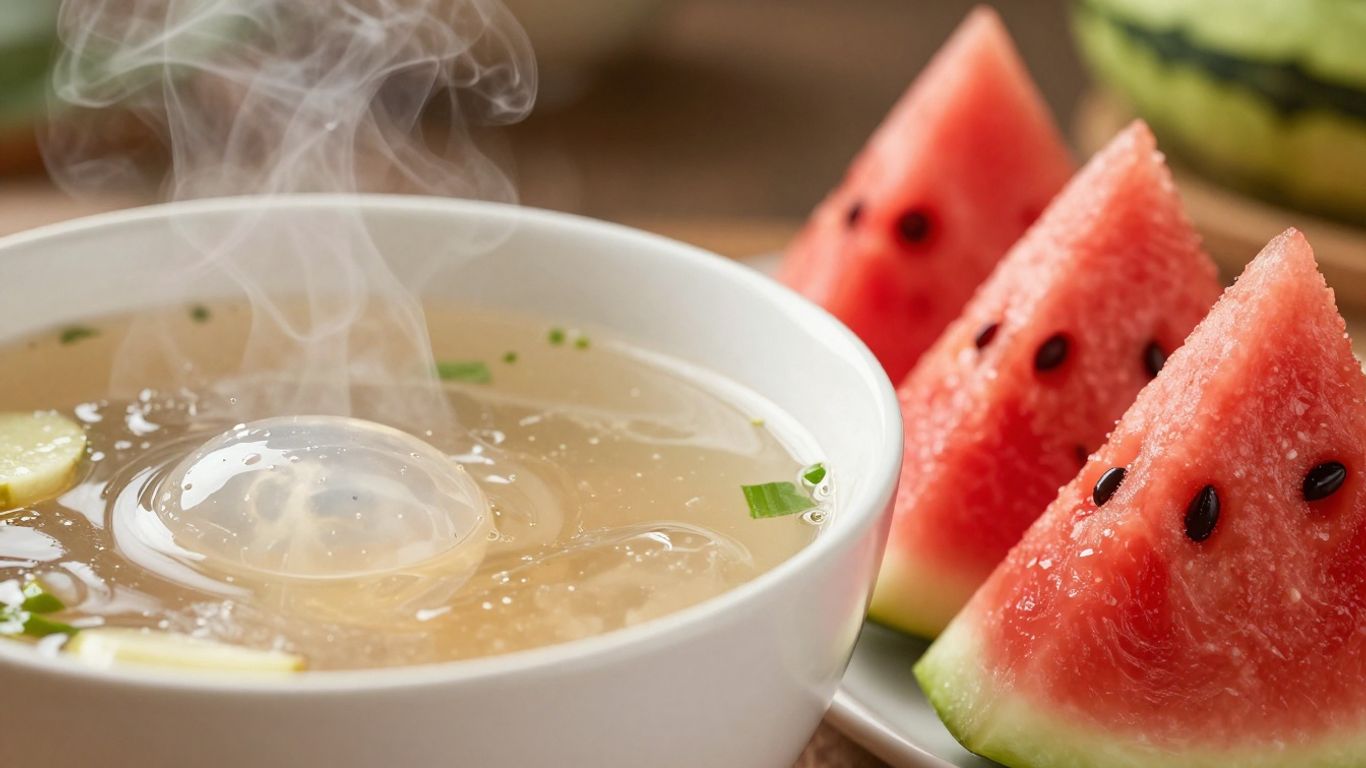
How much fluid do you need?
Needs vary with body size, activity, climate and health. Rather than counting glasses, the NHS suggests aiming to drink enough during the day that your pee is a clear pale yellow colour, and notes that we also get some fluids from the foods we eat. You may need more when it is hot, when you are active for long periods, when you are ill, or when you are pregnant or breastfeeding.
Hydrating foods are a helpful top-up, not a replacement for drinking. They shine on days when you forget to drink, when you are not thirsty, or when you are simply tired of water.
Fruits that count
Mayo Clinic lists cantaloupe, strawberries and watermelon among fruits that are almost 100% water by weight. Other juicy options include:
- Melons: watermelon, cantaloupe and honeydew; cube a whole melon at once so it is ready to grab.
- Berries: strawberries, raspberries and blueberries; great frozen as a cold snack.
- Citrus: oranges, clementines and grapefruit; easy to pack and peel.
- Other favourites: peaches, plums, pineapple, kiwi, grapes and apples.
Whole fruit gives you water plus fibre, which is why it is a better everyday choice than juice. Keep a bowl of washed fruit on the counter or a container of cut melon at eye level in the fridge; you are far more likely to eat what you can see.
Vegetables that keep you refreshed
- Cucumber and celery: crunchy, cool and ideal for dipping.
- Lettuce, spinach and other greens: a big salad adds a surprising amount of water.
- Tomatoes, zucchini and bell peppers: raw in salads or lightly cooked.
- Cabbage and squash: both named by Mayo Clinic as high-water vegetables; good in slaws and soups.
- Radishes and snap peas: easy, colourful snacks.
Soups: hydration you can eat with a spoon
A bowl of soup is mostly liquid, and it is often more appealing than a glass of water, especially in a Canadian winter.
Warm soups
- Clear broths: vegetable or chicken broth with vegetables, beans or noodles. Choose lower-sodium broth and season with herbs, garlic and lemon.
- Vegetable soups: minestrone, lentil-tomato or a simple carrot-ginger soup.
- Miso or ginger broths: soothing on cold or under-the-weather days.
Cold soups for summer
- Gazpacho: blend tomatoes, cucumber, red pepper, a little onion, garlic, vinegar and olive oil; chill.
- Cucumber-yogurt soup: blend cucumber, plain yogurt, dill, lemon and a pinch of salt.
- Chilled melon soup: blend cantaloupe with lime juice and mint for a dessert-like bowl.
Gels: chia, jellies and what about sports gels?
“Gels” in this article means foods that hold water in a soft, spoonable form.
- Chia gel and chia pudding: chia seeds absorb liquid and thicken into a gel. Stir 2 tablespoons chia into ½ cup milk, fortified soy beverage or blended fruit; refrigerate for a few hours or overnight. Top with berries.
- Homemade fruit jellies: heat 2 cups 100% fruit juice or blended fruit with agar-agar (a seaweed-based setting agent) or unflavoured gelatin, following the package ratio, then chill in small cups. Add chopped fruit before setting.
- Frozen fruit “gels”: blend watermelon or berries and freeze in ice-pop moulds for a cold, hydrating treat.
- Sports gels: these concentrated carbohydrate packets are made for long endurance exercise. They are not hydrating on their own and need to be taken with water. For everyday life, real food and drinks are a better fit.
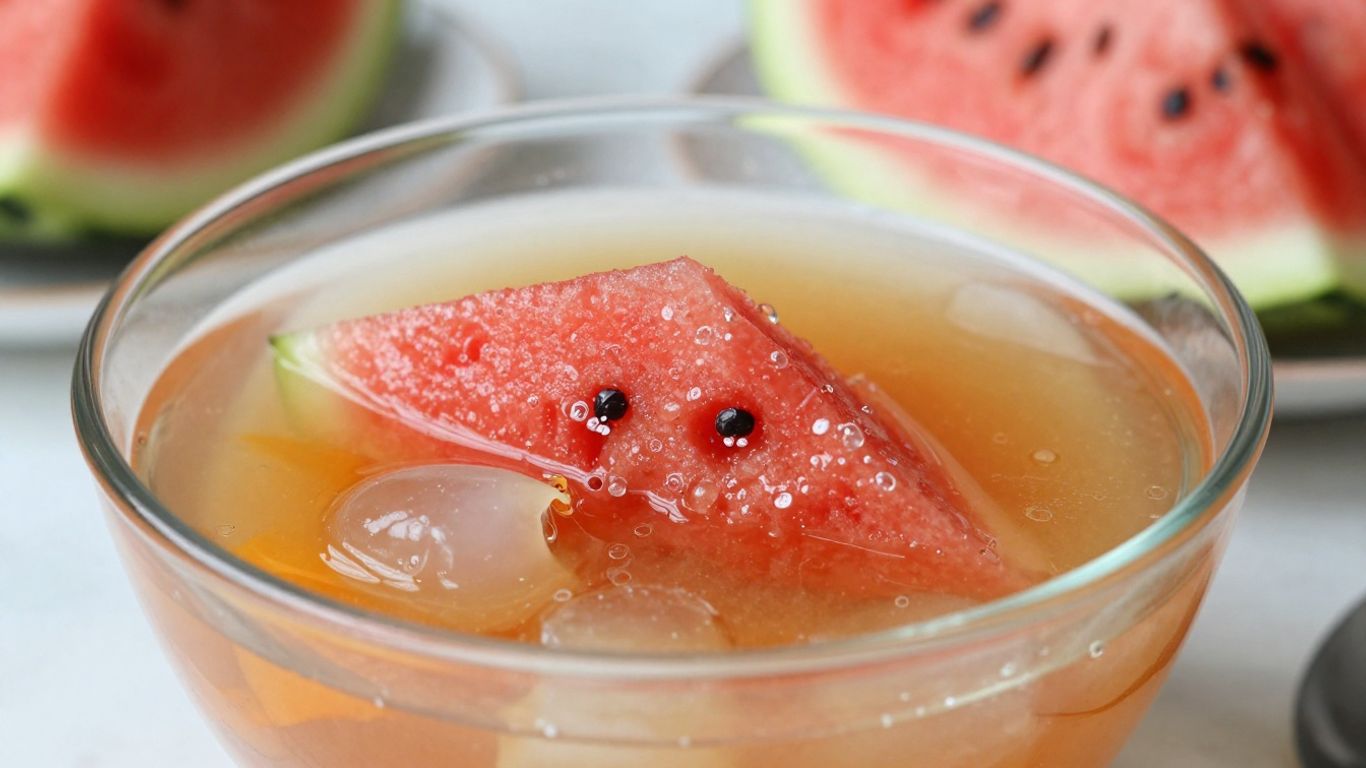
Three easy hydrating recipes
Watermelon cucumber salad
Toss 3 cups cubed watermelon and 1 sliced cucumber with torn mint, lime juice and a little crumbled feta. Serve cold.
Quick vegetable broth bowl
Simmer 4 cups low-sodium broth with sliced carrots, zucchini and a handful of spinach for 8 minutes. Add cooked rice or white beans and finish with lemon.
Berry chia pudding
Mash ½ cup berries, stir in ¾ cup milk or fortified soy beverage and 3 tablespoons chia seeds. Chill overnight and top with more fruit in the morning.
Make drinking less boring too
Canada’s Food Guide encourages people to add fruits and herbs to hot or cold water for flavour, or try sparkling water. Some combinations to try:
- Cucumber and mint
- Strawberry and basil
- Orange and blueberry
- Lemon and ginger (lovely warm)
- Blackberry and mint
Crush berries and tear herbs to release more flavour. Other good choices include milk, unsweetened fortified soy beverage, herbal teas hot or iced, and smoothies made with whole fruit. The NHS suggests keeping fruit juice and smoothies to one small glass (150 ml) a day, with a meal, because they are high in sugar.
A simple hydrating day
| Time | Food or drink |
|---|---|
| Breakfast | Glass of water; chia pudding with berries, or oatmeal with milk and an orange |
| Morning | Water bottle with cucumber and mint |
| Lunch | Big salad with tomatoes, cucumber and peppers, plus a cup of vegetable soup |
| Afternoon | Watermelon cubes or a frozen fruit pop; sparkling water |
| Dinner | Vegetable-rich stir-fry or stew; glass of water or milk |
| Evening | Warm herbal tea |
Around exercise and heat
- Drink water before you head out, and bring a bottle for longer walks, hikes or workouts.
- Pack water-rich snacks such as oranges, grapes or cucumber for hot days.
- Drink extra after sweating. The NHS notes that water is the best way to replace lost fluids for most people.
- A salty snack or a bowl of soup after long, sweaty activity helps replace some of the sodium lost in sweat.
For timing ideas, see our guides to hydration timing and fueling for hikes.
When to check with a professional
Talk with your doctor if you have kidney or heart conditions or have been told to limit fluids, if you feel dizzy, confused or very weak, if your pee stays dark despite drinking more, or if vomiting or diarrhoea makes it hard to keep fluids down. Older adults and young children can become dehydrated more quickly, so watch them closely in hot weather and during illness.
Key takeaways
- Food provides roughly a fifth of daily water; fruit, vegetables and soup add the most.
- Use pale yellow pee as a simple guide to whether you are drinking enough.
- Try broth-based or chilled soups, chia pudding and homemade fruit jellies for variety.
- Flavour water with fruit and herbs, or choose sparkling water, milk or herbal tea.
- Keep juice small and save sports gels for long endurance efforts.