Love My Weight

Hike Fueling: portable foods and hydration timing

Heading out for a hike is a great way to clear your head and get some exercise. But let’s be real, if you don’t bring the right food and drinks, it can turn into a real drag. You start feeling tired, your legs get heavy, and suddenly that beautiful view doesn’t seem so worth it. Proper hike fueling isn’t just about stuffing your face; it’s about giving your body what it needs, when it needs it. We’re talking about making sure you have enough energy to get to the top and back without hitting a wall. This guide is all about keeping you going strong, no matter how long or tough the trail is.

Key Takeaways

  • Start fueling up before you even hit the trail. Eat a balanced meal with carbs, protein, and fats about 60-90 minutes beforehand to top off your energy stores.
  • Keep a steady stream of calories coming in during your hike, aiming for 200-300 calories per hour. Smaller, frequent snacks are better than big meals.
  • Your trail snacks should offer a mix of carbs for quick energy, protein to help your muscles, and fats for dense calories. Think trail mix, nut butter, and dried fruit.
  • Don’t forget to drink water! Sip regularly, aiming for about 4-6 ounces every 15 minutes, especially in warm weather or during strenuous activity. Consider electrolyte drinks on longer hikes.
  • Refuel after your hike too. Within 30-60 minutes of finishing, eat a meal with carbs and protein to help your body recover and get ready for your next adventure.

Strategic Pre-Hike Fueling

Getting ready for a hike isn’t just about packing the right gear; it’s also about prepping your body. What you eat and drink before you even step onto the trail makes a big difference in how you feel out there. Think of it as setting yourself up for success, giving your body the best possible start.

Timing Your Pre-Hike Meal

When you eat your last meal before a hike matters. You don’t want to feel stuffed, but you also don’t want to start with an empty tank. Aim to have your main pre-hike meal about 2-3 hours before you plan to start walking. This gives your body enough time to digest and start using the energy. For a quick boost right before you head out, maybe 10-15 minutes before, a small, easily digestible snack with simple carbohydrates can be helpful. It’s like giving your engine a little extra gas right before the race.

Nutrient Balance for Lasting Energy

Your pre-hike meal should be a mix of things that give you energy over time. Complex carbohydrates are your friend here – think whole grains like oatmeal or whole-wheat toast. They break down slowly, providing a steady release of energy. Adding some protein, like eggs or Greek yogurt, and a bit of healthy fat, such as from avocado or nuts, helps with satiety and further slows down digestion, keeping you full and energized longer. It’s not just about calories; it’s about the type of calories.

Hydration Kickstart

Don’t forget to drink! Starting your hike already a bit dehydrated is a bad idea. Begin hydrating the night before and make sure you drink a good amount of water in the hours leading up to your hike. Aim for about 16-20 ounces (around 2-3 cups) a couple of hours before you start. This gives your body time to process the fluids and get them where they need to go. You want to be well-hydrated from the get-go.

Proper pre-hike fueling and hydration are foundational. They set the stage for a more enjoyable and successful experience on the trail, preventing early fatigue and discomfort.

Sustaining Energy On The Trail

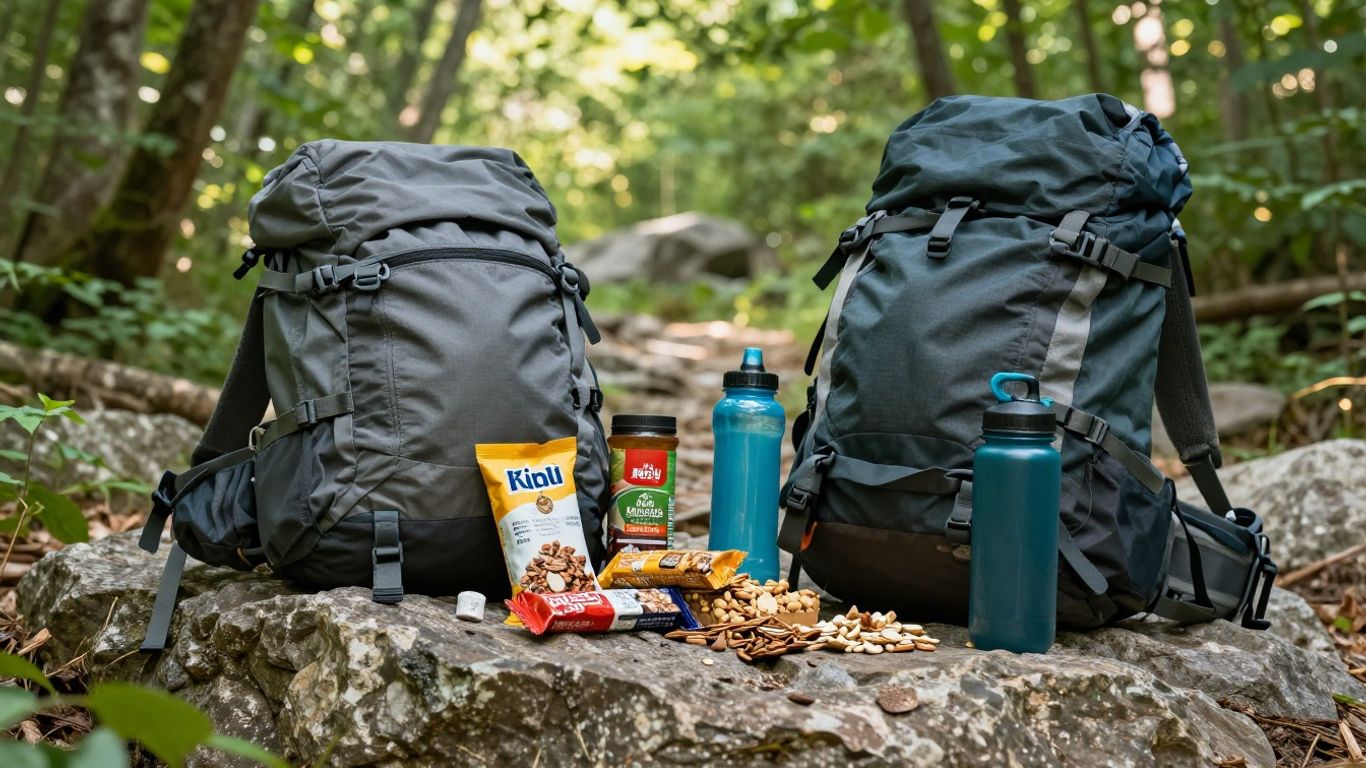
Hiker's backpack with snacks and water on a trail.

Keeping your energy levels steady while you’re out on the trail is key to enjoying your hike and performing at your best. It’s not just about what you eat before you start, but how you refuel throughout the day. Think of it like keeping a campfire going – you need to add small pieces of wood regularly, rather than dumping a whole log on at once.

Consistent Calorie Intake

When you’re on the move for hours, your body is constantly burning fuel. To avoid hitting that dreaded wall, aim for a steady stream of calories. Instead of big, infrequent meals, try to eat smaller amounts more often. A good target is around 200-300 calories every hour you’re hiking. This approach helps keep your muscle glycogen stores topped off, giving you more consistent energy throughout your trek. Make it easy to grab a bite by keeping snacks accessible, maybe in a hip belt pocket or a easily reachable part of your pack. You don’t want to be fumbling around when you need a quick boost.

The Power of Balanced Macronutrients

Your trail snacks should offer a mix of carbohydrates, protein, and fats. Carbohydrates are your primary energy source, giving your muscles the power they need for each step. Protein helps with muscle repair and can limit damage, especially on tough terrain. Fats are great for packing in calories without adding much weight, and they also make your food more satisfying, which encourages you to eat.

Here’s a simple breakdown:

  • Carbohydrates: Dried fruits, energy bars, crackers, gels.
  • Protein: Jerky, nuts, seeds, hard cheese.
  • Fats: Nut butters, seeds, cheese.

Energy-Dense, Lightweight Options

Since you’re carrying everything on your back, choosing foods that pack a lot of calories into a small, light package is smart. Think about things like trail mix, nut butter packets, energy balls, or cheese. These are great for long-lasting fuel and won’t weigh you down.

When you’re choosing what to pack, always consider the weight-to-calorie ratio. Foods that are high in calories but low in weight will make a big difference on longer hikes. Don’t just grab the first thing you see; think about what will give you the most bang for your buck in terms of energy and portability.

Here are some ideas for energy-dense snacks:

  • Trail Mix: A classic for a reason. Combine nuts, seeds, dried fruit, and maybe a few chocolate chips.
  • Nut Butter Packets: Easy to eat straight from the packet or spread on crackers.
  • Energy Balls/Bites: Homemade or store-bought, these are packed with oats, nuts, seeds, and dried fruit.
  • Hard Cheese: Offers protein and fat, and holds up well on the trail.

Optimizing Hydration During Your Hike

Keeping hydrated on the trail is just as important as what you eat. It’s easy to forget to drink when you’re focused on the climb or the view, but dehydration can really mess with your energy levels and how you feel. Think of water as your trail buddy – it needs attention too!

Regular Fluid Intake

Don’t wait until you’re parched to take a sip. Thirst is actually a sign that you’re already starting to get dehydrated. A good rule of thumb is to aim for about 16 to 20 ounces of fluid per hour of hiking. This can change, of course. If it’s really hot out, the trail is super steep, or you’re moving at a higher altitude, you’ll likely need even more. Keeping a water bottle or hydration reservoir easily accessible makes it simple to take small, frequent sips throughout your hike. It’s all about consistency.

  • Sip water every 15-20 minutes.
  • Adjust intake based on temperature and exertion.
  • Listen to your body; don’t ignore thirst.

Electrolyte Replenishment

When you sweat, you don’t just lose water; you also lose electrolytes like sodium and potassium. These minerals are super important for keeping your body’s fluid balance in check and helping your muscles work right. For hikes longer than an hour, especially in warm weather or during intense activity, it’s a smart idea to replenish these lost minerals. You can do this with electrolyte-enhanced drinks, powders, or even some salty snacks. Just be mindful of the sugar content in some sports drinks – you want replenishment, not a sugar rush.

Electrolyte Importance
Sodium Fluid balance, nerve function
Potassium Muscle contractions, fluid balance
Magnesium Muscle and nerve function
Calcium Bone health, muscle function

Hydration Tools for Convenience

Having the right gear can make staying hydrated a whole lot easier. Hydration reservoirs, often called "bladders," fit into your backpack and have a hose you can sip from without stopping. They’re great for keeping fluids within easy reach. For shorter hikes or if you prefer bottles, insulated bottles can keep your water cool, making it more appealing to drink. If you’re planning on sourcing water from natural sources, remember to bring a reliable water filter or purification tablets. Never assume natural water sources are safe to drink without treatment.

Treating water from natural sources is non-negotiable for safety. Even clear, fast-moving water can harbor invisible contaminants that can lead to serious illness. Always have a trusted treatment method with you.

Remember, staying hydrated is a continuous process, not a one-time event. Make it a habit, and your body will thank you with sustained energy and a much more enjoyable hike.

Navigating Terrain and Altitude

Caloric Demands of Rugged Trails

When you’re hitting trails that aren’t just flat paths, your body works a lot harder. Think steep climbs, loose rocks, or sandy sections – all these make you burn more calories than a gentle stroll. It’s like your body is doing extra reps for every step. For these tougher routes, you’ll want to bump up your calorie intake. Eating something every 30 to 45 minutes becomes pretty important, almost like a steady fuel line keeping you going.

Altitude’s Impact on Needs

Going higher up in elevation changes things too. The air gets thinner, and your body has to work harder just to get oxygen. This extra effort means you’ll need more energy and fluids than you would at sea level. Dehydration can sneak up on you faster at altitude, so paying close attention to your water intake is key. Don’t wait until you feel thirsty; sip regularly.

Adapting Fueling to Conditions

So, how do you actually do this? It’s all about being smart with what you pack and when you eat. For those long, tough days, lightweight, calorie-dense foods are your best friend. Things like nuts, dried fruits, jerky, and energy bars pack a lot of punch without adding much weight to your pack. If you’re on a multi-day trip, dehydrated meals are a game-changer. You just add hot water, and you’ve got a filling meal that doesn’t weigh you down.

Here’s a quick look at how terrain can affect your energy needs:

Terrain Type Relative Caloric Demand Notes
Flat, smooth trail Low Minimal extra effort required.
Rolling hills Moderate Consistent up and down.
Steep climbs High Significant muscle engagement.
Loose scree/sand High Instability requires more energy per step.
High altitude Increased Body works harder for oxygen.

Remember, your body is a finely tuned machine. When you ask it to do more, like climbing a mountain or hiking at high altitude, you need to give it the right kind of fuel and plenty of it. Listening to your body and adjusting your food and water intake accordingly will make a huge difference in how you feel and perform on the trail.

Smart Snack Choices for Sustained Performance

When you’re out on the trail, keeping your energy levels steady is key to enjoying the hike and reaching your destination feeling good. It’s not just about one big meal; it’s about consistent, smart fueling. Think of your snacks as little pit stops for your body, providing the energy it needs to keep going.

Carbohydrates for Immediate Energy

Carbs are your body’s go-to fuel source, especially when you’re moving. They get converted into glucose, which your muscles use for power. For quick energy on the trail, dried fruits like raisins or apricots are fantastic. Energy bars and chews are also popular choices because they’re easy to pack and eat on the move. Even a handful of gummy bears can give you a fast boost when you need it most.

Protein for Muscle Support

While carbs provide the immediate power, protein plays a vital role in keeping your muscles in good shape. It helps repair any tiny tears that happen during exertion and can help you feel fuller for longer. Good trail options include jerky, nuts, seeds, and even small packets of tuna or salmon. These are lightweight and pack a protein punch.

Fats for Calorie Density and Enjoyment

Fats are a concentrated source of energy, meaning they pack a lot of calories into a small, light package. This is super helpful when you need to keep your pack weight down. Nut butters, like peanut or almond butter, are excellent. You can eat them straight from the packet or spread them on crackers. Seeds and cheese also offer healthy fats. Plus, these richer foods can make your snacking more enjoyable, which is important for keeping your motivation up.

The best trail snacks offer a mix of these three macronutrients. This combination helps provide sustained energy, supports muscle function, and keeps hunger at bay. Aim for snacks that are easy to access and eat without much fuss, so you can refuel quickly and get back to enjoying the scenery.

Here’s a quick look at some good snack ideas:

  • Carb-focused: Dried fruit (apricots, mango, dates), energy gels, fruit leather, crackers.
  • Protein-focused: Jerky (beef, turkey, salmon), nuts (almonds, walnuts, cashews), seeds (sunflower, pumpkin), hard cheese.
  • Fat-focused: Nut butters, trail mix (with nuts and seeds), olives.
  • Balanced: Energy bars, trail mix with a variety of nuts, seeds, and dried fruit, peanut butter-filled pretzels.

The Importance of Post-Hike Recovery

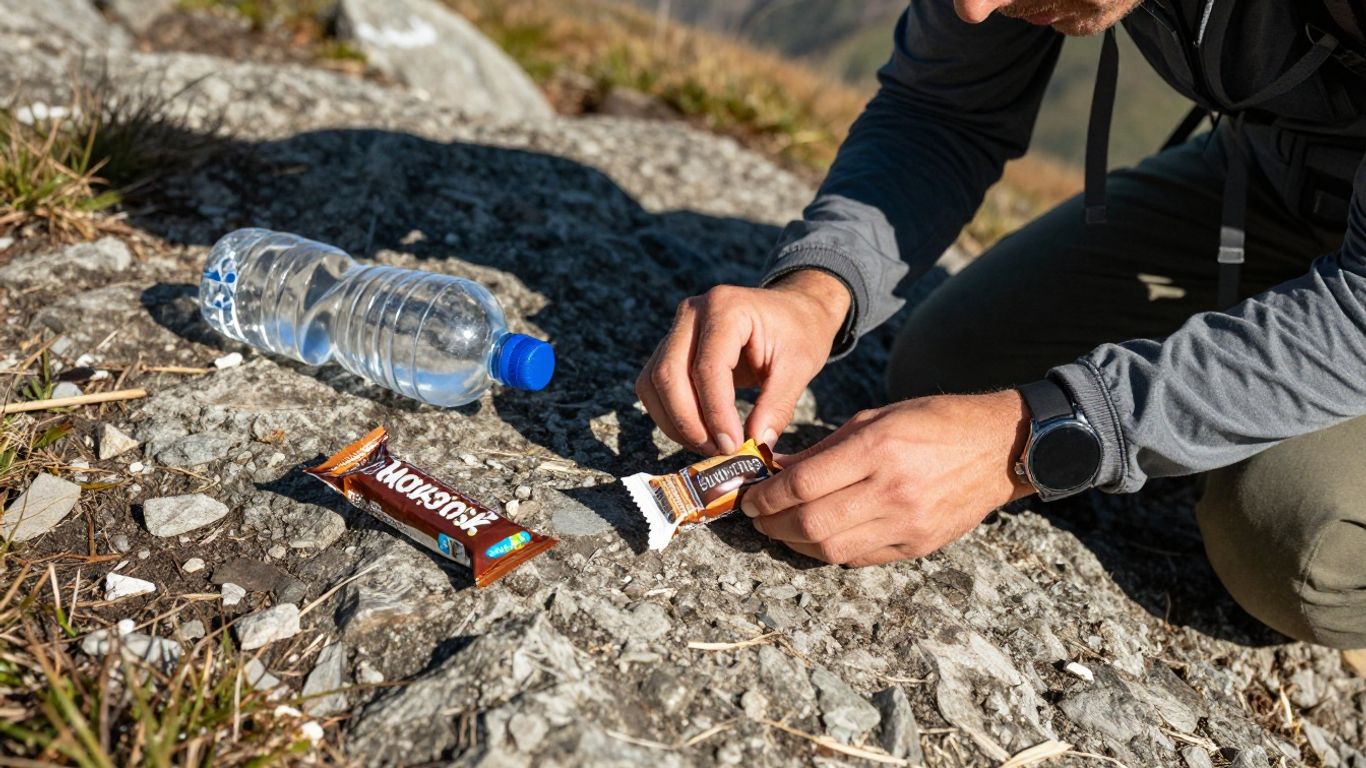
Hiker eating snack and drinking water on mountain trail.

So, you’ve made it back to the trailhead, tired but triumphant. That feeling of accomplishment is great, but your body is likely signaling that it needs some attention too. The work your muscles did on the trail doesn’t just stop when you stop walking. Post-hike recovery is a really important phase, often overlooked, that helps your body bounce back and get ready for whatever adventure comes next.

Replenishing Glycogen Stores

Think of your muscles like a car’s fuel tank. During a long hike, you’ve burned through a lot of that fuel, which is stored as glycogen. Replenishing these stores is key to feeling less wiped out and having energy for your next day, whether that’s another hike or just daily life. You want to get some easily digestible carbohydrates in fairly soon after you finish.

Repairing Muscle Tissue

Hiking, especially over uneven ground or with a pack, puts stress on your muscles. This can cause tiny tears, which is a normal part of getting stronger. Protein is the building block your body needs to repair this muscle tissue. Getting enough protein after your hike helps your muscles rebuild and become more resilient.

Preparing for Your Next Adventure

Recovery isn’t just about feeling better right away; it’s about setting yourself up for future efforts. Proper nutrition and rest after a hike help prevent excessive fatigue and can even reduce the risk of injury down the line. It’s like giving your body the tools it needs to be ready for the next challenge.

Here’s a quick look at what to aim for:

  • Carbohydrates: Focus on simple and complex carbs to quickly refill energy stores.
  • Protein: Aim for a good source to kickstart muscle repair.
  • Fluids: Don’t forget to rehydrate; you’ve likely lost a lot of fluid through sweat.

The window immediately following your hike is prime time for your body to start rebuilding. What you consume in this period can make a noticeable difference in how quickly you feel recovered and ready to go again.

Effective Post-Hike Nutrition Strategies

So, you’ve made it back. The trail dust is settling, and your legs are feeling that satisfying ache. But don’t stop fueling just yet! What you eat right after your hike is pretty important for getting your body back in shape and ready for the next adventure. Think of it as the final, vital step in your hike’s energy management.

Timing Your Recovery Meal

Ideally, you want to get some food in your system within about 30 to 60 minutes after you finish. This is when your body is really primed to start rebuilding. It’s like catching a wave of opportunity to help your muscles recover faster. Don’t stress if you can’t eat immediately, though. Life happens, and sometimes a proper meal takes a bit longer to prepare or access. The main thing is to not let too much time pass.

Ideal Carb and Protein Ratios

When you’re thinking about what to eat, a good mix of carbohydrates and protein is the sweet spot. You’re looking for something that helps replenish the energy you used up and also helps repair any muscle wear and tear. A common recommendation is a ratio of about 3:1 or 4:1 carbs to protein. This helps your body get the building blocks it needs without overdoing it on one macronutrient.

Here’s a quick look at what that might mean:

Macronutrient Purpose
Carbohydrates Replenish depleted glycogen stores
Protein Repair muscle tissue, support rebuilding

Nutrient-Dense Recovery Foods

What kind of foods fit this bill? You’ve got options! Think about things that are easy to digest but still pack a punch. Some people like a smoothie with fruit and protein powder. Others might go for Greek yogurt with granola and berries. A turkey sandwich on whole-wheat bread works well too. Even something simple like chocolate milk can be surprisingly effective, offering a good balance of carbs and protein.

The goal is to provide your body with the necessary fuel to start the repair process. It’s not about indulging in a massive feast, but rather about making smart choices that support your body’s recovery and prepare it for future efforts. Keep it simple, keep it effective.

Some other ideas include:

  • A bowl of oatmeal with nuts and dried fruit.
  • Cottage cheese with pineapple chunks.
  • A wrap filled with chicken or beans and some veggies.
  • Hard-boiled eggs with a side of rice cakes.

Remember, the best recovery food is one that you’ll actually eat and that sits well with your stomach after a strenuous activity.

Planning Your Hike Fueling Strategy

Getting your food and drink plan sorted before you even tie your boots is a big part of making sure your hike goes smoothly. It’s not just about grabbing whatever’s easy; it’s about thinking ahead so your body has what it needs when it needs it. This means looking at how long you’ll be out there and how hard you expect it to be.

Fueling by Moving Time, Not Distance

Forget just looking at the miles on the map. Think about how long you’ll actually be moving. A slow, tough climb over five miles can burn way more energy than a flat ten miles. So, try to estimate your active time on the trail. This gives you a better idea of how many calories you’ll need to pack.

  • Estimate your total hiking time.
  • Consider the terrain and expected pace.
  • Factor in breaks and slower sections.

Testing Your Fueling Plan

What works on paper might not work in reality. Before a big trip, try out your planned snacks and meals on shorter hikes. See how your stomach handles them, if they give you the energy you expect, and if they’re easy to eat on the go. This is your chance to make adjustments without being miles from anywhere.

Don’t wait until your longest trek to discover that your go-to energy bar gives you a stomach ache or that your carefully packed lunch is too much of a hassle to eat. Practice makes perfect, and your gut will thank you for it.

Adapting to Hike Duration and Intensity

Your fueling needs change based on the hike. A quick afternoon stroll requires a different approach than a multi-day backpacking trip. For longer, more demanding hikes, you’ll need to pack more calories and focus on sustained energy sources. Shorter, less intense hikes might just need a few well-chosen snacks.

Here’s a general idea:

Hike Type Estimated Calories per Hour Focus
Short/Easy 200-300 Quick energy, simple carbs
Moderate/Long 300-500 Balanced carbs, protein, some fats
Strenuous/Multi-day 400-600+ Calorie-dense, sustained energy, protein

Remember, these are just starting points. Your personal needs might vary.

Water Safety and Treatment on the Trail

When you’re out exploring, finding a water source can feel like striking gold. But before you take a sip, it’s super important to know that not all natural water is safe to drink. Even clear, flowing water can hide tiny things that can make you really sick.

Assessing Natural Water Sources

Look for water that’s moving. Streams and springs are generally better bets than still ponds or puddles. Water closer to its source, especially if it’s bubbling up from the ground, is often cleaner. Try to avoid water that looks murky or has a lot of algae. Also, steer clear of water near areas where animals might gather, like marshy spots or places downstream from farms or campsites. Moss might make water look clearer, but it doesn’t actually filter out the bad stuff like bacteria or viruses.

Essential Water Treatment Gear

Carrying your own treatment method is the safest bet. Here are a few common options:

  • Filtered Water Bottles: These are great for removing bacteria and protozoa. They’re lightweight and easy to use on the go.
  • UV Purifiers: These use ultraviolet light to kill off bacteria, protozoa, and viruses. They work best with clear water.
  • Chemical Tablets or Drops: Things like iodine or chlorine dioxide tablets can be effective, but you need to let them sit in the water for about 30 minutes before drinking.

Last Resort Water Collection Tips

If you find yourself without any treatment gear, you’ll need to be extra careful. Always try to find the cleanest-looking water possible.

  • Prioritize Moving Water: A fast-flowing stream is your best bet.
  • Collect Higher Up: Water closer to the source is usually less contaminated.
  • Let it Settle: If the water is cloudy, let it sit for a while so the sediment sinks to the bottom. Carefully pour off the clearer water from the top.

Remember, even with these precautions, drinking untreated water always carries some risk. It’s always better to be prepared with reliable water treatment.

Weight-Conscious Fueling for Extended Treks

When you’re heading out for multiple days on the trail, every ounce in your pack counts. Lugging around heavy food can turn an epic adventure into a slog. The trick is to pack calories that are light, compact, and still deliver the energy you need to keep moving.

Dehydrated Meal Solutions

Dehydrated meals are a backpacker’s best friend. They’ve had most of the water removed, which drastically cuts down on weight and bulk. You can buy them pre-made, or even make your own. Think about things like pasta dishes, chili, or even breakfast scrambles. All you need is a pot, a stove, and some water to bring them back to life. They might not win any gourmet awards, but they’re a solid way to get a warm, filling meal without the heavy baggage.

Compact and Durable Snacks

Snacks are your trailside lifelines between meals. You want things that won’t get crushed easily and pack a punch. Dried fruits like apricots, mangoes, and raisins are great for quick sugar boosts. Nuts and seeds, like almonds, walnuts, and sunflower seeds, offer healthy fats and protein for sustained energy. Jerky, whether beef, turkey, or even plant-based, is another protein powerhouse that holds up well. Energy bars and dense cookies, like stroopwafels, can also be good options, especially when paired with something like nut butter for added calories and staying power.

Lightweight Meal Components

Sometimes, building your own meals from lightweight components gives you more control and can be more enjoyable. Powdered milk can be added to oatmeal or cereal. Instant rice or couscous are quick-cooking grains. Powdered eggs can be a good protein source. Even things like instant soup packets can provide hydration and electrolytes, which are often overlooked but super important on longer trips. The goal is to maximize calorie-per-ounce without sacrificing too much flavor or nutrition.

Here’s a quick look at some weight-saving food ideas:

  • Dehydrated Meals: Pre-packaged or homemade, just add hot water.
  • Dried Fruits: Raisins, apricots, cranberries for quick energy.
  • Nuts & Seeds: Almonds, cashews, pumpkin seeds for fats and protein.
  • Jerky: Beef, turkey, or plant-based for a salty protein hit.
  • Nut Butters: In packets or small containers for easy calorie addition.
  • Powdered Milk/Eggs: For adding to breakfast or other meals.
  • Instant Grains: Rice, couscous, oatmeal for quick carb bases.

When planning for extended treks, think about how much energy you’ll burn each day. It’s easy to underestimate, and running out of food is a serious problem. Aim for calorie-dense options that don’t add unnecessary weight. Your body will thank you when you’re not struggling under the load of a heavy pack.

Planning a long hike? Eating right is key to keeping your energy up. Discover smart food choices that won’t weigh you down on your adventures. Visit our website to learn more about fueling your body for success on the trail!

Wrapping Up Your Hike Fueling Strategy

So, there you have it. Getting your food and drink right for a hike isn’t some big mystery, but it does take a little thought. Think about what you’re eating before, during, and after you hit the trail. Small, regular snacks and sips of water are usually the way to go, keeping you going without feeling weighed down. And don’t forget that recovery meal once you’re done – it really helps your body bounce back. Experiment a bit on shorter trips to see what works best for your body and your hiking style. Happy trails and happy eating!

Frequently Asked Questions

What should I eat right before a hike?

About an hour to 90 minutes before you start hiking, eat a meal that has a good mix of complex carbs, some protein, and healthy fats. Think of things like oatmeal with fruit, yogurt with granola, or a whole-wheat toast with peanut butter. This helps you have energy for a long time and keeps you from feeling too hungry.

How much food do I need for a hike?

Hiking uses a lot of energy, more than a normal day. You burn about 300 to 600 calories every hour. So, you need to pack enough food to replace those calories. For a 5-hour hike, just a small bag of trail mix won’t be enough. The longer and harder your hike, the more food you’ll need.

What are the best snacks to eat while hiking?

For snacks, pick foods that give you energy but aren’t too heavy. Good choices include trail mix, nuts, dried fruit, energy bars, and jerky. These give you carbs for quick energy, protein to help your muscles, and fats for lasting power. Eating a little something every hour helps keep your energy steady.

How much water should I drink on a hike?

Staying hydrated is super important. Start drinking water before your hike, about 4 to 8 ounces 15 to 30 minutes before you begin. Then, try to drink 4 to 6 ounces every 15 minutes while you’re hiking, especially if it’s hot or you’re going uphill. A hydration pack can make it easy to sip as you go.

What about electrolytes on a hike?

If you’re hiking for more than an hour, you lose salt through sweat. It’s a good idea to replace some of that by drinking an electrolyte drink or eating salty snacks like nuts or pretzels. Look for electrolyte mixes with sodium, potassium, and magnesium, but watch out for too much sugar.

Is it important to eat after a hike?

Yes, eating after your hike is crucial for recovery! It helps refill your energy stores and repair your muscles. Try to eat a mix of carbs and protein within 30 to 60 minutes after you finish. Things like a smoothie with protein powder, a sandwich with lean meat, or yogurt with fruit work well.

Does hiking in mountains or at high altitudes change what I should eat or drink?

Definitely. Tough trails and higher altitudes make your body work harder, so you’ll need more energy and fluids. Try to eat or drink something every 30 to 45 minutes. It’s like giving your body a constant boost.

What are some lightweight food ideas for long hikes?

For longer trips, you want food that’s light but packed with energy. Dehydrated meals you can just add hot water to are great. Also, pack things like crackers, jerky, dried fruit, nuts, and oatmeal. Energy gels are good for a quick boost when you need it.