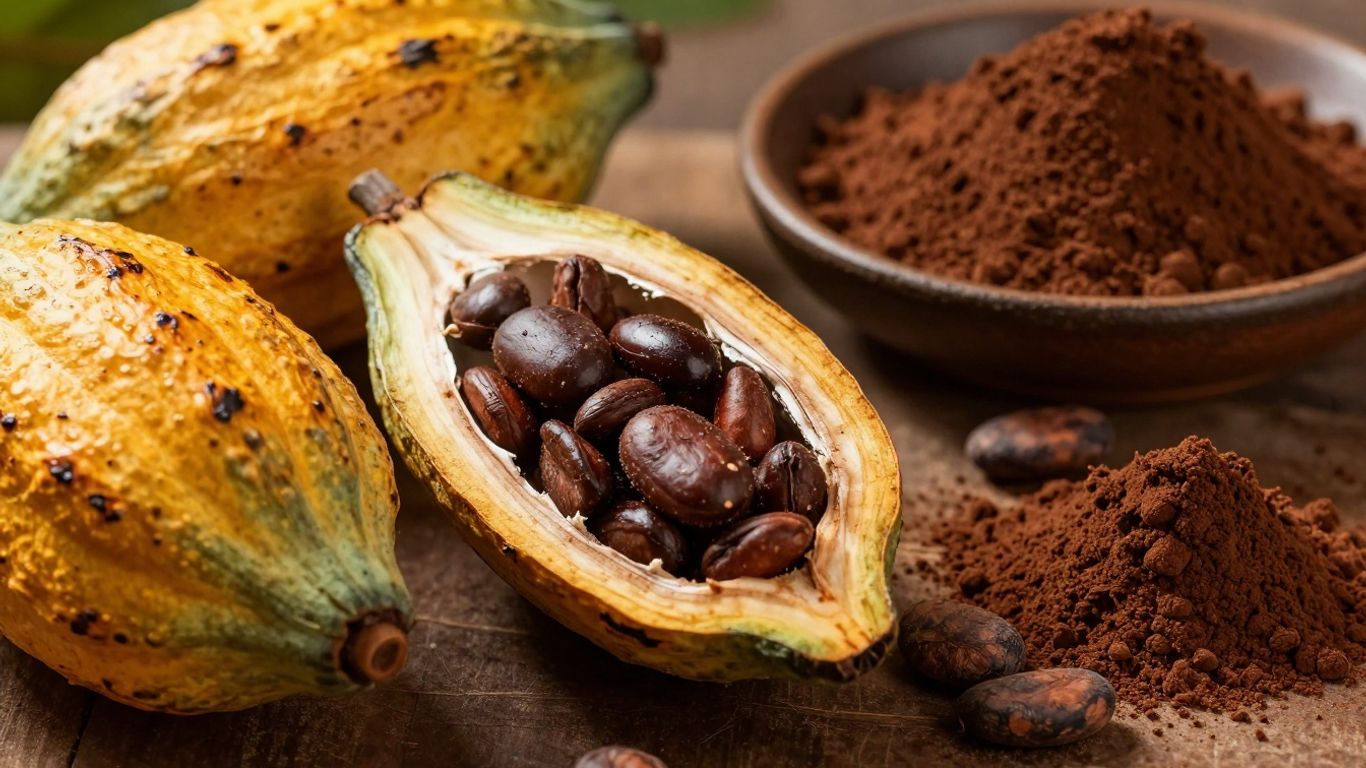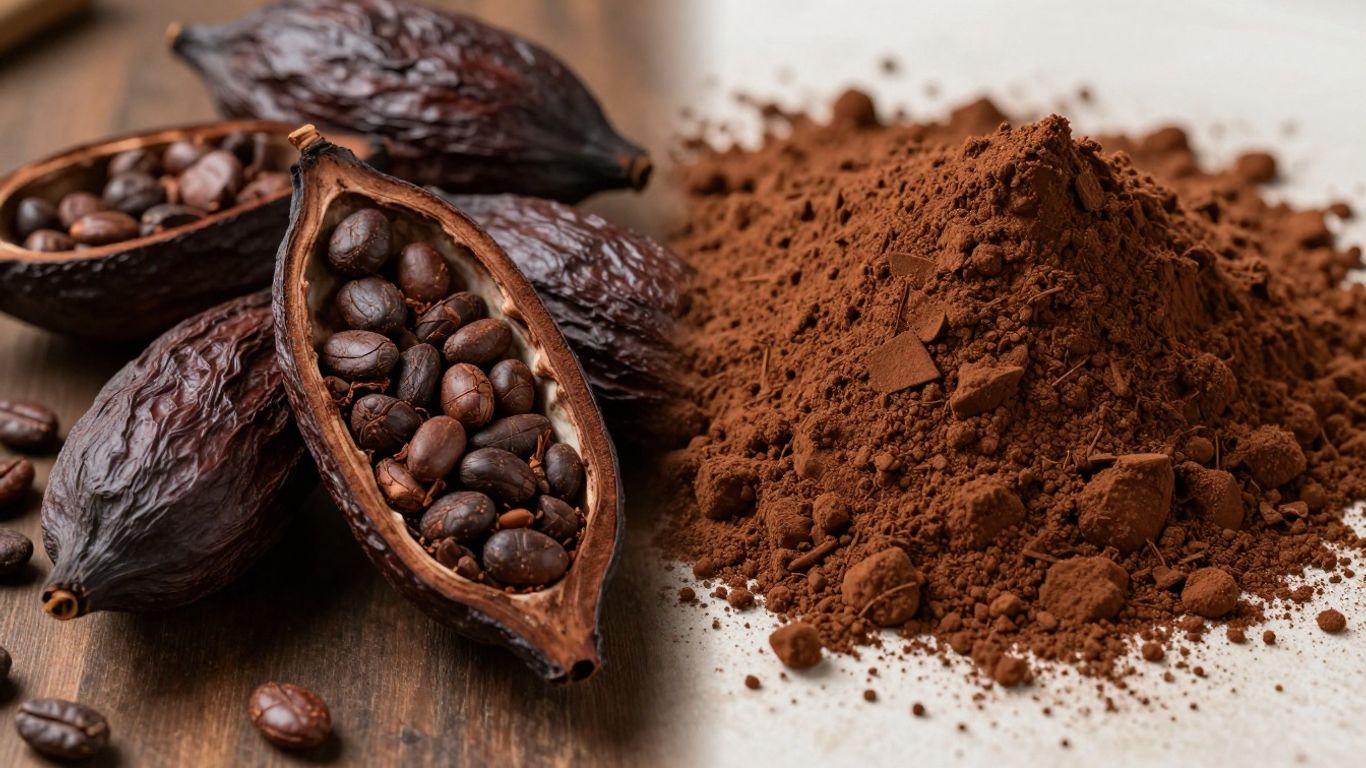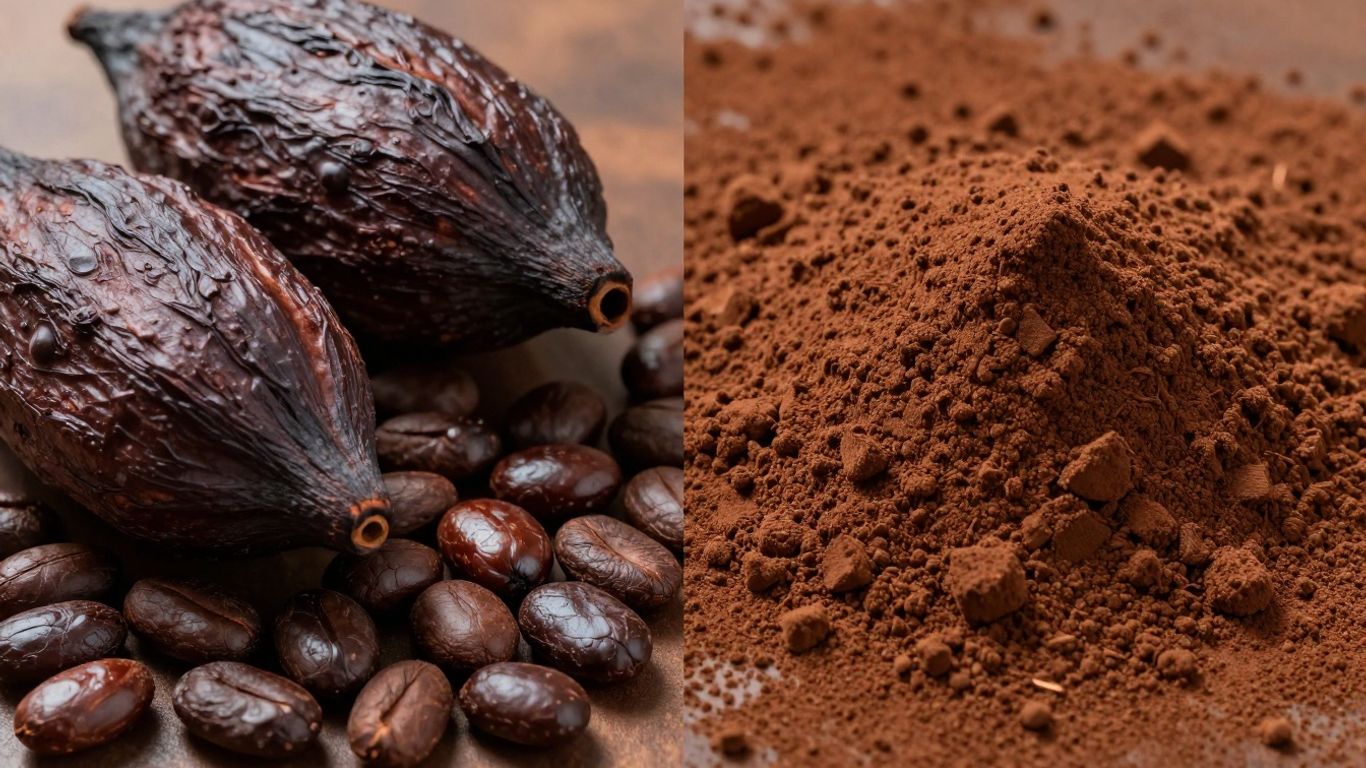
So, you’re curious about cacao versus cocoa, huh? It’s a bit confusing because they both come from the same bean, but how they’re treated makes a big difference. Think of it like fresh fruit versus juice concentrate. One is pretty much straight from nature, while the other has been changed. This article breaks down what that means for taste, health stuff, and how you can actually use them. It’s not just about picking a chocolate flavor; it’s about what you’re putting into your body.
Key Takeaways
- Cacao powder is made from raw beans that are minimally processed, keeping more of their natural nutrients and antioxidants. Cocoa powder comes from beans that are roasted at high temperatures, which reduces some of these beneficial compounds.
- The main difference in processing is heat. Raw cacao is cold-pressed or minimally heated, while cocoa powder is roasted, often at high temperatures, changing its flavor and nutritional profile.
- Raw cacao generally has a more intense, complex, and slightly bitter flavor compared to the familiar, mellow taste of cocoa powder, making them suitable for different culinary uses.
- Due to less processing, raw cacao typically contains higher levels of polyphenols, flavanols, and minerals like magnesium and iron, offering greater antioxidant and potential health benefits.
- When choosing between cacao and cocoa, consider your goals: opt for raw cacao for maximum health benefits and unique flavor, or cocoa powder for traditional baking and a milder taste.
Understanding The Cacao Vs Cocoa Distinction
It’s easy to think of cacao and cocoa as interchangeable terms, especially when you see them side-by-side in the grocery store. But here’s the thing: they’re not quite the same. While they both start their journey as beans from the same plant, the path they take afterward is where things really diverge. This difference in processing is what shapes their flavor, their nutritional makeup, and ultimately, how they affect your body.
The Origin Story: From Bean To Powder
Think of the cacao bean as the raw ingredient, the starting point for everything chocolatey. These beans are harvested from pods that grow on trees in tropical regions. For centuries, ancient civilizations like the Maya and Aztecs revered cacao, using the beans not just for a potent drink but even as a form of currency. They consumed it in a much more natural, often bitter, form, recognizing its powerful properties.
Processing: The Crucial Fork In The Road
This is where the paths of cacao and cocoa truly split. Cacao powder is typically made from raw cacao beans that are minimally processed. They are fermented, dried, and then cold-pressed. This low-temperature approach aims to keep the natural enzymes, antioxidants, and delicate compounds intact. It’s a gentler method, preserving much of the bean’s original character.
Cocoa powder, on the other hand, usually involves roasting the beans at high temperatures. This heat treatment, often reaching well over 250°F (121°C), changes the bean’s structure. It mellows out the flavor, making it more familiar and less intense, but it also significantly impacts the nutritional profile.
Nutritional Divergence: What Processing Changes
The way cacao beans are treated after harvesting directly influences what nutrients remain. The gentle, low-heat processing of cacao powder helps retain a higher concentration of beneficial compounds, like flavanols, which are known for their antioxidant activity. These are the plant compounds that give cacao its reputation as a superfood.
When beans are roasted at high temperatures for cocoa powder, many of these heat-sensitive nutrients can be degraded. While cocoa still offers some benefits, it generally doesn’t pack the same nutritional punch as its raw counterpart. It’s a trade-off: a more familiar taste for a reduced level of certain beneficial compounds.
Here’s a simple way to look at it:
- Raw Cacao Powder: Made from unroasted beans, cold-pressed. Aims to preserve nutrients and natural flavor.
- Cocoa Powder: Made from roasted beans. Heat processing alters flavor and reduces some nutrient levels.
The choice between cacao and cocoa often comes down to what you prioritize: the full spectrum of natural compounds and a more intense flavor, or a milder taste that’s familiar in many baked goods and desserts. Understanding this distinction helps you pick the right product for your needs, whether it’s for a health-focused smoothie or a classic chocolate cake.
The Science Of Polyphenols And Antioxidants
![]()
Polyphenols: Nature’s Protective Compounds
Think of polyphenols as tiny, natural bodyguards found in plants, and cacao is packed with them. These compounds are a big reason why certain plant-based foods are considered good for us. They help plants protect themselves from environmental stress, and when we eat them, they can offer similar protective benefits to our own bodies. Cacao is particularly rich in a group of polyphenols called flavanols. These aren’t just random plant chemicals; they’re the stars of the show when it comes to many of the health-related discussions around cacao.
Flavanols: The Heart Of Cacao’s Benefits
Within the broad category of polyphenols, flavanols stand out in cacao. The most well-known flavanols in cacao are epicatechin, catechin, and their linked forms, procyanidins. These are the specific compounds that researchers have focused on when studying cacao’s effects. They are thought to work by helping our cells fend off damage from unstable molecules, often referred to as oxidative stress. This protective action is what underlies many of the potential health advantages linked to consuming cacao products.
Antioxidant Power: Cacao’s Superior Standing
When we talk about antioxidants, we’re talking about substances that can neutralize harmful free radicals in the body. Free radicals are unstable molecules that can damage cells over time, contributing to aging and various health issues. Cacao, especially in its less processed forms, boasts a high antioxidant capacity. This means it has a strong ability to combat these free radicals. Compared to many other common foods and beverages, cacao often ranks quite high in terms of its antioxidant potential, making it a noteworthy addition to a balanced diet.
Here’s a look at how cacao’s antioxidant power stacks up against some other well-known sources:
| Food/Beverage | Relative Antioxidant Capacity (ORAC Score – approximate) |
|---|---|
| Raw Cacao Powder | ~80,000 µmol TE/100g |
| Dark Chocolate (70%) | ~15,000-20,000 µmol TE/100g |
| Blueberries | ~4,600 µmol TE/100g |
| Green Tea | ~1,250 µmol TE/100g |
| Red Wine | ~4,500 µmol TE/100g |
Note: ORAC (Oxygen Radical Absorbance Capacity) scores can vary based on testing methods and specific product composition. This table provides a general comparison.
Flavor Profiles: A Tale Of Two Tastes
When we talk about cacao versus cocoa, one of the most noticeable differences is how they taste. It’s not just a subtle shift; it’s a whole different experience on your tongue, and it all comes down to how they’re made.
Raw Cacao: Intense And Complex
Raw cacao, often found in nibs or as a powder that hasn’t been heavily processed, offers a flavor that’s really something else. Think of it as the purest expression of the cacao bean. It’s intensely bitter, with a deep, earthy undertone that can sometimes have hints of fruit or even floral notes. It’s not sweet at all, and that bitterness is a sign of all the good stuff, like antioxidants, still packed inside. If you’re used to chocolate bars, this might be a bit of a shock at first. It’s a flavor that demands your attention, and it’s fantastic for those who appreciate a more sophisticated, less sugary taste. It’s the unadulterated essence of the cacao bean.
Cocoa Powder: Familiar And Mellow
Cocoa powder, on the other hand, is what most of us grew up with. It’s the result of roasting cacao beans and then processing them, often with heat and sometimes with alkali (Dutch-processing). This makes the flavor much milder and less bitter than raw cacao. It’s the taste you recognize in most chocolate cakes, cookies, and hot chocolate drinks. The roasting process mellows out those intense, complex notes, making it more approachable and familiar. Depending on the type of cocoa powder, you might get notes of caramel, nuts, or even a slight fruitiness, but it’s generally smoother and easier to enjoy if you’re not a fan of strong bitterness.
Matching Taste To Your Palate
So, how do you pick the right one for you? It really depends on what you’re looking for.
- For a bold, antioxidant-rich experience: Go for raw cacao. It’s great in smoothies, energy balls, or even just a small amount sprinkled on yogurt if you can handle the intensity.
- For classic chocolate flavor in baking: Cocoa powder is your go-to. It blends well into batters and doughs, giving that familiar chocolate taste without overpowering other ingredients.
- For a smoother, less bitter drink: Dutch-processed cocoa powder is often used for its milder flavor and darker color, perfect for a comforting cup of hot cocoa.
It’s all about understanding that the journey from bean to powder significantly changes the taste. Raw cacao is the wild, untamed flavor, while cocoa powder is the domesticated, crowd-pleasing version. Experimenting with both will help you discover which one best suits your personal taste and your culinary adventures.
Nutrient Density: Beyond Antioxidants
While we often talk about cacao for its antioxidant punch, there’s a whole lot more going on in that little bean. It’s packed with other good stuff that our bodies appreciate, going way beyond just fighting off free radicals. Think of it as a whole package of natural goodness.
Minerals Essential For Well-being
Cacao is a surprisingly good source of several minerals that play big roles in keeping us running smoothly. Magnesium is a standout, and it’s pretty easy for our bodies to use. This mineral is important for muscle and nerve function, and it helps keep our hearts beating steady. You’ll also find decent amounts of iron, which is key for carrying oxygen around your body, and potassium, which helps manage blood pressure. There are also smaller amounts of other helpful minerals like chromium, manganese, phosphorus, and copper.
Here’s a quick look at how some key minerals stack up:
| Mineral | Raw Cacao Powder (per 100g) | Cocoa Powder (per 100g) | Dark Chocolate (70%, per 100g) |
|---|---|---|---|
| Magnesium | 499 mg | 425 mg | 176 mg |
| Iron | 13.9 mg | 11.9 mg | 6.7 mg |
| Potassium | 1524 mg | 1311 mg | 734 mg |
| Calcium | 128 mg | 116 mg | 73 mg |
Enzymes For Digestive Support
Raw cacao also contains natural enzymes. These little helpers can make a difference in how well we digest our food. When cacao is heavily processed, especially with high heat, these enzymes can get damaged or destroyed. So, if you’re looking for that digestive nudge, sticking closer to the raw form might be more beneficial. It’s a subtle point, but for some, it can contribute to a feeling of better gut comfort after consuming cacao products.
Macronutrient Considerations
When you compare raw cacao nibs or powder to more processed chocolate products, you notice differences in the main nutrients too. Raw cacao tends to have more protein and healthy fats, which can help you feel full and satisfied. On the other hand, many commercial chocolate bars and even some cocoa powders have added sugars and fats. This means you get fewer of the beneficial compounds and more of what we often try to limit. It’s a good reminder that the less processed the product, the more nutrient-dense it usually is.
The journey from bean to bar involves many steps, and each one can change what’s inside. While processing brings out familiar flavors and textures, it can also reduce the natural goodness that makes cacao so special. Thinking about what you want from your chocolate – whether it’s a specific taste, a nutritional boost, or a bit of both – helps you pick the right kind.
The Impact Of Processing On Nutritional Value
High Heat’s Effect On Bioactive Compounds
When cacao beans are roasted, especially at high temperatures for traditional cocoa powder, a lot of the good stuff gets lost. Think of it like cooking a delicate herb – you want to preserve its aroma and flavor, not burn it away. The same applies here. The heat can break down some of the beneficial plant compounds, like flavanols, which are known for their antioxidant properties. This means that while cocoa powder might taste familiar and comforting, it doesn’t pack the same nutritional punch as its raw counterpart.
Alkalization: Reducing Nutritional Punch
Some cocoa powders go through an extra step called alkalization, often referred to as "Dutch processing." This process is used to mellow out the flavor and darken the color, making it smoother and less bitter. It’s great for certain recipes, but it comes at a cost. Alkalization can significantly reduce the levels of those valuable flavanols and other antioxidants. In some cases, up to 90% of the flavonoids can be lost. So, if you’re reaching for cocoa powder specifically for its health benefits, it’s worth knowing that the alkalized versions will offer less.
Preserving The Bean’s Integrity
To keep the most nutrients, the goal is to process the cacao beans gently. This usually involves fermentation and drying, but avoiding high heat. Cold-pressing the beans into powder is a method that helps retain the natural enzymes and antioxidants. The less the bean is altered, the more of its original goodness remains. It’s a simple idea: treat the bean with respect, and you’ll get more of its natural benefits.
Here’s a quick look at how processing can change things:
| Nutrient Category | Raw Cacao Powder (approx.) | Cocoa Powder (approx.) |
|---|---|---|
| Antioxidant Value (ORAC) | 95,500 units/100g | 55,000 units/100g |
| Magnesium | 499 mg/100g | 425 mg/100g |
| Iron | 13.9 mg/100g | 11.9 mg/100g |
| Potassium | 1524 mg/100g | 1311 mg/100g |
Choosing between cacao and cocoa often comes down to what you’re looking for. If maximum nutrient retention and potent antioxidant power are your priorities, minimally processed cacao is the way to go. If a milder flavor for traditional baking is your aim, cocoa powder serves that purpose well, though with fewer of the original plant compounds intact.
Practical Applications: Culinary And Wellness
Incorporating Cacao Into Daily Routines
Thinking about adding more cacao to your life? It’s simpler than you might imagine. Beyond just a treat, cacao can become a regular part of your wellness routine. It’s about mindful integration, not just consumption. Start small; a teaspoon stirred into your morning oatmeal or smoothie can make a difference. You don’t need a special occasion to enjoy its benefits. Think of it as a way to add a little something extra to your day, a small act of self-care that also happens to taste good.
Here are a few easy ways to get started:
- Morning Boost: Blend a teaspoon into your breakfast smoothie with berries and plant-based milk.
- Oatmeal Upgrade: Stir a tablespoon into your morning oatmeal or yogurt for a chocolatey twist.
- Warm Comfort: Make a simple hot chocolate by whisking cacao powder with warm water or milk and a touch of natural sweetener.
Baking With Cacao Vs. Cocoa
When you’re in the kitchen, the choice between cacao and cocoa powder can impact your final product. If you’re aiming for a deep, rich chocolate flavor in baked goods like brownies or cookies, cocoa powder is often the go-to. It’s more processed, which mellows its intensity and makes it behave predictably in recipes. Cacao powder, on the other hand, retains more of its natural bitterness and complex notes. It’s fantastic for recipes where you want that intense, unadulterated chocolate taste, like raw energy balls or certain types of cakes where its unique flavor can shine. Keep in mind that because cacao is less processed, it might affect the texture or moisture content of your baked goods slightly differently than cocoa.
| Application | Best Choice | Notes |
|---|---|---|
| Traditional Cakes/Cookies | Cocoa | Predictable results, familiar flavor profile. |
| Brownies | Cocoa | Rich, deep chocolate flavor that’s widely loved. |
| Energy Balls/Raw Treats | Cacao | Preserves more nutrients and offers a more intense, complex flavor. |
| Chocolate Muffins | Cocoa | Provides a classic, comforting chocolate taste. |
| Chocolate Mousse (Raw) | Cacao | Allows the natural, vibrant chocolate notes to be the star. |
Crafting Ceremonial Cacao Drinks
Ceremonial cacao is a bit different from your everyday hot chocolate. It’s about intention and experience. This isn’t just about drinking chocolate; it’s about connecting with the cacao in a mindful way. Typically, ceremonial cacao is made from pure, minimally processed cacao paste or powder, often unsweetened or lightly sweetened with natural options. The preparation itself can be a ritual: warming the cacao gently, perhaps with spices like cinnamon or chili, and drinking it slowly. Many people find this practice helps them feel more present and grounded.
The act of preparing and slowly sipping a cup of ceremonial cacao can transform a simple beverage into a moment of reflection and connection. It encourages a pause in the day, allowing for a deeper appreciation of both the drink and oneself.
This practice often involves:
- Using high-quality, pure cacao.
- Preparing it with intention and mindfulness.
- Sipping slowly, savoring the flavor and the experience.
- Often enjoyed in a quiet setting, perhaps before meditation or journaling.
Health Benefits: A Deeper Dive
Cardiovascular Support And Circulation
Cacao is pretty amazing for your heart. The flavanols, a type of polyphenol found in it, really help improve blood flow. Think of it like giving your blood vessels a gentle nudge to relax and open up. This can lead to better circulation and can even help keep your blood pressure in a good range. When you compare raw cacao to regular cocoa powder, especially the kind that’s been processed with heat or alkali, you’re getting a lot more of these heart-friendly compounds in the less-processed version. It’s not just about preventing problems; it’s about actively supporting your body’s systems.
- Improved blood flow: Flavanols help blood vessels relax.
- Blood pressure regulation: Can contribute to maintaining healthy levels.
- Cholesterol support: May help reduce the oxidation of LDL cholesterol.
Minimally processed cacao offers a more potent dose of these cardiovascular benefits compared to heavily processed cocoa products, where many of the beneficial compounds can be lost.
Cognitive Function And Mental Clarity
Ever feel like your brain needs a little boost? Cacao might be the answer. Those same flavanols that are good for your heart also do wonders for your brain. They can increase blood flow to the brain, which helps with things like memory, focus, and just generally thinking more clearly. It’s like giving your brain cells a little extra oxygen and fuel. Some people find that a small amount of cacao can help them feel more alert and sharp, without the jitters you might get from coffee. Cocoa can still offer some of these benefits, but the effect is usually less pronounced.
Mood Enhancement And Energy Levels
This is where cacao really shines for many people. It’s often called a natural mood lifter, and for good reason. Cacao contains compounds that can interact with your brain chemistry, potentially helping to boost feelings of happiness and well-being. It’s not a sugar rush; it’s more of a gentle lift. Many people who consume ceremonial cacao report feeling a sense of calm alertness and a general sense of peace. It can also provide a sustained energy boost, different from the quick spike and crash you might get from other sources. While cocoa can still have some of these effects, the intensity is often reduced due to processing.
- Natural mood support: Contains compounds that can influence mood positively.
- Calm alertness: Provides energy without the typical jitters.
- Sense of well-being: Many users report feeling more relaxed and content.
| Benefit Category | Cacao (Minimally Processed) | Cocoa (Processed) |
|---|---|---|
| Mood Lift | High | Moderate |
| Energy | Sustained | Less sustained |
| Jitters | Low | Potentially higher |
Choosing The Right Product For Your Needs
So, you’re standing there, looking at the options, and wondering which one is actually right for you. It’s not as complicated as it might seem, really. Think about what you want to do with it – are you aiming for a health boost, a specific flavor in your baking, or maybe something else entirely? Your goal is going to point you in the right direction.
For The Health-Conscious Consumer
If your main focus is getting the most nutritional bang for your buck, you’ll want to lean towards raw cacao. This is the stuff that’s been processed minimally, usually cold-pressed, to keep as many of those good-for-you compounds intact as possible. It’s packed with flavanols and antioxidants that you just don’t get as much of in the more processed versions. Think of it as the bean in its most potent form.
- Maximum Antioxidant Power: Raw cacao typically has significantly higher levels of beneficial compounds.
- Preserved Nutrients: Enzymes and delicate nutrients are kept intact due to low-temperature processing.
- Intense Flavor: Offers a complex, slightly bitter taste that many health enthusiasts appreciate.
When you’re looking for raw cacao, check the label. It should ideally list just one ingredient: cacao. Sometimes it might say "raw cacao powder" or "cold-pressed cacao." If it mentions roasting or high heat, it’s probably not what you’re after for maximum health benefits.
For Traditional Baking And Familiar Flavors
Now, if you’re planning on whipping up some classic chocolate chip cookies or a fluffy chocolate cake, regular cocoa powder is likely your best bet. The roasting process that cocoa beans go through gives them that familiar, milder chocolate taste that most people grew up with. It also makes them behave a bit differently in recipes, often leading to more predictable results in baked goods.
- Milder Taste: Less bitter, more approachable flavor profile.
- Baking Performance: Roasting can alter the chemical structure, making it more suitable for certain baking reactions.
- Wider Availability: Generally easier to find in most supermarkets.
It’s important to note that while cocoa powder has fewer antioxidants than raw cacao, it still offers some benefits and is a perfectly good choice for many culinary applications. Don’t feel like you have to use raw cacao for everything; sometimes, the classic choice is the right one for the job.
Navigating Labels: What To Look For
Okay, so you’re in the store, or browsing online. What are the actual clues that tell you what you’re getting?
- Processing Temperature: Look for terms like "raw," "unroasted," or "cold-pressed." If a temperature is listed, it should be below 118°F (48°C) for raw cacao. If it mentions roasting or high heat, it’s cocoa.
- Ingredient List: The simpler, the better. Pure cacao or cocoa powder should ideally have only one ingredient. Watch out for added sugars, milk powders, or artificial flavors, especially in products marketed as "chocolate mixes."
- Origin and Certifications: While not always present, information about where the beans come from (e.g., "single-origin") and certifications like "Organic," "Fair Trade," or "Rainforest Alliance Certified" can indicate a commitment to quality and ethical practices. These often go hand-in-hand with better processing.
- Color and Texture: Raw cacao tends to be a darker, richer brown, while some processed cocoas can be lighter or reddish (especially Dutch-processed). The texture should be a fine powder without clumps.
By paying a little attention to these details, you can make sure you’re picking the product that best fits what you’re hoping to achieve, whether that’s a health kick or a delicious baked treat.
Ancient Wisdom Meets Modern Science
Ritualistic Use In Ancient Civilizations
For centuries, cacao wasn’t just a food; it was a revered substance, deeply woven into the fabric of ancient Mesoamerican cultures like the Maya and Aztecs. They didn’t just eat it; they prepared it as a sacred, often bitter, beverage, sometimes spiced with chili or vanilla. This drink was used in important ceremonies, as a form of currency, and even as a medicinal tonic. The preparation and consumption were mindful acts, connecting people to the divine and to each other. It was seen as a gift from the gods, imbued with spiritual and physical power. The complexity of its flavor and the ritual surrounding its use were as important as any perceived physical benefit.
Modern Wellness Practices With Cacao
Today, we’re rediscovering the profound connection between cacao and well-being, often through practices that echo its ancient roots. Many people are incorporating raw cacao into their daily routines not just for its nutritional punch, but as a way to ground themselves. Think of adding a tablespoon of raw cacao powder to your morning smoothie or oatmeal. It’s a simple act, but doing it with intention can shift your entire day. Some individuals are even reviving the tradition of the "ceremonial cacao drink" – a warm, unsweetened preparation meant to be savored slowly, often before meditation, yoga, or journaling. This mindful approach allows us to truly appreciate the richness of the cacao experience.
The Mindful Consumption Experience
What’s fascinating is how our modern, often rushed, lives can benefit from slowing down with something as simple as cacao. When you prepare and consume cacao with awareness, your body responds differently. It’s not just about the nutrients; it’s about the sensory experience. The aroma, the texture, the deep, complex flavor – all these elements engage your senses. This deliberate act of tasting and appreciating can improve digestion and nutrient absorption because your body is more present and receptive. It’s a stark contrast to mindlessly eating a processed snack. This intentionality transforms cacao from a mere ingredient into a tool for presence and self-care.
Here’s a simple way to start:
- Choose raw, unsweetened cacao powder. This ensures you’re getting the most nutrients.
- Prepare it mindfully. Warm it gently with water or plant-based milk.
- Add spices if you like. Cinnamon, a pinch of chili, or vanilla can complement the flavor.
- Sip slowly. Focus on the taste, warmth, and how it makes you feel.
The act of preparing and consuming cacao with intention bridges the gap between ancient traditions and modern wellness. It reminds us that food can be more than sustenance; it can be a pathway to mindfulness and a deeper connection with ourselves and the world around us.
Sensitivities And Considerations
![]()
While cacao and cocoa offer a wealth of benefits, it’s wise to be aware of potential sensitivities and individual responses. Not everyone reacts the same way to these rich compounds, and understanding these nuances can help you enjoy them more mindfully.
Understanding Stimulant Content
Cacao naturally contains compounds like theobromine and caffeine, which are stimulants. While generally present in lower amounts than in coffee, they can still affect sensitive individuals. The exact amounts can vary significantly based on processing and the specific cacao bean used.
- Theobromine: Known for its milder, longer-lasting stimulating effect compared to caffeine. It can contribute to alertness and mood.
- Caffeine: Present in smaller quantities, but can still impact sleep or cause jitters in sensitive people.
If you find yourself sensitive to stimulants, consider starting with smaller portions of raw cacao or products with lower cacao percentages. Pay attention to how your body feels, especially if consuming later in the day.
Potential Oxalate And Histamine Factors
For some individuals, certain foods can trigger sensitivities related to oxalates or histamine. Cacao, particularly in its less processed forms, can be a source of oxalates. People who are sensitive to oxalates might need to moderate their intake.
Similarly, fermented foods, which can include some cacao products depending on processing, may contain histamines. If you have a known histamine intolerance, it’s a good idea to approach cacao with caution and observe your body’s reaction.
When To Consult A Healthcare Provider
It’s always a good idea to chat with a healthcare professional if you have specific health concerns or pre-existing conditions. They can offer personalized advice based on your unique health profile.
This is particularly relevant if you:
- Are pregnant or breastfeeding.
- Have a heart condition or are on medication.
- Experience digestive issues.
- Have known sensitivities to stimulants, oxalates, or histamines.
- Are considering significant dietary changes.
Your well-being is the priority, and informed choices lead to the most enjoyable experiences with cacao and cocoa.
When thinking about your health journey, remember that everyone’s path is unique. What works for one person might not be the best fit for another. It’s important to consider your own needs and circumstances. For personalized guidance tailored just for you, explore our website and discover how we can help you reach your goals.
Making Your Choice: Cacao vs. Cocoa
So, we’ve looked at how cacao and cocoa differ, from how they taste to what’s actually in them. It’s pretty clear that raw cacao, with its minimal processing, holds onto more of the good stuff – those antioxidants and minerals that our bodies can really use. Cocoa, on the other hand, often goes through more heat and sometimes chemical treatments, which changes its flavor and reduces its nutritional punch. Think of it like this: cacao is the bean in its more natural state, while cocoa is what you get after it’s been through a bit more of a transformation. Whether you’re whipping up a smoothie, baking a cake, or just want a warm drink, knowing these differences helps you pick what’s best for you. It’s not about one being strictly better than the other for every single use, but about understanding what you’re getting and why. Both have their place, but if you’re aiming for maximum health perks, leaning towards less processed cacao is usually the way to go. Enjoy exploring the rich world of chocolate, one bean at a time!
Frequently Asked Questions
What’s the main difference between cacao and cocoa?
Think of it like this: cacao is the raw, less-processed form, while cocoa is what you get after the beans are roasted at high temperatures. This roasting changes the flavor and also reduces some of the healthy stuff naturally found in the beans. Cacao keeps more of its original goodness.
Does cocoa powder have fewer health benefits than raw cacao powder?
Yes, generally. The heat used to make cocoa powder can break down some of the beneficial compounds, like antioxidants called flavanols. Raw cacao powder has more of these compounds, which are good for your heart and brain.
Can I use cacao powder instead of cocoa powder in my recipes?
You can, but you might need to make some changes! Raw cacao powder has a stronger, more bitter taste. You might want to use a little less of it and perhaps add a bit more sweetener to get a similar flavor to what you’d get with cocoa powder.
Is raw cacao powder more bitter than cocoa powder?
Yes, it is. The roasting process that makes cocoa powder also makes it taste sweeter and more familiar. Raw cacao keeps its natural bitterness, which is actually where many of its healthy antioxidants are found.
Does cacao have caffeine?
Both cacao and cocoa have caffeine, but raw cacao powder usually has a bit more. It’s not a huge amount, but if you’re sensitive to caffeine, it’s something to keep in mind, especially if you’re having it later in the day.
Which is healthier for weight loss: cacao or cocoa?
Cacao powder is often considered better for weight management. It has more antioxidants and compounds that might help control your appetite and boost your metabolism. Both are good choices when they don’t have added sugars, though.
How can I tell if I’m buying real raw cacao powder?
Look for products that say ‘raw’ or ‘cold-pressed’ on the label. This means they weren’t heated too much during processing. Also, check the ingredients – it should ideally just be cacao powder with nothing else added.
Are there any special ways to prepare cacao drinks?
Some people like to make a ‘ceremonial cacao drink.’ This usually involves warming the cacao gently with water or plant-based milk, often without added sugar, and drinking it mindfully. It’s a way to really savor the flavor and experience the cacao.