Love My Weight

Satiety Indexes: what raises fullness in real kitchens

Ever wonder why some meals leave you feeling stuffed for hours, while others have you rummaging through the fridge an hour later? It’s all about satiety, and understanding something called satiety indexes can really help. These indexes look at different foods and rank them by how filling they are. We’re going to break down what makes certain foods so good at keeping hunger at bay, and how you can use this knowledge in your own kitchen. Think of it as a guide to eating smarter, not just eating less.

Key Takeaways

  • Foods high in protein and fiber tend to keep you feeling full longer. Think lean meats, eggs, beans, and whole grains.
  • High-volume foods, like many fruits and vegetables, can also trick your stomach into feeling full because they take up more space.
  • The original satiety index ranked foods based on how full people felt after eating a set amount, with potatoes and white bread being high and low examples.
  • While the original index is old, the idea of prioritizing nutrient-dense, filling foods is still very relevant for managing hunger.
  • Combining different filling foods, like adding protein to your veggies or fiber to your breakfast, can make your meals more satisfying.

Understanding Satiety Indexes

Defining Satiety and Satiation

Ever finish a meal and feel that pleasant, lingering feeling of fullness that keeps hunger at bay for hours? That’s satiety. It’s the state of satisfaction after you’ve eaten, the opposite of feeling hungry. It’s what helps you get through the afternoon without constantly thinking about your next snack. But there’s also satiation, which is the feeling of fullness you experience during a meal. It’s that signal that tells you to slow down and stop eating when you’re comfortably full, not stuffed. Understanding the difference is key to managing your appetite effectively.

The Genesis of the Satiety Index

So, how do we know which foods are good at keeping us full? Back in 1995, researchers at the University of Sydney came up with a way to measure this. They developed the Satiety Index, a scale that ranks foods based on how well they satisfy hunger. They gave participants a set amount of calories from different foods and then checked in on how hungry they felt afterward. White bread was used as a baseline, scoring 100%. Other foods were then compared to it. The higher a food’s score, the more filling it was found to be. This index helps us see which foods offer more bang for your buck when it comes to feeling satisfied.

How Foods Are Scored for Satiety

The original Satiety Index study looked at a variety of foods, giving each a score based on a 240-calorie portion. White bread was the reference point at 100%. For example, croissants scored much lower, around 47%, meaning they didn’t keep people full for very long. On the flip side, potatoes actually scored a remarkable 323%, showing their significant filling power. While this original index isn’t always referenced in daily practice due to its age and limited scope, the core ideas behind it – like how certain nutrients and food structures contribute to fullness – are still very relevant today. Modern approaches often consider factors like protein percentage, fiber content, and energy density to estimate a food’s satiating effect.

The Pillars of Satiety: Key Food Components

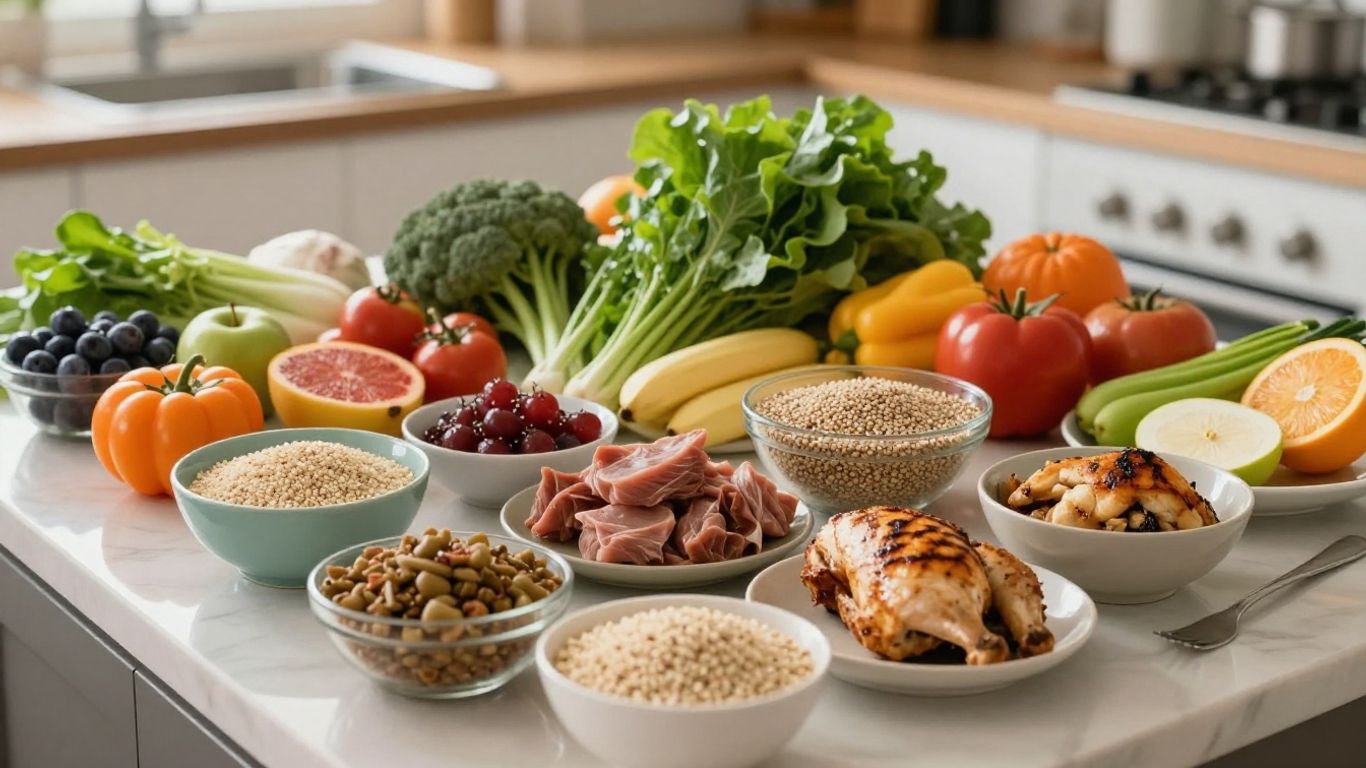
Kitchen counter with fresh fruits, vegetables, protein, and grains.

So, what actually makes a food filling? It turns out it’s not just one thing, but a combination of factors that work together to tell your brain, ‘Okay, I’m good for now.’ When we talk about what keeps us satisfied between meals, a few key players really stand out. Think of them as the foundation for feeling full and content.

The Indispensable Role of Protein

Protein is a bit of a superstar when it comes to satiety. It takes your body longer to break down compared to simple carbs, which means it keeps you feeling fuller for a longer stretch. Plus, it seems to have a hand in reducing ghrelin, that hormone that makes your stomach rumble and signal hunger. So, loading up on protein-rich foods is a smart move if you’re aiming to manage your appetite.

The Filling Power of Fiber

Fiber is another big one. You know, the stuff in fruits, veggies, and whole grains that your body doesn’t fully digest. Not only is it great for your gut and keeping your blood sugar steady, but it also adds bulk to your meals. This bulk helps you feel physically full, and like protein, it slows down digestion. This prolonged feeling of fullness is a major reason why fiber-rich foods are so good at keeping hunger at bay.

Volume and Water Content for Fullness

Sometimes, it’s as simple as volume. Foods that have a high water content and are less calorie-dense can fill up your stomach without adding a ton of calories. Think of a big salad or a bowl of soup. The water and fiber in these foods take up space, sending signals to your brain that you’ve eaten enough. It’s a simple yet effective way to feel satisfied, especially if you’re watching your calorie intake.

High Satiety Foods in Practice

Lean Meats and Seafood

When you’re thinking about what to put on your plate to feel full and satisfied, animal proteins like lean meats and seafood are often top contenders. They’re packed with protein, which we know takes a while to digest, keeping hunger at bay longer. Think about a nice piece of grilled salmon or a lean cut of steak. These aren’t just tasty; they’re also really good at making you feel full without necessarily packing in a ton of calories. Seafood, in particular, often has a great satiety score. It’s nutrient-dense, meaning you get a lot of good stuff for the calories you consume.

Here’s a quick look at how some of these stack up:

Food Type Example Satiety Score (Approx.)
Lean Meat Chicken Breast 70
Pork Tenderloin 65
Lean Steak 60
Seafood White Fish 75
Shellfish 72

Note: Satiety scores can vary based on preparation and specific cut.

Eggs: A Versatile Choice

Eggs are another fantastic option for satiety. They’re incredibly versatile – you can scramble them, boil them, fry them, or add them to all sorts of dishes. What makes them so good at filling you up? Again, it’s that protein and fat combination. They digest slowly, and the feeling of fullness can last for hours. Plus, they’re relatively low in calories for how satisfying they are. Whether it’s a couple of hard-boiled eggs for a snack or a three-egg omelet for breakfast, they really do the trick.

Dairy’s Contribution to Fullness

Don’t forget about dairy! Products like plain Greek yogurt and cottage cheese are protein powerhouses. Greek yogurt, in particular, is strained to remove much of the whey, concentrating the protein. This makes it incredibly filling. Cottage cheese also offers a good amount of protein and can be a satisfying snack or part of a meal. Choosing plain, unsweetened versions is key, as added sugars can reduce the overall satiety benefit. They provide a good balance of protein and fat, contributing to that feeling of being comfortably full after eating.

When building meals, focusing on these protein-rich animal sources can make a big difference in how long you feel satisfied. They provide the building blocks your body needs and signal to your brain that you’ve had enough to eat, helping to manage hunger between meals.

Plant-Based Powerhouses for Satiety

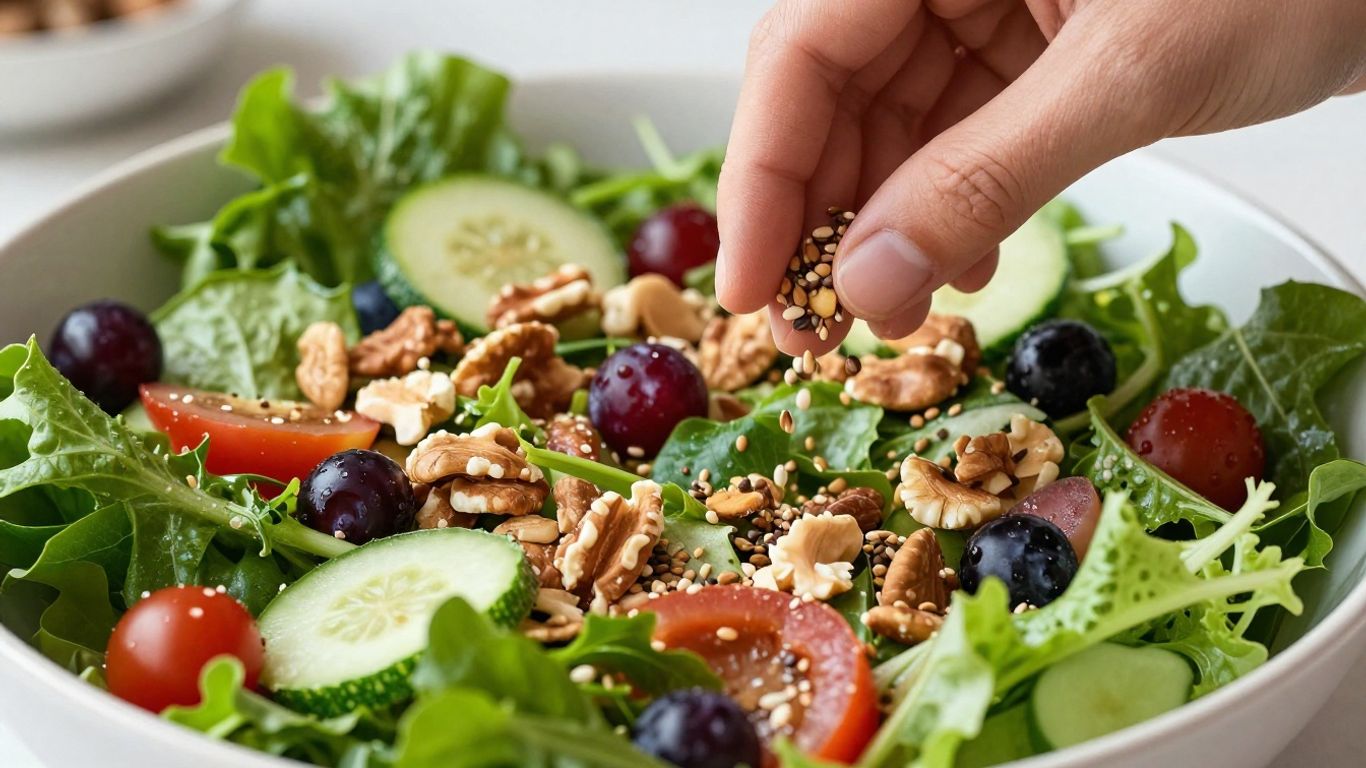
Colorful salad bowl with fresh ingredients and seeds.

When you think about foods that keep you feeling full, you might first picture a big steak or a hearty stew. But the plant kingdom offers some serious contenders for keeping hunger at bay. These foods are often packed with fiber and protein, two key players in the satiety game. Incorporating a variety of plant-based options can make a big difference in how satisfied you feel after a meal.

Legumes and Their Filling Properties

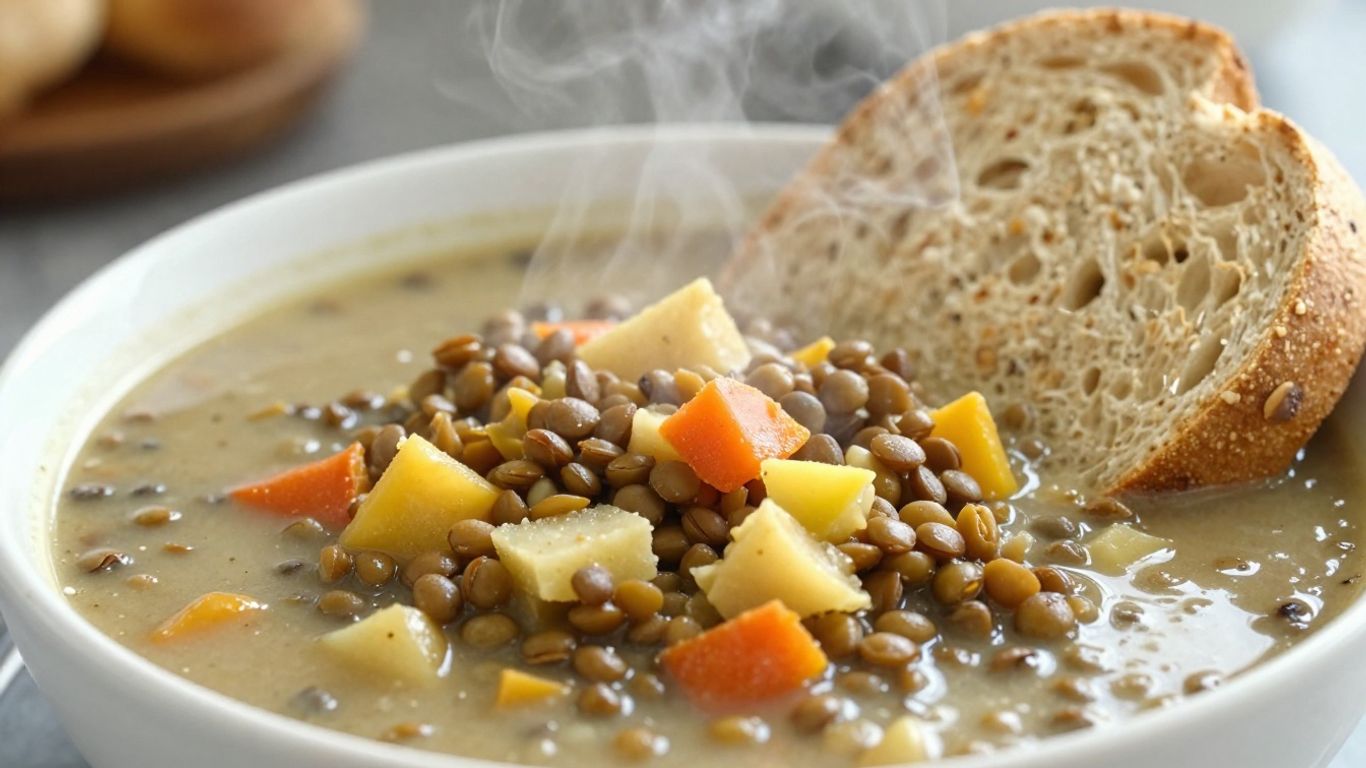
Beans, lentils, peas, and other legumes are nutritional superstars. They’re loaded with both protein and fiber, a combination that’s fantastic for sustained fullness. Think about a hearty lentil soup or a black bean salad – these meals tend to keep you satisfied for a good while. They also have a lower energy density compared to many processed foods, meaning you can eat a larger volume for fewer calories, which also contributes to feeling full.

Here’s a look at how some common legumes stack up:

Food Item Satiety Score
Lupini beans 77
Edamame 79
Extra-firm tofu 78
Lentils 72
Pinto beans 62
Garbanzo beans 54

Whole Grains for Sustained Satisfaction

Whole grains are more than just a source of energy; they’re also great for keeping you feeling full. Unlike refined grains, whole grains still contain the bran and germ, which means more fiber and nutrients. This makes them digest more slowly, leading to a more gradual release of energy and a longer-lasting feeling of fullness. Oatmeal for breakfast, brown rice with dinner, or a slice of whole-wheat bread can all contribute to a more satisfying eating experience.

Fruits and Vegetables: Nutrient-Dense Options

It might surprise you, but many fruits and vegetables are surprisingly good at making you feel full, especially considering their low calorie count. Their high water content and fiber contribute significantly to volume, helping to fill up your stomach. Non-starchy vegetables, in particular, are often highlighted for their impressive satiety scores. They add bulk, nutrients, and flavor to your meals without adding a lot of calories.

While fruits and vegetables might not always be the first things that come to mind for a

Beyond Macronutrients: Other Satiety Factors

The Impact of Energy Density

When we talk about food, "energy density" is basically a way to describe how many calories are packed into a certain amount of food. Think of it like this: a big bowl of salad with lots of veggies has a low energy density because you can eat a lot of it without consuming a ton of calories. On the other hand, a small candy bar might have a high energy density, meaning it’s loaded with calories in a small package. Foods that are less energy-dense tend to make us feel fuller for longer, which is a good thing when you’re trying to manage your appetite. It’s why a plate of steamed broccoli can feel more satisfying than a few chips, even if the chips have more calories.

Hedonic Factors and Food Choices

Let’s be honest, sometimes we eat things just because they taste amazing, right? This is where "hedonic factors" come in. It’s all about the pleasure we get from food – the taste, the smell, the texture. Foods that are super appealing, often those that are highly processed with added sugar, salt, and fat, can be hard to stop eating. They trigger those feel-good responses in our brain, making it easy to overeat even when we’re not physically hungry. While these foods can be part of a balanced diet, relying on them too much can work against our satiety goals. It’s about finding a balance between what tastes good and what keeps us feeling satisfied.

The Role of Healthy Fats

Fats often get a bad rap, but healthy fats play a surprisingly important role in how full we feel. Unlike refined carbs that are quickly digested, fats take longer to break down. This slower digestion process helps to keep our stomachs feeling occupied for a longer period. Think about adding some avocado to your toast or a sprinkle of nuts to your salad. These additions not only add great flavor and texture but also contribute to a more satisfying meal that helps keep hunger at bay between meals. Incorporating sources of healthy fats is a smart strategy for sustained fullness.

Here’s a quick look at some foods that offer healthy fats and contribute to satiety:

  • Avocado: Creamy and satisfying, great on toast or in salads.
  • Nuts (almonds, walnuts, etc.): A handful can be a filling snack.
  • Seeds (chia, flax, sunflower): Easy to add to yogurt, oatmeal, or smoothies.
  • Olive Oil: A staple for dressings and cooking, adds richness.
  • Fatty Fish (salmon, mackerel): Packed with omega-3s and protein.

Navigating the Satiety Landscape

Interpreting Satiety Scores

The Satiety Index, developed back in the 90s, gives us a way to rank foods based on how filling they are. Think of it like this: white bread was given a score of 100%, and other foods are measured against that. A higher score means a food is likely to keep you feeling full for longer. Generally, foods scoring 60 or above are considered high in satiety. This means they pack a good punch in terms of keeping hunger at bay, often due to their protein and fiber content. It’s not just about calories; it’s about the quality of those calories and how they interact with your body’s hunger signals.

Balancing High and Lower Satiety Foods

While focusing on high-satiety foods is a smart move for managing hunger, it doesn’t mean you have to completely cut out everything else. A balanced approach is key for long-term success and enjoyment. Including smaller amounts of foods with lower satiety scores, like a handful of berries or a bit of avocado, can make your meals more satisfying and your eating plan more sustainable. It’s about finding that sweet spot where you feel full and happy, without feeling deprived.

Practical Application in Daily Meals

So, how does this translate to your plate? Start by making protein and fiber-rich foods the stars of your meals. Think lean meats, fish, eggs, legumes, and whole grains. Pair these with plenty of non-starchy vegetables, which add volume and water without a lot of calories. For snacks, opt for things like Greek yogurt, a hard-boiled egg, or a small portion of nuts. Even simple swaps, like choosing whole-wheat bread over white, can make a difference in how long you stay satisfied after eating.

Here’s a quick look at how different food types generally stack up:

Food Category Typical Satiety Score Range Key Satiating Components
Lean Meats & Poultry 60+ Protein
Fish 60+ Protein
Eggs 60+ Protein, Fat
Legumes (Beans, Lentils) 50-70 Protein, Fiber
Whole Grains 40-60 Fiber, Protein
Non-Starchy Vegetables 30-50 Water, Fiber, Volume
Fruits 20-40 Fiber, Water
Refined Grains/Sugars 0-30 Low Protein, Low Fiber
Sugary Drinks 0-25 Liquid Calories

Remember, these scores are a guide. Individual responses can vary based on preparation methods, portion sizes, and personal digestion. The goal is to build meals that keep you feeling good between eating occasions.

The Science Behind Feeling Full

Ever wonder why some meals leave you feeling satisfied for hours, while others have you rummaging for snacks an hour later? It all comes down to how our bodies process food and the signals they send to our brains. It’s a fascinating interplay of digestion, hormones, and even our blood sugar levels.

Digestive Processes and Satiety

When you eat, your stomach and intestines get to work. Foods that take longer to break down, like those rich in fiber and protein, tend to keep you feeling fuller for a longer stretch. Think about it: a bowl of oatmeal with berries and nuts versus a sugary cereal. The oatmeal, with its fiber and protein, physically takes more time to move through your system. This slow digestion means your stomach stays stretched, and the signals sent to your brain say "we’re good for now." Water content also plays a big role; foods with a lot of water, like soups or fruits, add volume to your stomach without adding many calories, tricking your body into feeling full.

Hormonal Influences on Hunger

Our bodies have a complex system of hormones that regulate hunger and fullness. When you eat, certain hormones are released that tell your brain you’ve had enough. Protein, in particular, is a star player here. It influences hormones like ghrelin (often called the "hunger hormone") and GLP-1 (which signals fullness). Eating enough protein can help keep ghrelin levels lower, meaning you feel less hungry. Conversely, if you eat a meal low in protein, ghrelin might stay elevated, prompting you to seek more food sooner.

Blood Sugar Regulation and Satisfaction

What happens to your blood sugar after you eat also impacts how satisfied you feel. Meals that cause a rapid spike and then a crash in blood sugar can leave you feeling hungry again shortly after eating. This is often the case with refined carbohydrates and sugary foods. Foods that release sugar into your bloodstream more slowly, like those with fiber and protein, help maintain more stable blood sugar levels. This steady release provides sustained energy and prevents those sharp hunger pangs that can derail your efforts to eat mindfully.

Maximizing Satiety in Your Kitchen

So, you’ve got the lowdown on what makes foods filling. Now, let’s talk about actually using that knowledge in your own kitchen. It’s not about complicated diets or fancy ingredients; it’s about making smart choices with what you’ve got.

Smart Combinations for Lasting Fullness

Think of your plate as a puzzle where each piece contributes to keeping you satisfied. The trick is to combine foods that hit different satiety buttons. Protein is your anchor, always. Pair it with fiber-rich veggies or whole grains. For instance, a simple grilled chicken breast becomes a powerhouse meal when served with a big, colorful salad loaded with various vegetables and a light vinaigrette. Or, consider a hearty lentil soup packed with vegetables – the legumes bring the protein and fiber, while the veggies add volume and nutrients. The goal is to create meals that offer a sustained release of energy and keep hunger pangs at bay for hours.

Here are a few ideas to get you started:

  • Breakfast Boost: Scrambled eggs with a side of spinach and a small portion of whole-wheat toast. The eggs provide protein, the spinach adds fiber and volume, and the toast offers complex carbs.
  • Lunch Power-Up: A large salad with grilled salmon, mixed greens, cucumber, bell peppers, and a sprinkle of seeds. The salmon is your protein and healthy fat, while the vegetables and seeds contribute fiber.
  • Dinner Delight: Baked cod with roasted broccoli and a small serving of quinoa. This combination offers lean protein, plenty of fiber from the broccoli, and sustained energy from the quinoa.

Preparing Foods for Optimal Satiety

How you cook your food can also play a role in how filling it is. Generally, less processed is better. Whole foods tend to be more satisfying than their refined counterparts. For example, eating a whole apple with its skin provides more fiber and takes longer to chew than drinking apple juice. When cooking, opt for methods that don’t add a lot of extra calories without adding much volume, like baking, steaming, grilling, or stir-frying with minimal oil. Adding water-rich ingredients like mushrooms or zucchini to dishes can also boost volume without significantly increasing calories.

Remember, the way food is prepared can influence how long you feel full. Simple cooking methods that preserve the natural structure of foods, especially those high in fiber and protein, tend to be the most effective for promoting satiety.

Incorporating Satiating Snacks

Snacking doesn’t have to be a pitfall. It can actually be a strategic tool to manage hunger between meals and prevent overeating later. The key is to choose snacks that offer a good balance of protein and fiber. Think about:

  • A small handful of almonds or walnuts.
  • Greek yogurt with a few berries.
  • A hard-boiled egg.
  • Vegetable sticks (like carrots, celery, or bell peppers) with a small amount of hummus.

These options provide sustained energy and help bridge the gap until your next meal, keeping your appetite in check. It’s all about making those small choices count throughout the day.

Foods to Approach with Awareness

Understanding Low Satiety Foods

Not all foods are created equal when it comes to keeping you feeling full. Some foods, while perhaps tasty, don’t offer much in the way of lasting satisfaction. These are often foods that are low in protein, fiber, and water, and high in refined carbohydrates or unhealthy fats. They can leave you feeling hungry again shortly after eating, leading to more frequent snacking and potentially overeating. It’s not about completely avoiding these foods, but rather being mindful of their impact on your hunger levels and making conscious choices about when and how often you include them.

The Impact of Refined Carbohydrates

Refined carbohydrates, like white bread, pastries, and many processed snacks, are a prime example of foods that can leave you wanting more. During the refining process, the bran and germ of the grain are removed, stripping away much of the fiber and nutrients. This leaves behind a product that’s digested very quickly, leading to a rapid spike and then crash in blood sugar. This blood sugar roller coaster can actually trigger hunger signals, making you feel hungry again soon after eating. Think of them as quick energy bursts that don’t sustain you.

Here’s a quick look at how refined carbs compare to their whole-grain counterparts:

Food Type Fiber Content (approx.) Satiety Impact
White Bread Low Low
Whole Wheat Bread High High
White Rice Low Low
Brown Rice High High
Sugary Cereal Very Low Very Low
Oatmeal (Rolled) Moderate to High Moderate to High

Sweet Drinks and Their Effect on Hunger

Sugary beverages, including sodas, sweetened teas, and many fruit juices, are particularly tricky when it comes to satiety. Because they are liquid, your body doesn’t register them as a meal in the same way it does solid food. This means you can consume a significant amount of calories without feeling physically full. The high sugar content also leads to those rapid blood sugar spikes and subsequent crashes, which, as we’ve seen, can ramp up hunger. It’s easy to drink a whole can of soda and still feel like you haven’t eaten anything substantial. For a truly satisfying drink, consider water, unsweetened tea, or even a broth-based soup.

Be aware that even drinks marketed as healthy, like some fruit juices, can be loaded with sugar and lack the fiber that whole fruits provide. This can lead to a similar effect on blood sugar and satiety as other sweet drinks.

Some foods might seem harmless, but they can affect your body in ways you don’t expect. It’s smart to know which ones to watch out for. Want to learn more about making healthier choices? Visit our website for tips and guidance.

Bringing It All Together

So, we’ve looked at how certain foods can help keep us feeling full longer. It’s not some complicated secret; it really comes down to picking foods that have a good amount of protein and fiber. Things like eggs, lean meats, fish, beans, and even some veggies and fruits can make a big difference. While the original Satiety Index might be a bit dated, the main idea holds true: nutrient-dense foods are generally more satisfying. It’s about making smart choices in the kitchen that help manage hunger, not just for weight goals, but for overall well-being. Don’t feel like you have to track every single score, though. Just focusing on adding more of these filling foods to your meals can lead to feeling better throughout the day. It’s a practical approach that fits right into our everyday lives.

Frequently Asked Questions

What exactly is satiety and how is it different from feeling full during a meal?

Satiety is that comfy feeling of fullness you have *after* you’ve eaten, keeping hunger away between meals. Think of it as the opposite of feeling hungry. Satiation, on the other hand, is the feeling of fullness you get *while* you’re eating. The goal is to eat until you’re satiated, meaning you’re comfortably full, rather than overeating until you’re stuffed.

How did scientists come up with the Satiety Index?

Scientists created the Satiety Index to measure how well different foods help you feel full. They gave people a set amount of calories from various foods and then asked them how hungry they felt afterward. Foods that made people feel fuller for longer got a higher score. White bread was used as a starting point, and other foods were compared to it.

What kinds of foods tend to score high on the Satiety Index?

Foods that are packed with protein and fiber usually score high. These include things like lean meats, fish, eggs, beans, lentils, whole grains, and many vegetables and fruits. These foods take longer to digest, which helps you feel full for a longer time.

Why are protein and fiber so important for feeling full?

Protein is a powerhouse for keeping hunger at bay because it takes a while to digest and can even lower the hunger hormone. Fiber also takes a long time to break down, helping you feel satisfied and preventing those sudden urges to snack. Both work together to keep your stomach happy.

Does the amount of water in food affect how full I feel?

Yes, absolutely! Foods with a lot of water, like many fruits and vegetables, add volume to your stomach. This extra volume can make you feel full faster, even if the food isn’t super high in calories. It’s like having more ‘stuff’ in your stomach to signal fullness.

Are there any foods that don’t make you feel very full?

Foods that are low in protein and fiber, and high in refined carbs or sugar, often don’t keep you feeling full for long. Think of sugary drinks, white bread, pastries, and highly processed snacks. They can be digested quickly, leading to a faster return of hunger.

Can I still enjoy foods that have a lower satiety score?

Definitely! It’s not about never eating lower-satiety foods. The trick is to pair them with higher-satiety foods. For example, you could add some berries (lower satiety) to your Greek yogurt (higher satiety) or have a piece of fruit (lower satiety) with a handful of nuts (higher satiety) to make your snack more filling.

How can I use this information to plan my meals better?

Focus on building your meals around protein and fiber sources. Start with lean protein like chicken or fish, add plenty of colorful vegetables, and include whole grains or legumes. This combination will help you feel satisfied after your meal and keep hunger away until your next one.