Love My Weight

The Crunch Factor: texture strategies that increase satisfaction

You know, when you bite into something, and it just sounds *right*? That satisfying crunch or crispness is a huge part of why we like certain foods. It’s not just about the taste; the way food feels and sounds when we eat it really matters. This whole idea, the ‘crunch factor,’ is actually a pretty big deal for food companies trying to make products we keep coming back for. Let’s break down why that sound and feel are so important and how they’re made.

Key Takeaways

  • Texture is a major reason people enjoy food, with 79% of consumers saying it affects their overall eating satisfaction. If the texture is off, over half of consumers won’t eat it.
  • Crispy means light and brittle, breaking easily, while crunchy is harder and more solid. Both need different ingredients and ways of making them.
  • The sound food makes when you bite into it is a big part of the experience. Louder, higher-pitched sounds are often linked to freshness and quality, making us enjoy our food more.
  • Ingredients like starches, fibers, and proteins are key to getting the right texture. They help make things crispy or crunchy, add health benefits, and improve how food holds up.
  • Getting the perfect crunch involves planning from the start, matching the texture to how the food will be cooked and served, and balancing it with what consumers want on the label, like simple ingredients.

The Dominance Of Texture In Consumer Satisfaction

When people think about food, taste often comes to mind first. But what about how it feels in your mouth? Texture plays a really big part in whether we like something or not. It’s not just about flavor; it’s about the whole experience. Think about biting into something that’s supposed to be crisp, but it’s just… soft. That’s a letdown, right?

Texture’s Crucial Role Beyond Taste

It turns out, texture is a major reason why people keep buying a product, or why they toss it aside after just one try. Studies show a large number of consumers agree that texture is a deciding factor in how satisfied they are with their food. It’s more than just a minor detail; it’s a key player in the eating adventure.

The Impact Of Poor Texture On Rejection

If a food doesn’t have the texture we expect, or if it’s just plain unpleasant, most people won’t eat it. We’re talking about a significant percentage of consumers who would simply reject a food item if the texture is off. This means getting the texture right is super important for any food product.

Quantifying Texture’s Influence On Eating Experience

We can actually measure how much texture matters. Research indicates that a substantial portion of consumers feel that texture is a determining factor in their overall satisfaction with a meal or snack. This isn’t just a feeling; it’s a quantifiable aspect of food appeal that food developers need to pay close attention to.

The sensory experience of eating is a complex interplay, and texture is a silent, yet powerful, influencer. It shapes our perception, guides our choices, and ultimately dictates our satisfaction long after the last bite.

Here’s a look at how much texture influences consumer choices:

  • 79% of consumers agree or are neutral that texture is a determining factor in the overall satisfaction of the eating experience.
  • 52% of consumers would not eat a food if they didn’t like the texture.

This shows that while taste is important, texture can be the make-or-break element for food products. Getting it right means happy customers and repeat business.

Decoding The Nuances Of Crispy And Crunchy

Distinguishing Between Crispy And Crunchy

When we talk about food texture, ‘crispy’ and ‘crunchy’ often come up. They sound similar, right? But there’s a real difference, and knowing it can make or break a product. Think about a potato chip versus a handful of almonds. One shatters easily, the other takes a bit more effort to break. That’s the core difference.

Crispy textures are usually light and brittle. They break apart with a quick, sharp snap. It’s like a delicate structure that gives way easily. You often find this in things like fried chicken coatings or thin crackers. It doesn’t take much force to get that satisfying break.

Crunchy textures, on the other hand, are more substantial. They’re harder and require more pressure to break. Imagine biting into a carrot stick or a piece of hard candy. These foods have a denser structure and offer more resistance. It’s a more robust kind of break.

The Science Behind Distinct Textures

So, what makes something crispy versus crunchy? It really comes down to how the food is structured and how it behaves when you bite into it. For crispy foods, it’s often about a thin, dry outer layer that fractures easily. This can be achieved through processes like frying or baking that remove moisture and create a brittle matrix. The sound produced is typically a higher-pitched, shorter burst.

Crunchy foods often have a thicker, denser structure. This could be due to ingredients like nuts, seeds, or certain types of grains, or it could be the result of specific processing that creates a harder, more solid form. The force needed to break these foods is greater, and the sound is often lower-pitched and may involve multiple ‘bursts’ as you chew.

Here’s a simple way to think about it:

  • Crispy: Light, brittle, easy to break, sharp snap, often higher-pitched sound.
  • Crunchy: Dense, firm, requires more force to break, substantial break, often lower-pitched sound.

Consumer Preference For Crispiness And Crunchiness

It’s not just us food scientists who care about this distinction. Consumers definitely notice. Studies show that a significant majority of people agree that texture is a major factor in how much they enjoy their food. If a food doesn’t have the texture they expect, they might not eat it at all. Both crispy and crunchy textures are highly desired, but they appeal in different ways and are suited to different product types. Getting these textures right is key to making products people want to eat again and again.

The sound a food makes when you bite into it plays a bigger role than you might think. It’s not just about the physical break; our ears are part of the experience, influencing how we perceive freshness, quality, and even taste. That satisfying ‘snap’ or ‘crunch’ is a signal that tells our brain the food is good.

The Sensory Science Of The Crunch Factor

Texture As A Multisensory Experience

When we eat, it’s not just about what things taste like. Our mouths are full of nerves that pick up on how food feels – is it smooth, rough, chewy, or does it break apart easily? This feeling is a big part of why we like or dislike certain foods. Think about biting into a really good cookie; it’s not just the sweetness, but that perfect balance of soft and slightly crisp edges. That feeling in your mouth, combined with how it looks and smells, all works together to create the whole eating experience. It’s a complex mix, and texture is a huge piece of that puzzle.

The Role Of Sound In Food Perception

Have you ever noticed how much you pay attention to the sound food makes when you eat it? That snap of a fresh carrot, the crunch of a potato chip, or the crackle of cereal – these sounds aren’t just background noise. They actually change how we think the food tastes and feels. Studies show that if a food sounds crispier, we often perceive it as tasting better and fresher, even if it’s not. It’s like our ears are helping our taste buds out, making the whole experience more enjoyable. The sound of food is a powerful, often overlooked, part of how we judge its quality.

Auditory Cues And Consumption Behavior

It might seem strange, but the sounds we hear while eating can actually affect how much we eat. Research suggests that when we’re more aware of the sounds our food makes – like a really loud crunch – we tend to eat less. It’s like the sound acts as a signal, making us more mindful of the eating process. On the flip side, if we can’t hear ourselves chew very well, perhaps because of loud background noise, we might eat more without even realizing it. This connection between sound and how much we consume is something food developers are starting to pay more attention to, especially when thinking about portion control and mindful eating.

Here’s a quick look at how sound frequency relates to texture perception:

Texture Type Typical Sound Frequency Consumer Perception
Crispy High (above 5 kHz) Light, brittle, easy break
Crunchy Lower (1-2 kHz) Harder, more substantial, requires more force
Crackly Low pitch Often associated with dryness

The sound a food makes during chewing is more than just a byproduct; it’s an active participant in how we perceive its quality, freshness, and even how satisfying it is. This auditory feedback can influence our expectations and enjoyment, making it a key element in product design.

Ingredient Functionality For Optimal Texture

When we talk about making food taste great, we often focus on flavors. But what about how it feels in your mouth? Texture is a huge part of that, and the ingredients you pick really make a difference. It’s not just about what something tastes like, but how it crunches, snaps, or melts. Getting this right means understanding what different ingredients do.

Starches For Enhanced Crispiness And Crunchiness

Starches are like the backbone for many textures. They can help make snacks shatteringly crisp or give baked goods that satisfying crunch. Think about a potato chip – that crispness comes from the starch in the potato. Different starches behave differently, too. Some are great at absorbing moisture, which helps create a dry, brittle texture when cooked. Others can form a film that keeps things crispy even after they’ve cooled down.

  • They help create that brittle, snappy feel.
  • Can extend how long a product stays fresh and crisp.
  • Help maintain the product’s shape during processing.

Fibers For Texture Modification And Health Benefits

Fibers are interesting because they can do double duty. Not only can they change how food feels, but they also add a health boost that consumers are looking for. In things like granola bars, fibers can add a bit of chewiness or a slight grittiness that feels substantial. They can also help bind ingredients together, which is useful in things like meat products or baked goods. Plus, they can absorb water and fats, which can affect the overall texture and mouthfeel.

Fibers can add a pleasant chew or a subtle graininess, making products feel more wholesome and satisfying. They also play a role in how much moisture a product holds.

Proteins And Hydrocolloids In Texture Creation

Proteins, especially plant-based ones, are becoming really important. They can help smooth out a gritty feel in protein bars, making them more pleasant to eat. In things like tortillas, they can influence how soft or pliable the final product is. And for vegan alternatives trying to mimic traditional textures, proteins are key. Then there are hydrocolloids – these are like texture wizards. They can thicken liquids, stabilize mixtures, and even form gels. This means they can make a sauce smoother, a filling more stable, or give a product a richer mouthfeel.

  • Plant proteins can improve smoothness and softness.
  • Hydrocolloids adjust thickness and create gel structures.
  • Both can help mimic textures found in traditional foods.

Achieving The Desired Crunch In Snacks

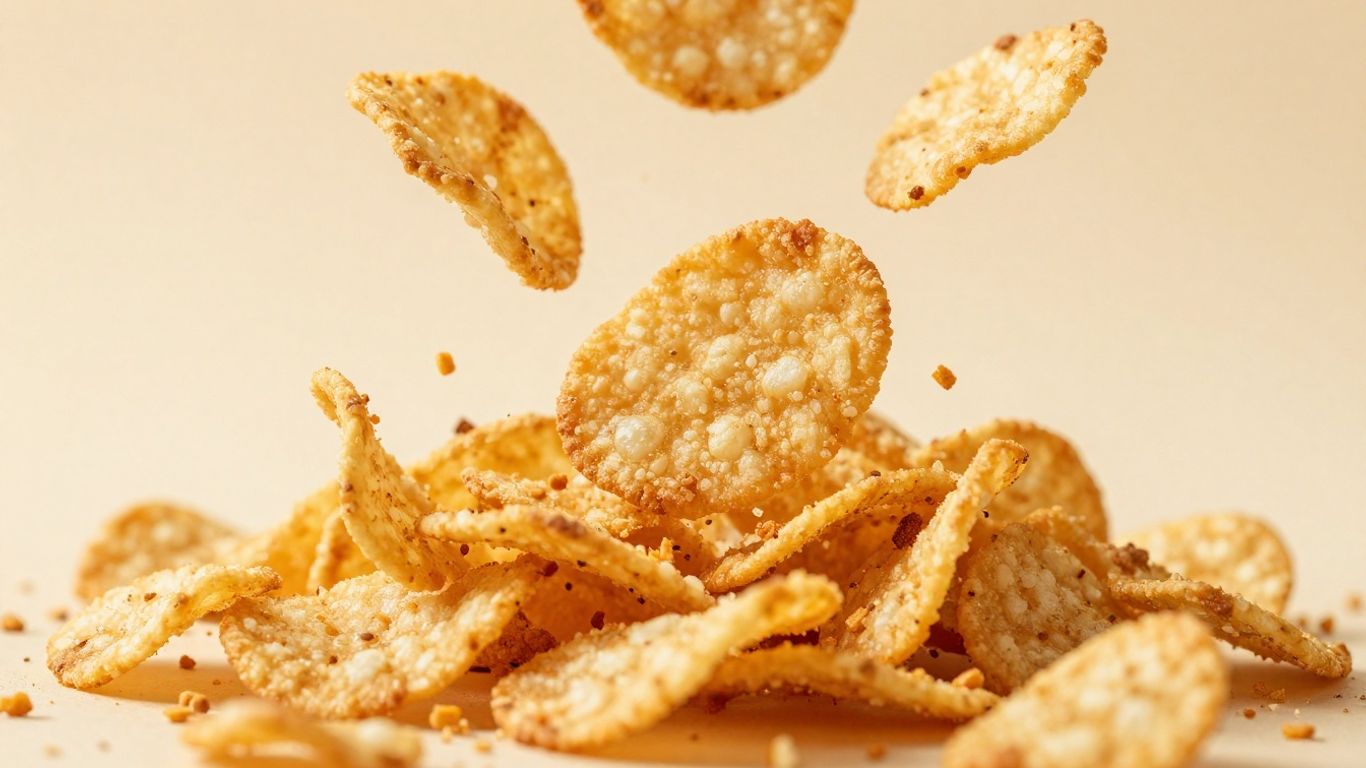
Crispy snack pieces falling, emphasizing texture and satisfaction.

Formulating For Lasting Crispiness In Sheeted Snacks

When we talk about snacks, especially those thin, baked chips that come in all sorts of flavors, getting that perfect crispiness is key. It’s not just about making them crispy when they come out of the oven; it’s about keeping them that way until someone opens the bag. For sheeted snacks, like potato or corn chips made from dough, the type of starch you use really makes a difference. Some starches, like modified ones, can help create a lighter, more brittle structure that shatters easily. Others might give you a harder, more satisfying crunch. The goal is to find that sweet spot where the snack breaks cleanly without being too hard or too soft. It’s a balancing act, really, between the ingredients and how you bake them.

Controlling Graininess And Fracturability In Granola Bars

Granola bars are a whole different ballgame. They’re often a mix of oats, nuts, seeds, and a binder, usually a syrup. The binder is super important here because it holds everything together, but it also dictates how grainy the bar feels in your mouth and how easily it breaks apart – that’s what we mean by fracturability. A bar that’s too crumbly isn’t much fun, and one that’s too dense and hard to bite into is also a no-go. You want a bar that you can take a good bite out of, where the texture feels consistent all the way through. It should feel substantial but also break apart nicely. Think about how much syrup you use and what kind; it affects everything from the chewiness to that satisfying break.

The Importance Of Bite And Satisfaction In Snacks

Ultimately, what people want from a snack is satisfaction. And a big part of that satisfaction comes from the texture – specifically, the bite. How much effort does it take to chew? Does it feel good in your mouth? Does it make a pleasant sound? Consumers often associate that satisfying feeling with foods that require a certain amount of chewing, whether it’s a crisp snap or a firm crunch. It’s about that sensory feedback loop. When a snack has the right bite, it feels more substantial and enjoyable. It’s not just about taste; it’s about the whole physical experience of eating it. A snack that feels right in your mouth is a snack that gets eaten and remembered.

The sound a snack makes when you bite into it plays a bigger role than you might think. Louder, higher-pitched sounds are often linked to freshness and quality in the consumer’s mind. If a snack sounds dull or muted, people might assume it’s stale, even if it’s not. This auditory cue can really influence how much someone enjoys their snack and whether they’ll reach for another.

Elevating Coated And Fried Food Textures

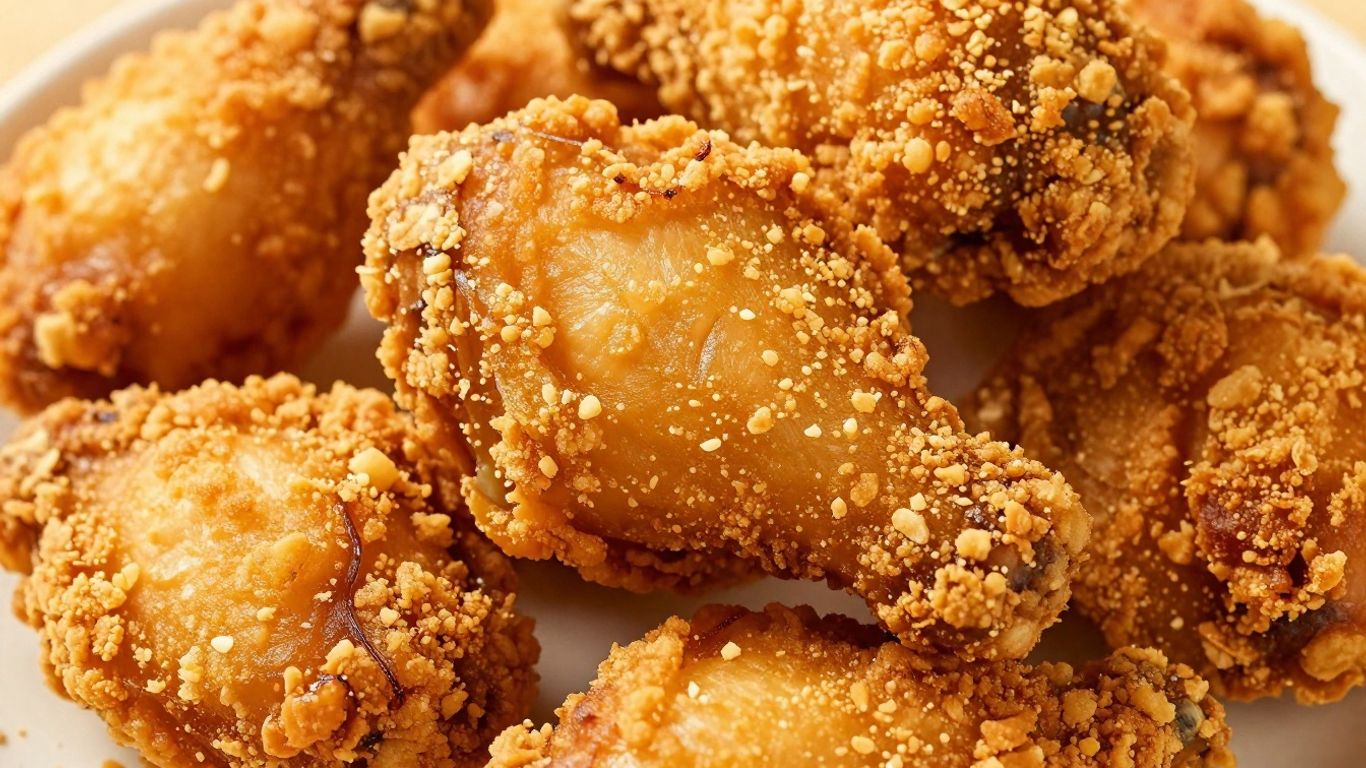
Crispy fried chicken with a textured coating.

When you bite into something fried, what’s the first thing you notice? It’s probably that satisfying crunch, right? That crispiness is a huge part of why we love fried foods, from a perfectly battered chicken wing to a basket of golden fries. Getting that texture just right, and keeping it that way, is a real art.

Ensuring A Crisp Coating In Batters And Breading

The coating on fried foods is like the first impression – it needs to be good. We’re talking about a coating that sticks well, doesn’t fall off, and gives you that audible snap when you bite into it. It’s not just about how it looks; it’s about the whole sensory experience. A good batter or breading system needs the right mix of ingredients to create a barrier that fries up light and crisp, not heavy or greasy. Think about how different coatings behave – some are light and lacy, others are thick and hearty. Each has its own appeal, but the goal is always that initial crispness.

Maintaining Consistent Crunchiness In Fried Products

Consistency is key, especially when you’re serving food in a busy restaurant or sending it out for delivery. Nobody wants soggy fries or a breading that’s gone soft. This means looking at how the product holds up over time, especially under heat lamps. The ingredients in the coating, like specific starches or fibers, can really help maintain that desirable crunch for longer periods. It’s about building a structure that can withstand the heat and time without losing its appeal.

Strategies To Prevent Sogginess In Takeout And Restaurant Foods

Sogginess is the enemy of fried foods. For takeout and restaurant items, this is a major challenge because the food travels and sits before it’s eaten. The secret weapon here is an optimized coating system. This involves carefully selecting ingredients that not only fry up crisp but also have properties that resist moisture absorption. Using a smart blend of starches, hydrocolloids, and texturizing fibers can make a big difference. These ingredients help create a coating that stays firm and crunchy, even after a journey from the kitchen to the customer’s table.

The right texture in fried foods isn’t just about making them taste good; it’s about making them feel good to eat. That satisfying crunch signals quality and freshness to the consumer, turning a simple meal into a memorable experience.

Mastering Texture In Bakery Applications

When we talk about baked goods, texture is a big deal. It’s not just about how something tastes; it’s about how it feels and sounds when you bite into it. For bakers, getting this right means paying close attention to a few key things.

Delivering A Clear Snap In Crispy Cookies

Crispy cookies are all about that satisfying snap. You know, the kind that breaks cleanly when you bite it. To get this, the cookie needs to be formulated with less moisture. Think about the ingredients and how they interact with water. Using specific starches can help create that brittle structure. It’s a delicate balance; too much moisture and you lose the snap, too little and it might crumble too easily.

Achieving Desired Moisture For Chewy Cookie Textures

On the flip side, chewy cookies are a whole different ballgame. Here, moisture is your friend. It’s what gives the cookie that soft, yielding texture. Ingredients that hold onto water, like certain sugars and fats, play a big role. The way the cookie is baked also matters a lot – a shorter baking time at a slightly higher temperature can help trap that moisture inside, leading to that desirable chewy feel.

Ingredient Control For Water Concentration And Final Texture

Ultimately, controlling the water content is key for almost any baked good’s texture. This means carefully selecting your ingredients and understanding how they behave. For example, different types of flour absorb water differently. Sugars not only add sweetness but also affect moisture retention and browning. Even the type of fat used can change how water is distributed throughout the dough or batter. Getting this right from the start means you can predict and achieve the exact texture you’re aiming for, whether it’s a crisp snap or a soft chew.

Overcoming Common Texture Formulation Challenges

Sometimes, getting that perfect crunch or crisp just doesn’t go as planned. It’s a common hurdle for food developers, but there are ways to tackle these issues head-on. Let’s look at a couple of tricky spots and how to work through them.

Solutions For Lasting Crispiness In Fried Foods

Fried foods, especially those meant for takeout or delivery, have a tough life. They start out great, but by the time they reach the customer, they can turn into a soggy mess. The key here is building a coating system that can handle the journey. This means using the right mix of ingredients – think specific starches, hydrocolloids, and texturizing fibers. These components help the coating hold its structure and stay crispier for longer, even under heat lamps or during transit. It’s all about creating a barrier that resists moisture migration from the food inside.

Optimizing Coating Systems For Heat Lamp Stability

Keeping fried items appealing under heat lamps is a real challenge. The heat can dry out coatings or, paradoxically, make them steam and go soft. The trick is to formulate coatings that are stable at higher temperatures for extended periods. This often involves a careful selection of starches that gelatinize and then re-form a rigid structure upon cooling, or using ingredients that bind water effectively within the coating itself. The goal is a coating that maintains its integrity and pleasant texture, no matter how long it sits under the heat.

Maintaining Structural Integrity During Freeze-Thaw Cycles

Products that go from the freezer to the oven (or microwave) need to survive the freeze-thaw process without losing their desirable texture. Ice crystals can damage the food’s structure, leading to a mushy or crumbly result. Using ingredients that can bind water and create a more stable matrix is important. Certain starches, for example, can help protect the food’s structure during freezing and thawing, allowing it to retain its crispiness or crunchiness after reheating. This is especially vital for items like frozen appetizers or baked goods that consumers expect to be just as good as when they were first made.

Getting the texture right often means thinking about the entire lifecycle of the food product, from production to the consumer’s plate, and even how it’s stored or reheated. It’s a puzzle where each ingredient plays a part in the final sensory experience.

Strategic Approaches For Texture Innovation

Integrating Texture Considerations Early In Formulation

When you’re dreaming up a new food product, it’s easy to get caught up in the flavors. But here’s a thought: what if texture was part of the plan right from the start? Thinking about how a food will feel and sound when you eat it, before you even pick the first ingredient, can make a huge difference. It’s not just about taste; it’s about the whole experience. If you wait until the end to try and fix the texture, you might find yourself in a bit of a pickle, trying to make something work that just isn’t designed to.

  • Start with texture in mind: Don’t let texture be an afterthought. Choose your ingredients based on the texture you want to achieve.
  • Consumer feedback is key: Use what people say they like (and don’t like) about textures to guide your choices.
  • Test, test, test: Make sure your texture goals are actually met during development.

The best way to get a great texture is to build it in from the ground up. It saves time, effort, and usually leads to a much better final product that people will really enjoy.

Aligning Texture Goals With Application And Cooking Methods

Different foods need different textures, right? A crunchy cookie is great, but you probably don’t want your bread to be super crunchy. It’s all about matching the texture to where and how the food will be used. Think about how a snack chip needs to hold up differently than a piece of fried chicken. The way you cook something also plays a big part. Frying gives you one kind of crispiness, while baking might give you another. So, when you’re planning, consider:

  • The final product: What is this food? A snack? A main course? A dessert?
  • How it’s prepared: Will it be fried, baked, steamed, or eaten cold?
  • How it’s served: Will it sit under a heat lamp? Will it be reheated at home? Will it be eaten right away?

Getting this right means the texture you aim for actually shows up in the final bite.

Balancing Texture With Clean Label And Health Claims

Here’s where things get interesting. People want foods that taste good and feel good in their mouths, but they also care about what’s in their food. They want simple ingredients, things they can recognize, and often, healthier options. So, the challenge is to create that satisfying crunch or crispiness without using a bunch of artificial stuff or making health claims difficult. It’s a bit of a balancing act. You might need to look for:

  • Naturally texturizing ingredients: Things like certain fibers or starches that come from plants.
  • Smart processing: Sometimes, how you process an ingredient can change its texture without needing extra additives.
  • Ingredient transparency: Being clear about what you’re using helps build trust with consumers who are looking at labels.

It’s about finding that sweet spot where great texture meets consumer expectations for health and simplicity.

The Future Of Crunch Factor Innovation

Leveraging Next-Generation Starches For Texture

We’re seeing some really interesting developments in how starches are being used to get that perfect crunch. It’s not just about using regular corn or potato starch anymore. Companies are looking at starches from sources like tapioca, peas, and even rice. Each of these brings something a little different to the table when it comes to texture. For example, tapioca starch can give a really light, brittle crispiness, while pea starch might offer a bit more structure and stability. This means formulators have more tools to play with to achieve very specific textural outcomes, whether it’s a delicate snap or a satisfying, solid crunch.

Exploring Texture Benefits From Diverse Starch Sources

Think about it: the same snack made with different starches can feel completely different in your mouth. A potato starch might give you that classic, slightly dense crunch, whereas a rice starch could lead to a lighter, more airy crispness. This variety is key for innovation. It allows us to create products that stand out in a crowded market. We can tailor the texture to match the product’s profile – a light, airy chip versus a hearty, substantial cracker. It’s about understanding the unique properties of each starch source and how they interact with other ingredients and processing methods.

Cross-Category Opportunities In Health And Nutrition

This is where things get really exciting. As we get better at controlling texture with these new starches, we can also make healthier products that consumers actually want to eat. Imagine a granola bar that stays satisfyingly crunchy without a ton of added sugar, or a baked snack that mimics the crispiness of a fried one, but with less fat. These next-generation starches can help achieve those goals. They can provide structure and mouthfeel that might otherwise come from less desirable ingredients. This opens up a whole new world for products in the health and nutrition space, making them more appealing and enjoyable for a wider audience. The goal is to make healthy choices the satisfying choices.

The science of texture is evolving rapidly. By understanding the unique properties of ingredients like diverse starches, we can create foods that not only taste good but also provide a superior sensory experience, meeting consumer demands for both enjoyment and healthier options.

The world of food is always changing, and new ideas about what makes food taste great are popping up all the time. We’re seeing cool new ways to make snacks and meals even more exciting. Want to know more about these tasty trends? Visit our website to discover the latest in food innovation!

Bringing It All Together: The Lasting Impression of Texture

So, we’ve talked a lot about texture, right? It’s pretty clear that how food feels in your mouth, and even the sounds it makes, really matters to people. It’s not just about the taste anymore; that satisfying crunch or crispness can make or break a food experience. Whether you’re making snacks, fried chicken, or even cookies, paying attention to texture from the start is a smart move. It helps keep food from getting soggy, holds up during freezing, and ultimately, makes people happy with what they’re eating. By understanding the difference between crispy and crunchy, and using the right ingredients, you can create foods that people will really enjoy and remember. It’s a simple idea, but it makes a big difference in the end.

Frequently Asked Questions

Why is food texture so important?

Texture is a huge part of why we enjoy food! It’s not just about how it tastes. If food feels weird or unpleasant in your mouth, you probably won’t want to eat it, even if it smells and looks good. About 79% of people think texture really matters for how much they like their food.

What’s the difference between crispy and crunchy?

Think of crispy as light and brittle, like a potato chip that shatters easily. Crunchy is more solid and firm, like a nut or a granola bar that takes a bit more effort to break. They sound and feel different when you bite into them.

Does the sound of food matter when I eat it?

Yes, it really does! The crunch or snap you hear when you bite into food is a big part of the experience. For some people, hearing that satisfying sound makes the food seem tastier and fresher. It’s like a secret flavor enhancer!

How do ingredients affect food texture?

The stuff you put in food, like starches, fibers, and proteins, can change how it feels. Starches can make things crispier, fibers can add health benefits and change how food holds water, and proteins can make textures smoother or mimic other foods.

What makes snacks stay crispy?

Making snacks stay crispy, especially for things like chips or crackers, is tricky. It often comes down to how the snack is made and what coatings are used. Special ingredients and careful cooking help keep that satisfying crunch from going away too quickly.

How can fried foods keep their crunch?

Fried foods can get soggy easily, especially when they’re delivered or kept warm. Using the right coatings and ingredients helps create a barrier that stays crisp. It’s all about making sure the outside stays firm and doesn’t soak up moisture.

What’s the secret to a good cookie texture?

It depends on the cookie! Crispy cookies need to be made with less moisture so they snap when you break them. Chewy cookies need more moisture to feel soft and gooey. Controlling how much water is in the cookie mix is key.

Can I make foods that are crispy even after freezing and thawing?

Yes, it’s possible! Special ingredients, like certain types of starches, can help foods keep their crunchy or crispy texture even after they’ve been frozen and then heated up. This helps frozen meals and snacks taste better when you’re ready to eat them.