
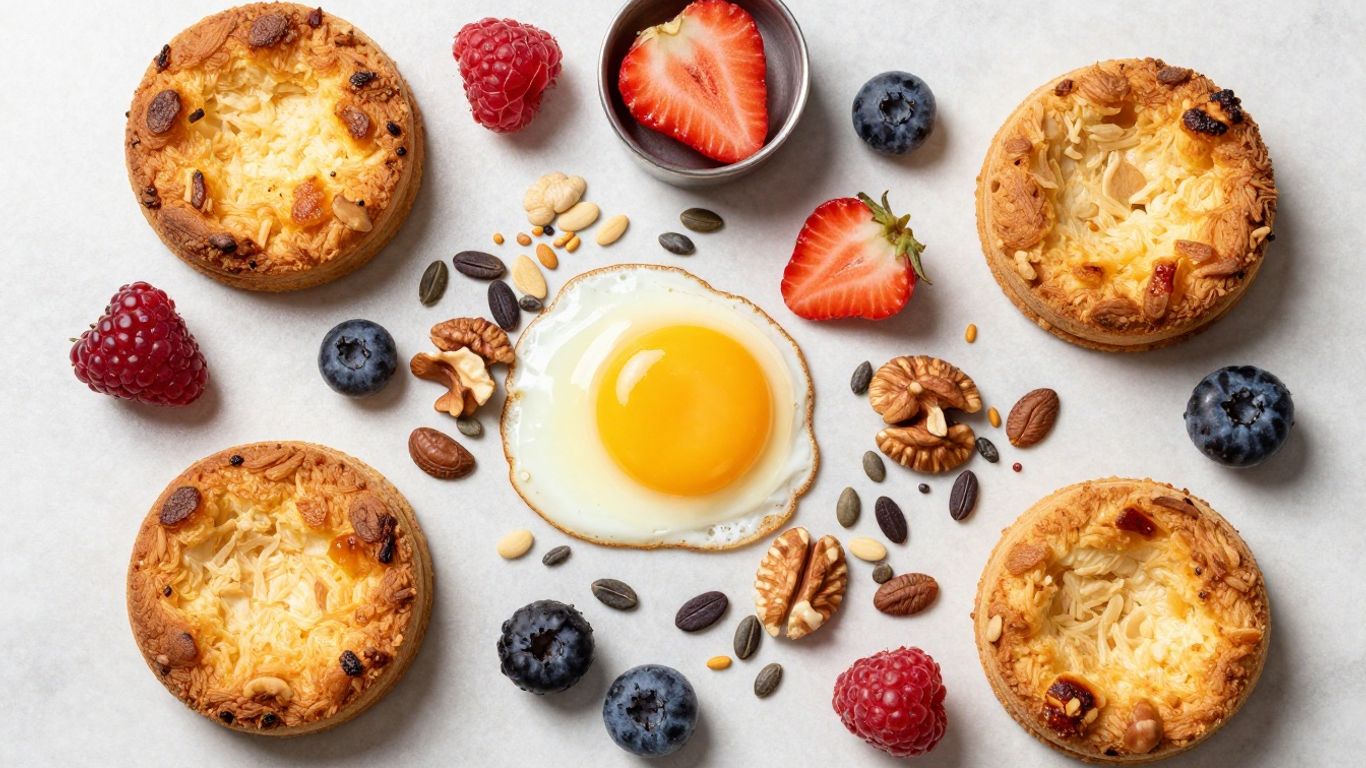
Ever stare at the snack aisle, wondering if those colorful bars are actually good for you? It’s a common puzzle, trying to find something quick that actually keeps you going. We all want food that fuels us without the sugar crash, but sometimes it feels like a guessing game. This article is all about making those decisions easier, focusing on building a great batch breakfast bar that works for you, whether you’re making it at home or picking it up at the store.
Key Takeaways
- A good batch breakfast bar balances protein, carbs, and healthy fats for sustained energy, avoiding the sugar spike and crash.
- Homemade batch breakfast bars offer control over ingredients, allowing for customization to fit dietary needs and taste preferences.
- When buying, check nutrition labels carefully for hidden sugars and assess the protein and fiber content to ensure it’s truly satisfying.
- Making batch breakfast bars a regular habit can be achieved through gradual changes and planning, like weekend baking sessions.
- Beyond breakfast, these bars are versatile snacks perfect for post-workout recovery, afternoon energy boosts, or additions to lunchboxes.
Understanding The Satisfying Batch Breakfast Bar
The Science of Sustained Energy
Think of your body like a car that’s been parked overnight. It needs the right kind of fuel to get going and keep running smoothly all morning. Many breakfast options, especially those loaded with sugar, give you a quick burst of energy, but it doesn’t last. This is because simple sugars are broken down very fast, leading to a rapid rise and then a sharp drop in blood sugar. This often leaves you feeling tired and hungry again before you’ve even finished your morning tasks. The goal is to provide steady energy, not a sugar rush followed by a crash. We want ingredients that release their energy slowly.
Decoding Macronutrients for Endurance
To build a breakfast bar that truly keeps you going, we need to look at the main building blocks of food: macronutrients. These are carbohydrates, proteins, and fats. Each plays a different role in how our bodies use energy.
- Carbohydrates: These are our primary energy source. For sustained energy, we want complex carbohydrates, like those found in oats and whole grains. They break down slower than simple sugars.
- Proteins: Protein is vital for building and repairing tissues. In a breakfast bar, it helps slow down digestion, meaning the energy from carbs is released more gradually. This keeps you feeling fuller for longer.
- Fats: Healthy fats are also important for energy and brain function. They take a while to digest, contributing to that feeling of fullness and providing a steady energy supply.
The "Triple Threat" of Satiety: Protein, Fiber, and Fats
When we talk about feeling satisfied after eating, it’s often about a combination of factors that keep hunger at bay. For breakfast bars, we’re looking for what we call the "Triple Threat" of satiety: protein, fiber, and healthy fats. These three work together to make sure your bar doesn’t just taste good, but also keeps you feeling full and energized for hours.
- Protein: As mentioned, protein slows digestion. Aim for ingredients like nuts, seeds, nut butters, or even protein powders if you’re looking to boost this.
- Fiber: This is the part of plant-based foods that your body can’t digest. It adds bulk to your meal and helps regulate blood sugar. Oats, fruits, and seeds are great sources of fiber.
- Healthy Fats: Found in nuts, seeds, and avocados, healthy fats also contribute to satiety and provide a slow-burning energy source.
Focusing on these three macronutrients helps create a balanced breakfast bar that supports steady energy levels and keeps hunger pangs away, making it a truly satisfying start to the day.
The Anatomy Of A Homemade Batch Breakfast Bar
Think of a homemade batch breakfast bar as a delicious edible building project. It’s got a solid foundation, a strong adhesive, a touch of sweetness for energy, and all sorts of fun bits mixed in. Once you get the hang of these basic parts, you can mix and match to make bars that fit exactly what you’re looking for.
The Sturdy Base: Oats and Grains
This is what gives your bar its structure. Rolled oats are a classic choice because they hold together well and provide a good amount of fiber. But you’re not limited to just oats! Puffed quinoa or even some simple rice cereal can add a different texture and lightness. The key is to choose something that provides a good foundation without being too hard or too crumbly.
The Binding Agent: Nut and Seed Butters
This is the glue that holds everything together. Nut butters like peanut, almond, or cashew are popular for their flavor and how well they bind ingredients. If you need to avoid nuts, seed butters such as sunflower seed butter or tahini are excellent alternatives. They not only help the bar keep its shape but also add healthy fats and a creamy texture.
Natural Sweeteners for Balanced Energy
Instead of refined sugars, we look to natural sources for sweetness and a bit of energy. Honey and maple syrup are common choices that also help with binding. Mashed dates or bananas are fantastic options too, adding moisture and natural sweetness along with fiber and nutrients. The amount you use can really change the bar’s texture and how sweet it is.
Flavorful and Nutritious Mix-Ins
This is where you get to be creative! Adding things like chia seeds, flax seeds, or hemp hearts boosts the nutritional value with healthy fats and fiber. Dried fruits such as cranberries or chopped apricots add chewiness and a burst of flavor. And who can resist a few dark chocolate chips? Spices like cinnamon or nutmeg can also add a warm, inviting taste. The possibilities are pretty much endless, letting you tailor each batch to your liking.
Crafting Your Perfect Batch Breakfast Bar
Making your own batch breakfast bars is a fantastic way to control exactly what goes into them. It’s not as complicated as you might think, and once you get the hang of it, you can whip up a week’s worth of breakfasts in no time. Think of it like building with food – there’s a base, a binder, some sweetness, and then all the fun stuff you mix in.
The "No-Bake" Power Square Method
This is a great starting point, especially if you’re new to bar-making or have little helpers in the kitchen. No oven means less fuss and a quicker path to deliciousness. The magic here is in chilling the mixture until it firms up.
Here’s a basic breakdown of what you’ll need:
- The Base: Rolled oats are a classic for a reason. They provide structure and fiber.
- The Binder: Nut or seed butters (like peanut, almond, or sunflower seed butter) are key to holding everything together. They also add healthy fats and protein.
- The Sweetener: Dates, maple syrup, or honey work well. They add sweetness and help the binder do its job.
- The Mix-ins: This is where you can get creative! Think dried fruit, seeds, nuts, or even a few chocolate chips.
Just mash your dates, mix in your wet ingredients, then stir in the dry ones. Press it all into a pan and chill until firm. It’s a simple process that yields a satisfying result.
Making bars without baking is a neat way to see how ingredients interact. You’re essentially creating a solid food structure from separate components, all through the power of chilling and binding agents.
Jam-Filled Morning Oat Bar Creations
Imagine a breakfast bar with a surprise center. These are a bit more involved but totally worth the effort for a special treat. You’ll typically create an oat mixture for the base and topping, with a layer of your favorite jam in the middle.
It usually involves:
- Mixing oats with a binder and sweetener for the bottom layer.
- Pressing this mixture into a baking dish.
- Spreading a layer of jam over the top.
- Crumbling or pressing another oat mixture over the jam.
- Baking until golden and set.
These bars offer a delightful contrast between the chewy oat crust and the sweet, fruity jam filling. They feel a little more decadent than a standard bar.
Peanut Butter Banana Chocolate Chip Variations
This is a flavor combination that’s hard to beat. These bars often use mashed bananas as a binder and natural sweetener, alongside peanut butter and, of course, chocolate chips. They tend to be moist and incredibly satisfying.
- Key Ingredients: Oats, ripe mashed bananas, peanut butter, chocolate chips, and maybe a touch of maple syrup or cinnamon.
- Texture: Expect a softer, more cake-like texture compared to no-bake bars.
- Baking: These usually require baking to set properly.
These bars are a perfect example of how simple, wholesome ingredients can come together to create something truly delicious and energizing. They’re great for breakfast on the go or as an afternoon pick-me-up.
Customizing Batch Breakfast Bars For Every Need
Allergy-Friendly Ingredient Swaps
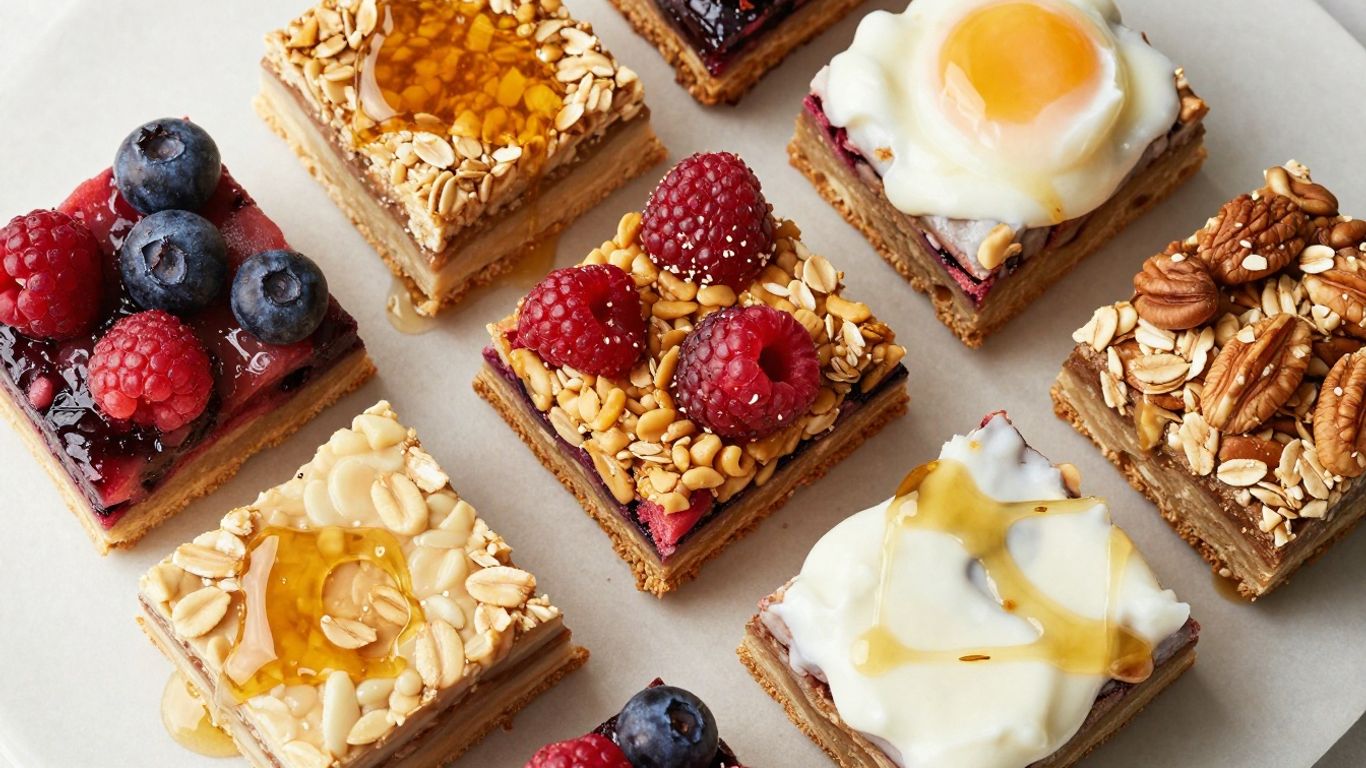
Making batch breakfast bars means you’re in charge of what goes in them. This is a huge plus if you or someone in your family has allergies or sensitivities. For instance, if nuts are a no-go, you can easily swap out nut butters for seed butters like sunflower seed butter or tahini. These offer a similar binding quality and a nice nutty flavor without the allergens. When it comes to grains, if oats aren’t suitable, consider using quinoa flakes or even a gluten-free flour blend as the base. Always double-check your other ingredients, like chocolate chips or dried fruits, to ensure they are free from cross-contamination.
Nut-Free Alternatives for Sensitive Eaters
For those with nut allergies, the world of breakfast bars doesn’t have to shrink. Sunflower seed butter is a fantastic, widely available substitute for peanut or almond butter. It works just as well to hold your bars together. If you want to add some crunch and healthy fats, think about using pumpkin seeds, sunflower seeds, or even toasted buckwheat groats instead of chopped nuts. These alternatives provide great texture and nutritional benefits, making your bars safe and delicious for everyone.
Tailoring Sweetness and Texture
One of the best parts of making your own bars is controlling the sweetness. Instead of relying on refined sugars, you can use natural sweeteners like dates, maple syrup, or honey. Dates, when blended, create a sticky paste that not only sweetens but also helps bind the ingredients. You can adjust the amount of sweetener to your liking – less for a less sweet bar, more if you have a sweeter tooth. Texture is also up to you. Do you prefer a chewy bar? Use more binders like nut/seed butter and perhaps a bit of mashed banana. For a crunchier bar, add more seeds, nuts, or toasted grains, and consider baking them a little longer. Experimentation is key to finding your perfect bar.
Here’s a quick look at how ingredient choices affect your bar:
| Ingredient Type | Impact on Texture | Impact on Sweetness | Common Substitutes |
|---|---|---|---|
| Binder (Nut/Seed Butter) | Chewy, moist | Mild | Sunflower seed butter, tahini, pumpkin seed butter |
| Sweetener (Dates/Syrup) | Soft, moist | High | Maple syrup, honey, mashed banana, applesauce |
| Add-ins (Seeds/Nuts) | Crunchy, firm | Low | Toasted buckwheat, puffed grains, dried fruit pieces |
| Base (Oats/Flour) | Chewy/Crumbly | None | Quinoa flakes, GF oat flour, almond flour |
Elevating The Batch Breakfast Bar Experience
Sometimes, the best laid plans for a perfectly cohesive breakfast bar can go a little sideways. Maybe the binder wasn’t quite right, or perhaps the pressing wasn’t firm enough. Before you consider tossing the whole batch, remember that even a crumbly bar can be a win! These delightful disassemblies can transform into a fantastic homemade granola. Just serve them over yogurt or with a splash of milk. It’s the same good stuff, just in a different form. Think of it as a successful pivot in the kitchen!
The "Fossil Fuel" Bar Adventure
Imagine turning your breakfast bar creation into a fun learning experience, especially for kids. You can frame ingredients as elements of a story. For instance, dark chocolate chunks can become "coal fossils," and slivered almonds can represent "dinosaur bones" nestled within an oat-filled "sedimentary layer." As you press the mixture down, you can talk about how pressure forms layers in the earth over time. This makes the bar more than just food; it becomes a narrative. Kids might be more willing to try new seeds if they’re presented as "prehistoric flora." This approach turns a simple snack into an engaging, educational activity.
Transforming Crumbles into Granola
Don’t let a slightly crumbly texture get you down. Those bits and pieces are perfect for a quick granola. Spread them on a baking sheet and toast them lightly for a few minutes until they’re fragrant and a bit crispier. This repurposed bar mix is wonderful sprinkled over yogurt, fruit salads, or even as a topping for smoothie bowls. It’s a testament to resourcefulness in the kitchen, proving that even imperfections can lead to delicious outcomes.
The Educational Value of Kitchen Time
Getting kids involved in the kitchen offers a wealth of learning opportunities. Beyond just following a recipe, they can learn about measurements, chemistry (how ingredients react), and even physics (like the effect of pressure when pressing bars). Cleaning up afterward also teaches responsibility and hygiene. Making it a game, like a "counter sweep" challenge to find stray oats, can make chores more enjoyable. The kitchen truly is a laboratory for learning.
When we involve children in the process of making their food, from understanding the ingredients to the final assembly, we help them build a stronger connection to what they eat. This hands-on experience can spark curiosity and encourage healthier eating habits that last a lifetime.
Navigating Store-Bought Batch Breakfast Bars
It’s easy to grab a box of breakfast bars off the shelf when you’re in a rush. But have you ever really looked at what’s inside? Sometimes, what seems like a healthy choice can be loaded with things you might want to avoid. Let’s break down how to pick the best ones.
Decoding Nutrition Labels for Quality
When you’re staring at the back of a package, it can feel a bit overwhelming. The first few ingredients usually tell you the most about what’s in the bar. Look for whole ingredients like oats, nuts, and seeds to be listed early on. The goal is to find bars where the primary ingredients are recognizable and sound like actual food.
Here’s a quick guide to what to look for:
- Whole Grains: Oats, whole wheat, or quinoa are good signs.
- Healthy Fats: Nuts, seeds, and their butters are great.
- Natural Sweeteners: Ingredients like dates, maple syrup, or fruit are better than refined sugars.
- Protein Sources: Look for nuts, seeds, or added protein if that’s a priority.
Identifying Hidden Sugars and Additives
Sugar can hide under many names. Words like "corn syrup," "fructose," "dextrose," or even "evaporated cane juice" all mean added sugar. Many bars also contain artificial flavors, colors, or preservatives that aren’t ideal for a daily breakfast. It’s worth checking the ingredient list for these, especially if you’re trying to limit processed foods.
Comparing Top Picks for Convenience
Sometimes, convenience wins. If you do opt for store-bought, here’s a general comparison of what you might find:
| Bar Type | Typical Pros | Typical Cons |
|---|---|---|
| Oat-Based Bars | Good source of fiber, often filling. | Can be high in sugar, some are dry. |
| Nut/Seed Bars | Good protein and healthy fats. | Can be calorie-dense, watch for added sugars. |
| Fruit & Grain Bars | Often lower in fat, can be chewy. | Frequently high in sugar, less protein. |
| Protein Bars | High protein content for satiety. | Can be highly processed, artificial ingredients. |
Choosing a store-bought bar is a trade-off. You gain speed and ease, but you often give up control over the ingredients. Reading labels carefully helps you make the best choice possible when you can’t make them yourself.
Making Batch Breakfast Bars A Sustainable Habit
Consistency is key for any new habit, especially when it comes to eating well in the morning. Building breakfast bars into your weekly routine means less morning chaos, more control over what goes into your body, and fewer last-minute dashes for something to eat. Turning batch breakfast bars into a lasting habit really comes down to small, intentional changes.
The "Bridge" Method for Gradual Transition
You don’t need to overhaul your routine overnight. Start by pairing your usual breakfast with a homemade bar for a few mornings, and notice how it feels.
- Eat your regular breakfast, but add a small piece of a homemade bar as a side.
- Gradually increase the portion or replace part of your old breakfast with the bar as you adjust.
- When you’re comfortable, switch to the bar as your main morning meal on busy days.
Transition at your own pace; the goal is progress, not perfection—it’s the slow shift that sticks long-term.
Weekend Batch Baking for the Week Ahead
Planning is what makes this habit stick. Dedicate a slice of your weekend to batch baking. Sunday afternoon usually works well, but it could be Friday night or Saturday morning if that’s your window.
- Pick your recipe and gather all your ingredients before you start. (Having everything on hand helps you avoid last-minute runs to the store.)
- Double the recipe if you want to stock up for a longer stretch or have snacks for the whole family.
- Store bars in an airtight container; put half in the freezer for later in the month if you made extra.
Sample Batch Schedule Table
| Day | Task | Notes |
|---|---|---|
| Sunday | Mix/Bake Bars | Cool fully before storing |
| Monday-Friday | Grab and Eat | Pair with fruit or yogurt |
| Wednesday | Check stock | Move from freezer if low |
Family Taste Tests for Picky Eaters
If you’re cooking for more than just yourself, getting buy-in from family members goes a long way.
- Set aside time for a "taste test"—try different flavor combinations together and let everyone vote on their favorites.
- Let kids (or reluctant adults) choose one mix-in each. When people help pick the ingredients, they’re more likely to eat the result.
- Use feedback from the family for your next batch, adjusting texture, sweetness, or add-ins based on what everyone actually liked.
Habit-building isn’t about getting it perfect on the first go; it’s about making small, realistic changes. Regularly making—and eating—your own batch bars can not only support your health, but also save you time and money week after week.
Maximizing Freshness and Storage
So you’ve whipped up a fantastic batch of breakfast bars, and now you’re wondering how to keep them tasting great all week. It’s not complicated, really. Proper storage is key to maintaining that just-baked texture and flavor, whether you’re planning to eat them over a few days or stash them for longer.
Room Temperature Storage Strategies
For bars that don’t contain highly perishable ingredients like fresh fruit purees or dairy, keeping them at room temperature is often the simplest option. Just make sure they’re in an airtight container. This prevents them from drying out or picking up any weird smells from your pantry. Generally, bars stored this way will stay good for about 2 to 3 days. Think of it as the quick-access stash for your busy mornings.
Refrigeration for Extended Freshness
If you want your bars to last longer and maintain a firmer texture, the refrigerator is your best friend. Pop them into an airtight container or wrap them individually in parchment paper before placing them in a container. This method is particularly good for bars with ingredients that might spoil faster, like those with yogurt or certain fruit fillings. Refrigeration can extend the life of your bars to about 5 to 7 days. It also gives them a nice, cool bite, which can be quite refreshing.
Freezing for Long-Term Batch Breakfast Bar Supply
Got a surplus of bars or want to prepare even further ahead? Freezing is the way to go. The trick here is to wrap each bar well – parchment paper works great, followed by a layer of plastic wrap or foil, or simply place them in a freezer-safe bag. This protects them from freezer burn. Frozen bars can last for up to 3 months. They’re perfect for grabbing on your way out the door, and they’ll thaw by the time you’re ready for a snack or your next meal. It’s like a little surprise waiting for you later in the week, or even next month!
The Nutritional Impact Of Batch Breakfast Bars
Protein and Fiber for Lasting Fullness
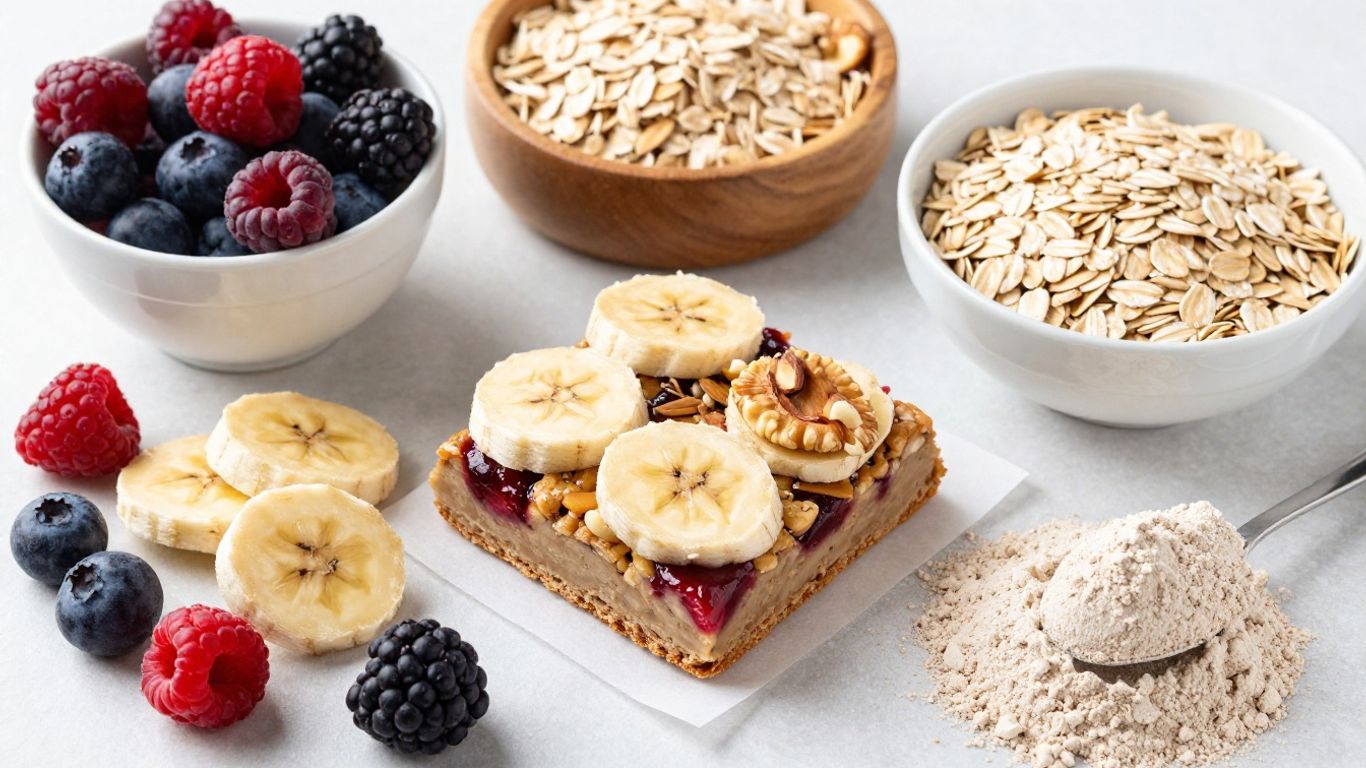
When you’re grabbing a batch breakfast bar, especially on a busy morning, you want it to actually do something for you. That means keeping you full and focused, right? That’s where protein and fiber really shine. Protein is like the slow-burn fuel for your body; it takes longer to digest, which helps keep hunger pangs at bay. Think of it as a steady release of energy, not a quick jolt that leaves you crashing later. Fiber works in a similar way. It adds bulk and also slows down how quickly your body processes the other good stuff in the bar. Together, they create a powerful duo that helps you feel satisfied for a good chunk of the morning.
Healthy Fats for Cognitive Function
Don’t shy away from healthy fats in your batch breakfast bars! They’re not just about feeling full; they play a big role in how your brain works. Fats are important for absorbing certain vitamins and are a key component in brain cell structure. Including sources like nuts, seeds, or nut butters means you’re giving your brain the building blocks it needs to stay sharp and focused. It’s a simple way to make your breakfast bar work harder for you, supporting both your body and your mind throughout the day.
Balancing Carbohydrates for Steady Energy
Carbohydrates are often misunderstood, but they’re your body’s primary energy source. The trick with batch breakfast bars is to choose the right kind of carbs. We’re talking about complex carbohydrates found in oats and whole grains. These break down much more slowly than simple sugars, giving you a steady stream of energy instead of a sugar rush followed by a slump. This balanced approach to carbs is what helps prevent that mid-morning energy dip, keeping you productive and feeling good. It’s all about smart energy management for your day.
Beyond Breakfast: Versatile Batch Breakfast Bar Uses
Batch breakfast bars are fantastic for kicking off your day, but their usefulness doesn’t stop when the morning rush is over. These convenient squares are packed with energy and nutrients, making them a perfect fit for a variety of situations throughout your day.
The Perfect Post-Workout Refuel
After a tough workout, your body needs to replenish its energy stores and repair muscle tissue. Batch breakfast bars, especially those rich in protein and complex carbohydrates, can be an ideal recovery food. The carbs help restore glycogen levels, while the protein aids in muscle repair. Think of them as a convenient way to give your body the fuel it needs without a lot of fuss.
- Protein Power: Look for bars with nuts, seeds, or added protein powder.
- Carb Replenishment: Oats and dried fruits provide necessary carbohydrates.
- Electrolyte Boost: Ingredients like bananas or a pinch of salt can help replace lost electrolytes.
An Energizing Afternoon Snack
That mid-afternoon slump can hit hard, right? Instead of reaching for sugary drinks or processed snacks that lead to a crash, a batch breakfast bar offers sustained energy. The combination of protein, fiber, and healthy fats helps keep you feeling full and focused, preventing that dreaded energy dip. They’re easy to stash in a bag or desk drawer for a reliable pick-me-up.
A Wholesome Addition to Lunchboxes
Batch breakfast bars are a hit with kids and adults alike, making them a smart addition to lunchboxes. They provide a balanced mix of nutrients to keep energy levels steady through the afternoon. Plus, they’re less likely to get squished than some other snack options. You can even cut them into fun shapes to make them more appealing for younger eaters.
Making your own batch breakfast bars means you control exactly what goes in them. This is great for tailoring snacks to specific needs, whether it’s for post-exercise recovery or a school lunch.
Here’s a quick look at how different ingredients contribute to their versatility:
| Nutrient Focus | Key Ingredients | Benefit |
|---|---|---|
| Sustained Energy | Oats, whole grains, dried fruit | Prevents energy crashes |
| Muscle Repair | Nuts, seeds, nut butters, protein powder | Aids recovery and satiety |
| Focus & Alertness | Healthy fats from nuts and seeds | Supports cognitive function |
| Quick Refuel | Natural sweeteners (maple syrup, honey) | Provides readily available energy |
Looking for breakfast ideas that go beyond the usual? Our "Beyond Breakfast: Versatile Batch Breakfast Bar Uses" section shows you how to make breakfast bars work for any meal. These aren’t just for mornings! Discover how to whip up a batch and enjoy them throughout the day. Ready to shake up your meal routine? Visit our website to find out more!
Your Breakfast Bar Journey
So, there you have it. Building a better breakfast bar, whether from a box or your own kitchen, is all about understanding what goes inside. We’ve talked about protein for staying power, carbs for energy, and how adding a splash of color can make healthy eating more fun for everyone. It’s not about perfection, but about making small, smart choices that add up. Whether you’re a seasoned baker or just starting out, the kitchen is a great place to learn and connect. Give these ideas a try, and enjoy the delicious results of a well-fueled morning.
Frequently Asked Questions
Are these bars really good for kids?
It truly depends on what’s inside! Many store-bought bars are packed with sugar and don’t offer much energy. But bars made with whole grains, nuts, seeds, and fruit, and not too much added sugar, can be a fantastic way to start the day or have as a healthy snack.
What if my child can’t have nuts?
No problem! Sunflower seed butter is a great swap for peanut or almond butter. For a bit of crunch, try using toasted pumpkin seeds, sunflower seeds, or even toasted buckwheat groats instead of nuts.
My kid is a picky eater. How can I get them to try bars with seeds and oats?
Get them involved in making the bars! Kids are way more likely to eat something they helped create. You can also start with bars that have a smoother texture by grinding the oats into flour and using smooth nut butters, then slowly add more texture as they get used to it.
How long do homemade bars stay fresh?
When stored in a container that seals well, they usually last about 2-3 days at room temperature. If you keep them in the fridge, they can last up to a week. For longer storage, pop them in the freezer for up to three months.
Can a breakfast bar be a full meal?
For most active kids, one bar might not be enough to keep them going all morning. It’s a good idea to pair a healthy bar with a piece of fresh fruit or some yogurt to make sure they get all the energy and nutrients they need.
When can kids start helping in the kitchen?
Even little ones, around 2 or 3 years old, can help with simple things like pouring ingredients or stirring (with an adult watching!). As they get older, they can help measure, mash fruits, or spread ingredients. Always make sure an adult is there, especially when using the oven or sharp tools.
Why do my homemade bars sometimes fall apart?
This can happen if the mixture is too dry or if the bars weren’t pressed down firmly enough. Don’t throw them away! Crumbled bars are delicious as homemade granola. You can sprinkle them over yogurt or eat them with milk. It’s the same great nutrition, just in a different form!
What makes a bar ‘satisfying’ and keep you full?
To keep you feeling full and energized, bars need a good mix of protein, fiber, and healthy fats. These ingredients help slow down digestion, so your body gets energy steadily instead of a quick sugar rush followed by a crash.