
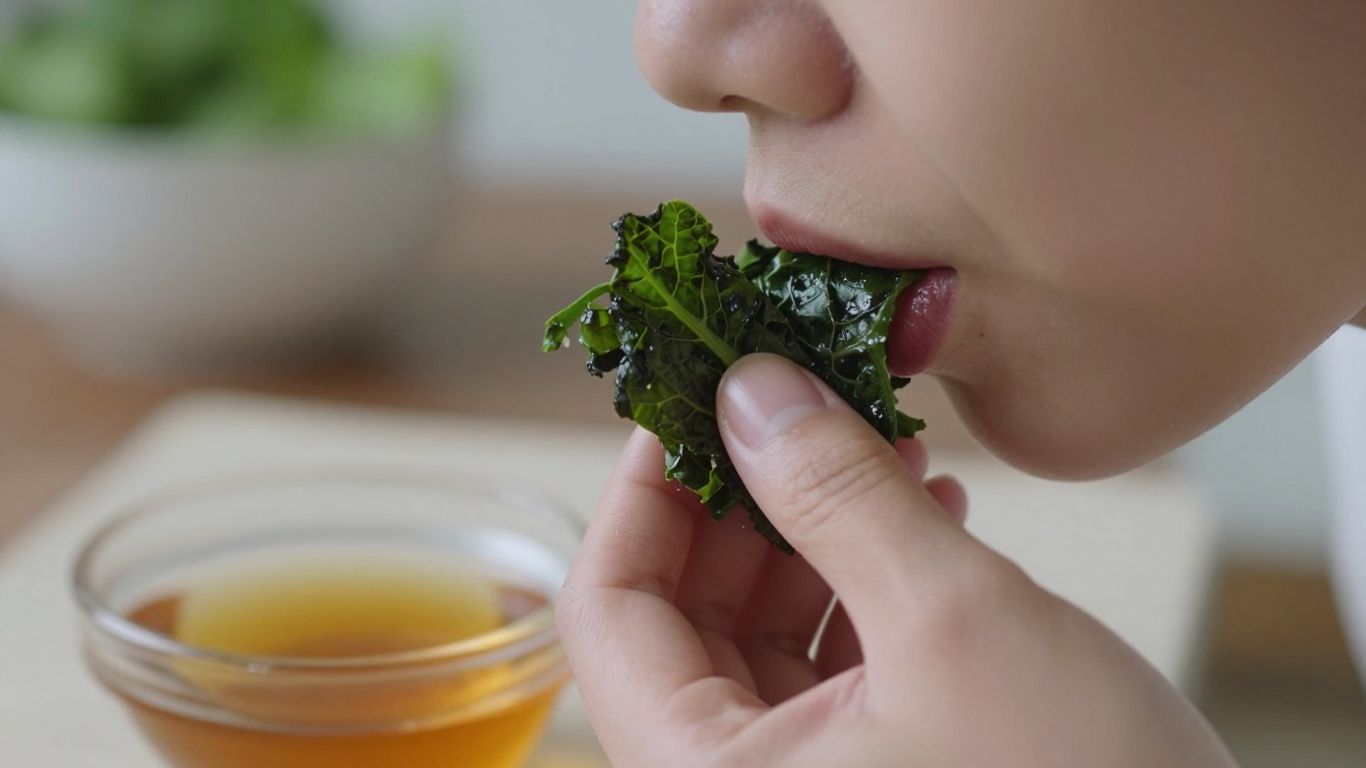
So, you’re looking to get into foods that have that bitter edge? It can be a bit of a curveball at first, right? We’re often told to go for sweet or salty, but there’s a whole world of flavor out there that we might be missing out on. This guide is all about making that transition smoother, like adding training wheels to a bike, and finding those recipe bridges that connect what you already love to new, exciting tastes. We’ll explore how to train your palate for bitter foods, making those initially challenging flavors something you actually look forward to.
Key Takeaways
- Learning to appreciate bitter tastes is a journey that can be approached gradually, much like learning a new skill.
- Understanding the basic tastes (sweet, sour, salty, bitter, umami) and how they interact is the foundation for good flavor pairing.
- Flavor bridging involves using a third ingredient to connect or balance two other flavors that might not seem to go together naturally.
- Introducing bitter foods can be done through mild ingredients and small, consistent exposures, following principles like the 70-20-10 rule for balance.
- Recipes can be designed to bridge familiar flavors with bitter ones using sweet, acidic, or umami elements to create harmony.
Embracing Bitterness: A Culinary Journey
The Palate’s Evolution
Our taste buds are not static; they change and adapt over time. Think back to childhood – many of us probably recoiled at the thought of coffee or dark leafy greens. Yet, as we mature, our perception of flavors can shift. This evolution is influenced by repeated exposure, cultural norms, and even our own changing biology. The journey to appreciating bitterness is a testament to this palate’s adaptability. It’s less about forcing yourself to like something and more about gently guiding your senses to recognize the complexity and depth that bitter flavors can bring to food.
Why We Shy Away From Bitter
There’s a biological reason we’re often wary of bitter tastes. In nature, bitterness can signal toxicity. Our innate aversion is a survival mechanism, a quick way to avoid potential harm. This primal response is deeply ingrained. However, in the context of prepared foods, bitterness often signals desirable qualities like ripeness (think of olives) or the presence of beneficial compounds (like in certain vegetables and coffee). Our modern diet, often dominated by sweet and salty processed foods, can also condition us to expect those dominant flavors, making us less receptive to the subtler, more challenging notes of bitterness.
The Rewards of Acquiring a Taste
Learning to appreciate bitterness opens up a whole new world of culinary possibilities. Bitter elements act as a counterpoint to sweetness and richness, preventing dishes from becoming cloying or one-dimensional. They add sophistication and intrigue, making food more interesting and satisfying. Consider how a bitter radicchio salad balances a rich pasta, or how dark chocolate’s bitterness cuts through its own sweetness. Embracing bitterness allows for more nuanced and complex flavor profiles in your cooking and eating. It’s about achieving a more complete and balanced sensory experience, transforming simple ingredients into something truly memorable.
Foundational Flavor Principles
Before we start pairing bitter ingredients, it’s helpful to get a handle on the basic building blocks of flavor. Think of these as the primary colors on a chef’s palette. Understanding them helps us figure out why certain foods just work together.
Understanding Primary Tastes
Our tongues can detect five basic tastes: sweet, salty, sour, bitter, and umami. Each one plays a role in how we experience food. Sweetness usually signals energy, while saltiness makes food taste better. Sourness comes from acids, like in lemons, and bitterness, often perceived at the back of the tongue, can sometimes signal something we should be cautious about, but it also adds a lot of depth to food. Umami is that satisfying, savory taste you get from things like aged cheese or mushrooms.
It’s also worth noting that fat isn’t technically a taste, but we can definitely taste it, and it adds a lot of richness and mouthfeel to dishes. And then there’s ‘spicy’ – which isn’t a taste at all, but more of a sensation, a kind of pain response from compounds like capsaicin in chili peppers.
Beyond Sweet and Salty: Exploring Umami and Acidity
While sweet and salty are familiar friends, umami and acidity are where a lot of interesting flavor interactions happen. Umami, that deep, savory flavor, is like the glue that can hold a dish together. It’s found in things like slow-cooked meats, ripe tomatoes, and fermented soy sauce. Acidity, on the other hand, is like a splash of bright light. It comes from things like citrus fruits and vinegar, and it can cut through richness, making food feel lighter and more vibrant.
Think about it: a squeeze of lemon on grilled fish brightens its flavor, and the tang of vinegar in a salad dressing wakes up the greens. These aren’t just random additions; they’re deliberate choices to create balance and interest.
The Role of Aroma in Flavor Perception
Here’s something that often gets overlooked: smell. It turns out that what we think of as ‘flavor’ is actually a huge combination of taste and smell. In fact, some estimates say that around 80% of what we perceive as flavor comes from our sense of smell. The volatile compounds in food travel up to our nasal passages, and our brain mixes those signals with the signals from our tongue. This is why a stuffy nose can make food taste so bland. So, when you’re thinking about pairing flavors, don’t forget about the aromas. The way ingredients smell together can be just as important as how they taste.
The interplay between taste and smell is what creates the full experience of flavor. A dish might taste okay, but if its aroma is off, the whole experience can fall flat. Conversely, a wonderful smell can make even simple ingredients seem more appealing.
The Art of Flavor Bridging
Connecting Seemingly Disparate Tastes
Sometimes, two ingredients just don’t seem like they’d get along. Think about something intensely bitter, like dark chocolate, and then something bright and acidic, like a tart raspberry. On paper, they might sound like a clash waiting to happen. But here’s where the magic of flavor bridging comes in. It’s like being a matchmaker for your taste buds. We’re looking for ways to make these potentially conflicting flavors work together, to find common ground or create a pleasing contrast.
Using a Third Element for Harmony
Often, the secret to a great flavor combination isn’t just about picking two things that go well together. It’s about introducing a third element that acts as a mediator. This third ingredient can do a few things: it might share subtle flavor notes with both of the other ingredients, or it might offer a completely different taste that balances out the extremes. For example, a pinch of salt can make bitter chocolate taste sweeter and less harsh, while also bringing out the fruitiness in a raspberry. It’s not just about adding more flavor; it’s about creating a more complex and satisfying experience.
Here’s a simple way to think about it:
- Foundation: The main flavors you’re working with (e.g., bitter chocolate, tart raspberry).
- Bridge: The ingredient that connects them (e.g., salt, a creamy element like mascarpone, or even a spice like black pepper).
- Result: A harmonious blend where the individual flavors are still present but now work together beautifully.
Examples of Successful Flavor Bridges
Think about classic pairings that just work. Take blue cheese, pear, and walnuts. The cheese is pungent and salty, the pear is sweet and soft, and the walnuts add a nutty crunch. Individually, they’re strong. Together, with the pear acting as a bridge between the cheese’s intensity and the walnuts’ earthiness, they create a balanced bite. Another example is tomato, basil, and mozzarella. The acidity of the tomato, the sweet aroma of basil, and the creamy, mild mozzarella all come together. The mozzarella softens the tomato’s sharpness and complements the basil’s freshness, creating a dish that’s more than the sum of its parts.
The goal isn’t to mask flavors, but to weave them together so they create something new and exciting. It’s about finding that sweet spot where contrast meets connection, leading to a more interesting and enjoyable taste experience.
Building Blocks for Bitter Foods Training
Getting comfortable with bitter flavors isn’t about forcing yourself to like things you don’t. It’s more like learning a new language, one taste at a time. We’re going to start with the basics, introducing milder bitter ingredients and gradually working our way up. Think of it as training wheels for your palate.
Starting with Mildly Bitter Ingredients
Some foods have a gentle bitterness that’s easy to approach. These are great starting points because they won’t overwhelm you. We’re talking about things like:
- Arugula: This leafy green has a peppery, slightly bitter bite that’s noticeable but not aggressive. It’s fantastic in salads or even wilted into pasta.
- Radishes: While they have a bit of a peppery kick, radishes also offer a clean, mild bitterness, especially the smaller varieties. Slicing them thinly and adding them to tacos or sandwiches works well.
- Certain Herbs: Parsley and cilantro, while often used for freshness, have subtle bitter undertones that can add complexity without being the main event.
- Green Tea: A classic example, green tea’s bitterness is usually mild and can be adjusted by steeping time and temperature.
Gradual Introduction Techniques
How you introduce these flavors matters. It’s not just about what you eat, but how you eat it. Here are a few ways to ease into bitterness:
- Mix and Match: Combine mildly bitter ingredients with flavors you already love. For instance, add a handful of arugula to a salad that’s mostly romaine lettuce and has a sweet vinaigrette. The arugula’s bitterness will be a background note.
- Small Amounts, Big Impact: Start with just a tiny bit of a bitter ingredient. A few shavings of dark chocolate (70% cacao or higher) on top of a dessert, or a small amount of bitter greens mixed into a stir-fry.
- Cook It Down: Sometimes, cooking can mellow out bitterness. Roasting vegetables like Brussels sprouts or broccoli can bring out a sweeter, less intense bitterness compared to eating them raw.
- Pair with Sweetness: This is a classic for a reason. A drizzle of honey or maple syrup over bitter greens, or a sweet fruit compote alongside a bitter chocolate dessert, helps to balance the taste.
The 70-20-10 Rule for Flavor Balance
When you’re building a dish, especially when introducing a new flavor like bitterness, thinking about proportions can help. The 70-20-10 rule is a good guideline:
- 70% Foundation: These are the familiar, comforting flavors you enjoy. This could be your main protein, a starch, or a sauce you love.
- 20% Supporting: These ingredients complement the foundation. They might add a bit of sweetness, acidity, or a different texture.
- 10% Accent: This is where your new or challenging flavor, like bitterness, can shine. It’s a small enough amount that it adds interest without taking over.
This approach ensures that the new flavor is present enough to be noticed and appreciated, but not so dominant that it becomes unpleasant. It’s about adding a layer of complexity, not a shock to the system. By keeping the bitter component to just 10%, you allow your palate to get used to its presence in a controlled way.
Recipe Bridges for Bitter Foods
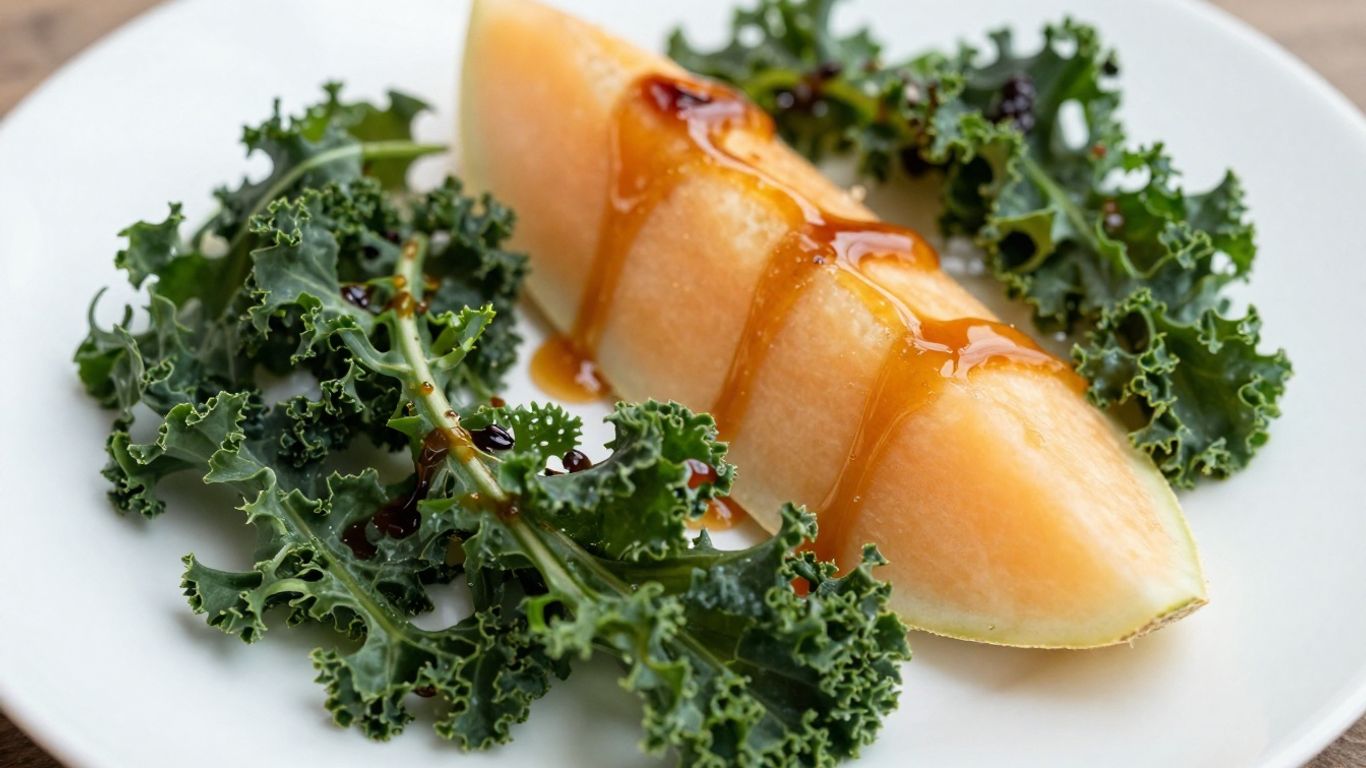
Sweet and Bitter Pairings
This is probably the most common way people start to get used to bitter flavors. Think about how a little sugar can make strong coffee or dark chocolate much more approachable. It’s not about masking the bitterness, but about creating a conversation between the two tastes. The sweetness acts like a friendly handshake, making the bitter notes feel less intense and more inviting. It’s a classic pairing for a reason – it just works.
Here are a few ideas:
- Dark Chocolate with Berries: The natural sweetness and slight tartness of berries like raspberries or strawberries can cut through the intensity of dark chocolate, highlighting its complex cocoa notes without overwhelming your palate.
- Coffee with Honey: Instead of plain sugar, try a drizzle of honey in your morning coffee. Honey has its own distinct flavor profile that can complement the roasted notes of coffee, offering a different kind of sweetness.
- Arugula Salad with Candied Nuts: Arugula has a peppery, slightly bitter bite. Toss it with some candied pecans or walnuts, and a light vinaigrette. The sweet crunch of the nuts balances the greens beautifully.
Acidic Counterpoints to Bitterness
Acidity is another fantastic tool for taming bitterness. Think of it like a splash of bright light that cuts through a heavy shadow. Acids, like those found in citrus fruits or vinegars, can cleanse the palate and make bitter flavors seem sharper and more defined, rather than just harsh. They add a lively contrast that prevents bitterness from feeling flat or one-dimensional.
Consider these combinations:
- Grapefruit with a Squeeze of Lime: Grapefruit itself has a pleasant bitterness. Adding a little lime juice brightens it up, making the bitterness more refreshing and less of a challenge.
- Brussels Sprouts with Lemon Zest: Roasted Brussels sprouts can have a noticeable bitterness. Tossing them with fresh lemon zest and a bit of olive oil right before serving adds a zesty brightness that balances the earthy, bitter notes.
- Campari Spritz: This classic aperitif combines the bitterness of Campari with the sweetness of prosecco and a splash of soda water. The citrus garnish, often an orange slice, adds that crucial acidic element.
Umami’s Role in Softening Bitter Notes
Umami, that savory fifth taste, might not be the first thing you think of when dealing with bitterness, but it’s a powerful ally. Umami ingredients, like soy sauce, mushrooms, or aged cheeses, add a depth and richness that can round out sharp edges. They don’t necessarily make the bitter taste disappear, but they create a more complex flavor profile where bitterness becomes just one part of a larger, more satisfying whole. It’s like adding a bass note to a melody – it gives it body and resonance.
Try these pairings:
- Miso Glazed Eggplant: Eggplant can have a subtle bitterness, especially when cooked. A glaze made with miso paste adds a deep savory flavor that complements and softens the eggplant’s natural character.
- Parmesan Cheese on Bitter Greens: A sprinkle of salty, umami-rich Parmesan cheese over a salad of radicchio or endive can make those bitter greens much more palatable. The cheese adds a savory depth that balances the bitterness.
- Mushroom Risotto: Mushrooms are packed with umami. When cooked into a creamy risotto, their savory notes can balance out any slight bitterness from ingredients like radicchio or even the wine used in the dish.
Practical Application: Flavor Calibration
So, you’ve got your ingredients, you’ve thought about how they might play together, and you’ve even started building your dish. But what happens when you taste it, and something just feels… off? That’s where flavor calibration comes in. It’s like tuning an instrument; you’re making small adjustments to bring everything into harmony. This is the stage where you become the chef, not just the cook.
Think of it as a troubleshooting session for your taste buds. Most dishes can be brought back into balance with a few key additions. It’s not about starting over, but about refining what you’ve already created. The goal is to make each component sing, not shout over the others.
Adjusting for Blandness and Richness
If your dish tastes a bit flat, like it’s missing a spark, salt is often your best friend. It doesn’t just make things salty; it actually wakes up all the other flavors. A little bit of acid, like lemon juice or vinegar, can also do wonders, adding brightness and cutting through any heaviness. On the flip side, if your dish feels too heavy or rich, acid is again a great go-to. It acts like a palate cleanser, making the dish feel lighter and more refreshing. Sometimes, a touch of bitterness can also help cut through richness, providing a welcome contrast.
Taming Sweetness and Spice
Sweetness can sometimes overpower other flavors, making a dish cloying. To counter this, think about adding something with a bit of bitterness or a savory umami note. These tastes can ground the sweetness and add complexity. If your dish has too much heat, don’t panic. Fat is a fantastic way to mellow spice, think of adding a splash of cream, a drizzle of olive oil, or even some avocado. Sweetness can also help, as seen in sweet chili sauces, where the sugar balances the chili’s fire.
The Iterative Process of Tasting and Adjusting
Cooking is rarely a one-shot deal. It’s a process of tasting, adjusting, and tasting again. Don’t be afraid to make small changes. Add a pinch of salt, a squeeze of lime, a tiny bit of sugar, or a dash of spice, then taste. Wait a moment to let the flavors meld, and then taste again. This back-and-forth is how you learn what works and how to fine-tune your dishes. It’s about building confidence in your palate and trusting your instincts.
Here’s a quick guide to common calibration needs:
| Problem | Solution(s) |
|---|---|
| Too Bland | Add salt, acid (lemon, vinegar) |
| Too Rich/Heavy | Add acid, a bitter element |
| Too Sweet | Add bitter, umami, or a touch of salt |
| Too Spicy/Hot | Add fat (oil, dairy), sweetness |
| Too Sour/Tangy | Add sweetness, fat |
| Too Bitter | Add sweetness, salt, or fat |
Remember, the goal isn’t to mask flavors but to harmonize them. Each adjustment should serve to bring the dish closer to its ideal balance, making all the ingredients work together more effectively.
Exploring Unexpected Combinations
Sometimes, the most exciting flavors come from pairings you wouldn’t immediately guess. It’s like finding a hidden gem! Once you get a handle on the basics of how flavors work together, you can start playing around with combinations that might sound a little wild at first but end up being surprisingly delicious. It’s all about finding that balance, that little spark that makes food interesting.
Strawberry and Black Pepper
This one might raise an eyebrow, but trust me, it works. The sweet, familiar taste of strawberries gets a little kick from black pepper. The pepper doesn’t just add heat; it actually brings out the sweetness in the strawberries and adds a layer of complexity you wouldn’t expect. It’s a great way to make a simple strawberry salad or even a strawberry dessert feel more grown-up.
Chocolate and Olive Oil
Think about it: both chocolate and good olive oil have a certain richness and can have bitter notes. When you drizzle a bit of high-quality, fruity olive oil over dark chocolate, it smooths out the bitterness and adds a lovely, subtle fruitiness that complements the chocolate’s depth. It sounds odd, but it’s a pairing that chefs have been using for a while.
Coffee and Orange Zest
Coffee is naturally bitter, and so are the oils in orange zest. Instead of clashing, these bitter notes can actually harmonize. The bright, citrusy aroma and flavor of the orange zest cut through the deep, roasted notes of coffee, making the coffee taste richer and more nuanced. It’s a fantastic combination for desserts, coffee rubs for meat, or even a unique morning beverage.
Here’s a quick look at how these unexpected pairings work:
| Ingredient 1 | Ingredient 2 | Why it Works |
|---|---|---|
| Strawberry | Black Pepper | Pepper’s spice highlights strawberry’s sweetness and adds complexity. |
| Dark Chocolate | Olive Oil | Fruity olive oil balances chocolate’s bitterness and adds richness. |
| Coffee | Orange Zest | Citrus brightens coffee’s bitterness, creating a more complex flavor profile. |
When you’re trying out these kinds of unusual pairings, start small. It’s always easier to add more of an ingredient if you like it than to try and fix a dish that’s become too much of one thing. A little sprinkle or a small drizzle is all you need to test the waters.
Common Pitfalls in Flavor Pairing

When you’re trying to put different tastes together, it’s easy to mess up. It’s not just about throwing things in a pan and hoping for the best. Sometimes, even with good intentions, your dish can end up tasting… well, weird. Let’s talk about some of the common mistakes people make so you can avoid them.
Overwhelming the Palate
This happens when you use too many strong flavors all at once. Imagine a dish where every single ingredient is shouting for attention. You get a jumble of tastes, and nothing really stands out. It’s like trying to listen to five people talk at the same time – you can’t make out what anyone is saying. The goal is harmony, not a flavor free-for-all.
Ingredient Overcrowding
Similar to overwhelming the palate, this is about using too many different ingredients in one dish. You might think more is better, but often, it just makes things muddy. Instead of a few distinct flavors shining through, you end up with a muddled mess where you can’t taste any individual component. It’s often better to use fewer, well-chosen ingredients that play well together.
Ignoring Intensity Levels
Not all flavors are created equal. Some are mild, while others are really strong. If you pair a super-intense ingredient with something very delicate, the delicate one will get completely lost. Think about pairing a tiny pinch of chili flake with a whole pound of mild white fish – the fish won’t stand a chance. You need to match the intensity of your ingredients, not just their flavor type. A strong flavor needs equally strong partners, or it will just take over the whole dish.
When you’re experimenting, especially with new combinations, it’s always a good idea to start small. You can always add more of an ingredient if you think it needs it, but it’s a lot harder to take it away once it’s already overpowering everything else. This is especially true for spices and strong herbs.
Here’s a quick look at how intensity can affect pairings:
| Flavor Intensity | Example Ingredients | Potential Pitfall | Recommended Approach |
|---|---|---|---|
| Mild | Cucumber, Melon, Yogurt | Can be overpowered easily | Pair with other mild flavors or use as a base for stronger accents. |
| Moderate | Chicken, Carrots, Apples | Can get lost if not balanced | Use as supporting flavors or pair with other moderate ingredients. |
| Pronounced | Blue Cheese, Anchovies, Curry Paste | Can dominate the dish | Use sparingly as an accent, or pair with ingredients of similar intensity. |
Tools for Palate Development
Flavor Wheels and Visual Guides
Think of a flavor wheel as a map for your taste buds. It shows how different tastes and aromas relate to each other, kind of like colors on a painter’s palette. You’ll see how certain flavors, like citrus and herbs, often play well together, or how bitter notes can be balanced by sweet ones. These wheels are great for getting a quick idea of what might work. They’re not rigid rules, but more like helpful suggestions to get you started when you’re not sure where to begin with a new ingredient.
Structured Taste Tests
This is where you really get hands-on. Instead of just eating, you’re actively tasting. Pick a few ingredients, maybe one you’re trying to get used to, like radicchio, and pair it with things you already like. Try it with a little honey, then with some olive oil, then with a squeeze of lemon. Pay attention to how each addition changes the taste of the radicchio. It’s about isolating flavors and understanding their impact. You can even set up a little tasting menu for yourself. This kind of focused tasting helps your brain learn to recognize and appreciate subtle differences.
Maintaining a Culinary Journal
This is your personal recipe book, but for learning. When you try a new pairing, jot it down. What did you make? What ingredients did you use? How did it taste? Was it a hit or a miss? Be honest! If you tried pairing kale with anchovies and it was awful, write that down. If you discovered that a pinch of chili flakes made your coffee taste amazing, record that too. Over time, this journal becomes a treasure trove of what works for you. It’s a record of your own flavor journey and a great reference for future cooking adventures.
Learning to appreciate new flavors, especially bitter ones, is a skill that develops over time. It’s like training for a marathon; you don’t start by running 26 miles. You build up gradually, and having the right tools and methods makes the process much more enjoyable and effective. Think of these tools not as strict guidelines, but as friendly companions on your culinary exploration.
Cultivating Your Culinary Confidence
Learning to appreciate bitter flavors and master flavor pairing is a journey, not a destination. It’s about building confidence in your own kitchen, trusting your senses, and understanding that mistakes are just part of the learning process. Think of it like learning a new language; at first, you stumble over words, but with practice, you start to form complete sentences and eventually, you can hold a conversation. Your palate works much the same way.
Learning from Global Cuisines
Different cultures have developed unique and delicious ways to incorporate bitter ingredients and complex flavor profiles. Take inspiration from these traditions. For instance, many Asian cuisines use bitter greens like gai lan or dandelion greens, often balancing their bitterness with savory soy sauce, a touch of sweetness, and aromatic ginger. Italian cooking frequently pairs bitter radicchio or endive with salty prosciutto and sweet figs. Exploring these established combinations provides a fantastic starting point and shows you how bitterness can be a welcome, integrated part of a dish, not just an afterthought.
The Importance of Personal Preference
While we can learn the science and techniques of flavor pairing, it’s vital to remember that taste is ultimately personal. What one person finds perfectly balanced, another might find too intense or too mild. Your background, your experiences, and even your genetics play a role in how you perceive flavors. Use the principles we’ve discussed as guidelines, but don’t be afraid to deviate. Your own enjoyment is the most important measure of success. If a combination doesn’t work for you, that’s okay. It’s a chance to learn more about your own preferences.
Your Unique Flavor Pairing Journey
Every time you cook, you’re on a unique flavor pairing journey. Don’t get discouraged if a dish doesn’t turn out exactly as planned. Instead, think about what you learned. Was it too bitter? Maybe it needed a touch more sweetness or acidity. Was it bland? Perhaps a pinch of salt or a squeeze of lemon would have helped. Keep a simple journal of your experiments – what you tried, what you liked, and what you’d change next time. This practice helps you calibrate your palate and build a personal library of successful pairings. Embrace the process, celebrate your successes, and learn from every bite.
Ready to feel more sure of yourself in the kitchen? "Cultivating Your Culinary Confidence" is all about helping you discover the joy of cooking and making delicious meals without the stress. We break down cooking into simple steps, so you can start creating amazing dishes right away. Visit our website to find easy recipes and tips that will boost your cooking skills and make mealtime fun again!
Your Flavor Pairing Journey
So, there you have it. Learning to appreciate bitter flavors and mastering the art of flavor pairing isn’t about rigid rules, it’s about opening up your palate and your kitchen. Think of it as building a toolkit – the more you practice, the more comfortable you become with different tastes and combinations. Don’t be afraid to start small, maybe with a dash of something unexpected, or a recipe that bridges two flavors you wouldn’t normally put together. Every dish is a chance to learn, and every bite is a step further on your own delicious journey. Keep experimenting, keep tasting, and most importantly, keep enjoying the food you create.
Frequently Asked Questions
Why do some people not like bitter tastes at first?
Our taste buds are naturally wired to be a bit wary of bitter flavors because, in nature, bitterness can sometimes signal that something is poisonous. It’s a survival instinct! But as we grow and try different foods, our brains learn that many bitter things, like dark chocolate or certain vegetables, are actually safe and delicious.
What are the main tastes our tongues can detect?
Our tongues can detect five basic tastes: sweet, sour, salty, bitter, and umami. Umami is a savory taste, kind of like the deliciousness in meat broth or mushrooms.
How can I start eating more bitter foods?
Start small! Try foods that have just a hint of bitterness, like a mild arugula salad with a sweet dressing, or a small piece of dark chocolate. You can also mix bitter ingredients with flavors you already love, like adding a little kale to a fruit smoothie.
What does ‘flavor bridging’ mean?
Flavor bridging is like being a matchmaker for food! It means using a third ingredient to help two other flavors that might not seem like they’d go together, actually become friends. For example, a little bit of salt can make bitter chocolate taste even better.
Can you give an example of a good flavor bridge?
Sure! Think about how strawberries and black pepper might sound weird together. But, the peppery bite actually makes the strawberry taste sweeter and more interesting. The pepper acts as the bridge!
What’s the 70-20-10 rule for cooking?
It’s a way to balance flavors in a dish. Imagine 70% of your dish is made of the main, foundational flavors. Then, 20% comes from ingredients that support those main flavors. Finally, 10% is for a little accent or surprise flavor. This helps make sure no single flavor overpowers the others.
What are some common mistakes when trying new flavor combinations?
One big mistake is using too many strong flavors at once – it can make your mouth confused! Another is using way too many ingredients, so you can’t even taste the individual flavors anymore. It’s also important to think about how strong each flavor is, not just what kind of taste it is.
How can I get better at tasting and adjusting my food?
Taste as you cook! If something tastes a little boring, maybe it needs a pinch of salt or a squeeze of lemon. If it’s too rich, a little bit of something sour or bitter can help. It’s like fine-tuning an instrument – you taste, you adjust, and you taste again until it’s just right.