

A staples rotation means keeping a short list of reliable foods your household loves, then deliberately swapping in a few different ones each week. You keep the ease of familiar meals but get more variety in nutrients and flavours, and you’re less likely to get bored and fall back on takeout. The simplest version: keep about 80% of your shopping list the same and change about 20% every week.

Why variety matters
Eating the same few foods every day isn’t harmful in itself, and routine makes healthy eating easier. But a narrow menu can leave gaps, and it can get dull enough that you stop cooking altogether.
Variety, especially in plant foods, has a measurable upside. In the American Gut Project, people who reported eating more than 30 different types of plants a week had differences in their gut bacteria compared with those eating 10 or fewer, including more of certain fibre-fermenting microbes. That’s an observational finding, not a rule, but it’s a useful nudge: different vegetables, fruits, grains, beans, nuts, seeds, herbs and spices each count.
Canada’s Food Guide frames healthy eating as a habit built from vegetables, fruits, whole grains and protein foods, and notes that the best healthy eating patterns reflect your taste, culture, budget and lifestyle. A rotation lets you do exactly that.
Step 1: Name your staples
Staples are the foods you buy almost every week because they’re versatile, affordable and well liked. Write yours down by category. A typical list might look like this:
| Category | Core staples (keep) | Rotation ideas (swap in) |
|---|---|---|
| Vegetables | Carrots, onions, spinach, frozen broccoli | Beets, bok choy, cabbage, zucchini, kale, frozen peas |
| Fruit | Bananas, apples, frozen berries | Pears, oranges, kiwi, mango, grapes, plums |
| Grains | Oats, brown rice, whole grain bread | Quinoa, barley, farro, buckwheat, whole wheat couscous |
| Protein | Eggs, chicken, canned tuna, Greek yogurt | Lentils, chickpeas, tofu, salmon, turkey, black beans |
| Fats and extras | Olive oil, peanut butter | Almonds, walnuts, pumpkin seeds, tahini, avocado |
| Flavour | Garlic, salt, pepper, cinnamon | Cumin, smoked paprika, curry powder, fresh herbs, ginger |
If you want a compact starting list, the 3×3 grocery method builds many meals from nine staples.
Step 2: Use the “one new thing” rule
Each week, add one or two foods from the rotation column. Keep it small so it doesn’t feel like work:
- Swap one vegetable (cauliflower instead of broccoli).
- Swap one grain (barley instead of rice in soup).
- Swap one protein (lentils instead of ground meat in tacos, or half and half).
- Try one new spice or sauce.
Use the new food in a meal you already know. Familiar recipes make new ingredients less risky, especially with kids.
Step 3: Rotate within the same meal formats
You don’t need new recipes to get variety. Pick a few meal “shells” and change what goes inside:
- Stir-fry: rotate the vegetables, protein and sauce.
- Grain bowl: rotate the grain, bean and toppings.
- Soup: rotate the legume, greens and spices.
- Tacos or wraps: rotate fillings, salsa and slaw.
- Oatmeal or yogurt bowls: rotate fruits, nuts and seeds.
A simple weekly plan might be: Monday stir-fry, Tuesday tacos, Wednesday soup, Thursday grain bowl, Friday homemade pizza, with the fillings changing each week.
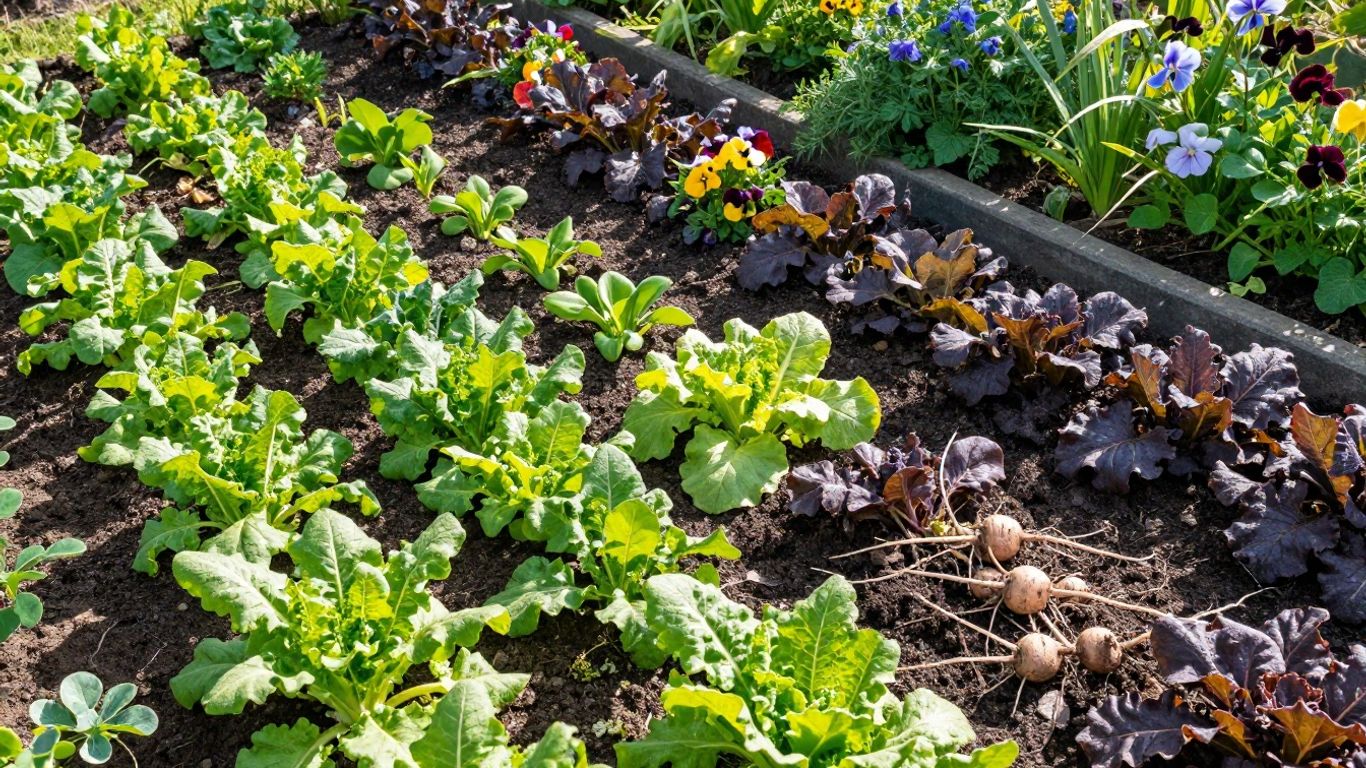
Step 4: Shop with the seasons
Seasonal produce is a natural rotation. It’s often cheaper and at its best flavour.
- Winter: squash, root vegetables, cabbage, citrus, apples, pears.
- Spring: asparagus, peas, radishes, rhubarb, leafy greens.
- Summer: berries, tomatoes, corn, zucchini, peaches, cucumbers.
- Fall: apples, sweet potatoes, Brussels sprouts, beets, cranberries.
Frozen and canned fruits and vegetables count too, and help fill the gaps between seasons.
Step 5: Count plants, not rules
If the 30-plants idea motivates you, make it a light weekly game rather than a strict target. Each different plant food counts once: a mixed bag of salad greens, a spoon of ground flax, a sprinkle of sesame seeds, a can of mixed beans. Quick ways to add more:
- Buy a mixed bag of frozen vegetables or a three-bean mix.
- Top oatmeal with two kinds of fruit and a seed.
- Use a trail mix with several nuts and seeds.
- Add fresh herbs to salads and soups.
- Throw a handful of lentils into pasta sauce.
If you’re adding more fibre-rich foods, increase gradually. Rotating prebiotic foods without distress explains how.
A sample four-week rotation
Here’s how one meal shell, a weeknight grain bowl, can change across a month while the routine stays the same:
| Week | Grain | Protein | Vegetables | Sauce |
|---|---|---|---|---|
| 1 | Brown rice | Chicken | Broccoli, carrots | Peanut-lime |
| 2 | Quinoa | Chickpeas | Cucumber, tomatoes, spinach | Lemon-tahini |
| 3 | Barley | Salmon | Roasted beets, kale | Maple-Dijon |
| 4 | Farro | Black beans | Corn, peppers, cabbage slaw | Salsa and yogurt |
That’s four grains, four proteins and around ten different vegetables in a single meal format.
Signs you’re in a food rut
- You buy the same exact list every week and still feel like “there’s nothing to eat.”
- Produce goes uneaten because nobody’s excited about it.
- You’re ordering takeout more often out of boredom rather than lack of time.
- Most dinners are the same two or three meals.
When you notice these, add one new item from the rotation column, or try a new meal shell for a week.
Keeping it practical
- Write it down. Keep a running list on the fridge or your phone with “core” and “try next” columns.
- Plan the week. Canada’s Food Guide notes that planning what you eat helps you cook more often. Ten minutes on the weekend is enough.
- Buy small amounts of new items. One squash, a small bag of a new grain. If it’s a hit, it can join the staples.
- Use what you have. Before shopping, check the pantry and fridge so rotation foods get eaten rather than forgotten. A pantry reset helps.
- Let others choose. Have each family member pick the week’s “new thing.”
When to check with a professional
If you’ve been limiting foods because of allergies, a digestive condition or a medical diet, talk with your doctor or a registered dietitian before adding new foods. If your food choices have narrowed because eating feels stressful or anxious, reach out to a healthcare provider, or contact NEDIC for support and resources.
Quick takeaways
- Keep about 80% of your shopping list as reliable staples and rotate about 20%.
- Add one or two new foods a week, inside meals you already know.
- Rotate fillings in a few go-to meal formats rather than hunting for new recipes.
- Let the seasons and frozen produce drive variety.
- Count different plant foods across the week as a light, motivating game.
FAQ
Is it bad to eat the same breakfast every day?
Not if it’s balanced and you enjoy it. A steady breakfast can free up energy for variety at other meals. Rotating the fruit, nuts or seeds you add is an easy middle ground.
Does variety cost more?
It doesn’t have to. Swapping one item for another keeps the total similar, and seasonal, frozen and dried foods like beans and grains are budget-friendly ways to add new options.