Trying to figure out what to cook for dinner every night can feel like a real chore, right? And then you get to the grocery store and just wander, grabbing whatever looks good, only to end up with a bunch of stuff you don’t really need. Well, there’s a simpler way. It’s called the 3×3 grocery list method, and it’s pretty neat. The idea is to grab a specific number of items from different food groups to build a solid foundation for lots of meals. It cuts down on decision fatigue and helps you avoid wasting food. Let’s break down how this works.
Key Takeaways
- The 3×3 grocery list method is a shopping framework designed to help you buy versatile ingredients for multiple meals.
- It involves selecting a set number of items from categories like vegetables, proteins, grains, and fruits.
- This approach helps reduce food waste by encouraging the purchase of ingredients that can be used in various dishes.
- It simplifies grocery shopping and meal planning, cutting down on time spent at the store and in the kitchen.
- The method is flexible and can be adjusted to fit individual dietary needs, household size, and preferences.
1. Vegetables
![]()
Alright, let’s talk veggies. This is where we lay the foundation for a lot of our meals, and honestly, it doesn’t have to be complicated. The idea here is to pick a few versatile options that can play different roles throughout your week. Think about what you actually like to eat, too. No point in buying a bunch of kale if you’re just going to let it wilt in the back of the fridge.
We’re aiming for variety and utility. This means grabbing some things that are great for cooking into dishes, maybe something that can be a side, and perhaps even a raw option for snacking or adding crunch to a meal. Don’t shy away from the frozen aisle either; it’s a goldmine for convenience and often cheaper than fresh, without sacrificing nutrition.
Here are a few ideas to get you started:
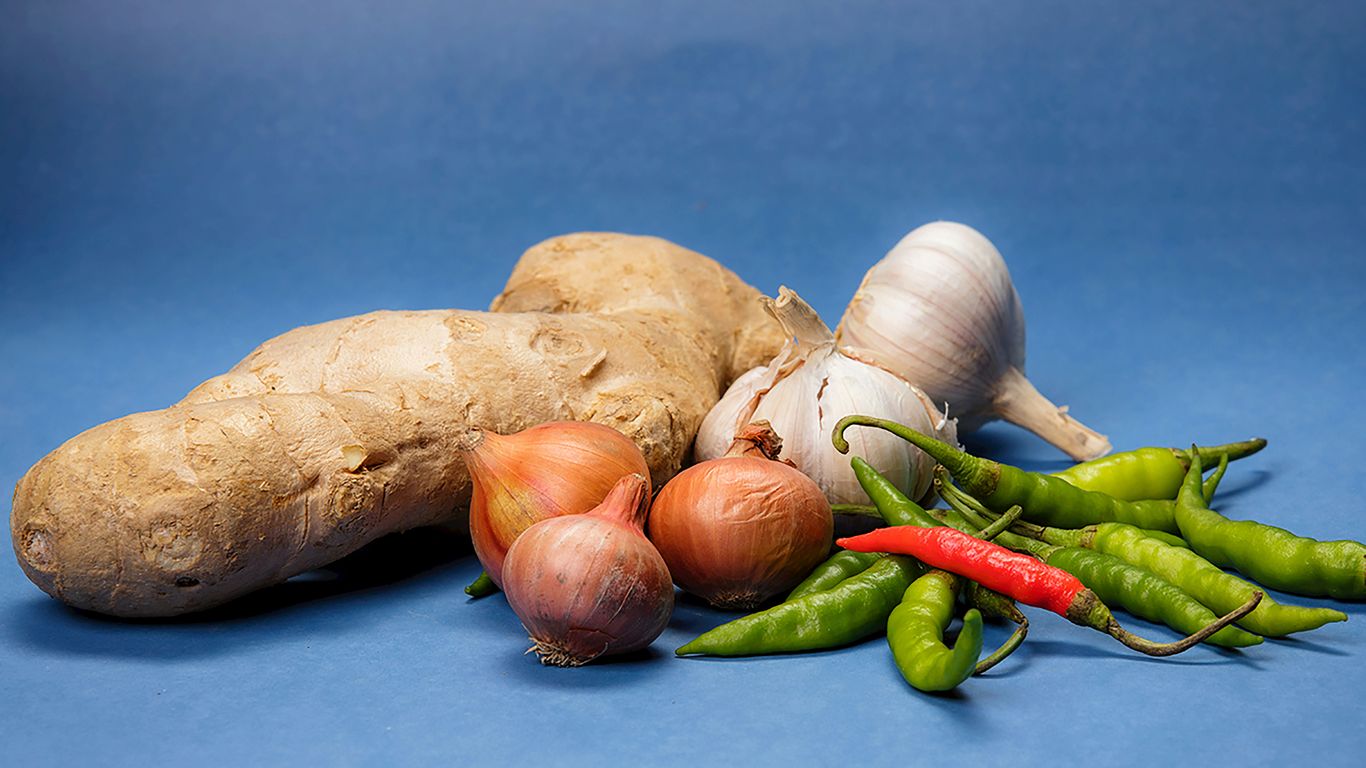
- Aromatic Base: Onions and garlic are practically non-negotiable. They build flavor in almost anything, from stir-fries to soups. You can chop them up and keep them in the fridge for a few days, ready to go.
- Meal-Maker: Broccoli or cauliflower are fantastic. You can roast them, steam them, add them to pasta dishes, or even blend them into sauces. They’re hearty and take on flavors well.
- Snackable/Salad Star: Carrots or bell peppers are good choices here. You can munch on carrot sticks, slice peppers for salads or fajitas, or roast them alongside other veggies.
Remember, the goal isn’t to buy every vegetable under the sun. It’s about picking a few smart choices that give you flexibility. Think about how you cook and what you enjoy, and build from there. A few well-chosen vegetables can really make your meals shine.
2. Protein Sources
When it comes to building meals, protein is your best friend. It keeps you full and satisfied, which is a big win for any meal plan. The 3×3 method suggests grabbing three different protein options for your grocery haul. Think about variety here – maybe one meat-based option, one fish, and one plant-based choice. This way, you’ve got flexibility throughout the week.
For example, you could pick up some chicken breasts, a nice piece of salmon, and a block of extra-firm tofu. Tofu is super versatile; you can bake it, fry it, or crumble it into dishes. Beans and lentils are also fantastic, shelf-stable options that are easy to just toss into salads or soups. Having a mix of proteins ensures you’re getting a good range of nutrients and keeps your meals from getting boring.
Here’s a quick breakdown of what to consider:
- Meat/Poultry: Chicken thighs, ground turkey, lean beef.
- Fish/Seafood: Salmon fillets, canned tuna, shrimp.
- Plant-Based: Tofu, tempeh, black beans, lentils, chickpeas.
Don’t be afraid to explore different types of beans or even pre-cooked meatballs if you’re short on time. The goal is to have options that are easy to prepare and fit into various dishes.
3. Grains
![]()
Grains are the backbone of many meals, providing that satisfying fullness and a good source of energy. For this 3×3 method, we’re aiming for two types of grains to cover your bases throughout the week. Think about what you typically eat for breakfast, lunch, and dinner. Do you love toast in the morning? Maybe some oatmeal? Then for lunch and dinner, you might want something like rice, quinoa, or even pasta.
The key is versatility. Pick grains that can be prepared simply and used in different ways. For instance, a batch of cooked rice can be the base for a stir-fry one night and a side dish for grilled chicken the next. Similarly, a loaf of whole-wheat bread can become toast, sandwiches, or even croutons.
Here are a few ideas to get you started:
- Breakfast Staples: Oatmeal, whole-wheat bread, breakfast cereal (look for lower sugar options).
- Lunch/Dinner Bases: Rice (brown, white, basmati), quinoa, pasta, couscous, farro.
- Quick Additions: Tortillas, pita bread, pre-cooked grains (like microwaveable pouches).
It’s a good idea to batch cook your grains at the beginning of the week. Cook a big pot of rice or quinoa, and you’ll have it ready to go for multiple meals. This saves so much time when you’re rushing to get dinner on the table or pack a lunch. Don’t forget about shelf-stable options too, like pasta or crackers, which can be great to have on hand.
4. Fruits
When it comes to fruits for your 3×3 grocery haul, think about variety and how they fit into your week. You don’t need a whole bunch of different kinds; just a couple of strategic choices can go a long way. One fruit should be something you can easily grab and eat on the go, while another can be a bit more versatile for meals or snacks.
For instance, you might pick up a bunch of bananas. They’re great for a quick breakfast, can be mashed into oatmeal, or blended into a smoothie. Then, maybe grab a bag of apples or a carton of berries. Apples are perfect for slicing and eating as a snack, perhaps with a bit of peanut butter. Berries are fantastic tossed into yogurt, cereal, or even a salad for a pop of sweetness.
Consider what’s in season too. Buying fruits that are currently growing locally often means they’ll be cheaper and taste better. It’s a simple way to save money and get the freshest produce.
Here are a few ideas for your fruit choices:
- Snackable Fruit: Apples, pears, oranges, grapes, berries, melon slices.
- Meal-Friendly Fruit: Bananas (for smoothies/oatmeal), canned peaches (for yogurt), frozen berries (for baking/smoothies).
Don’t overthink it. The goal is to have a couple of easy-to-eat options that add a bit of natural sweetness and nutrients to your day without requiring a lot of prep work. If you see a good deal on something you like, go for it!
5. Dips or Spreads
Okay, so we’ve got our main players, but what about those little extras that really tie a meal together? That’s where dips and spreads come in. They’re not just for chips, you know. Think of them as flavor boosters or binders that can turn a simple plate of veggies into something more exciting, or add a creamy texture to your grain bowls. A good dip or spread can seriously upgrade a meal without adding a ton of extra ingredients.
When you’re picking one out for the 3×3 method, try to think about what you’ll be pairing it with. If you’ve got a bunch of raw veggies for snacking, a classic hummus or a creamy tzatziki is a solid choice. For breakfast, maybe you’re thinking about some banana pancakes? A dollop of almond butter or peanut butter can add protein and healthy fats. It’s all about making those simple ingredients work harder for you.
Here are a few ideas:
- Hummus: Great with raw veggies, as a sandwich spread, or even mixed into a salad dressing.
- Peanut Butter/Almond Butter: Perfect for smoothies, pancakes, or as a dip for apple slices.
- Salsa: Adds a kick to eggs, bowls, or even as a topping for chicken.
- Yogurt (plain or Greek): Can be a base for dips, a topping for fruit, or mixed into grains.
Don’t overthink this one. The goal is to add a little something extra that makes your meals more enjoyable and satisfying. It could be as simple as a jar of salsa you already have or a tub of yogurt. Just make sure it complements the other items on your list.
6. Leafy Greens
![]()
Leafy greens are such a powerhouse for adding nutrients without a lot of fuss. They’re super versatile, too. You can toss them into almost anything – salads, soups, stir-fries, or even blend them into smoothies if you’re feeling adventurous. The key is to pick greens that you actually enjoy eating.
When you’re building your grocery list, think about what you’ll use most. Spinach is a classic for a reason; it wilts down nicely and has a mild flavor. Kale is a bit heartier and holds up well in cooked dishes. Arugula adds a peppery kick that’s great in salads or on top of pizza. Don’t forget about things like Swiss chard or collard greens if you like a more robust flavor.
Here are a few ideas for incorporating them:
- Salads: Mix with other veggies, a protein, and a simple vinaigrette.
- Soups: Stir in a handful during the last few minutes of cooking to add color and nutrients.
- Sautéed: Quickly cook with garlic and a little olive oil for a simple side dish.
- Smoothies: Blend with fruit and your liquid of choice for a nutrient boost.
Picking a couple of different types of leafy greens means you won’t get bored and you’ll cover more nutritional bases. It’s a simple way to make your meals healthier.
7. Snackable Vegetables
Alright, let’s talk about the veggies you can just grab and munch on. These are the ones that don’t need a whole lot of prep, perfect for when you’re in between meals or just need a quick bite. Think about things like baby carrots, cherry tomatoes, or snap peas. Having a go-to snackable vegetable makes it way easier to avoid reaching for less healthy options.
It’s super simple, really. You just need to pick one or two items that fit this bill. Maybe you’re a fan of bell peppers, sliced up? Or perhaps some cucumber sticks? Whatever it is, make sure it’s something you actually enjoy eating raw. It’s all about making healthy choices convenient.
Here are a few ideas:
- Carrot sticks
- Celery sticks
- Bell pepper strips (any color!)
- Cherry tomatoes
- Snap peas or snow peas
Don’t overthink this category. The goal is to have something readily available that requires zero cooking and minimal effort. If it’s already washed and cut, even better. You’re basically setting yourself up for success here.
8. Meal-Pairing Vegetables
Okay, so we’ve got our main players, but what about those veggies that just work with everything else? These are the supporting actors that make your main dishes shine. Think of them as the flavor boosters and texture enhancers that tie your meals together. They’re the unsung heroes of the pantry, making a good meal great.
When you’re building meals, it’s super helpful to have a few go-to vegetables that you know will fit into almost any dish. These aren’t necessarily the stars of the show, but they play a vital role. They can add bulk, a bit of freshness, or a satisfying crunch without demanding their own spotlight.
Here are some ideas for vegetables that pair well with a variety of proteins and grains:
- Onions and Garlic: Honestly, these are foundational. Sautéing them is the first step in so many recipes, adding a depth of flavor that’s hard to beat. You can use them in stir-fries, soups, sauces, or roasted dishes.
- Bell Peppers: Whether you use fresh or frozen, bell peppers add color and a mild sweetness. They’re great in fajitas, omelets, pasta dishes, or just roasted alongside chicken or fish.
- Broccoli and Cauliflower: These cruciferous veggies are incredibly versatile. Steam them, roast them, add them to casseroles, or even blend them into sauces. They hold up well to different cooking methods.
- Cabbage: Shredded cabbage is fantastic for slaws, stir-fries, or as a base for bowls. It adds a nice crunch and holds up well even when cooked.
Having these types of vegetables on hand means you can quickly add more substance and flavor to whatever you’re cooking. It’s about making your meals more complete with minimal extra effort.
Don’t overthink it. The goal here is to grab a couple of these reliable veggies that you know you’ll use. They’re the workhorses that help you stretch your ingredients and make your meals more interesting without adding a lot of complexity to your shopping list.
9. Frozen Vegetables
Frozen vegetables are a total game-changer for quick meals. Seriously, they save so much time and effort. You just grab them from the freezer, and they’re usually already washed and chopped. This means less prep work for you, which is a big win when you’re trying to get dinner on the table fast.
They’re just as good for you as fresh ones, too. The freezing process locks in nutrients, so you’re not missing out on any of the good stuff. Plus, they last way longer than fresh veggies, so you can keep a good stock without worrying about them going bad.
Think about it: instead of spending time washing and chopping broccoli or peas, you can just toss them straight into a stir-fry, soup, or pasta sauce. It makes cooking so much more approachable, especially on busy weeknights. You can even roast some frozen veggies, like corn or mixed vegetables, right on a baking sheet for a simple side dish. It’s all about making healthy eating easier.
Using frozen vegetables means you can always have a variety of produce on hand, regardless of the season. This helps prevent food waste and ensures you have healthy options available whenever you need them.
When you’re looking for healthy meal options, don’t forget about frozen vegetables! They are just as good for you as fresh ones and are super convenient for quick meals. Stocking up on these can make healthy eating a breeze. Want to learn more about making smart food choices? Visit our website today!
Wrapping It Up
So there you have it – nine staple foods that can really get you going in the kitchen. This whole 3×3 method is pretty neat, right? It takes the guesswork out of grocery shopping and helps you build meals without a super strict plan. You end up with less food waste and, honestly, it just makes getting dinner on the table feel a lot less like a chore. Give it a try next time you hit the store; you might be surprised at how much easier it makes things.
Frequently Asked Questions
What is the 3×3 Grocery Method?
The 3×3 Grocery Method is a simple way to shop for food. You pick three types of veggies, three kinds of protein, two grains, two fruits, and one dip or spread. It helps you get a good mix of healthy foods without having to make a long, complicated list.
How does this method help with meal planning?
This method makes meal planning easier because you’re buying versatile foods that can be used in many different meals. Instead of buying ingredients for just one recipe, you get items that can be mixed and matched throughout the week, helping you create about 20 balanced meals.
Why three vegetables?
Getting three different kinds of vegetables is a key part of the plan. It’s suggested to pick one that goes well with a main dish (like broccoli with chicken), one leafy green for salads or sandwiches (like spinach), and one veggie that’s good for snacking on its own (like carrots).
Are frozen vegetables okay to use?
Absolutely! The frozen aisle is a great place to find veggies. They are just as healthy as fresh ones, often cheaper, and super convenient. Plus, they last longer, which means less food waste.
What counts as a protein source?
Protein is important for feeling full and building muscles. Your three protein choices could include things like chicken, fish, beans, tofu, eggs, or even Greek yogurt. The goal is to have a few different options to rotate through your meals.
Can this method help save money?
Yes, it can! By focusing on a set number of items and choosing versatile ingredients, you’re less likely to buy things you don’t need. This helps prevent food from going to waste and can lower your overall grocery bill.
What kind of dip or spread should I get?
The single dip or spread is meant to add flavor and make meals more interesting. Think about things like hummus, peanut butter, salsa, or a favorite salad dressing. It can also be used as a base for sauces or to add moisture to dishes.
Is this method good for families or just individuals?
While the 3×3 method is a great starting point, it can be adjusted. If you have a larger family, you might want to get a bit more of certain items, like more protein or veggies. The main idea is the balance and the variety it brings to your shopping cart.