
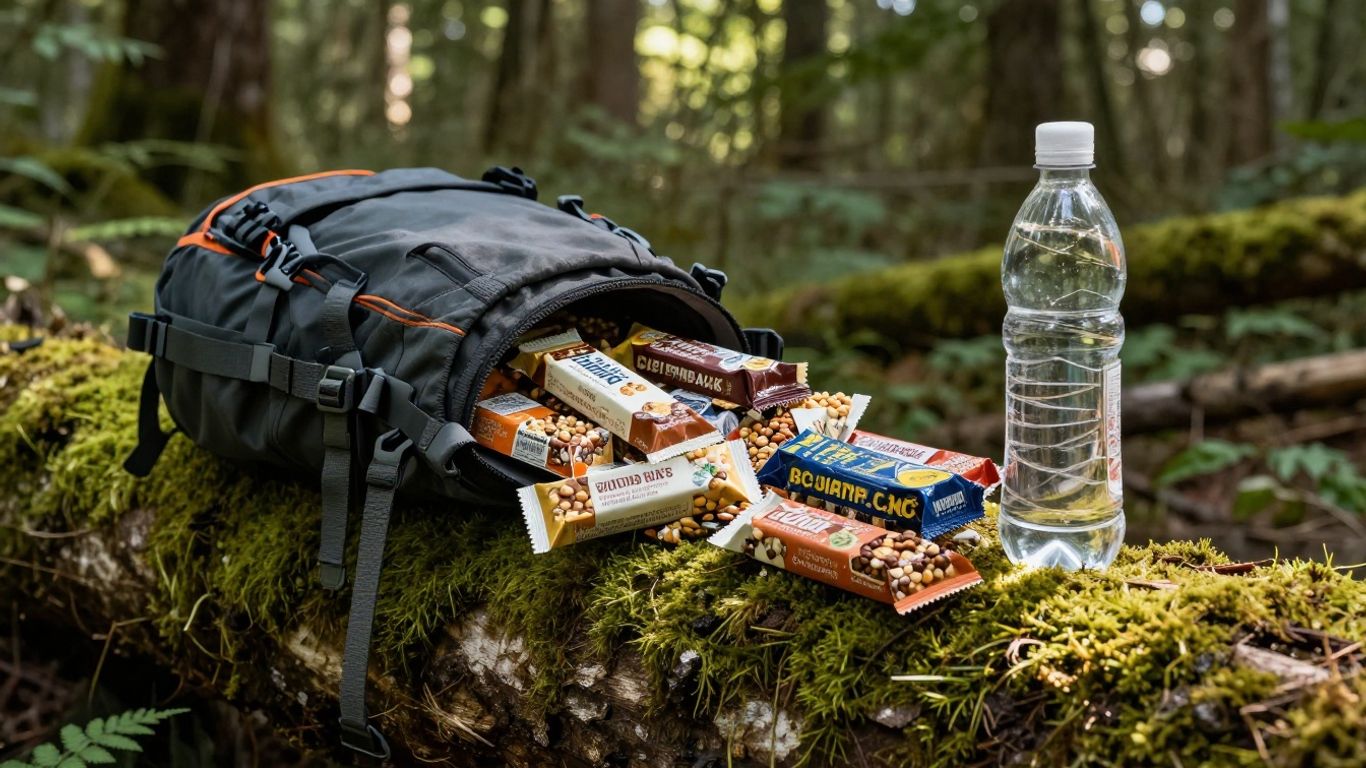
Fuel a hike in three stages: eat a familiar, carbohydrate-based meal a couple of hours before you start, snack a little and sip water regularly while you walk, and have a meal with carbohydrate and protein when you finish. The longer, hotter or steeper the trail, the more food and fluid you need to carry.
Here is how to plan food and water for anything from a two-hour loop to a full day on the trail.
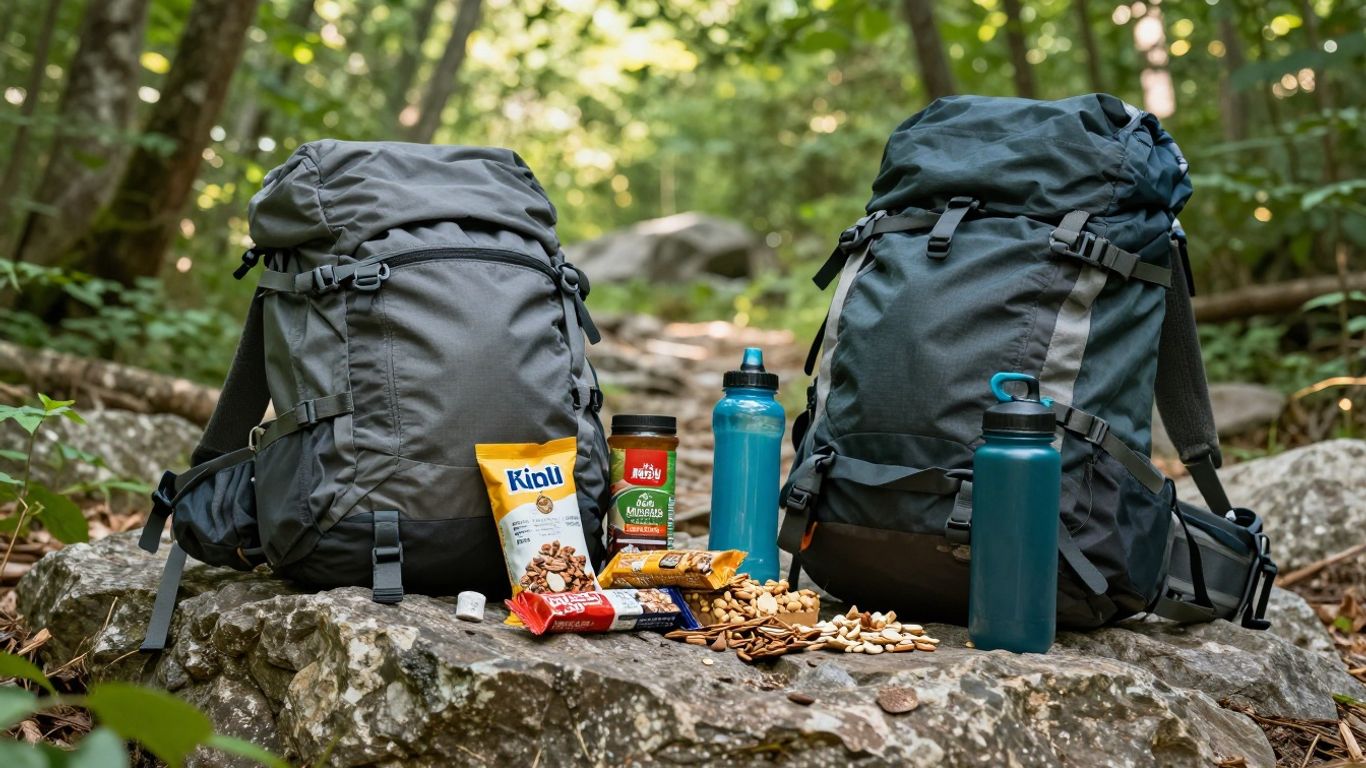
Before the hike: start fuelled and hydrated
The American College of Sports Medicine’s position on exercise and fluid replacement says the goal is to begin activity well hydrated, and that if you need to drink extra beforehand, you should start several hours ahead so your body has time to absorb it. In practice:
- The night before: eat a normal dinner with a good portion of starch (rice, pasta, potatoes, bread) and drink fluids through the evening.
- 2 to 3 hours before: eat a familiar breakfast that is mostly carbohydrate with some protein, such as oatmeal with milk and fruit, toast with eggs, or yogurt with granola.
- Before you leave the car: drink a glass of water and use the washroom.
Keep fat and fibre moderate in the pre-hike meal if you have a sensitive stomach. A huge greasy breakfast right before a steep climb is a common cause of a heavy, sluggish first hour.
On the trail: small amounts, often
Most hikers do better with a small snack every hour or so than with one big lunch. Steady intake helps you avoid the sudden energy dip that shows up as heavy legs, irritability or clumsy footing.
A simple snack rhythm
- Set a reminder for roughly every 45 to 60 minutes, or tie it to landmarks such as viewpoints, junctions or water crossings.
- Eat a small handful of something mainly carbohydrate.
- Sip water at the same time.
- On longer hikes, have a more substantial stop (a wrap or sandwich) around the halfway point.
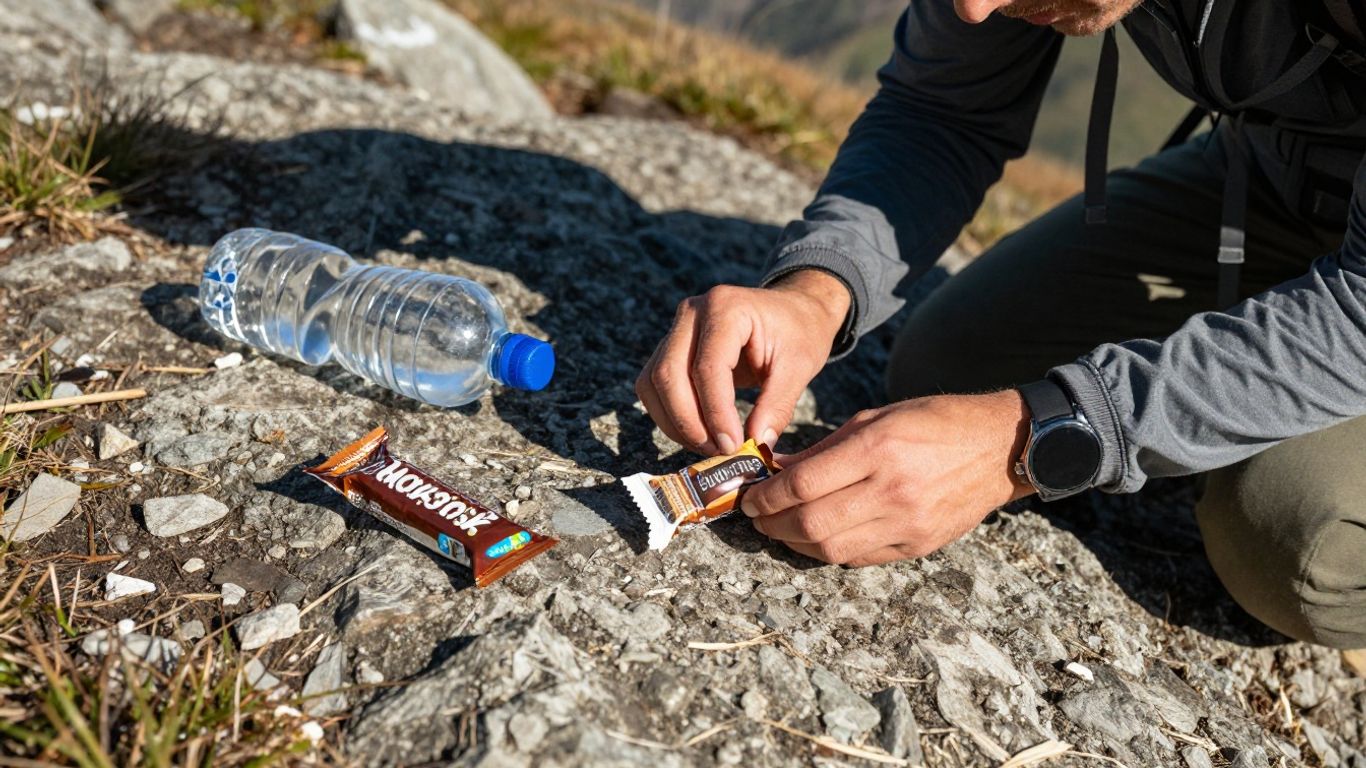
Portable foods that work
Good trail food is light, does not crush or melt easily, and is something you like eating when you are tired. Mix the three macronutrients so you get quick energy and staying power.
| Type | Why it helps | Trail-friendly examples |
|---|---|---|
| Quick carbohydrate | Fast energy for climbs | Dried fruit, bananas, fig bars, pretzels, rice cakes, granola bars |
| Protein | Helps you feel satisfied and supports recovery | Roasted chickpeas, edamame, cheese sticks, tuna packets, peanut butter, jerky |
| Fat | Packs a lot of energy into a small weight | Nuts, seeds, nut butter packets, trail mix, hard cheese |
| Mini-meals | Lunch on longer hikes | Tortilla with nut butter and banana, hummus and veggie wrap, cold pasta or rice salad |
For more ideas that travel well, see portable proteins beyond jerky.
Keep perishables safe
Cheese, yogurt, sandwiches with meat or egg, and cut fruit warm up fast in a pack. Health Canada advises keeping cold food at or below 4°C and not leaving it at room temperature for more than one hour on hot days. On a warm-weather hike, eat perishables early, pack them next to a frozen water bottle, or choose shelf-stable options for later in the day.
Hydration timing on the trail
The ACSM statement points out that sweat rates vary widely between people, and that the goal while exercising is to avoid large fluid losses rather than to hit a fixed number. That is why the most useful plan is personal:
- Sip regularly rather than gulping a lot at once, especially on climbs.
- Carry more than you think on hot days, at higher elevations, or on routes with no reliable water source.
- Check your urine: the NHS suggests aiming for a clear pale yellow colour and notes that you may need more fluid in hot environments or when active for long periods.
- Learn your own needs. ACSM notes you can estimate sweat loss by weighing yourself before and after exercise. Doing this once on a training hike tells you a lot.
Electrolytes
On long, sweaty hikes you lose salt as well as water. The ACSM statement notes that drinks containing electrolytes and carbohydrate can help more than water alone in some situations. Salty snacks (pretzels, salted nuts, crackers) and an electrolyte drink mix are both reasonable options. Our article on electrolytes from food covers food-based choices.
Adjust for terrain, heat and altitude
- Steep or rugged trails burn more energy per hour. Pack extra snacks and plan an extra stop.
- Hot weather raises fluid needs. Start early, rest in shade, and carry extra water.
- Cold weather can blunt thirst even though you still lose fluid through breathing and sweat. Keep drinking, and consider an insulated bottle with a warm drink such as herbal tea or hot chocolate.
- Higher elevations often reduce appetite. Small, appealing snacks are easier to eat than a large meal.
After the hike: recover and refuel
A joint position statement from the American College of Sports Medicine, Dietitians of Canada and the Academy of Nutrition and Dietetics notes that recovery is improved by well-chosen nutrition, including the timing of food and fluids. For a hiker, that means:
- Drink water or milk when you get back to the car.
- Eat a meal or snack with carbohydrate and protein within a couple of hours, such as a bean and rice bowl, a chicken or egg sandwich, or a smoothie made with yogurt and fruit.
- Add vegetables and fruit at the next meal.
Keep a “car kit” (water, a recovery snack, and a cooler with a sandwich or smoothie) so you are not driving home hungry and stopping for whatever is closest.
When to check with a professional
If you have diabetes, heart or kidney conditions, take medications that affect fluid or blood sugar, or are pregnant, ask your doctor or a registered dietitian how to plan food and fluid for long hikes. On the trail, signs of heat exhaustion (dizziness, headache, nausea, cramps, intense thirst) mean stop, get into shade, drink and cool down. Confusion, hot dry skin or collapse need emergency help.
Quick FAQ
How much food should I bring on a day hike?
Plan a small snack for every hour you expect to be moving, a mini-meal for hikes longer than about four hours, and one extra snack in case the hike takes longer than planned.
Is it better to drink a lot before I start so I can carry less?
Not really. Drinking a large amount right before you start mostly leads to washroom stops. Start well hydrated from the day before, then sip steadily along the trail.
What if I get hungry but don’t feel like eating?
Try something small, cool and easy, such as orange segments, dried fruit or a few crackers. Fatigue and heat often blunt appetite, but a few bites can bring your energy back.
Hike fuelling checklist
- Carbohydrate-based meal 2 to 3 hours before
- Water at the trailhead
- A snack about every hour, plus a mini-meal on long routes
- More water than you expect to need, plus salty snacks or electrolytes for hot or long days
- Perishables eaten early or kept cold
- Carbohydrate-plus-protein meal after you finish