
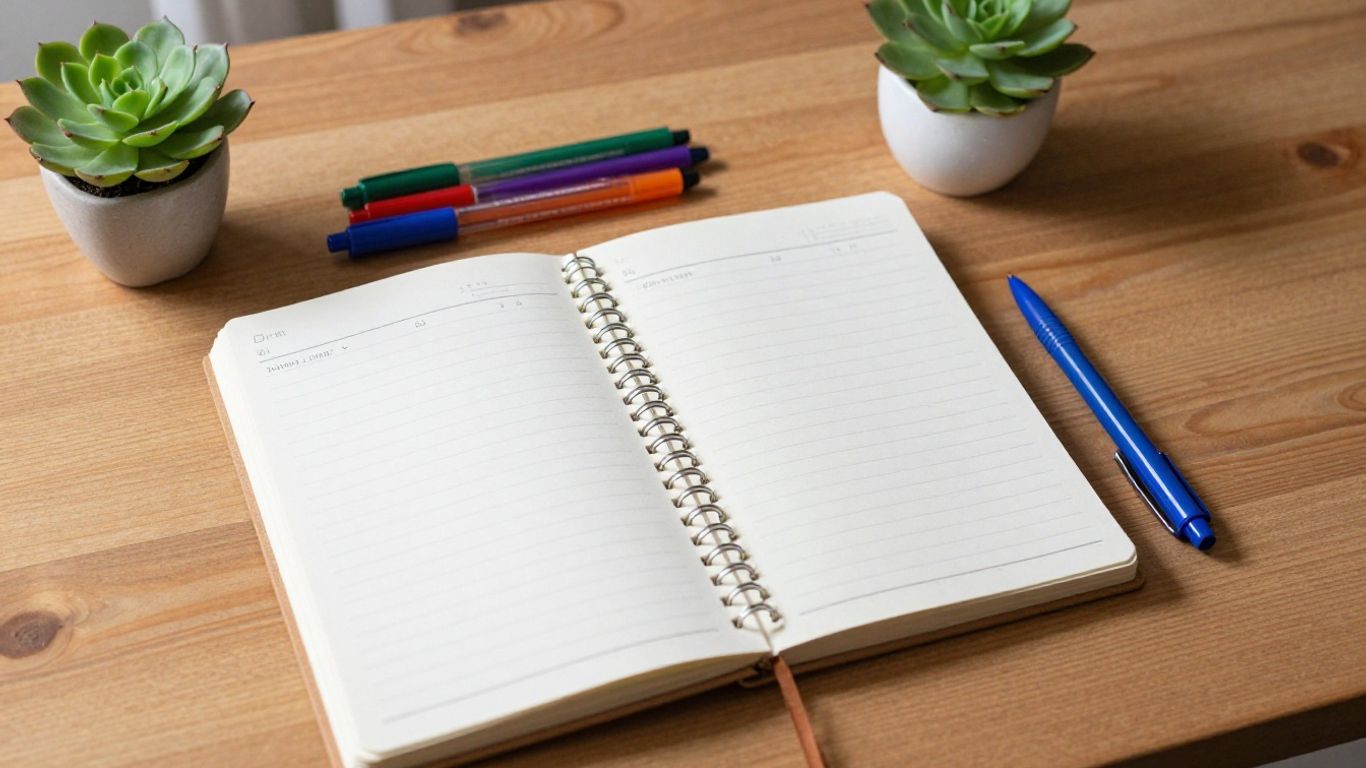
A paper planner works for health goals when it holds three things in one place: your schedule with health tasks blocked in, a simple habit tracker, and a weekly page for planning meals and reviewing how things went. Choose a size you will carry, set up a few sections once, and spend five minutes a day and 20 minutes a week using it. Keep it simple enough that you never skip it because it feels like work.
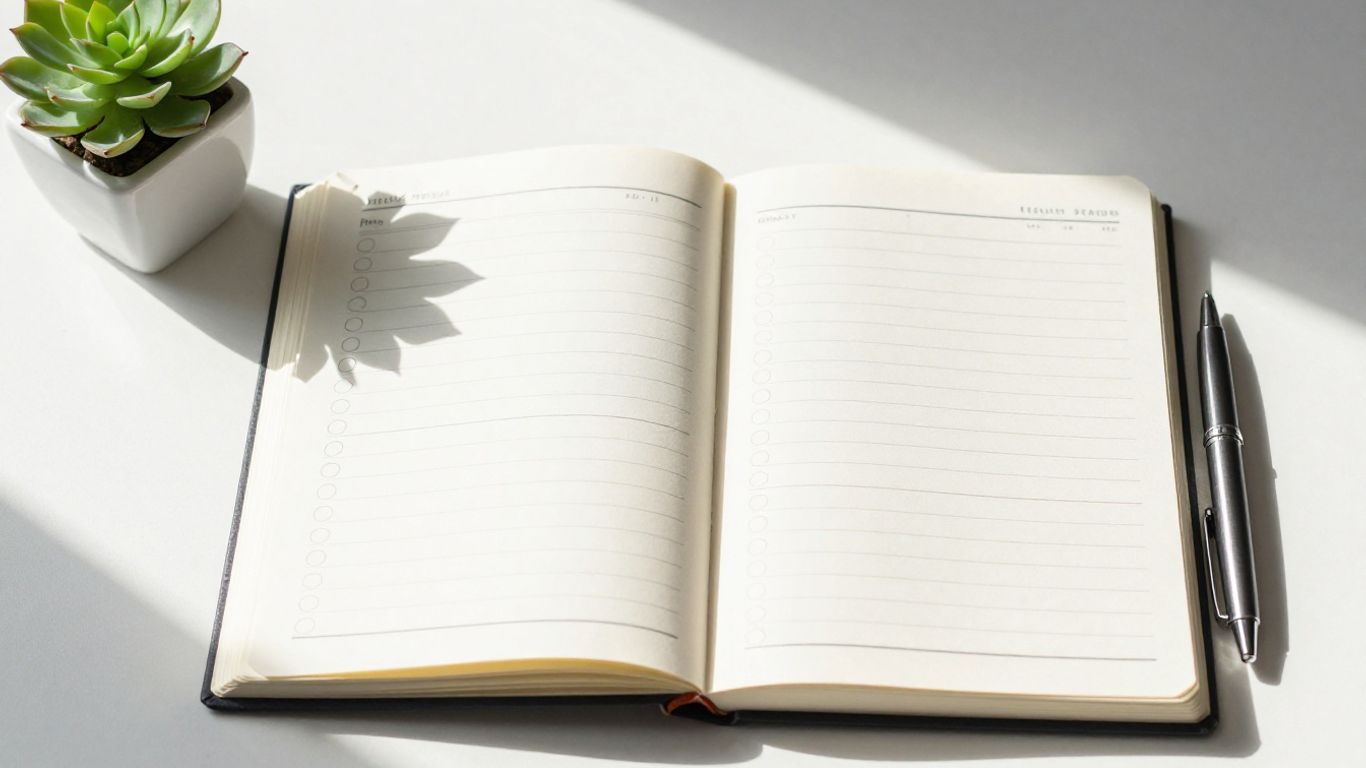
Why paper still works
Writing by hand slows you down enough to think about your plans, and a planner on the counter does not ping you with notifications. It also makes self-monitoring easy. A systematic review of behavioural weight-loss studies found a consistent link between self-monitoring of diet, exercise or weight and weight loss, and the paper diary was the most common method used, although the authors rated the evidence quality as weak (Burke et al., Self-monitoring in weight loss, 2011).
Step 1: Choose the right planner
| Feature | What to consider |
|---|---|
| Size | A5 or similar fits in a bag; a larger desk planner gives more room but stays home |
| Layout | Weekly spreads show the whole week at once; daily pages give room for detail |
| Dated or undated | Undated pages let you start any time and skip weeks without wasting paper |
| Binding | A ring binder or disc system lets you add, move and remove pages |
| Extras | A pocket, ribbon marker and a few blank or grid pages for trackers |
A simple weekly planner with some blank pages at the back is enough for most people.
Step 2: Set up the core sections
Front pages: your reference
- Your two or three current health goals, written as habits (“walk 30 minutes, 5 days a week”).
- A short list of go-to meals and snacks.
- Your weekly exercise plan template.
- Key appointment dates and any medication or supplement schedule your doctor has given you.
Weekly spread: your plan
- Block workouts and walks into specific time slots, like appointments.
- Write the dinner plan for each night in a corner of the day.
- Add a small grocery list section.
- Leave one line per day for a quick note on energy, mood or sleep.
Back pages: your trackers
- A monthly habit tracker grid.
- A page for weekly reviews.
- Optional: a page for measurements or progress notes, if that is helpful for you and does not cause stress.
Use the pocket for things you want close at hand: your grocery list, a printed recipe, or an encouraging note.
Step 3: Build a simple habit tracker
Draw a grid with the days of the month across the top and three to five habits down the side. Fill in a box each day you do the habit. Good habits to track:
- Movement (minutes or a check)
- Vegetables at two meals
- Water with each meal
- Lights out by your target time
- A daily planning moment
Keep the list short. Tracking ten habits quickly becomes a chore. A row of filled boxes is also motivating in itself.
Step 4: Plan your meals in the planner
Canada’s Food Guide says planning what you eat helps you make healthier choices, save time grocery shopping and prepare meals with less stress. It suggests blocking out time to plan, jotting down meal ideas as you find them and keeping past meal plans and favourite recipes to reuse (Canada’s Food Guide: plan what you eat). A planner is a natural place to keep all of that: this week’s plan on the weekly spread and past plans you liked on the back pages.
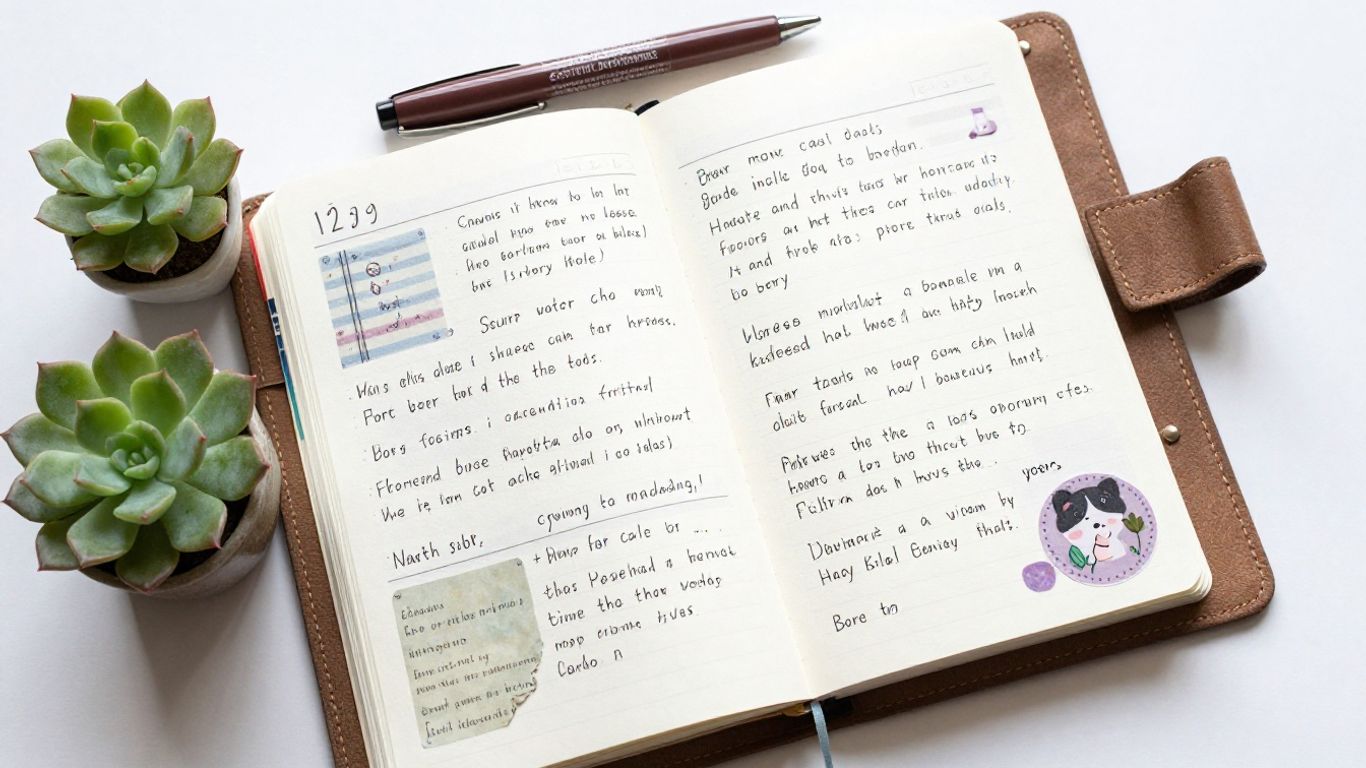
Step 5: Create planning rituals
Morning (2 to 3 minutes)
- Look at today’s schedule and your workout slot.
- Confirm what is for dinner and whether anything needs to come out of the freezer.
- Write one health priority for the day.
Evening (2 to 3 minutes)
- Fill in today’s habit tracker boxes.
- Write a one-line note: what went well, what got in the way.
- Glance at tomorrow and set out anything you need, such as walking clothes or a packed lunch.
The evening check-in also helps your sleep routine. The CDC recommends keeping a consistent bedtime and wake time and turning off electronic devices at least 30 minutes before bed (CDC: about sleep). Paper planning is a good screen-free activity for that window.
Weekly (15 to 20 minutes)
- Review last week’s tracker and notes.
- Decide one small adjustment for the coming week.
- Block your workouts and plan dinners.
- Write the grocery list.
For more on review rhythms, see Review Cadence: weekly, monthly, and quarterly cycles.
Small tricks that make it easier
- Pencil first, pen to confirm. Plan in pencil, then ink in what actually happened.
- Plan your ideal week once. Sketch a template week with workouts, meal prep and bedtime, then copy it forward and adjust.
- Use colour sparingly. One colour for movement and one for meals is enough.
- Keep it visible. Leave it open on the counter or desk, not in a drawer.
- Remove old pages. In a ring or disc planner, take out finished weeks to keep it light, and keep any private health notes at home.
A sample weekly review page
| Question | Example answer |
|---|---|
| What went well? | Walked 4 of 5 days; packed lunch 3 times |
| What got in the way? | Two late evenings; no dinner plan for Thursday |
| One change for next week | Plan a 15-minute backup dinner for busy nights |
| Workouts booked | Mon, Wed, Fri walks; Tue, Sat strength |
Add a little motivation
A favourite quote or scripture verse on the inside cover, a short list of reasons your goals matter to you, or a small vision page with pictures of activities you want to enjoy can help on low-motivation days. Keep it personal and brief. If a checklist format suits you, see Checklist Design That You’ll Actually Use.
If you miss days
Everyone does. Skip the blank days rather than trying to fill them in from memory, and pick up again today. The planner is there to help you, not to grade you. If tracking food or weight starts to feel stressful or obsessive, stop tracking those items and talk with your healthcare provider; NEDIC (nedic.ca) also offers support.
Key takeaways
- Pick a planner you will carry, with a weekly spread and some blank pages.
- Set up three sections: reference pages, weekly plan and trackers.
- Track three to five habits, not more.
- Use quick morning and evening check-ins and a 20-minute weekly review.
- Plan meals and workouts in the same place so they fit around your schedule.
FAQ
Is a paper planner better than an app?
Neither is better for everyone. Paper suits people who like writing things down and want fewer screens; the best tool is the one you will use.
How much time does this take?
About five minutes a day and 15 to 20 minutes once a week.