
An implementation map is a one-page plan that turns a health goal into an ordered set of steps, lists what you need to carry out each step, and names the likely obstacles before they happen. It answers three questions: what do I do first, what do I need, and what could knock me off course? Here is how to build one for eating, movement or weight goals.
Why a map beats a resolution
Goals like “lose weight” or “eat healthier” describe where you want to end up but not how to get there. Behaviour change research points to a few ingredients that make the difference: small, specific actions, repeated in a consistent context, with plans for setbacks. A review of habit formation in health behaviour found that simple actions tied to a daily cue became more automatic over time, with automaticity levelling off after an average of about 66 days, and much variation between people. An implementation map is a practical way to pull those ingredients onto one page.
Part 1: Sequence — what comes first
Trying to overhaul breakfast, lunch, dinner, exercise and sleep in the same week usually ends with all of it dropped. Instead, put your changes in order.
Pick your first domino
Choose the change that is easiest to start and makes other changes easier. For many people this is one of:
- A reliable breakfast with protein, which can reduce mid-morning grazing
- A weekly meal plan, which makes groceries and dinners simpler
- A consistent bedtime, which supports energy for everything else
- A daily walk, which is low-cost and easy to scale up
Our guide to keystone habits can help you choose.
Stage the rest in phases
Give each new habit about two to four weeks before adding the next. That is not a magic number; it is simply enough time to find out whether the first change is holding before you pile on more.
| Phase | Focus | Example action |
|---|---|---|
| Weeks 1–3 | Breakfast | Eat a breakfast with protein on workdays |
| Weeks 4–6 | Planning | Plan four dinners every Sunday |
| Weeks 7–9 | Movement | Walk 20 minutes after dinner, four days a week |
| Weeks 10–12 | Evenings | Close the kitchen by 8 p.m. with a herbal tea routine |
Define “done” for each step
Each step needs a clear finish line you can check: “four breakfasts with protein this week,” not “better breakfasts.” That way you know when to move to the next phase.
Part 2: Resources — what each step needs
Many plans stall because a step needs something you don’t have ready. For each phase, list what it will take.
- Time: When exactly will this happen? Put it in your calendar.
- Food and equipment: Groceries, containers, a lunch bag, walking shoes, a rain jacket.
- Skills: A few easy recipes, knowing how to read a nutrition label, a simple strength routine.
- People: Who can help, join you, or take a task off your plate? A family member who handles dishes on your walk nights counts.
- Money: Will this change your grocery bill? Plan for frozen vegetables, canned beans and other budget staples if needed.
- Energy: Is this step scheduled at a time you realistically have the energy for it?
If a resource is missing, getting it becomes the first task of that phase. “Buy lunch containers” is a perfectly good week-one action.
Part 3: Risks — what could knock you off course
A risk log is simply a list of the situations most likely to derail you, with a plan for each. The NIH’s guide to changing habits for better health recommends planning ahead for setbacks and tracking your progress so you can spot where to adjust.
Rate each risk by likelihood and impact
You don’t need a fancy chart. Mark each risk high or low on two scales: how likely is it, and how much would it throw you off? Spend your planning energy on the risks that score high on both.
| Risk | Likelihood | Impact | Plan |
|---|---|---|---|
| Late meeting, no dinner plan | High | High | Keep two 10-minute pantry meals ready |
| Rainy evening, walk skipped | High | Medium | Indoor 10-minute routine |
| Family birthday party | Medium | Low | Eat a normal meal beforehand, enjoy cake, no “making up for it” |
| Sick kid, no sleep | Medium | High | Pause new habits, keep only breakfast and water |
| Travel week | Low | High | Pack snacks, choose one daily walk |
Turn plans into if-then statements
Write each plan as “If [situation], then I will [action].” A meta-analysis of 23 studies found that these implementation intentions helped people add healthy foods to their diet, with smaller effects for cutting back on unhealthy snacks. For a deeper walkthrough, see if-then planning for high-risk windows.
- If I get home after 7 p.m., then I’ll make eggs on toast with a bagged salad.
- If it’s raining at walk time, then I’ll do my 10-minute indoor routine.
- If I miss two days, then I restart with the smallest version on day three.
Putting your map on one page
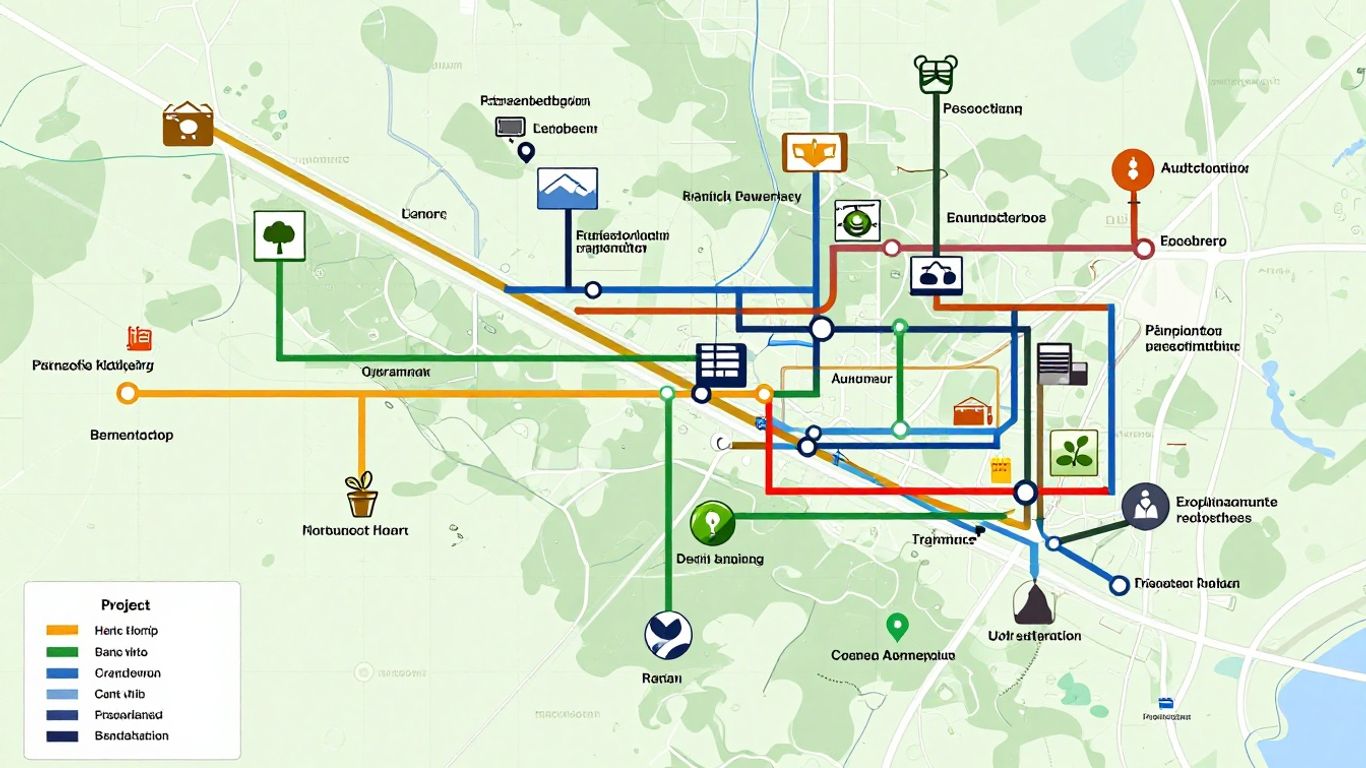
Use this layout on paper or in a notes app:
- Goal: One sentence about what you want and why it matters to you.
- Phases: Three or four steps in order, each with a “done” definition.
- Resources: What each phase needs, with any missing item as a task.
- Risks: Your top three to five, each with an if-then plan.
- Check-in: A weekly time to review progress.
A worked example
Here is how one completed map might read for someone who wants to eat more vegetables and snack less in the evening.
- Goal: Feel more energetic and stop the after-dinner snacking that leaves me sluggish in the morning.
- Phase 1 (weeks 1–3): Add a vegetable to lunch on workdays. Done = four lunches a week with a vegetable.
- Phase 2 (weeks 4–6): Plan four dinners on Sunday. Done = three weeks in a row with a written plan.
- Phase 3 (weeks 7–9): After dinner, tidy the kitchen and make a herbal tea. Done = five evenings a week.
- Resources: Lunch containers, pre-washed salad, a Sunday reminder, a box of herbal tea, a family member to help with dishes.
- Top risks: Late workdays (pantry meal plan), weekend events (eat normally, return Monday), low motivation after a bad week (restart with phase 1 only).
- Check-in: Sundays at 4 p.m., ten minutes.
Keep a change log
Your map will change, and that’s the point. When you adjust it, jot down what you changed and why: “Moved walks to mornings because evenings kept getting cancelled.” Over a few months, this short log shows you patterns about what actually works for your life.
Weekly check-in questions
- Which actions did I complete, and how many times?
- Which risk showed up, and did my plan work?
- Is a resource missing?
- Am I ready for the next phase, or do I need more time on this one?
When to check with a professional
If your plan involves significant weight loss, a medical condition such as diabetes or heart disease, new medications, or a big jump in physical activity, talk with your doctor or a registered dietitian first. They can help you set safe targets.
Takeaways
- Sequence: start with one easy, high-impact habit and add the next only when it holds.
- Resources: list the time, food, gear, skills and people each step needs.
- Risks: name your top derailers and write an if-then plan for each.
- Review weekly and record changes so the map keeps getting more accurate.