Love My Weight

Celebration Design: ritualize wins to lock in identity

We all go through life, marking moments big and small. But sometimes, we just go through the motions, right? This article explores how intentionally designing these moments, through something called celebration design, can really help us connect with what matters. It’s about turning everyday events and big milestones into meaningful rituals that shape who we are and how we connect with others. Think of it as adding punctuation to the story of your life, making sure the important parts really stand out.

Key Takeaways

  • Celebration design involves creating intentional rituals to mark life’s moments, helping to solidify personal identity and values.
  • Rituals can transform difficult experiences like grief into meaningful celebrations, honoring loss while fostering connection.
  • Modern life can benefit from adapting traditional rituals or creating new secular ones for personal and community growth.
  • Engaging in rituals offers psychological benefits, such as easing grief, strengthening community ties, and providing deeper life insights.
  • Thoughtfully designed rituals reinforce core values, create shared meaning within groups, and make memories more distinct and lasting.

The Enduring Power Of Celebration Design

Rituals As Anchors For Identity

Think about it: life throws a lot at us. Big moments, small moments, happy times, tough times. We move through them, often on autopilot, and then they’re just… past. But what if we could give these moments more weight, more meaning? That’s where celebration design comes in. It’s about intentionally marking the significant events in our lives, turning fleeting experiences into lasting memories that shape who we are. Historically, cultures have always had ways to do this, from ancient rites of passage to regular community gatherings. These weren’t just parties; they were structured ways to acknowledge change, celebrate achievements, and process losses. They acted like anchors, grounding individuals and communities in shared values and a collective story.

Embodying Personal Narratives Through Ritual

We all have stories we tell ourselves about our lives. Celebration design helps us make those stories more real, more tangible. It’s not just about remembering an event, like a birthday or an anniversary, but about embodying its significance. This means creating specific actions, symbols, or gatherings that reflect what that moment truly means to you or your group. For example, instead of just a quick dinner for a work anniversary, a company might create a ritual that involves sharing stories of past successes and acknowledging the contributions of the person being honored. This active participation helps solidify the meaning of the event, making it a part of your personal or collective identity rather than just another date on the calendar.

Bridging Past And Present With Intentional Practices

Many of us feel a disconnect from older traditions, or perhaps we haven’t developed new ones that fit our modern lives. Celebration design offers a way to bridge this gap. It’s about taking the wisdom of past practices and adapting them, or creating entirely new ones, to fit our current realities. This isn’t about rigidly sticking to old ways, but about understanding the purpose behind them – to connect, to acknowledge, to grow. By consciously designing these practices, we can ensure that our celebrations and acknowledgments are not just hollow gestures, but meaningful experiences that connect us to our history, our values, and each other, making the present moment richer and more significant.

Crafting Meaningful Milestones

Life is a collection of moments, big and small. Some are obvious celebrations, like birthdays or graduations, while others are quieter, more personal markers. The way we acknowledge these events, the rituals we create around them, can profoundly shape how we experience and remember them. It’s about moving beyond just going through the motions and intentionally marking what matters.

Transforming Grief Into Celebration

It might sound counterintuitive, but even in times of loss, there’s a space for celebration – not of the loss itself, but of the life lived and the memories cherished. Think about how families might light lanterns on an anniversary of a loved one’s passing, or share stories and favorite recipes. These aren’t about forgetting the sadness, but about finding a way to honor the person and the impact they had. It’s about acknowledging that even in grief, there’s a continuation of love and connection.

Honoring Loss With Cultural Resonance

Different cultures have long-established ways of marking loss, from elaborate ceremonies to quiet, personal reflections. These traditions often carry deep meaning, connecting us to a larger community and a shared human experience. For instance, the Qingming Festival in Chinese culture is a time to honor ancestors, involving sweeping graves and offering food. These practices provide a framework for processing grief and maintaining a sense of connection across generations. Even if we don’t follow a specific cultural tradition, we can draw inspiration from them to create our own meaningful ways to remember.

The Spectrum Of Mourning: Solemnity To Joy

Mourning isn’t a one-size-fits-all experience. It exists on a spectrum, and our rituals can reflect that. Some moments call for quiet solemnity, a time for deep reflection and personal sorrow. Other times, it might feel right to gather with others, share laughter, and celebrate the joy that person brought into the world. There’s no single ‘correct’ way to grieve or to remember. The key is to find practices that feel authentic and supportive for you and your community. The goal is to create space for all the emotions that come with loss, acknowledging both the pain and the enduring love.

  • Acknowledge the absence: Simple acts like setting an extra place at the table or leaving a favorite item out can be powerful reminders.
  • Share memories: Gather photos, videos, or simply talk about favorite stories and funny anecdotes.
  • Create a symbolic act: This could be planting a tree, releasing balloons, or creating a piece of art together.
  • Establish a recurring practice: Whether it’s an annual gathering, a monthly check-in, or a yearly quiet reflection, consistency can provide comfort.

Rituals In The Modern Landscape

Adapting Traditions For Contemporary Life

It feels like the world is spinning faster these days, right? With all the changes happening – think urbanization, new tech, and just different ways of thinking – old traditions can sometimes feel a bit out of place. It’s not that people don’t care about them anymore, but fitting a multi-day mourning period into a busy work schedule or a long-distance move can be tough. So, we’re seeing a lot of people tweak things. Maybe it’s a smaller, more personal funeral, or a way to remember ancestors that doesn’t involve a big, formal ceremony. The goal is to keep the heart of the tradition alive, even if the shape of it changes. It’s about finding ways to connect with what matters, even when life looks different than it did for our grandparents.

Secular Rituals For Personal And Collective Growth

Not everyone connects with religious or long-standing cultural practices, and that’s totally okay. Lots of people are creating their own rituals now, outside of traditional religious frameworks. These could be anything from a weekly family dinner where everyone shares something good that happened, to a yearly hike to a special place to reflect on the past year. These secular rituals help us mark important moments, feel connected to each other, and give us a sense of purpose. They’re like personal touchstones that help us make sense of our lives and grow.

The Role Of Ritual Designers

Because so many people are looking for meaningful ways to mark life’s events, there’s a growing field of people who help design these experiences. These aren’t your typical event planners. Ritual designers work with individuals or groups to figure out what’s important to them and then help create ceremonies or practices that feel authentic and significant. They might help a family create a unique way to celebrate a graduation, or assist a community in developing a new tradition for remembering local history. They’re basically guides, helping people translate their feelings and values into tangible actions. It’s a pretty cool job, helping people find deeper meaning in everyday life and big milestones alike.

The Psychological And Social Impact Of Ritual

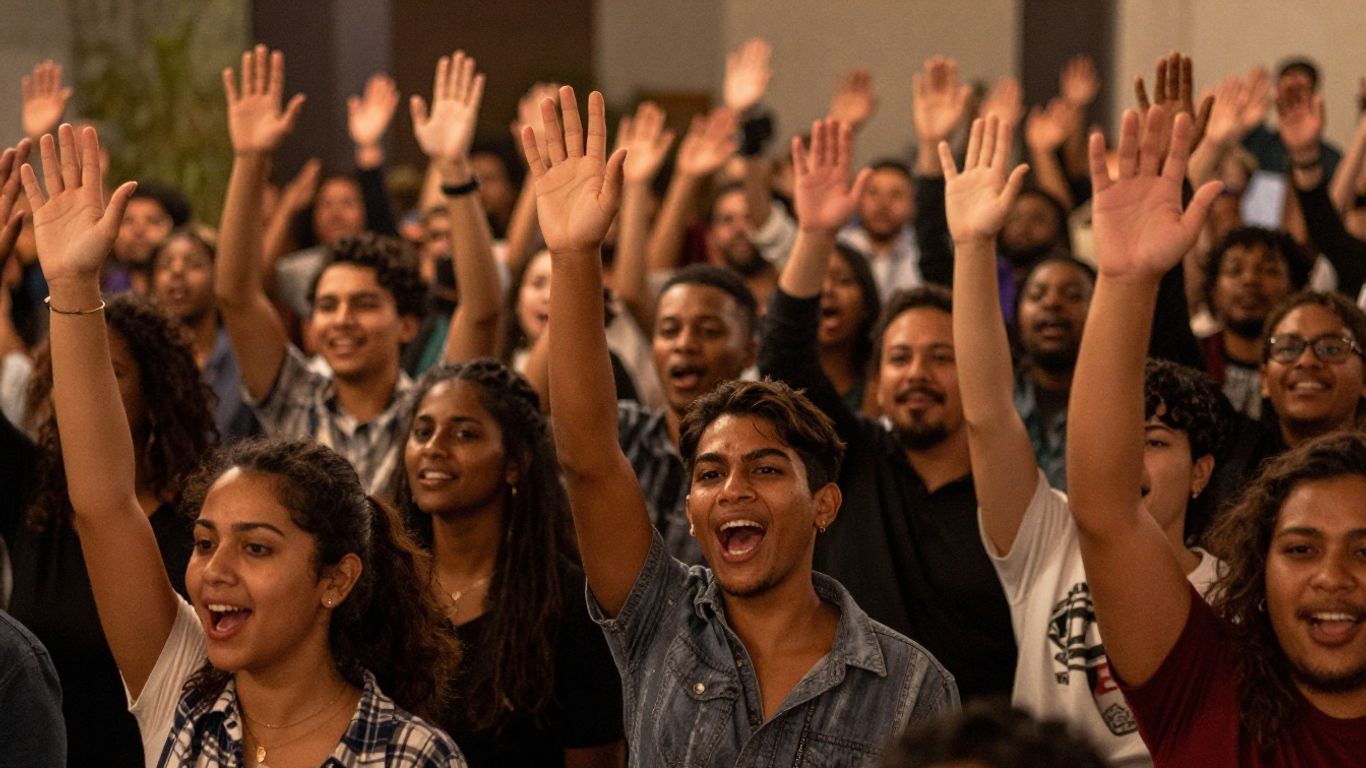
People celebrating together, raising hands in unison.

Rituals, whether grand ceremonies or quiet personal acts, do more than just mark an occasion. They actually shape how we feel and how we connect with others. Think about it: when we go through a ritual, we’re not just going through the motions. We’re engaging with something deeper, something that helps us make sense of big life events, especially tough ones like loss.

Alleviating Grief Through Connection

When someone we care about passes away, the world can feel pretty upside down. Rituals offer a way to navigate that chaos. They give us a structure, a path to follow when we feel lost. Sharing a meal with family after a funeral, lighting a candle for a loved one’s birthday, or even just saying a specific phrase – these actions create a shared space for sorrow. This shared experience is incredibly important. It tells us we’re not alone in our pain. This communal aspect of ritual is a powerful antidote to the isolation that grief can bring. It helps us process our emotions in a way that feels both personal and supported by others.

Strengthening Community Bonds

Beyond individual healing, rituals are like glue for communities. When we participate in a ritual together, we’re reinforcing our shared identity and our connection to each other. It’s a way of saying, "We’re in this together." This is true for all sorts of groups, from families to larger cultural or religious communities. These shared practices build a sense of belonging and collective resilience. They remind us of the values we hold in common and the history that binds us.

Here are some ways rituals strengthen community:

  • Shared emotional expression: Rituals provide a safe outlet for collective feelings, turning individual sorrow into a shared experience.
  • Reinforcement of identity: Participating in traditions affirms who we are as a group and our place within a larger cultural or social fabric.
  • Building social capital: The act of coming together for a ritual creates and strengthens relationships, fostering trust and mutual support.

Cultivating Life Wisdom And Existential Insight

Rituals also push us to think about the bigger questions in life. They encourage us to reflect on our place in the world, the meaning of life and death, and what truly matters. By engaging with symbolic actions and narratives, we can gain a clearer perspective on our own lives and the human experience. It’s about moving from just living day-to-day to living with more intention and understanding.

Rituals help us pause and consider the impermanence of life, not in a morbid way, but in a way that encourages us to appreciate the present and the connections we have. They offer a framework for understanding our own mortality and finding meaning within that reality.

These practices, in essence, help us grow. They equip us with a kind of wisdom that comes from confronting life’s challenges and celebrating its joys in a structured, meaningful way.

Designing For Deeper Connection

Rituals That Reinforce Core Values

Think about what truly matters to you. Is it kindness? Creativity? Honesty? Rituals give us a way to actively show these values, not just talk about them. It’s like having a personal reminder, built into your day or week, that says, ‘This is what I stand for.’ For example, a daily moment of quiet reflection before starting work can reinforce a value of mindfulness or intentionality. It’s not just about marking time; it’s about making time for what’s important.

Collective Holding Of Shared Beliefs

When a group shares a belief, a ritual can make that belief feel solid and real for everyone. Imagine a team that values collaboration. They might start every meeting with a quick check-in where each person shares one thing they need help with and one thing they can offer. This simple act reinforces their shared commitment to working together. It’s a way for the group to say, ‘We’re in this together, and we support each other.’ This shared practice builds a stronger sense of community and shared purpose.

Enhancing Memory And Differentiating Life’s Moments

Life can sometimes feel like a blur of similar days. Rituals act like signposts, helping us remember and appreciate the important moments. Think about how a birthday celebration, with its specific traditions like singing a song or blowing out candles, makes that day stand out from any other. These distinct practices help us create a richer tapestry of memories. They give shape to our experiences, making the significant moments memorable and giving us a clearer sense of our life’s journey.

The Transformative Nature Of Celebration Design

People celebrating a victory with confetti and cheers.

Celebration design isn’t just about throwing a party or planning a ceremony—it’s about changing the way we experience important events and everyday moments. When done with intention, rituals can shift routines from something automatic into something charged with meaning. There’s an opportunity for all of us to move past going through the motions, and start marking wins, transitions, and challenges with purpose.

From Autopilot To Intentional Living

Most of us spend a surprising amount of time on autopilot, handling birthdays, anniversaries, and even the loss of loved ones with the same scripts we were handed as kids. But when we pause and rethink these moments, even small acts—lighting a candle, sharing a memory, or cooking a special meal—can turn the ordinary into the memorable. Here’s how to pivot from autopilot to intentionality:

  • Notice moments that matter: What events or changes ask for recognition?
  • Choose markers with meaning: Find symbols or activities that align with your values.
  • Invite participation: Let others share or witness the experience, building connection.

Pausing to shape rituals, even in simple ways, helps us slow down and actually feel the changes taking place in life. This is a reminder to bring ourselves fully to the moment, instead of letting important things slip by unnoticed.

Rituals As Vehicles For Healing And Meaning-Making

Rituals aren’t only for joy and success—they’re tools to work through tough transitions as well. When facing grief, endings, or uncertainty, rituals can help us process feelings and create space for healing. People often assume these moments have to be serious, but real meaning-making holds both sadness and relief, even laughter and hope.

  • Acknowledge the loss or change, rather than avoiding it
  • Use symbols or gestures—writing a letter, planting a tree, sharing stories—to express what’s hard to say out loud
  • Involve your community or support network as needed

Embodying Values Through Symbolic Acts

Every ritual, no matter the size, can show what’s most important to us. Whether it’s gratitude, resilience, or kindness, these values become real when we act them out—alone or together. Symbolic acts lock in these lessons, making them easier to remember and pass on.

Examples of simple symbolic acts:

  • Creating a daily reminder, like saying what went well at dinner
  • Starting a new job with a short walk or personal reflection to mark the change
  • Ending a tough project with a shared snack or gratitude circle for participants

It’s the thoughtful repetition of these gestures over time that carves them into our story and helps us keep our sense of identity sturdy—even as life keeps changing.

Planning a great event is all about making it special and memorable. When we design celebrations, we focus on creating unique experiences that people will talk about long after they’re over. It’s not just about decorations; it’s about crafting a whole vibe that makes everyone feel amazing. Want to make your next event unforgettable? Visit our website to learn how we can help you design a celebration that truly shines.

Making Moments Matter

So, we’ve talked a lot about how marking significant moments, big or small, really helps us. It’s not just about remembering a birthday or an anniversary; it’s about intentionally creating space to feel what’s important. Whether it’s celebrating a win at work or honoring a personal milestone, these deliberate actions help solidify our identity and what we stand for. Think about it: when we take the time to actually do something to mark an occasion, it sticks with us. It becomes part of our story, not just something that happened. This isn’t about grand gestures all the time, either. Sometimes, a simple, thoughtful ritual can make all the difference. By weaving these intentional moments into our lives, we’re not just living through events; we’re actively shaping our experiences and reinforcing who we are, both as individuals and as groups. It’s a way to make sure the things that matter truly get the attention they deserve.

Frequently Asked Questions

What is celebration design and why is it important?

Celebration design is all about making special moments in your life, like birthdays or anniversaries, really meaningful. It’s like planning a party, but with a deeper purpose. Instead of just going through the motions, you intentionally create traditions and activities that help you remember what’s important to you and who you are. This helps you feel more connected to yourself and others, making those moments truly stand out.

How can rituals help with tough times, like losing someone?

Even when we’re sad, like when someone passes away, rituals can help. They give us a way to show we care and remember the person. Think of lighting a candle or sharing stories. These actions aren’t just symbolic; they help us feel connected to the person who’s gone and remind us that their memory lives on. It’s a way to honor their life and start healing, sometimes even turning sadness into a way to celebrate their memory.

Are rituals only for religious or old traditions?

Not at all! While many old traditions have rituals, we can create new ones for today’s world. These can be simple things, like taking a moment to appreciate your family before dinner or having a special way to mark the end of a work project. These modern rituals help us connect with what matters to us, whether it’s our personal goals or our relationships, and can bring a sense of growth and togetherness.

How do rituals affect our minds and our communities?

Rituals do a lot for us! They can help us feel less alone when we’re grieving by connecting us with others. When we do things together, it makes our friendships and family ties stronger. Plus, thinking about the meaning behind rituals helps us understand life better, like why things happen and what’s truly important. It’s like gaining wisdom from our experiences.

Can designing celebrations help us live better lives?

Yes, definitely! When we intentionally design rituals, we stop living on ‘autopilot’ and start paying more attention to what we value. For example, a ritual might remind us to be kind or to work hard. By doing these symbolic acts, we make sure our actions match our beliefs. This helps us feel more in control and live a life that feels more real and purposeful.

How do rituals help us remember things better?

Think of a ritual as a special marker in time. Our brains remember unusual or important events better than everyday routines. Because rituals are often unique and done with intention, they create stronger memories. They act like punctuation marks in the long sentence of life, helping us separate and recall significant moments, whether it’s a big achievement or a quiet moment of reflection.