
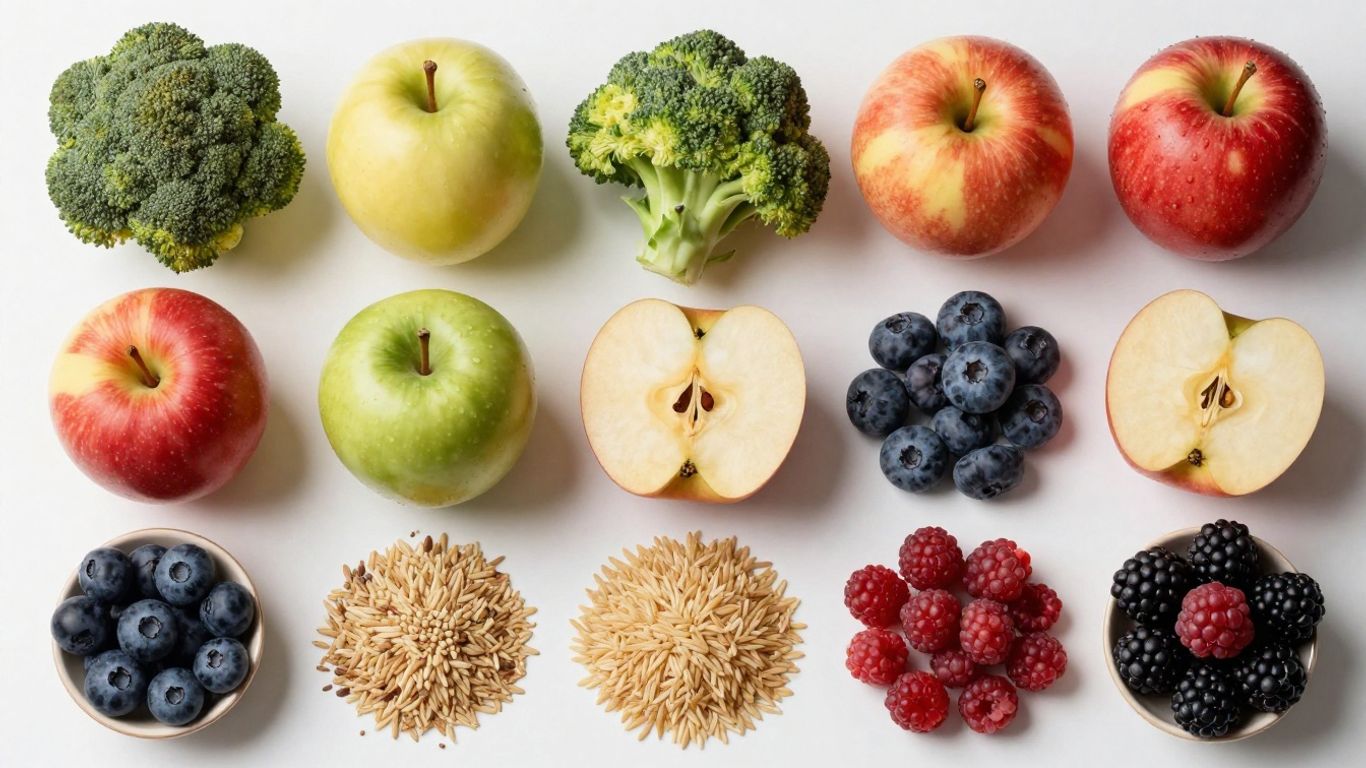
Most everyday bloating comes from gas produced when gut bacteria ferment certain carbohydrates, from swallowed air, from constipation, or from fluid shifts after very salty meals. An anti-bloat plan works on all four: identify your fermentation triggers, choose gentler fibre types and increase them slowly, eat in a way that limits swallowed air, and keep sodium in a sensible range. Persistent or severe bloating needs a medical check rather than more diet tweaks.
Know what kind of bloating you have
The NHS explains that the most common reason for bloating is a lot of gas in the gut, caused by certain foods and fizzy drinks or by swallowing air while eating. It can also come from constipation, a food intolerance, coeliac disease or irritable bowel syndrome (IBS), and some people feel bloated around their period.
| Pattern | Likely driver | First thing to try |
|---|---|---|
| Gassy, rumbling, worse a few hours after meals | Fermentation of certain carbs | Track and adjust trigger foods and portions |
| Full and tight right after eating | Large meals, eating fast, swallowed air | Smaller meals, slower eating, fewer fizzy drinks |
| Bloated with infrequent or hard stools | Constipation | Soluble fibre, fluids, movement |
| Puffy hands, face or ankles after a salty meal | Fluid retention | Lower-sodium meals, potassium-rich foods |
Step 1: Fermentation control
Some carbohydrates are not fully absorbed in the small intestine and reach the colon, where bacteria ferment them and make gas. That is normal and part of a healthy gut, but the amount and timing can cause discomfort. The US National Institute of Diabetes and Digestive and Kidney Diseases lists common gas-producing foods, including:
- Some fruits, such as apples, peaches and pears, and fruit juices
- Cruciferous vegetables such as broccoli, cauliflower and kale, plus beans, peas and lentils
- Dairy products, if you are lactose intolerant
- Whole grains such as whole wheat
- Drinks with high-fructose corn syrup, such as soft drinks, sports drinks and energy drinks
- Sugar-free gum and candy with sweeteners ending in “-ol,” such as sorbitol, xylitol and maltitol
The same source notes that some people get more gas when they eat too much fibre, and others when they eat high-fat foods. Many of these foods are healthy, so the goal is not to cut them all. Instead:
- Keep a 2-week diary of meals, drinks and symptoms (time and severity).
- Look for patterns with portion size, not just the food. Half a cup of beans may be fine when a full cup is not.
- Adjust one thing at a time for a week and see what changes.
- Use gentler preparation: rinse canned beans, cook vegetables rather than eating large raw portions, and try lactose-free milk if dairy seems to be a trigger.
A structured low-FODMAP approach can help people with IBS, but it is best done short-term with guidance, then followed by reintroducing foods. Our simple guide to low-FODMAP swaps explains the basics.
Step 2: Choose the right fibre types
Fibre helps regularity, which reduces constipation-related bloating, but different fibres behave differently.
- Soluble fibre (oats, chia, ground flaxseed, carrots, peeled potatoes, oranges, psyllium) forms a gel and softens stool. The NHS suggests foods high in soluble fibre such as oats or linseed if you are constipated.
- Insoluble fibre (wheat bran, many whole grains, vegetable skins) adds bulk. Useful, but large amounts can feel rough for some people.
- Highly fermentable fibres (inulin or chicory root fibre in “high-fibre” bars, large portions of beans and some vegetables) feed bacteria quickly and are more likely to create gas.
How to increase fibre without more bloat
- Add one fibre-rich food at a time and increase over 2 to 3 weeks.
- Drink water steadily through the day as fibre goes up.
- Spread fibre across meals instead of one huge salad or bean bowl.
- Check labels on bars and shakes for added inulin or chicory root if they bother you.
Step 3: Salt strategy
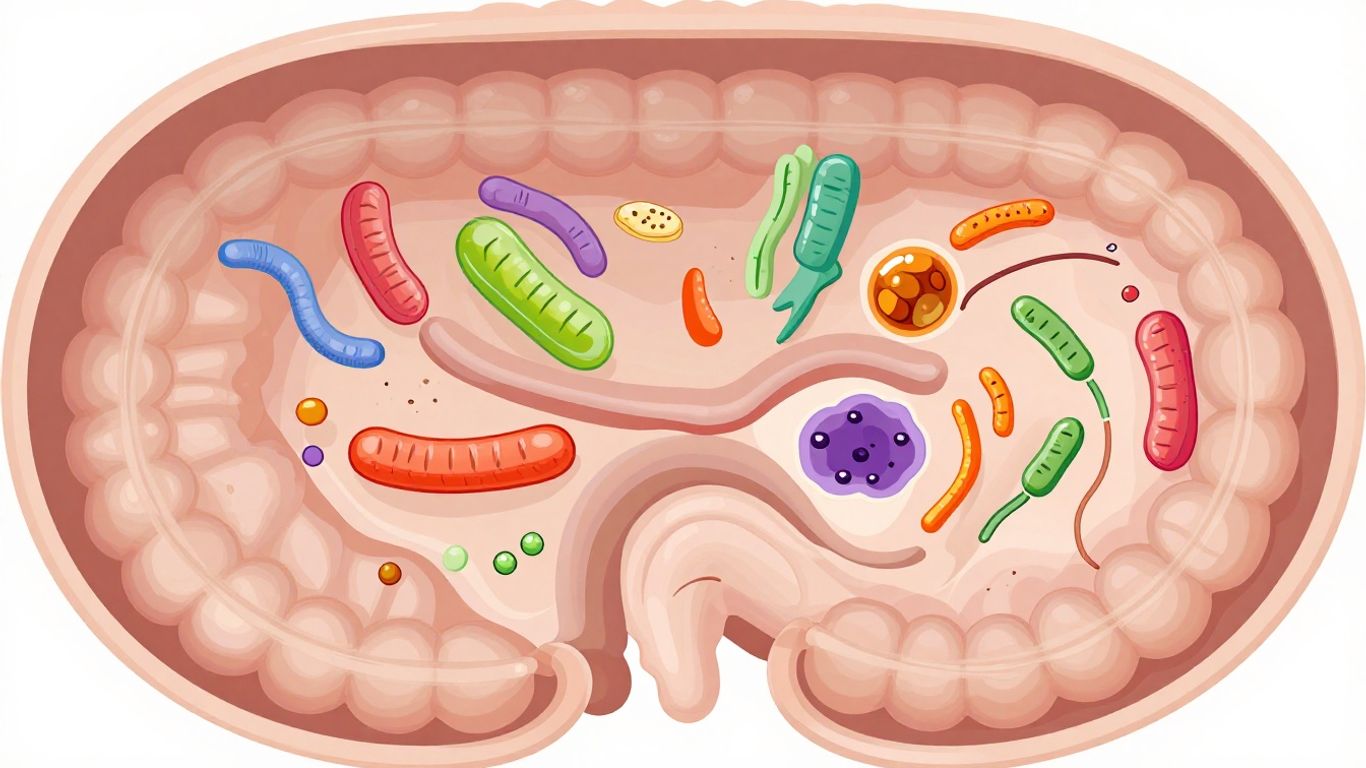
A very salty meal can leave some people feeling puffy the next morning as the body holds extra fluid. The bigger issue is that most sodium is hidden. The NHS notes that around three quarters of the salt we eat is already in packaged and everyday foods such as bread, breakfast cereals, processed meats and ready meals, and recommends adults have no more than 6 g of salt a day.
- Cook more meals at home, where you control the salt.
- Compare labels and choose lower-sodium soups, sauces, broths and canned beans.
- Rinse canned beans and vegetables.
- Go easy on restaurant meals, takeout and salty snacks the day before an event where you want to feel your best.
- Season with lemon, vinegar, garlic, herbs and spices.
- Eat potassium-rich foods such as potatoes, bananas, beans, yogurt and leafy greens, which help balance sodium.
Our guides to adjusting sodium without going extreme and reducing bloating go deeper.
Step 4: Eating habits that reduce swallowed air
The NHS recommends several simple habits: exercise regularly, chew with your mouth closed, drink plenty of water, eat smaller and more frequent meals, avoid large meals late at night, and limit fizzy drinks and caffeine. In practice:
- Put your fork down between bites and aim for meals that take 15 to 20 minutes.
- Limit carbonated drinks, chewing gum and drinking through straws.
- Sit upright while eating and take a 10-minute walk afterwards.
- Keep the largest meal earlier in the day if evening bloating bothers you.
Warm drinks such as peppermint or ginger herbal tea feel soothing for many people after meals. Skipping alcohol also helps, since the NHS lists it among the drinks to limit when you are bloated.
A sample low-bloat day
- Breakfast: Oats with ground flaxseed, a sliced banana and lactose-free milk if needed.
- Lunch: Rice or quinoa bowl with chicken or firm tofu, cooked carrots and spinach, and a lemon-olive oil dressing.
- Snack: Plain yogurt (or lactose-free) with blueberries.
- Dinner: Baked salmon or lentils in a modest portion, roasted potatoes and green beans.
- Drinks: Water through the day, peppermint herbal tea after dinner.
What about probiotics and enzymes?
Lactase tablets help some people with lactose intolerance enjoy dairy. Evidence for probiotics in bloating is mixed and depends on the specific strain and condition. If you want to try one, choose a single product, use it for about four weeks, track symptoms, and stop if nothing changes. Fermented foods like yogurt and kefir are an easy food-first option for many people.
When to check with a professional
See your doctor if you feel bloated regularly, if diet changes are not helping, or if bloating comes with unintentional weight loss or blood in your stool. Get urgent care if bloating comes with vomiting, a high temperature, severe or sudden stomach pain, a lump or swelling in your abdomen, or you cannot pass stool or gas. Persistent bloating can sometimes signal conditions such as coeliac disease or ovarian cancer, so do not delay a check-up. A registered dietitian can guide a short-term low-FODMAP trial safely.
Practical takeaways
- Track meals and symptoms for two weeks before cutting foods.
- Adjust portions of gas-producing foods rather than banning them.
- Favour soluble fibre and increase total fibre slowly with water.
- Choose lower-sodium packaged foods and cook more at home.
- Eat slowly, limit fizzy drinks and gum, and walk after meals.
- Get persistent or worrying symptoms checked.