
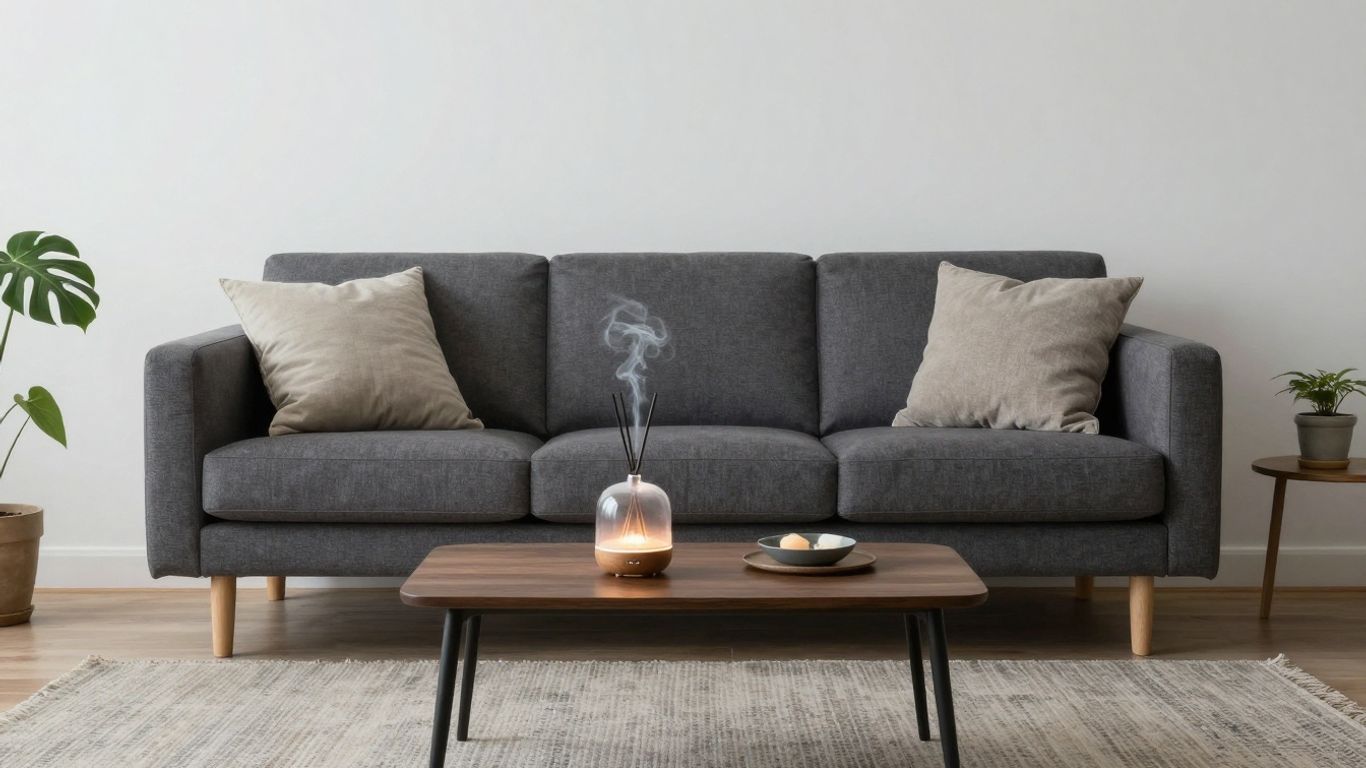
Your home is full of cues that can spark cravings: a bowl of candy you walk past, a snack drawer at eye level, a kitchen that stays bright and open until midnight. Small changes to what you see, what you smell and how your space is lit can reduce how often those cravings start. None of these tweaks takes more than an afternoon, and together they make the easier choice the default.
Why home cues matter
Cravings are often triggered by cues rather than by hunger. Seeing, smelling or even thinking about a food can set off a wave of wanting. A meta-analysis of 45 reports found that reactivity to food cues and craving predicted later eating and weight gain, and that visual cues such as pictures had effects similar to real food (Boswell and Kober, 2016). The same review found visual cues had stronger effects than smell, which is why this guide starts with layout.
The good news is that cues work in both directions. The same environment that prompts snacking can be arranged to prompt water, fruit, rest and movement.
Layout: distance and visibility
Where food sits in your home affects how often you eat it. In lab studies, placing a bowl of snacks farther away (70 cm rather than 20 cm) significantly reduced the share of people who took any in one of two studies, and the effect grew in both studies when people who moved the bowl were set aside (Hunter and colleagues, 2018). A little extra distance and effort can be enough to interrupt an automatic grab.
Layout micro-tweaks
- Clear the counters. Move cookies, chips and candy into opaque containers in a cupboard. Leave out a fruit bowl instead.
- Rearrange the fridge. Put cut vegetables, fruit, yogurt and leftovers at eye level in clear containers. Move treats to a drawer or the back of a lower shelf.
- Store treats out of the path. A high shelf, a basement pantry or a closed bin you don’t pass every day.
- Buy single portions or portion treats into small containers when you get home from the store.
- Keep food out of non-food rooms. No snack stashes at your desk, in the bedroom or beside the couch.
- Put a water jug or sparkling water where the candy dish used to be.
Harvard Health suggests that people who stress-eat can head off weight gain by clearing high-fat, sugary “comfort foods” from the fridge and cupboards, noting that keeping them handy invites trouble (Harvard Health Publishing). You don’t have to ban treats, just make them a deliberate trip rather than a passing temptation.
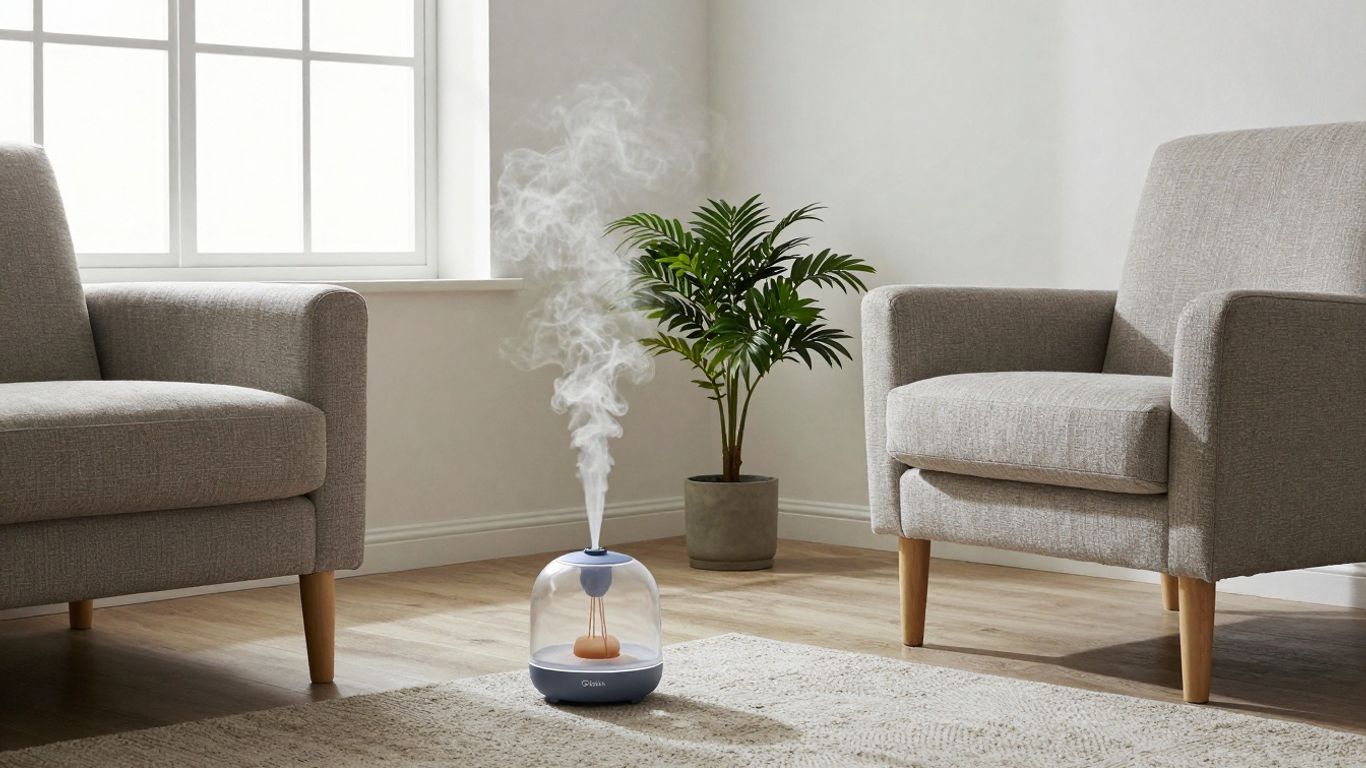
Create zones
When every room is a place to eat, cues multiply. Give rooms clear jobs:
- Eating zone: the kitchen or dining table. Eat meals and snacks here, sitting down, from a plate.
- Relaxing zone: the couch or a comfortable chair, with a blanket, a book, a puzzle or a craft instead of snacks.
- Movement cue: keep a yoga mat, resistance band or walking shoes visible near the door or in the living room.
- Sleep zone: the bedroom, kept free of food and, ideally, screens.
Our guide to cue design explains how to set up visual prompts for the habits you want, and friction design covers adding small hurdles to the ones you don’t.
Light: support your daily rhythm
Lighting affects energy, mood and sleep, and tired, under-slept evenings are prime time for cravings. Harvard Health notes that light at night suppresses melatonin, a hormone that influences your body clock, and that even dim light can have an effect. It recommends dim red night lights, avoiding bright screens for two to three hours before bed, and getting plenty of bright light during the day (Harvard Health Publishing).
Light micro-tweaks
- Morning: open curtains right away and eat breakfast near a window. A short walk outdoors early in the day also helps.
- Daytime workspace: sit near natural light where possible.
- Evening: switch to lamps with warm bulbs after dinner and turn off bright overhead kitchen lights.
- “Kitchen closed” cue: after your evening snack, turn off the kitchen lights. A dark kitchen signals that eating time is over.
- Night lights: use dim, warm or red night lights in hallways and bathrooms.
Scent: use it gently
Smell can trigger cravings (think of fresh bread or popcorn), and pleasant non-food scents can make a space feel calm. The evidence that specific scents reduce food cravings is limited, so treat scent as a comfort tool rather than a fix.
- Clear food odours after cooking. Use the range hood, open a window and wipe down surfaces so dinner smells don’t linger into the evening.
- Brush your teeth after your last meal. The fresh mint taste is a clear “done eating” signal for many people.
- Choose non-food scents for candles or diffusers. Vanilla, cookie and cinnamon-bun scents can work against you; fresh linen, citrus peel, pine or lavender are better choices if you enjoy scents at all.
- Make a calming herbal tea such as peppermint or chamomile in the evening. The warm drink and aroma make a soothing ritual.
Find your personal triggers
Everyone’s cues are a bit different. For one week, note each strong craving: the time, the room, what you saw or smelled just before, and how you felt. Then pick the two most common triggers and change one thing about each. For example:
| Trigger | Micro-tweak |
|---|---|
| Snacks on the counter after school or work | Fruit bowl and a jug of water out; snacks in a closed cupboard |
| Late-night TV in a bright living room | Warm lamp, herbal tea, kitchen lights off |
| Fridge door opened “just to look” | Ready-to-eat vegetables and yogurt at eye level |
| Bakery smell from the toaster oven | Run the fan and open a window after baking |
Keep it going
Homes drift back to old patterns, especially after grocery runs, holidays and busy weeks. Pick one day a week for a five-minute reset: restock the fruit bowl, put treats back in their spot and clear the counters.
FAQ
What if other people in my home want treats on the counter?
Ask for a compromise: a closed container, a designated cupboard or a shelf that’s theirs. Most people are happy to help once they know it matters to you.
Do I have to remove all treats from the house?
No. The goal is to make them a deliberate choice rather than a constant prompt. Keeping a few treats stored out of sight usually works better than a total ban, which can make them feel more tempting.
Key takeaways
- Visual cues are powerful, so start with what you can see.
- Store treats out of sight and a little out of reach; put fruit, vegetables and water in plain view.
- Give rooms clear jobs and keep food in the eating zone.
- Bright light in the morning, warm dim light in the evening, and a dark kitchen after your last snack.
- Clear food smells after cooking and choose non-food scents.
- Track your own triggers for a week and tweak the top two.