
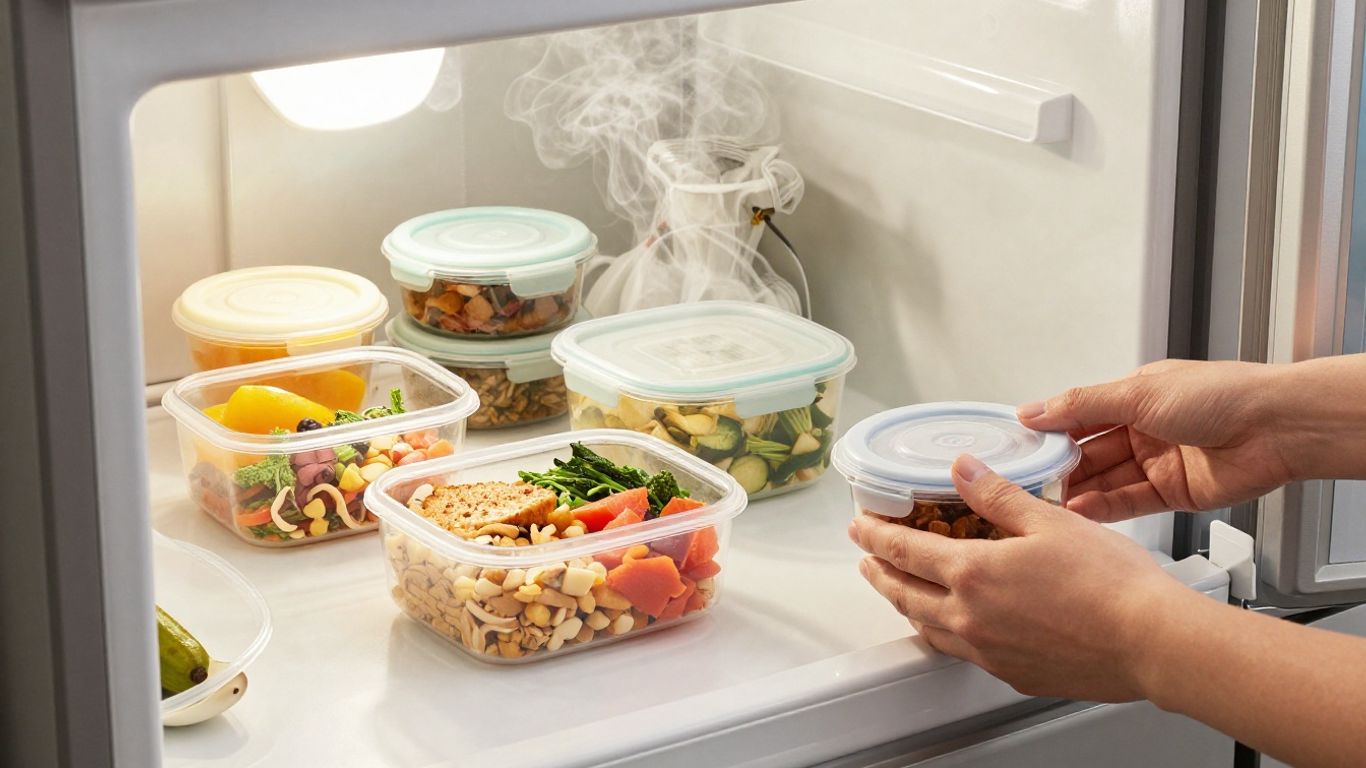
Batch cooking is more than just making a bunch of meals at once—it’s about setting up a routine that saves you time and keeps your food safe. If you’ve ever wondered how to keep a big pot of chili from spoiling or how to stop your roasted veggies from turning mushy after a few days, you’re not alone. The real trick to food safety batch cook success is learning the right way to cool, store, and reheat your meals. In this guide, we’ll walk through the basics of food safety for batch cooking, with easy tips that anyone can follow—whether you’re prepping meals for the week or running a small meal prep business.
Key Takeaways
- Always cool large batches quickly by spreading food into shallow containers or using an ice bath—never put a giant hot pot straight in the fridge.
- Store meals in airtight containers, label everything with the date, and keep older items up front so nothing gets forgotten or goes bad.
- Reheat leftovers to the right temperature (165°F is a safe bet) and stir well if using a microwave to avoid cold spots.
- Keep raw meats and cooked foods separate at every stage to avoid cross-contamination, and clean as you go to keep your kitchen safe.
- Don’t try to batch cook foods that don’t freeze or reheat well—know which recipes work best for food safety batch cook routines.
Core Principles of Food Safety in Batch Cooking
When you’re cooking up a storm for the week ahead, keeping things safe is just as important as making them taste good. It’s not just about following a recipe; it’s about understanding how to handle food properly, especially when you’re dealing with larger quantities. Think of these as the bedrock of your batch cooking success.
Understanding Time and Temperature Control
Bacteria love to party in the ‘temperature danger zone,’ which is roughly between 40°F and 140°F. For batch cooking, this means getting food out of that zone as quickly as possible is key. Cooked food needs to cool down fast. The general rule is to get it from 135°F down to 70°F within two hours, and then from 70°F down to 41°F or below within the next four hours. This rapid cooling prevents bacteria from multiplying to unsafe levels.
- Shallow containers are your friend: Spreading food out in thinner layers helps it cool much faster than leaving it in one big, deep pot.
- Stirring helps: For things like soups or grains, stirring them periodically, especially when they’re in an ice bath, speeds up the cooling process.
- Use thermometers: Always check the temperature. Don’t guess!
The goal is to minimize the time any food spends in the temperature danger zone. This simple practice is one of the most effective ways to prevent foodborne illness when batch cooking.
Preventing Cross-Contamination
This is all about stopping germs from jumping from one place to another. Imagine chopping raw chicken on a cutting board, then using that same board for salad greens without washing it. That’s cross-contamination, and it can make people sick. When you’re batch cooking, you’re often handling multiple ingredients and cooking in larger volumes, which can increase the risk if you’re not careful.
- Separate raw and cooked foods: Always keep raw meats, poultry, and seafood separate from ready-to-eat foods during preparation, cooking, and storage.
- Clean surfaces and utensils: Wash cutting boards, knives, and countertops thoroughly with hot, soapy water after each use, especially after they’ve touched raw ingredients.
- Wash your hands often: This is non-negotiable. Wash your hands with soap and warm water before you start cooking, after handling raw ingredients, and before serving.
Prioritizing Cleanliness and Sanitation
This goes hand-in-hand with preventing cross-contamination. It’s about keeping your entire cooking environment clean and sanitized. This includes not just your hands and surfaces, but also your equipment and storage containers.
- Sanitize surfaces: After cleaning, consider using a food-safe sanitizer on countertops and cutting boards, especially if you’re preparing meals for others.
- Clean equipment thoroughly: Make sure all pots, pans, utensils, and appliances are washed and dried properly after each use.
- Inspect storage containers: Use clean, food-grade containers for storing your batch-cooked meals. Ensure they are dry before filling them to prevent moisture buildup, which can encourage bacterial growth.
Safe Cooling Techniques for Large Batches
Rapid Cooling Methods
Getting hot food cooled down quickly is super important for food safety. Bacteria love to hang out in the ‘temperature danger zone,’ which is between 40°F and 140°F. The goal is to get your cooked food from 135°F down to 70°F within two hours, and then from 70°F down to 41°F or below within the next four hours. For big batches, this can be tricky because a large, dense mass of food just doesn’t lose heat very fast on its own.
- Shallow Pans: One of the simplest tricks is to divide large quantities of food into smaller, shallower containers. This increases the surface area exposed to the air, allowing heat to escape much more efficiently. Think of spreading out a thick stew into several wide, flat pans instead of leaving it in one deep pot.
- Ice Baths: For liquids like soups, sauces, or grains, an ice bath is a game-changer. Place your food containers into a larger basin filled with ice and water. Stirring the food periodically helps to speed up the cooling process even further.
- Stirring: For dense items like mashed potatoes or thick sauces, regularly stirring the food in its container, especially when it’s in an ice bath or shallow pan, helps to break up any heat pockets and ensures more even, rapid cooling.
Equipment for Professional-Grade Cooling
If you’re batch cooking on a larger scale, or just want to be extra sure, there are some pieces of equipment that can really help.
- Blast Chillers: These are the superheroes of rapid cooling in commercial kitchens. They’re designed to blast cold air over food, bringing temperatures down incredibly fast, well within the safe timeframes. They’re an investment, but for businesses, they’re often a necessity for meeting health codes and ensuring safety.
- Commercial Ice Machines: Having a reliable source of ice is key for making effective ice baths. If you’re doing a lot of batch cooking, a good ice machine can be a lifesaver.
Avoiding the Temperature Danger Zone
Remember, the clock starts ticking the moment food finishes cooking. Leaving large batches to cool slowly at room temperature is a recipe for disaster, allowing bacteria to multiply to dangerous levels.
The faster you can move food through the temperature danger zone, the safer it will be. This isn’t just about preventing spoilage; it’s about stopping the growth of harmful pathogens that can make people sick.
Here’s a quick rundown of the cooling timeline:
| Temperature Range | Time Allowed |
|---|---|
| From 135°F to 70°F | 2 hours |
| From 70°F to 41°F (or below) | 4 hours |
This six-hour window is your target. If you can’t meet these times with your current methods, it’s time to rethink your cooling strategy.
Storing Batch-Cooked Food for Freshness and Safety
Batch cooking is truly a time-saver, but how you store your food is what keeps it tasting good and safe to eat days later. Throwing your meals straight into any old container might seem fine in the rush of cleanup, but it can shorten shelf life, ruin textures, or even let food go bad. Here’s how to store your batch-cooked meals the right way every single time.
Choosing the Right Containers
- Glass and BPA-free plastic containers with tight lids keep out moisture and odors. They last long and stack neatly in the fridge or freezer.
- Shallow containers spread food out—helping it cool faster and more evenly. This move alone can limit bacterial growth.
- Freezer bags (get the thick ones) are perfect for soups, stews, and sauces. Squeeze out excess air to limit freezer burn.
Not all containers are created equal. Spending a little more up front for a set of sturdy, airtight containers pays off when your leftovers stay fresh longer and don’t spill in your bag.
Optimal Refrigerator and Freezer Organization
- Place newer meals at the back, and older ones up front. That simple rotation keeps you from forgetting what was cooked when.
- Keep your refrigerator between 34°F and 40°F, and your freezer at or below 0°F.
- Leave a small space between containers in the fridge for air to circulate and keep things cool.
- Group similar foods (e.g. all proteins together, all vegetables together) so you can see at a glance what’s ready to grab.
Here’s a quick table for fridge and freezer organization:
| Food Type | Fridge (days) | Freezer (months) |
|---|---|---|
| Soups/Stews | 3-4 | Up to 3 |
| Roasted Veg | 4-5 | Up to 2 |
| Cooked Grains | 4-5 | 1-2 |
| Cooked Protein | 3-4 | Up to 3 |
Labeling and Date Tracking Best Practices
- Write the contents and date clearly on each container. Dry-erase tape or permanent marker for plastic and glass both work fine.
- Keep a notepad or use a simple fridge whiteboard to track what you’ve made and when it needs to be used—it helps avoid the mysterious science experiments lurking at the back!
- Make it a habit: Every time you store a new batch, add it to your running list and move older food forward.
Food safety isn’t only about cooking—how you cool and store your meals is just as important. Taking ten extra minutes to label and stash food properly saves you from waste, keeps your meals safe, and makes healthy eating a breeze, even on your busiest days.
Best Practices for Reheating Batch-Cooked Meals
Reheating is such a key part of batch cooking—you want your meals to taste as good as they did fresh, and you definitely don’t want to risk making anyone sick. Getting time and temperature right is just as important during reheating as it is when you first cook the meal.
Safe Reheating Temperatures
- Always bring leftovers to an internal temperature of at least 165°F (74°C) before serving. A reliable food thermometer makes all the difference.
- Stews, soups, and casseroles should bubble or steam to indicate that they’re hot enough all the way through.
- If you’re reheating in a microwave, check the center with a thermometer because microwaves heat unevenly.
| Food Type | Minimum Safe Temp | Method to Verify |
|---|---|---|
| Soups/Stews | 165°F (74°C) | Thermometer, bubbling |
| Casseroles | 165°F (74°C) | Thermometer, steaming |
| Proteins (meat) | 165°F (74°C) | Thermometer |
| Rice/Pasta | 165°F (74°C) | Thermometer |
Sometimes, food might look hot outside but is still cool inside. Heat thoroughly, then check before you eat.
Effective Microwave and Oven Methods
- Break up or spread out your food so it heats evenly.
- Stir halfway through microwaving to tackle cold spots—this step makes a big difference with thicker meals.
- For oven reheating, cover food with foil to keep in moisture. Remove the cover at the end so it doesn’t get soggy.
Numbered steps for even reheating with a microwave:
- Place food in a microwave-safe dish and spread it out evenly.
- Use medium or high heat, depending on the portion size.
- Pause halfway, stir, and re-cover before finishing the cycle.
- Let the food “rest” two minutes after microwaving to allow heat to distribute.
Maintaining Quality During Reheat
- Sprinkle a little water or broth over rice, pasta, or grains before reheating to keep them from drying out.
- For proteins, reheat slowly at a lower heat to retain moisture and texture—especially chicken or pork.
- Avoid reheating fried foods if you want crispiness; instead, use a toaster oven or skillet if you have to go for crunch.
Bulleted refresher for best taste and texture:
- Cover foods to trap steam and avoid dryness
- Reheat only the amount you’ll eat—repeated reheating can spoil both safety and quality
- Thaw frozen meals in the fridge overnight for best results, rather than at room temperature
By following these straightforward steps, your batch-cooked meals can be just as safe and delicious the second (or third!) time around.
Portioning and Packaging for Food Safety Batch Cook Success
Once your delicious food is cooked and properly cooled, the next big step is getting it ready for storage. This is where portioning and packaging come into play, and honestly, it’s more important than you might think for keeping things safe and tasty.
Single-Serve vs. Family Portions
Deciding how to portion your batch-cooked meals really depends on who you’re cooking for and how they plan to eat. If you’re prepping lunches for the work week, individual containers are usually the way to go. This makes grabbing a meal super easy and helps control portion sizes, which can be a big help for tracking intake or just making sure everyone gets a fair share.
On the other hand, if you’re cooking for a family, larger containers might make more sense. You can then serve out individual portions at mealtime. The key here is to make sure that whatever you choose, it’s easy to reheat just what you need without thawing out the whole batch. This saves time and keeps the rest of your food safe.
Vacuum Sealing and Freezer Bags
When it comes to long-term storage, especially in the freezer, packaging really matters. Airtight packaging is your best defense against freezer burn and spoilage. For serious batch cooks, vacuum sealing is a game-changer. It removes almost all the air, which dramatically slows down oxidation and prevents those icy crystals from forming on your food. This means your meals will taste much closer to fresh, even after months in the freezer.
If vacuum sealing isn’t an option, good quality freezer bags work well too. Just be sure to squeeze out as much air as possible before sealing them. You can even double-bag items that are prone to freezer burn, like delicate proteins or cooked grains.
Maximizing Freezer Space and Preventing Burn
Let’s talk about making the most of your freezer space. Once your food is portioned and packaged, think about how you’re arranging it. Stacking flat packages is usually more efficient than trying to cram in bulky containers. You can also freeze items like sauces or grains in ice cube trays first, then transfer the frozen cubes to a larger bag. This makes them easy to grab for adding flavor to other meals.
Preventing freezer burn isn’t just about taste; it’s also a food safety consideration. While freezer burn doesn’t make food unsafe to eat, it does dry out the food and can affect its texture and flavor. Proper packaging, as we’ve discussed, is the best way to avoid this. If you do notice some freezer burn, you can often trim away the affected parts before reheating.
Preserving Flavor and Texture Across Days
When you’re preparing meals ahead, it’s not just about food safety — it’s about making sure every lunch or dinner tastes and feels almost as good as when it was first cooked. Leftovers shouldn’t mean limp veggies and dry chicken.
Techniques for Moist Proteins and Vibrant Vegetables
Different ingredients call for different approaches if you want to keep them tasting fresh, meal after meal.
- Proteins like chicken, beef, or tofu: Try finishing them slightly under their ideal cook point. When you reheat, they’ll reach perfection, not dryness. A splash of broth or sauce on proteins before reheating can help lock in moisture.
- Vegetables: High-heat roasting helps keep veggies caramelized instead of soggy, while blanching (cooking quickly in boiling water, then cooling fast) helps keep colors bright and textures crisp. Avoid boiling for long periods — it saps flavor and structure.
- Grains and starches: Rinsing rice or quinoa before cooking and adding a drizzle of oil after can keep them from clumping. Store potatoes roasted instead of mashed for better freezer and fridge results.
Batch-cooking meals are only as tasty as their weakest component — technique for each ingredient is what keeps dinner exciting all week.
Separate Storage of Sauces and Dressings
One of the fastest ways to ruin a batch meal is to add sauce too early. Dressings, vinaigrettes, and creamy toppings should always be kept apart from proteins, vegetables, and grains until right before eating. This simple adjustment prevents:
- Wilted greens
- Soggy roasted or steamed veggies
- Drying or curdling of proteins (especially with acidic sauces)
Use small airtight containers or reusable squeeze bottles for sauces. This way, everyone can add fresh flavor and moisture just before eating — and you can even switch up your sauces for variety through the week.
Combatting Meal Fatigue with Modular Components
Even the best-cooked batch meal can get old fast if it tastes the same every night. The secret is to build modular meals:
- Prepare base items (a batch of rice, roasted veggies, cooked proteins).
- Store a couple of different sauces or toppings separately.
- Mix and match bases and add-ins each day for a new flavor profile.
Here’s a quick table showing how to mix up your week without cooking a dozen separate dishes:
| Base | Day 1 | Day 2 | Day 3 |
|---|---|---|---|
| Roasted Chicken | BBQ sauce | Pesto + roasted veg | Teriyaki + rice |
| Brown Rice | Salsa + beans | Tahini + chickpeas | Garlic spinach |
| Steamed Broccoli | Lemon vinaigrette | Chili oil | Cheese sauce |
By treating each component as a building block, you create endless combinations — all from one batch. Keeping it flexible like this really beats reheating the same stew for three days straight.
The key to great batch-cooked meals is thoughtful prep and smart storage, not just following a recipe. You’ll save time, eat better, and actually look forward to opening that container for lunch.
Batch Cooking Workflow for Maximum Efficiency
Getting a big batch of food ready without turning your kitchen into a disaster zone is all about having a plan. It’s not just about cooking a lot at once; it’s about making the whole process smooth and, dare I say, even enjoyable. Think of it like a well-oiled machine where each part works together. The key is sequencing your tasks so you’re always doing something productive.
Sequencing Your Cooking Process
When you’re cooking multiple things, it makes sense to start with what takes the longest or needs the least attention. Grains like rice or quinoa, for example, can simmer away for a good chunk of time. While they’re doing their thing, you can move on to other tasks. This way, you’re not standing around waiting for one pot to finish before you can even start the next.
Here’s a typical order that works well:
- Start long-cooking items: Grains, beans, or slow-cooked meats go first.
- Prep and cook vegetables: Roasting or steaming can happen while other things are simmering.
- Prepare proteins: Marinating or cooking proteins that have shorter cook times.
- Make sauces or dressings: These can often be done while other components are finishing up.
- Portion and cool: Once everything is cooked, get it into containers for cooling.
Parallel Task Management
This is where the real magic happens. Instead of doing one thing at a time, you’re doing several. While your oven is busy roasting vegetables, you could be chopping ingredients for a sauce on the counter. Or, if you’re using a sous-vide machine for proteins, that’s hands-off time you can use for something else. It’s about finding those moments where one task can happen while another is underway. This efficiency is what separates a chaotic cooking session from a streamlined one.
Don’t just cook; orchestrate. Think about which appliances can work simultaneously. Can the stovetop handle a sauce while the oven roasts? Can the slow cooker do its job while you prep salad components? Planning these overlaps is the secret to getting more done in less time.
Cleaning As You Go to Prevent Contamination
This might sound like it slows you down, but trust me, it makes the end result so much better. Wiping down counters as you go, washing bowls and utensils immediately after use, and keeping your workspace tidy prevents cross-contamination and makes the final cleanup a breeze. It also helps you keep track of what’s clean and what’s not, which is important for food safety. A clean workspace is a safe workspace.
Here are a few quick tips:
- Have a bin or bowl nearby for scraps and used items.
- Wash cutting boards and knives between different food types (like raw meat and vegetables).
- Wipe down surfaces regularly, especially after handling raw ingredients.
Shelf Life Guidelines for Common Batch-Cooked Foods
Knowing how long your batch-cooked meals will last is key to both safety and enjoyment. When food sits around too long, even in the fridge or freezer, it can lose quality or, worse, become unsafe to eat. The general rule of thumb is that most cooked dishes can hang out in the refrigerator for about 3 to 4 days. For anything you plan to keep longer, the freezer is your best bet, often extending the life of your food up to 3 months. But remember, these are just guidelines. Your senses are your ultimate guide – if something looks, smells, or tastes off, it’s best to play it safe and discard it.
How Long Different Meals Last in the Fridge or Freezer
Here’s a quick rundown of how long common batch-cooked items tend to stay good:
| Food Type | Refrigerator (Days) | Freezer (Months) | Notes |
|---|---|---|---|
| Soups & Stews | 3-4 | Up to 3 | Great for freezing, reheat on stovetop. |
| Casseroles | 4-5 | Up to 3 | Can sometimes get a bit mushy after thawing. |
| Cooked Grains | 4-5 | 1-2 | Rice, quinoa, farro hold up well. |
| Roasted Vegetables | 4-5 | 2 (if blanched) | Best when not overcooked initially. |
| Dips & Sauces | 7-10 | 3-4 | Freeze dairy-free versions for best results. |
| Cooked Proteins | 3-4 | Up to 3 | Chicken, beef, turkey, fish all freeze well. |
| Curries | 3-4 | Up to 3 | Flavors often deepen upon reheating. |
| Baked Goods | 5-7 | 2-3 | Muffins, breads, scones. |
Sensing Spoilage: Signs and Precautions
Trust your instincts when it comes to food safety. Before you reheat or consume any batch-cooked item, give it a quick check. Look for any unusual changes in color, like mold growth or a slimy texture. Give it a sniff – a sour or off smell is a clear warning sign. If you notice any of these, it’s better to throw the food away than risk getting sick. Always store food in airtight containers to minimize exposure to air, which can speed up spoilage.
The "two-hour rule" is a critical safety measure. Cooked food should not be left at room temperature for more than two hours. If it is, it needs to be refrigerated or frozen immediately to prevent bacteria from multiplying rapidly in the temperature danger zone.
Foods That Don’t Freeze or Store Well
While batch cooking is versatile, some foods just don’t fare well when stored for extended periods or frozen. Delicate items like leafy greens (once cooked), certain types of fish that can become mushy, or dishes with a lot of creamy sauces might not taste as good after thawing. Fried foods can also lose their crispiness. It’s often best to prepare these items fresh or consume them within a day or two of cooking.
Essential Tools for Professional-Grade Food Safety Batch Cook
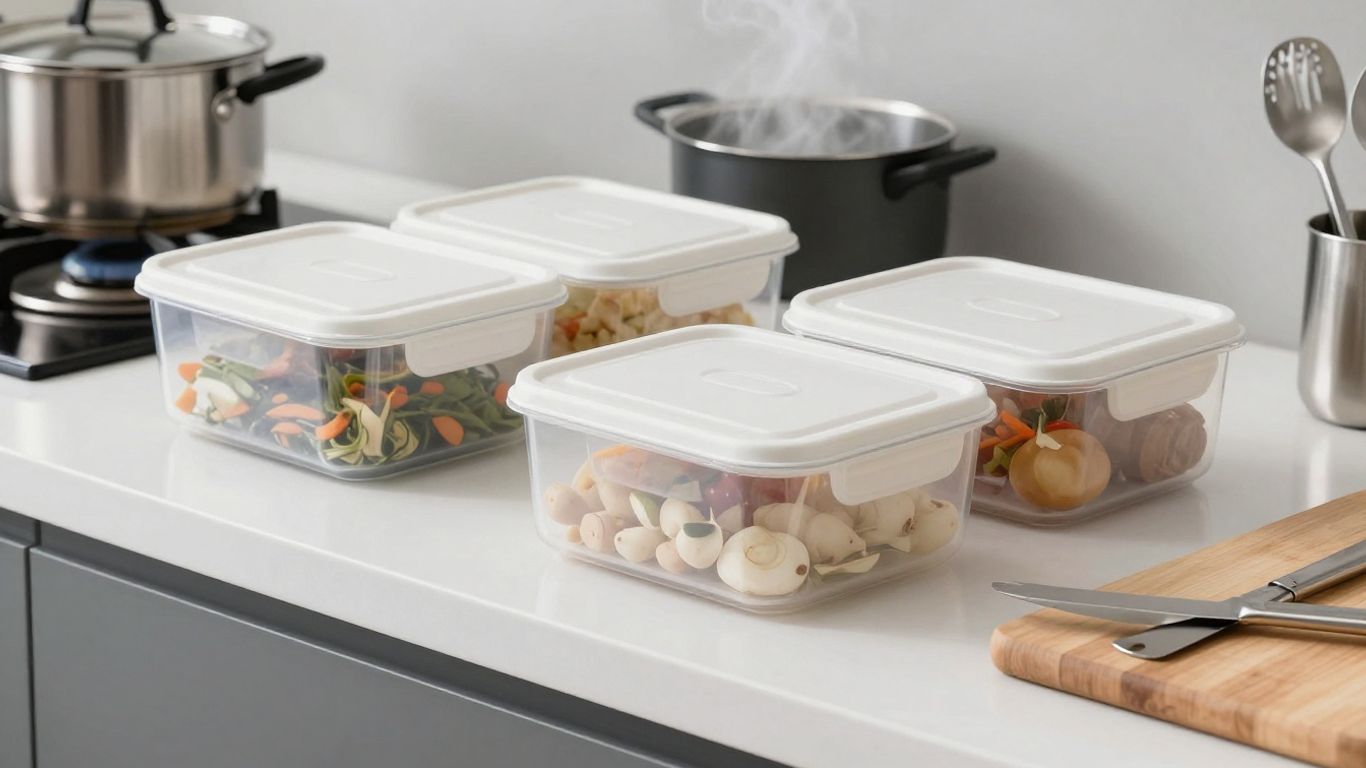
Having the right equipment makes a big difference when you’re batch cooking. It’s not just about making things easier; it’s about keeping your food safe and tasting good for days. Think of it like having a good toolbox for any job – the right tools help you do it right.
Thermometers, Blast Chillers, and Ice Baths
Temperature control is super important for food safety. You need to know exactly how hot or cold your food is at different stages. An instant-read thermometer is a must-have. You can stick it into meats, soups, or casseroles to check if they’ve reached a safe internal temperature. For cooling large batches quickly, which is key to preventing bacteria growth, commercial kitchens often use blast chillers. These machines rapidly bring down the temperature of food. At home, you can mimic this by using an ice bath. Place your hot food containers into a larger basin filled with ice and water, stirring the food occasionally. This helps it cool down much faster than just leaving it on the counter.
- Instant-read thermometer: For quick checks of food temperature.
- Leave-in probe thermometer: Useful for monitoring oven or slow cooker temperatures over time.
- Ice baths: A DIY method for rapid cooling of liquids and semi-solids.
Rapid cooling is one of the most critical steps in batch cooking to prevent foodborne illness. Food needs to move from the ‘danger zone’ (41°F to 135°F) quickly.
Airtight Containers and Labeling Systems
Once your food is cooked and cooled, you need to store it properly. Good quality, airtight containers are your best friend here. They keep air out, which helps prevent freezer burn and keeps food fresh longer. Glass containers are great because they don’t stain or hold odors, and you can often reheat food directly in them. Plastic ones are lighter and less likely to break, but make sure they are BPA-free. A good labeling system is just as important. You need to know what’s in each container and when you made it. Use masking tape and a permanent marker, or invest in a label maker. This simple step stops you from guessing what’s in the back of the fridge and helps you use food before it goes bad.
- Glass containers: Durable, non-reactive, and microwave-safe.
- BPA-free plastic containers: Lightweight and shatter-resistant.
- Permanent markers and labels: For clear identification of contents and dates.
Timers and Tracking Solutions
When you’re cooking multiple dishes at once, keeping track of everything can get tricky. Timers are your secret weapon. You can use the timers on your oven or microwave, but having a few extra kitchen timers can be really helpful. Some people like using a timer app on their phone, or even a physical kitchen timer that can count down multiple events. This helps you avoid overcooking or undercooking different components of your meal. It’s all about managing your time effectively so everything is ready when you need it, and more importantly, safe to eat.
- Multiple kitchen timers: To track different cooking processes simultaneously.
- Smartphone timer apps: Convenient and often offer multiple countdowns.
- Oven/microwave built-in timers: Utilize existing features for basic timing needs.
Mistakes to Avoid When Batch Cooking for Food Safety
Batch cooking is a fantastic way to save time and eat healthier throughout the week. But like any kitchen endeavor, it’s easy to stumble into a few pitfalls, especially when it comes to keeping your food safe. Getting these details wrong can turn a week’s worth of delicious meals into a health hazard. Let’s look at some common slip-ups and how to sidestep them.
Risks of Improper Cooling and Storage
This is probably the biggest one. Food needs to cool down quickly after cooking. Bacteria love to hang out in the
Adapting Batch Cooking for Special Diets and Preferences
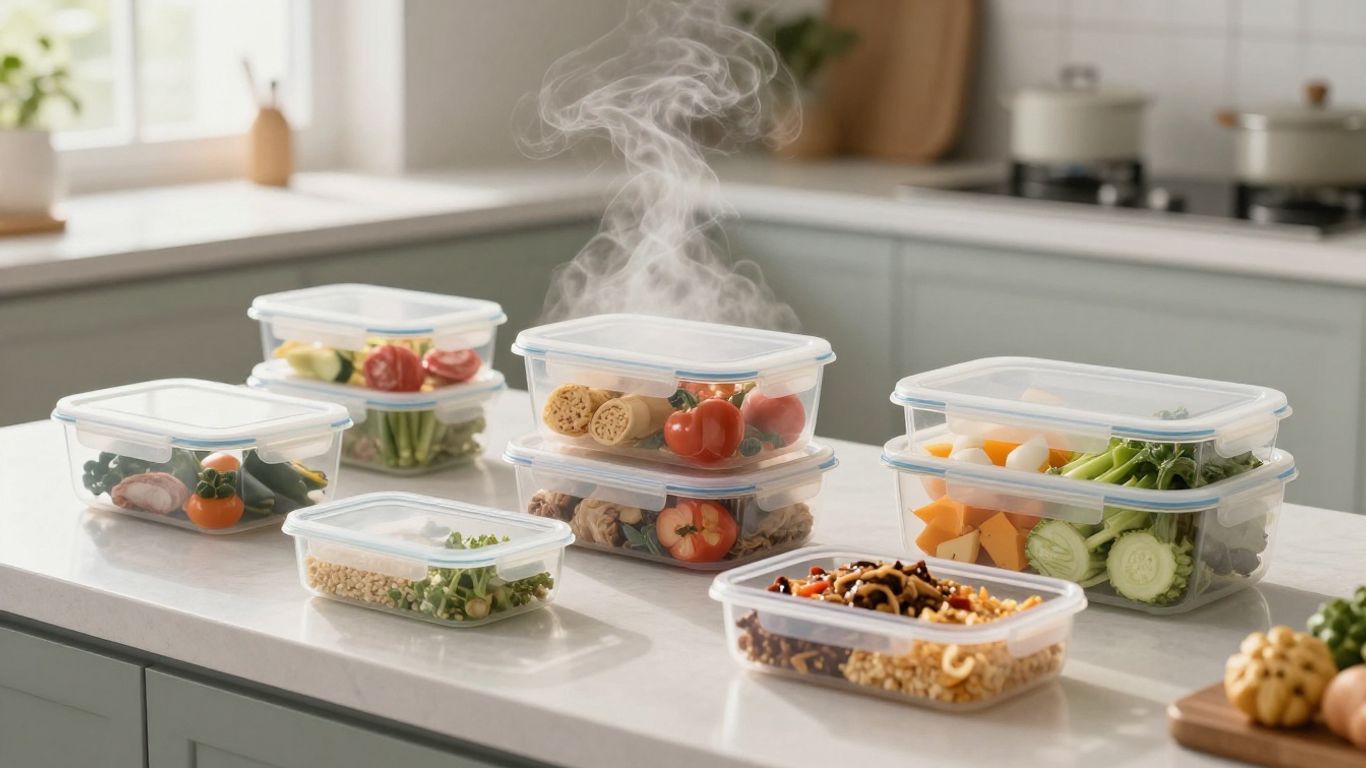
Batch cooking is a fantastic way to save time and eat well, but it gets a little more involved when you need to cater to specific dietary needs or preferences. It’s totally doable, though! The key is careful planning and smart ingredient choices.
Approaches for Plant-Based and Allergen-Free Meals
When you’re cooking for vegan, vegetarian, or allergen-free diets, the focus shifts to ingredient sourcing and avoiding cross-contamination. For plant-based meals, think hearty grains like quinoa and brown rice, robust legumes such as lentils and chickpeas, and a variety of vegetables that hold up well to cooking and reheating. Tofu and tempeh are great protein options that can be prepped in large batches.
For allergen-free cooking, especially for common allergens like gluten, dairy, nuts, or soy, strict separation is paramount. This means using dedicated cutting boards, utensils, and cooking surfaces. Always double-check ingredient labels for hidden allergens. For example, many pre-made sauces or spice blends can contain unexpected ingredients.
Here’s a quick look at some common substitutions:
| Dietary Need | Common Ingredient | Alternative | Notes |
|---|---|---|---|
| Gluten-Free | Wheat pasta, bread | Rice noodles, gluten-free bread | Ensure certified gluten-free products |
| Dairy-Free | Milk, cheese | Almond milk, nutritional yeast | Check for nut allergies |
| Vegan | Meat, eggs | Tofu, lentils | Ensure adequate B12 intake |
Ensuring Safety with Gluten-Free Cooking
Gluten-free batch cooking requires extra vigilance. Even small amounts of gluten can cause issues for those with celiac disease or gluten sensitivity. When preparing gluten-free components, make sure all your grains, flours, and seasonings are certified gluten-free. Be mindful of shared equipment; if you also cook with gluten-containing items, thorough cleaning is non-negotiable. Consider preparing gluten-free items first, or even in a separate area if possible, to minimize any risk of cross-contact.
Maintaining Variety with Dietary Restrictions
It can feel challenging to keep things interesting when you have multiple dietary restrictions to manage, but batch cooking can actually help. Instead of cooking full, complex meals for each person, focus on preparing versatile base components. For instance, cook a large batch of plain rice, roasted vegetables, and grilled chicken or baked tofu. Then, each person can assemble their meal with their preferred sauces, seasonings, or additions. This modular approach allows for individual customization while still benefiting from the efficiency of batch preparation. It’s a great way to avoid meal fatigue and ensure everyone enjoys their food, regardless of their dietary needs.
Making batch meals work for everyone, even with special food needs or tastes, is totally doable. You can easily tweak recipes to fit allergies, picky eaters, or lifestyle choices like vegetarianism. It’s all about smart planning and simple swaps. Want to learn more about making healthy eating fit your life? Visit our website for tips and tricks!
Your Batch Cooking Journey Starts Now
So, there you have it. Batch cooking is more than just a way to save time; it’s about setting up a smart system for your kitchen. We’ve covered how to cool food quickly to keep it safe, store it so it stays fresh, and reheat it so it tastes great, even days later. It might seem like a lot at first, but by focusing on these simple steps – rapid cooling, proper storage, and mindful reheating – you’re building a foundation for stress-free, delicious meals all week long. Don’t be afraid to experiment and find what works best for you. Happy cooking!
Frequently Asked Questions
What’s the most important thing to remember about cooling big batches of food?
The biggest rule is to cool food down fast! Bacteria love to grow when food sits around in the warm “danger zone” (between 40°F and 140°F). You need to get food from 135°F down to 70°F in just 2 hours, and then down to 41°F or colder within the next 4 hours. Using shallow containers, stirring food, or even using an ice bath helps speed this up a lot.
How can I stop my batch-cooked meals from tasting boring after a few days?
Don’t think of them as finished meals! Instead, cook up versatile parts like shredded chicken, roasted veggies, or cooked grains. Then, you can mix and match these parts with different sauces or spices throughout the week. This way, you can have tacos one day and a salad the next, all using the same cooked chicken.
What’s the best way to store food I’ve batch-cooked?
Use containers that seal tightly to keep air out and freshness in. For things you’ll eat soon, the fridge is great. If you plan to eat it later, the freezer is your best bet. Always label containers with what’s inside and the date you made it so you know exactly what you have and when it was prepared.
How long can I safely keep batch-cooked food?
Most cooked foods, like meats, grains, and veggies, can last about 3 to 4 days in the refrigerator. If you want to keep them longer, the freezer is the place to go, where they can last for a few months. When in doubt, it’s always better to be safe and throw it out.
Is there a trick to reheating batch-cooked food so it doesn’t get dry or weird?
For things like soups and stews, heating them on the stove works best for even warmth. Microwaves are quick, but remember to stir your food often to avoid cold spots. For proteins, you might want to add a little liquid or sauce when reheating to keep them moist.
What kinds of foods are best for batch cooking?
Foods that hold up well over time and reheat nicely are ideal. Think about things like hearty stews, chili, casseroles, roasted vegetables, cooked grains like rice or quinoa, and sturdy proteins like chicken or beef that you can shred or slice.
What should I avoid when batch cooking?
Try to avoid super complicated recipes that have tons of steps or ingredients. Also, be careful with foods that don’t do well after being frozen and reheated, like delicate fish or certain leafy greens that can get mushy. And never, ever skip the cooling and storage steps – they are super important for safety!
Why is it important to label my batch-cooked food?
Labeling is a lifesaver! It helps you know exactly what’s in each container and when you made it. This prevents you from accidentally eating food that’s gone bad and helps you use up older items first, so nothing gets lost in the back of the freezer.