
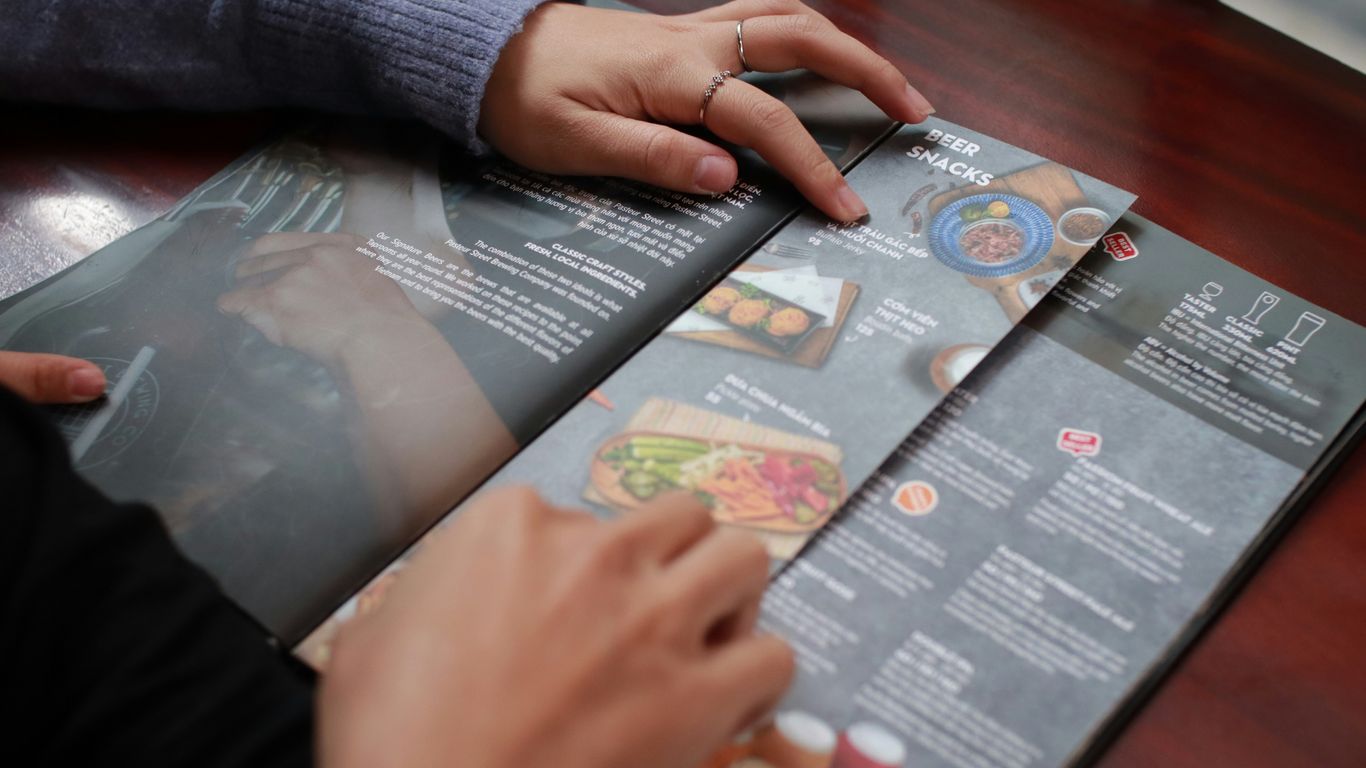
Feeling stuck in a rut is totally normal, especially when you’re feeling down. It’s like your energy just vanishes, and even simple tasks feel impossible. This is where something called behavioral activation comes in. It’s not about forcing yourself to do huge things, but rather about taking small, manageable steps to get you moving again. Think of it as a gentle nudge back into life, helping you find a bit more pleasure and a sense of accomplishment, even when motivation is nowhere to be found. We’ll explore how to build an activity menu and use the 10-minute rule to make it all feel a lot less overwhelming.
Key Takeaways
- Behavioral activation is about doing things that make you feel better, even when you don’t feel like it, to break the cycle of low mood and inactivity.
- Start by tracking your daily activities and how they affect your mood to understand what works for you.
- Create an ‘activity menu’ with a list of things you can do, ranging from simple self-care to enjoyable hobbies.
- Use the 10-minute rule: commit to doing an activity for just 10 minutes to make it feel less daunting and easier to start.
- Break down larger tasks into smaller, more manageable steps and celebrate your efforts, no matter how small.
1. Activity Monitoring
So, you’re feeling pretty low and the idea of doing anything feels like climbing Mount Everest. I get it. But before we jump into scheduling fun stuff, we need to get a baseline. This is where activity monitoring comes in. Think of it like being a detective for your own life.
For about a week, you’re going to jot down what you’re doing, hour by hour. Seriously, everything. Waking up, brushing your teeth, staring at the ceiling – it all goes down. The really important part, though, is to also rate how you’re feeling during each of those time slots. Use a scale from 0 (feeling really down) to 10 (feeling pretty good). This isn’t about judging yourself; it’s about gathering information.
Here’s a simple way to track it:
- Time Slot: (e.g., 8:00 AM – 9:00 AM)
- Activity: (e.g., Got out of bed, made coffee)
- Mood Rating: (e.g., 3/10)
We’re looking for patterns here. What activities seem to bump your mood up, even just a little? And what activities seem to make you feel worse, or just drain you completely? It might surprise you what you find.
This process helps us understand the connection between what you do and how you feel. It’s the first step in figuring out how to gently nudge yourself towards activities that bring a bit more light into your day, even when motivation is nowhere to be found.
2. Reviewing Activity Monitoring

So, you’ve spent a week jotting down what you did and how you felt. That’s a big step! Now comes the part where we actually look at all that information. It’s like being a detective for your own life.
Take a good look at your activity log. What were you up to when you felt even a little bit better? Were you doing something specific, or was it just a random moment? On the flip side, what were you doing when you felt really down? Sometimes, the connection isn’t obvious, but often, there are clues.
Here’s what to look for:
- Activities linked to better moods: Did you notice any activities that consistently made you feel even slightly more positive? Maybe it was listening to a certain song, stepping outside for a few minutes, or even just making a cup of tea.
- Activities linked to lower moods: Were there certain things you did that seemed to make you feel worse, or just drain you further?
- Patterns of inactivity: Were there days where you didn’t do much at all? How did you feel on those days compared to days where you managed to do a few things?
It’s not about judging yourself here. It’s purely about gathering information. Think of it as building a map of your personal mood landscape.
This review helps us understand the real-world connections between what you do and how you feel. It’s the foundation for figuring out what kinds of activities might be helpful moving forward.
Try to make a list of activities that seemed to have a positive effect, even a small one. This list will be super useful in the next steps.
3. Identifying Values
Okay, so motivation is in the basement, and the idea of doing anything feels like climbing Mount Everest. What now? We need to figure out what actually matters to you, deep down. These aren’t just fleeting interests; they’re the things that give your life meaning, the principles you want to live by. Think of them as your personal compass.
Values are different from goals. Goals are things you can tick off a list, like finishing a project. Values are more like directions you’re heading in, like wanting to be a kind person. You don’t ‘achieve’ kindness, but you can act kindly every day.
So, what’s important to you? Let’s break it down a bit:
- Relationships: What kind of friend, partner, or family member do you want to be? How do you want to show up for the people you care about?
- Personal Growth: What do you want to learn? How do you want to develop as a person? What skills or knowledge are you curious about?
- Well-being: What does taking care of yourself look like? This could be physical health, mental peace, or just having some fun.
- Contribution: How do you want to impact the world around you, whether it’s your local community or a broader cause?
It’s totally fine if some of these don’t click with you. There are no right or wrong answers here. The goal is to get a clearer picture of what makes life feel worthwhile for you.
Sometimes, when we’re feeling low, it’s easy to lose touch with what truly matters. We get caught up in the day-to-day struggle and forget the bigger picture. Taking a moment to reconnect with your values can be a powerful reminder of why you want to keep moving forward, even when it’s tough.
Let’s try to get a handle on this. Grab a piece of paper and jot down some thoughts. Don’t overthink it. Just write down what comes to mind when you think about what’s important in life. We’ll use this later to help pick activities that actually feel meaningful, not just busywork.
4. Creating an Activity Menu
So, you’ve been keeping track of what you do and how you feel, which is awesome. Now it’s time to build a go-to list of things that might actually make you feel a bit better. Think of this as your personal "activity menu" – a collection of potential mood-boosters.
Where do you get ideas for this menu? Well, look back at your activity monitoring sheets. What activities seemed to lift your mood, even just a little? Jot those down. Also, think about your values – those core things that matter to you. If family is a big deal, maybe an activity could be calling a sibling or planning a weekend visit. If learning is important, maybe it’s reading an article on a topic you like.
Don’t forget the basics, either. Things like showering, making a simple meal, or tidying up a small space can be surprisingly helpful. It’s also good to include activities that involve connecting with others, even if it’s just a quick chat.
Here’s a way to organize some ideas:
- Things that give you pleasure: Listening to music, watching a funny video, enjoying a cup of tea.
- Things that give you a sense of accomplishment: Completing a small chore, finishing a chapter of a book, learning a new simple skill.
- Things that connect you with others: Texting a friend, calling a family member, joining an online group.
- Things that align with your values: Volunteering, spending time in nature, helping someone out.
The key here is to create a diverse list. You want options for different days and different energy levels. It’s not about finding one magic bullet, but having a buffet of possibilities to choose from when you’re feeling stuck.
Once you have a good list going, it can be helpful to rank them by how difficult they seem to do right now. Maybe going for a long hike feels like a 10 (super hard), but listening to one song is a 1 (easy peasy). This helps you pick something manageable to start with.
5. Scheduling Activities

Okay, so you’ve got your list of activities, maybe from your activity menu or from thinking about what really matters to you. Now what? It’s time to actually put them on the calendar. This isn’t just about having a list; it’s about making a concrete plan.
Think of it like making a doctor’s appointment or planning to meet a friend. You decide on a specific time and place. Scheduling your activities helps make them real and increases the chances you’ll actually do them. When you schedule something, you’re telling yourself it’s important.
Here’s how to approach it:
- Be Specific: Don’t just write "exercise." Write "Go for a 20-minute walk around the park" or "Do 15 minutes of stretching in the living room."
- Pick a Time and Place: When will you do it? Where will you do it? For example, "Tuesday at 10 AM, in my backyard."
- Consider Your Energy Levels: If you know mornings are tough, maybe schedule something lighter then and a more involved activity for the afternoon.
- Start Small: If you’re just getting started, schedule one or two things a day. It’s better to do a small activity consistently than to overschedule and feel overwhelmed.
It can be helpful to use a simple table to keep track. This makes it easy to see your week at a glance.
| Activity | When? | Where? | Who with? (Optional) | Notes/Goal |
|---|---|---|---|---|
| 15-minute walk | Mon, 3 PM | Around the block | Myself | Get some fresh air |
| Listen to favorite music | Tue, 7 PM | Living room | Myself | Relax before bed |
| Prepare a simple meal (e.g., pasta) | Wed, 6 PM | Kitchen | Myself | Avoid takeout |
Don’t aim for perfection here. The goal is to get something done. If you miss a scheduled activity, don’t beat yourself up. Just look at your schedule for the next day and try again. It’s about building momentum, not about being flawless.
6. Breaking Down Activities
Sometimes, the idea of doing something, even something small, can feel like climbing a mountain. That’s totally normal when motivation is low. The trick here is to make that mountain into a series of tiny hills. Instead of thinking, ‘I need to clean the whole kitchen,’ try breaking it down. What’s the absolute smallest part of that task? Maybe it’s just putting one dish in the dishwasher. Or perhaps it’s wiping down one counter. The goal is to make the first step so tiny it’s almost impossible not to do it.
Think about it like this:
- Task: Do laundry.
- Breakdown: 1. Gather dirty clothes from the hamper. 2. Put them in the washing machine. 3. Add detergent. 4. Start the machine.
- Task: Prepare a simple meal.
- Breakdown: 1. Get out a plate. 2. Put some fruit on the plate. 3. Get a glass of water.
- Task: Go for a walk.
- Breakdown: 1. Put on shoes. 2. Open the front door. 3. Step outside.
This process of chunking down larger tasks makes them feel much less overwhelming. It’s about finding the easiest possible entry point into an activity. You’re not aiming to finish the whole thing right away; you’re just aiming to get started. Each tiny step you complete is a win, and those small wins build momentum.
7. The 10-Minute Rule
Feeling completely drained and like even the smallest task is impossible? That’s where the 10-minute rule comes in handy. It’s a simple but really effective way to get yourself moving when your motivation is at rock bottom.
The idea is straightforward: commit to doing something for just 10 minutes. That’s it. It doesn’t matter what it is, as long as it’s a step away from total inactivity. Think of it as a gentle nudge, not a demanding shove. You might be surprised how often those 10 minutes turn into longer. But if not, that’s totally okay too. You still did something, and that counts.
Here are some ideas for your 10-minute bursts:
- Go for a short walk around the block.
- Listen to a few songs you enjoy.
- Tidy up one small area, like your desk or a kitchen counter.
- Do a few simple stretches.
- Read a chapter of a book or a few articles online.
The key is to lower the barrier to entry so low that it feels almost silly not to try. It’s about building momentum, one tiny step at a time. Don’t worry about perfection or finishing a whole task. Just focus on starting and continuing for those 10 minutes.
This approach helps combat the "all or nothing" thinking that often keeps us stuck. If you think you have to clean the entire house, you might not even pick up the first dust cloth. But if the goal is just to wipe down the kitchen counter for 10 minutes, that feels much more doable. It’s about making progress, no matter how small it seems.
8. Rewarding Yourself
Okay, so you’ve actually done something. Maybe it was just getting out of bed, or maybe you managed to tackle a small chore. Whatever it was, it’s important to give yourself a little pat on the back. Seriously.
When motivation is low, just completing a task can feel like climbing a mountain. So, acknowledging that effort is a big deal. It’s not about grand gestures; it’s about recognizing that you showed up for yourself. This helps build momentum and makes it a bit easier to try again next time.
Think about what feels good to you. It doesn’t have to be expensive or time-consuming. Maybe it’s just five minutes of quiet with a cup of tea, listening to a song you love, or even just telling yourself, "Good job."
Here are a few ideas:
- Enjoy a favorite snack or drink.
- Spend a few minutes doing something purely for fun – scrolling through funny memes, watching a short video clip.
- Take a short break to just sit and do nothing.
- Give yourself a compliment.
The key is to make the reward immediate and meaningful to you. It reinforces the positive behavior and helps your brain associate taking action with a good feeling, even if that feeling is small at first.
9. Reminding Yourself Why
It’s easy to get caught up in the day-to-day grind, especially when you’re not feeling your best. You might know that going for a walk or calling a friend is supposed to help, but the why can get fuzzy when motivation is low. That’s where reminding yourself of your core reasons comes in. Think about what truly matters to you. Is it being present for your family? Pursuing a creative passion? Simply feeling a bit more like yourself?
When you’re struggling to get started, take a moment to connect with those deeper motivations. It’s not about forcing yourself to feel happy, but about gently nudging yourself towards actions that align with the life you want to live, even if it’s just a tiny step.
Here are a few things to consider:
- What are your core values? (e.g., connection, creativity, health, learning)
- What kind of person do you want to be?
- What small improvements would make a difference in your day?
Remember, behavioral activation isn’t about achieving grand goals overnight. It’s about consistent, small actions that build momentum. Keeping your ‘why’ in sight can be the fuel you need to take that first step.
Sometimes, the most effective way to get moving is to remember what you’re moving towards. It’s like having a map when you’re lost; knowing the destination makes the journey, however difficult, feel more purposeful.
10. Progressive Muscle Relaxation
When you’re feeling really down, your body can hold onto a lot of tension without you even realizing it. Progressive Muscle Relaxation, or PMR, is a way to help release that.
The basic idea is to intentionally tense and then release different muscle groups in your body. This contrast helps you become more aware of what tension feels like, and more importantly, what relaxation feels like. It’s a pretty simple technique, but it can make a surprising difference in how you feel physically and mentally.
Here’s a general way to try it:
- Start with your feet: Curl your toes tightly for about 5 seconds, then release. Notice the feeling of relaxation spreading.
- Move up your body: Try tensing your calf muscles, then your thighs, your stomach, your chest, your arms, your hands, your neck, and finally your face. Hold the tension for a few seconds each time, then let it go completely.
- Focus on the release: As you release each muscle group, pay attention to the sensation of the tension draining away. Breathe deeply and try to let go of any worries.
It might feel a little strange at first, especially if you’re not used to paying attention to your body like this. But with practice, it can become a really effective tool for calming your nervous system. It’s a great way to ground yourself when your thoughts are racing or when you just feel physically wound up.
Sometimes, just the physical act of releasing tension can help shift your mental state. It’s like giving your body a signal that it’s okay to relax, which can then influence your mind.
11. Exploring New Interests
Sometimes, when we’re feeling down, our world can shrink. We stick to what we know, what’s comfortable, and what requires the least amount of energy. But what if trying something new, even something small, could actually help? Exploring new interests isn’t about becoming an expert overnight. It’s about gently nudging yourself outside your usual routine and seeing what sparks your curiosity.
Think about things you’ve vaguely wondered about or activities you’ve seen others do and thought, ‘Hmm, that looks kind of interesting.’ It could be anything, really. Maybe you’ve always wanted to learn a few basic phrases in another language, try a new recipe that isn’t your usual go-to, or even just visit a park you’ve never been to before. The goal isn’t necessarily to find a new lifelong passion, but to simply engage with something different.
Here are a few ideas to get you started:
- Learn a simple craft: Try knitting a basic scarf, folding origami, or even just doodling.
- Experiment with a new food: Pick up an unfamiliar fruit at the grocery store or try a simple recipe from a different culture.
- Listen to a new genre of music: If you always listen to pop, try some classical or jazz for a change.
- Watch a documentary on a topic you know nothing about: Expand your knowledge base just a little.
The key is to keep it low-pressure. If you try something and don’t enjoy it, that’s perfectly fine. You haven’t failed; you’ve just learned something new about what you don’t like, and that’s still progress. It’s about the act of trying and the small shift in perspective it can bring.
12. Savoring Small Pleasures
Sometimes, when you’re feeling really down, the big stuff just feels impossible. Like, the idea of planning a whole fun outing? Forget it. But what about the tiny things? You know, the little moments that can actually make a difference if you just pay a bit more attention to them. It’s about noticing the good, even when it feels like there isn’t much good to go around.
Think about it. That first sip of coffee in the morning, the warmth of a blanket on a chilly evening, or even just the way the sun feels on your skin for a few minutes. These aren’t grand events, but they’re real. They’re opportunities to pause and just… be.
Here are a few ideas to get you started:
- The perfect cup of tea or coffee: Really taste it. Notice the temperature, the aroma, the flavor. Don’t just gulp it down.
- A moment of quiet: Find a few minutes to just sit without distractions. Listen to the sounds around you, or just enjoy the silence.
- A pleasant smell: Light a scented candle, smell some fresh flowers, or even just enjoy the scent of rain.
- Comforting textures: Feel the softness of your favorite sweater, the smoothness of a stone, or the coolness of water.
When motivation is low, focusing on these small, accessible pleasures can be a gentle way to reconnect with positive feelings. It’s not about forcing happiness, but about acknowledging the simple good things that are already present, even if they’re small.
It might feel a bit silly at first, like you’re trying too hard. But the more you practice savoring these little bits of nice, the more you might start to notice them. And sometimes, those small moments are exactly what you need to get through a tough patch.
13. Connecting with Nature
Sometimes, when you’re feeling really down, the last thing you want to do is go outside. It feels like too much effort, right? But spending time in nature, even for a little bit, can actually make a difference. It doesn’t have to be a big hike or anything. Just stepping out your door for a few minutes can help.
Think about it: the fresh air, the sunlight (if it’s out!), the sounds of birds or just the quiet. It’s a different kind of stimulation than what you get indoors. Science even backs this up, showing that people who spend less time outdoors are more likely to feel depressed. It’s like a gentle reset button for your brain.
Here are some simple ways to connect with nature:
- Sit on a park bench for 10 minutes.
- Walk around your block and notice the trees or flowers.
- Open your window and just listen to the sounds outside.
- If you have a yard, spend a few minutes just being in it.
Even a small dose of the natural world can shift your perspective. It reminds you that there’s a bigger world out there, and you’re a part of it. It’s not about forcing yourself to feel happy, but about giving yourself a chance to feel a little bit calmer and more grounded.
It’s about finding those small moments of peace that nature offers, without any pressure to perform or achieve anything. Just being present is enough.
14. Expressing Yourself
Sometimes, when you’re feeling down, it’s hard to even think about doing anything. But finding ways to let out what’s going on inside can really help. It doesn’t have to be a big production; it’s more about giving yourself a channel to communicate your feelings and thoughts.
Think about it like this: if you’ve got a lot of stuff bottled up, it’s got to go somewhere, right? Expressing yourself is a way to get it out in a healthy way, rather than letting it fester.
Here are a few ideas to get you started:
- Journaling: Just writing down whatever comes to mind. No need for perfect grammar or structure. It can be a stream of consciousness, a list of worries, or even just a few sentences about your day.
- Art: Grab some crayons, pencils, paint, or even just a pen and paper. Draw, doodle, paint – whatever feels right. You don’t need to be an artist; it’s about the process, not the product.
- Music: Listen to music that matches your mood, or try listening to something completely different. You could also try playing an instrument if you have one, or even just singing along loudly.
- Talking: Find someone you trust – a friend, family member, or therapist – and just talk. Sometimes saying things out loud makes them feel more manageable.
The key is to find a method that feels accessible to you right now. It’s not about creating a masterpiece or having a profound conversation; it’s simply about giving your inner world an outlet. Even a small act of expression can make a difference when motivation is low.
15. Practicing Self-Compassion
When you’re feeling low on motivation, it’s easy to get down on yourself. You might think, "Why can’t I just snap out of this?" or "I should be doing more." This is where self-compassion comes in. It’s about treating yourself with the same kindness and understanding you’d offer a good friend who’s going through a tough time.
Think about it: if your friend was struggling, you wouldn’t berate them for not being productive enough, right? You’d probably offer a listening ear, a comforting word, or just some space. Self-compassion is about turning that same gentle attitude inward. It means acknowledging that you’re having a hard time, and that’s okay. It’s not about making excuses, but about recognizing that everyone struggles sometimes, and that feeling down or unmotivated is a human experience.
Here are a few ways to practice self-compassion when motivation is low:
- Acknowledge your feelings without judgment. Just notice what you’re feeling – tired, sad, unmotivated – and accept it. Don’t try to push it away or tell yourself you shouldn’t feel that way.
- Remind yourself that imperfection is normal. Nobody is perfectly motivated all the time. Setbacks are part of life, and they don’t define your worth.
- Offer yourself comfort. This could be as simple as making a warm drink, wrapping yourself in a cozy blanket, or taking a few deep breaths.
When motivation is low, the urge to criticize yourself can be strong. This inner critic often makes things worse, creating a cycle of shame and further inaction. Self-compassion breaks this cycle by offering a gentler, more supportive response. It’s about recognizing your struggle and responding with care, not condemnation.
Remember, the goal isn’t to suddenly become a productivity machine. It’s about being kind to yourself through the process. This gentle approach can actually make it easier to take small steps forward, because you’re not fighting against yourself.
16. Seeking Professional Help
Sometimes, even with the best intentions and a solid plan, things can feel really overwhelming. If you’re finding that low motivation is sticking around, or if your mood just isn’t lifting, it might be time to talk to someone who does this for a living. A therapist or counselor can offer a different perspective and provide tailored support.
They can help you figure out why certain activities feel so hard and work with you to adjust your approach. It’s not a sign of failure to seek help; it’s actually a really strong move. Think of it like this: if you broke your arm, you’d go to a doctor, right? Mental health is just as important.
Here are a few ways a professional can assist:
- Personalized Strategies: They can help you create an activity menu and schedule that truly fits your life and energy levels, not just a generic list.
- Identifying Barriers: Sometimes there are deeper reasons why motivation is low, like unhelpful thought patterns or past experiences. A therapist can help you uncover and work through these.
- Accountability and Support: Having someone to check in with can make a big difference. They can offer encouragement and help you stay on track without judgment.
- Exploring Treatment Options: Depending on your situation, they might discuss other options like therapy techniques or, if appropriate, medication.
It’s easy to feel like you should be able to handle everything on your own, but that’s just not realistic for most people, especially when you’re feeling down. Getting professional support is about giving yourself the best chance to feel better.
Remember, behavioral activation is a journey, and sometimes you need a guide. Don’t hesitate to reach out if you feel stuck.
17. Going for a Short Walk

Sometimes, the simplest things can make a difference when you’re feeling really low. Going for a short walk is one of those things. You don’t need fancy gear or a lot of energy to start. Just stepping outside for a few minutes can shift your perspective. It’s about getting your body moving, even just a little bit, and changing your scenery.
Think of it as a gentle nudge to break the cycle of inactivity. Even a quick stroll around the block can help. It doesn’t have to be a power walk or a long hike. The goal is simply to get moving and experience a change of environment.
Here’s a simple way to approach it:
- Put on your shoes: This is often the hardest part, so just focus on this one step.
- Open the door: Once your shoes are on, the next step is just to step outside.
- Walk for five minutes: Set a timer if you need to. Walk at a pace that feels comfortable for you.
You might find that once you’re out, you feel like walking a little longer. That’s great! But if not, five minutes is still a win. The point is to show up for yourself.
It’s not about achieving a fitness goal; it’s about engaging in an action that can have a positive impact on your mood. You might notice the weather, see other people, or just feel the air on your skin. These small sensory experiences can be grounding and help pull you out of your head for a bit.
18. Texting a Friend
When you’re feeling really low, the idea of reaching out to someone can seem like a huge effort. It’s easy to get stuck in your own head, thinking nobody cares or that you’ll just be a burden. But connecting with others, even in a small way, can make a surprising difference. Sending a simple text to a friend is a low-effort way to break that isolation.
It doesn’t have to be a long conversation. Just a quick "Hey, thinking of you" or sharing a funny meme can be enough to feel a little less alone. This action helps interrupt the cycle of withdrawal that often comes with low motivation. It’s a gentle nudge towards connection, reminding you that you’re still part of a social world.
Think about it like this:
- Initiate Contact: Pick one person you feel comfortable with.
- Keep it Brief: A few words are perfectly fine.
- No Pressure: Don’t worry about having a deep conversation.
Sometimes, the hardest part is just starting. A text message is a small step, but it can open the door to feeling more connected.
This small act can be a stepping stone. You might find that a brief exchange leads to a longer chat later, or it might simply provide a moment of pleasant distraction. It’s about re-establishing a link, however small, when you feel like withdrawing.
19. Preparing a Simple Meal
When motivation is low, the idea of cooking can feel like climbing a mountain. But preparing even a simple meal is a really good way to take care of yourself and can be a surprisingly effective step in behavioral activation. It’s about more than just sustenance; it’s an act of self-care that can bring a small sense of accomplishment.
Think about what you might actually want to eat, even if it’s just something basic. Sometimes, just deciding on the food is the hardest part. Don’t aim for a gourmet experience. Focus on something that requires minimal effort but still feels like a proper meal.
Here are a few ideas for super simple meals:
- Scrambled eggs on toast: Quick, easy, and provides protein.
- A hearty soup (canned or boxed) with some bread: Minimal prep, just heating.
- Pasta with a jarred sauce: Boil pasta, heat sauce, combine. Done.
- A loaded baked potato: Microwave a potato, then add cheese, beans, or whatever you have on hand.
The goal isn’t culinary perfection; it’s about engaging in a productive activity that nourishes you. Even if you just manage to make a sandwich, acknowledge that you did something positive for yourself. This small act can sometimes be the spark that helps you tackle other things later on.
20. Listening to Music
Sometimes, when you’re feeling really down, the idea of doing anything feels impossible. But music? Music is often an exception. It doesn’t require a lot of energy, and it can really shift your mood. Think about your favorite songs. What do they do for you? Maybe they bring back good memories, maybe they just make you want to tap your feet, or maybe they just provide a comforting background noise when everything else feels too loud.
Music can be a powerful tool for emotional regulation. It’s like having a personal soundtrack for your day, and you get to choose the genre. Feeling a bit sluggish? Put on something upbeat. Need to process some feelings? A more melancholic tune might be just the thing. It’s a simple way to interact with your emotions without having to analyze them too much.
Here are a few ways to use music when motivation is low:
- Create a "Mood Booster" Playlist: Gather songs that reliably lift your spirits. Keep it handy for those moments when you need a quick pick-me-up.
- Explore New Genres: If your usual music isn’t hitting the spot, try something different. You might discover a new artist or style that resonates with you.
- Use Music for Background: Even if you don’t actively listen, having music on can make mundane tasks feel less isolating or overwhelming.
- Sing or Dance (if you feel up to it): Even a little bit of physical movement, however small, can make a difference. Don’t worry about being good at it; just let loose.
Sometimes, just putting on a song you love can be enough to break the inertia. It’s a low-effort activity that can have a surprisingly big impact on how you feel. Don’t underestimate the power of a good tune.
21. Tidying a Small Area
When motivation is really low, the idea of tackling a big cleaning project can feel impossible. That’s where tidying just one small area comes in. Think about a single drawer, a shelf, or even just your bedside table. The goal isn’t to deep clean your entire home, but to create a small pocket of order in your environment. This can give you a surprising sense of accomplishment and control when other things feel overwhelming.
Here’s why it can be so helpful:
- Reduces Overwhelm: Focusing on a tiny space makes the task feel manageable, not daunting.
- Provides Tangible Results: You can see the immediate difference you’ve made.
- Boosts Mood: A little bit of order can make your surroundings feel more pleasant and less chaotic.
- Builds Momentum: Sometimes, completing this small task can give you the nudge to do another small thing, or even the same task again later.
Consider setting a timer for just 10 minutes. You might be surprised at how much you can tidy in that short amount of time. Even if you only manage to clear off a few items, that’s still progress. It’s about taking a small, actionable step towards feeling a bit better.
This isn’t about perfection; it’s about gentle action. The aim is to interrupt the cycle of feeling stuck by doing something, anything, that creates a small positive change. It’s a way to show yourself that you can still influence your environment, even when you don’t feel like doing much else.
22. Understanding the Cycle of Inactivity
It’s easy to get caught in a loop, isn’t it? You feel down, so you don’t do much. Because you’re not doing much, you end up feeling even worse. This creates a kind of trap where inactivity feeds low mood, and low mood makes it harder to get moving. It’s like a snowball rolling downhill, picking up more snow and getting bigger and faster.
This cycle often happens when we’re dealing with depression or just feeling really unmotivated. Our brains start telling us that nothing is worth the effort, and it becomes easier to just stay put. We might avoid things that used to bring us joy or a sense of accomplishment because the energy required feels too high. Even simple tasks can seem overwhelming.
Think about it:
- Low Energy: You don’t have the physical or mental energy to do things.
- Avoidance: You start skipping activities, social events, or even basic self-care.
- Worsening Mood: Without the positive feedback from activities, your mood dips further.
- More Inactivity: The worse you feel, the less you want to do, and the cycle continues.
The key takeaway here is that our actions directly influence how we feel, and sometimes, we need to act before we feel like it. Waiting for motivation to strike can mean waiting a very long time. Behavioral Activation is all about gently nudging yourself back into action, even when it feels like the last thing you want to do. It’s about recognizing that small steps can break this negative pattern and eventually lead to feeling better.
23. Setting Compassionate Goals
When motivation is really low, the idea of setting big goals can feel overwhelming, right? Like, how are you supposed to achieve anything when just getting out of bed feels like a marathon? That’s where compassionate goals come in. Instead of aiming for perfection or huge leaps, we’re talking about small, gentle steps that acknowledge where you’re at.
Think about what truly matters to you – your values. Maybe you value connection, or creativity, or just feeling a bit more peaceful. Compassionate goals are about doing something, however tiny, that aligns with those values. It’s not about fixing everything at once, but about showing yourself a little kindness and moving in a direction that feels meaningful.
Here’s how you might approach it:
- Identify a value: What’s one thing that’s important to you, even if it feels distant right now? (e.g., connecting with others, being creative, taking care of yourself).
- Brainstorm tiny actions: What’s the absolute smallest thing you could do related to that value? Think super small. Like, if connection is your value, maybe it’s just looking at a photo of a friend, or sending a one-word text.
- Set a realistic target: Aim for something you can actually do, even on a low-energy day. The goal is progress, not perfection.
It’s easy to get down on ourselves when we’re struggling. Compassionate goal setting is about giving yourself permission to be imperfect and still move forward. It’s about self-kindness in action.
For example, if your value is ‘physical wellbeing’ but you have zero energy, a compassionate goal isn’t to run a 5k. It might be to simply stand up and stretch for 30 seconds, or to drink a glass of water. It’s about acknowledging the effort, no matter how small.
24. Taking Your Dog for a Walk
Okay, so you have a dog. That’s pretty great, right? Dogs are awesome companions, and they definitely need their exercise. If you’re feeling low on motivation, sometimes the simplest things can help get you moving, and your dog is a fantastic built-in reason to do just that. Getting outside for a walk with your dog can be a surprisingly effective way to boost your mood and break the cycle of inactivity.
Think about it. Your dog needs to go out, rain or shine. They’re probably looking at you with those big, hopeful eyes, ready for an adventure. This isn’t just about the dog, though. For you, it’s a chance to get some fresh air, maybe see a bit of sunshine, and just move your body. Even a short walk around the block can make a difference.
Here’s why this simple activity can be so helpful:
- Structure: Your dog’s needs provide a predictable schedule. They need to be walked, and that gives you a clear task.
- Movement: Walking is good for you. It gets your blood flowing and can release endorphins, those feel-good chemicals.
- Nature Connection: Being outdoors, even just in your neighborhood, can be calming and grounding.
- Social Interaction (Optional): You might run into other dog walkers, which can lead to brief, friendly chats.
When motivation is really low, the idea of a long hike might seem impossible. But a 10-minute walk around the block with your furry friend? That feels much more doable. It’s about taking that first small step, and your dog is right there with you, wagging their tail.
Don’t worry about making it a marathon. The goal is just to get out there for a bit. Maybe you focus on your dog’s happy panting, or perhaps you notice the trees or the sky. Whatever it is, just be present for those few minutes. It’s a win-win: your dog gets their walk, and you get a little boost.
25. Doing Laundry and more
Okay, so laundry. It’s not exactly thrilling, is it? But honestly, getting that pile of clothes sorted, washed, and folded can feel like a real accomplishment when you’re feeling low. It’s a basic life task, sure, but completing it means one less thing to worry about. Think of it as a small win.
Beyond laundry, there are other everyday chores that can make a difference. Things like tidying up a small area, like your bedside table or a kitchen counter, can make your space feel more manageable. Or maybe it’s preparing a simple meal for yourself. It doesn’t have to be fancy; just getting some food together is a step.
Here are a few ideas for these kinds of tasks:
- Washing dishes
- Taking out the trash
- Wiping down the bathroom sink
- Making your bed
- Watering plants
These might seem insignificant, but when motivation is hiding, doing them is the point. It’s about action, not perfection.
Remember, the goal here isn’t to suddenly become a domestic god or goddess. It’s about engaging in activities that maintain your living space and basic needs. Each completed task, no matter how small, is a step away from inactivity and a step towards feeling more in control.
Taking care of your clothes is important, and laundry is a big part of that. We’ve got tips to make washing clothes easier. Want to learn more about keeping your wardrobe fresh? Visit our website for all the details!
Wrapping It Up
So, when motivation is nowhere to be found and even getting out of bed feels like a huge task, remember the power of small steps. Behavioral Activation, with its focus on simple activities and the "10-minute rule," isn’t about suddenly becoming a productivity superstar. It’s about gently nudging yourself back into life, one tiny action at a time. Think of that activity menu as your personal toolkit, filled with little things that can make a difference. Start with something easy, something that takes less than ten minutes. The goal isn’t perfection; it’s just showing up for yourself. Over time, these small wins can add up, helping you build momentum and reconnect with moments of pleasure and accomplishment, even when things feel tough.
Frequently Asked Questions
What exactly is Behavioral Activation?
Behavioral Activation is a way to help you feel better when you’re feeling down or depressed. It’s all about doing things, even small ones, that can bring you a sense of pleasure or accomplishment. The idea is that our actions can actually change how we feel, so by doing more positive things, we can start to feel more positive.
Why is it hard to do things when I’m depressed?
When you’re depressed, it’s like your energy is drained. Things that used to be easy can feel super hard. This often leads to avoiding activities, which can make you feel even worse, creating a cycle. Behavioral Activation helps you gently break that cycle by encouraging you to do things anyway.
What’s the ‘activity menu’ all about?
An activity menu is like a list of things you can do to help lift your mood. It’s a collection of activities that have helped others or that you know have made you feel good in the past. You can pick from this list when you’re not sure what to do.
What is the ’10-minute rule’?
The 10-minute rule is a simple way to get started. It means you commit to doing an activity for just 10 minutes. If after 10 minutes you still don’t feel like continuing, you can stop. Often, though, you’ll find that once you start, you feel a bit better and want to keep going.
How do I know which activities to put on my menu?
You can figure this out by paying attention to what you do and how it makes you feel. Keep a simple log for a week, noting down your activities and rating your mood. Then, look back to see which activities made your mood better and which made it worse. Also, think about what’s truly important to you in life – your values – and choose activities that match those.
Do I have to do big, difficult things?
Not at all! The key is to start small and make things manageable. Breaking down larger tasks into tiny steps makes them less overwhelming. It’s more about consistency and gentle effort than about tackling huge challenges right away.
What if I try an activity and it doesn’t help?
That’s okay! Behavioral Activation is about trying things out and learning what works for you. Not every activity will be a magic fix. The important part is the effort you made to try. You can then try something else from your activity menu or adjust your plan.
Can I do this on my own, or do I need a therapist?
You can definitely start trying some of these ideas on your own, like using the activity menu or the 10-minute rule. However, working with a therapist can provide extra support, guidance, and a safe space to explore what works best for you, especially if you’re struggling with depression.