
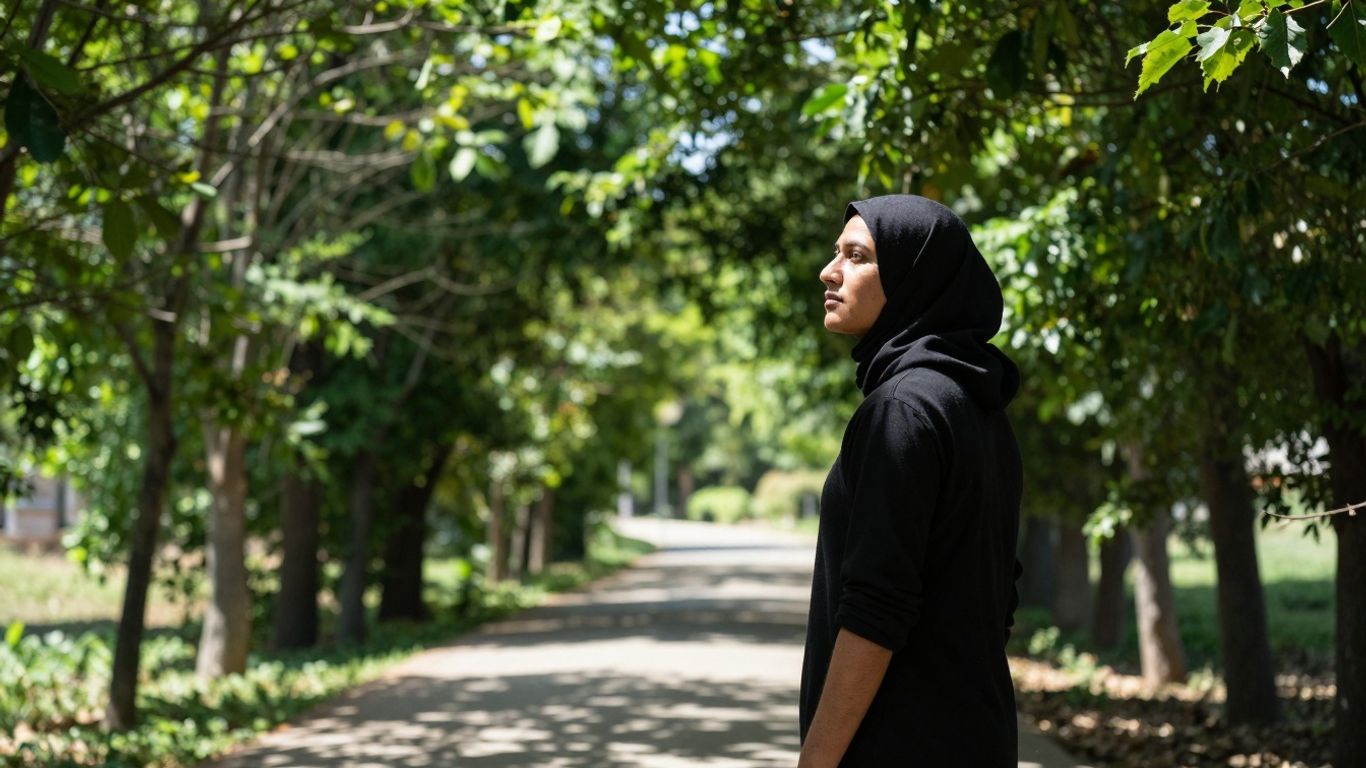
We all have those days, right? The ones where looking in the mirror feels like a chore and your confidence takes a nosedive. These body image off days can really throw a wrench in your mood, making everything feel a bit harder. But it doesn’t have to be that way. There are simple, everyday things we can do – from what we wear to how we move – that can help get us back on track. This article is all about finding those little anchors that help stabilize your mood when you’re feeling a bit down about your body.
Key Takeaways
- Self-compassion is key when dealing with body image off days; remember everyone has tough days and it’s okay to not feel your best.
- Your wardrobe can be a tool for emotional support; choose clothes that make you feel comfortable and confident, perhaps using color to influence your mood.
- The words we use, both to ourselves and from others, significantly impact how we feel about our bodies. Challenging negative self-talk is important.
- Moving your body, especially through walking, can release mood-boosting endorphins and help shift your focus away from negative body thoughts.
- Building a supportive environment, whether through friends, community, or professional help, provides strength and perspective during difficult body image periods.
Navigating Body Image Off-Days With Self-Compassion
We all have those days. The ones where looking in the mirror feels less like a friendly hello and more like a critical review. These are body image off-days, and they can sneak up on anyone, regardless of how we usually feel about ourselves. It’s not about a sudden change in our appearance; it’s about a shift in our internal perception. Recognizing these moments as temporary and treatable is the first step toward managing them.
Understanding the Nature of Body Image Off-Days
Body image off-days aren’t necessarily tied to external events. Sometimes, they just happen. They can be triggered by a stray comment, a comparison on social media, or even just a random feeling of unease. It’s important to remember that these feelings are normal and don’t reflect your actual worth or appearance. They are a part of the human experience, a fluctuation in how we perceive ourselves.
The Power of Self-Kindness and Acceptance
When these off-days hit, the instinct might be to criticize or try to ‘fix’ whatever feels wrong. But that often just adds fuel to the fire. Instead, try offering yourself the same kindness you’d give a friend. Acknowledge the feeling without judgment. Acceptance doesn’t mean you like how you feel, but it means you’re not fighting against it, which can reduce the struggle.
Here are a few ways to practice self-kindness:
- Gentle Self-Talk: Replace harsh inner criticism with softer, more understanding words. Think about what you’d say to a loved one feeling this way.
- Mindful Observation: Notice the thoughts and feelings without getting swept away by them. They are like clouds passing in the sky.
- Focus on Function: Appreciate what your body does for you – it carries you, allows you to experience the world, and keeps you alive. This shifts focus from appearance to capability.
Sometimes, the most powerful thing we can do on a difficult body image day is simply to allow ourselves to feel what we’re feeling without adding layers of self-blame or pressure to ‘snap out of it.’ This space for gentle acknowledgment can be surprisingly freeing.
Shifting Focus to Inner Strengths and Capabilities
When your mind is stuck on perceived flaws, it’s hard to see anything else. Try to consciously redirect your attention. What are you good at? What are your passions? What positive qualities do you possess that have nothing to do with your physical appearance? Focusing on your skills, talents, and character can remind you of your whole self, not just the part that’s currently feeling insecure.
Curating Your Wardrobe for Emotional Resilience

It’s easy to think of fashion as just about how we look to others, but it’s also a really powerful tool for how we feel about ourselves. When you’re having a tough time with your body image, the clothes you choose can either make things feel worse or actually help you feel a bit more steady. Think of your wardrobe not just as fabric, but as a kind of support system.
Dressing for Your Mood: Color and Comfort
Have you ever noticed how wearing a certain color can shift your mood? Bright yellows might feel cheerful, while deep blues can feel calming. On days when you’re feeling down about your body, leaning into colors that lift your spirits can make a difference. Similarly, comfort is key. Fabrics that feel soft against your skin and allow you to move freely can be incredibly grounding. It’s not about hiding, but about choosing clothes that feel like a gentle hug.
- Uplifting Colors: Consider incorporating brighter hues like sunny yellow, sky blue, or vibrant coral into your outfit. Even a small pop of color can influence your outlook.
- Comforting Textures: Opt for soft materials such as cotton, cashmere, or brushed fleece. These can provide a sense of security and ease.
- Fit Matters: Choose silhouettes that you feel good in, whether that’s something loose and flowy or a more structured piece that makes you feel put-together. The goal is to feel at ease, not restricted.
Building a Capsule Wardrobe for Simplicity
When you’re struggling with body image, decision fatigue can be a real problem. Having too many choices can feel overwhelming. A capsule wardrobe, which consists of a limited number of versatile, well-loved pieces, can simplify your mornings. It means less time spent staring into your closet wondering what to wear, and more time focusing on how you want to feel.
Building a curated collection of clothes that you genuinely love and feel good in can significantly reduce the mental load on difficult days. It’s about intentionality, not deprivation.
Mindful Shopping for Empowering Choices
Shopping can be a minefield when you’re feeling sensitive about your body. Instead of impulse buys or chasing trends that don’t serve you, try a more thoughtful approach. Before buying something new, ask yourself: Does this piece make me feel good? Does it fit my current lifestyle? Will I actually wear it? Focusing on quality over quantity and choosing items that truly make you feel like yourself can be a form of self-care.
- Assess Your Needs: What kind of clothing do you actually need and feel good wearing right now?
- Quality Check: Invest in pieces that are well-made and will last, rather than disposable fashion.
- Try Before You Buy: If possible, try items on and pay attention to how they feel on your body, not just how they look.
- Consider Secondhand: Thrifting can be a great way to find unique pieces that align with your values and budget, often with less pressure than traditional retail.
The Impact of Words on Body Perception
Challenging Negative Self-Talk
Our inner monologue can be a powerful force, especially when it comes to how we see ourselves. On days when body image feels shaky, those critical inner voices can get louder. It’s like having a constant commentator pointing out perceived flaws. This internal dialogue isn’t always based on reality; it’s often shaped by past experiences, societal pressures, and even fleeting moods. Recognizing these negative thoughts is the first step. Are they truly accurate, or are they just echoes of insecurity? When you catch yourself thinking something harsh, pause. Ask yourself: ‘Would I say this to a friend?’ Usually, the answer is no. This simple question can highlight the unfairness of our self-criticism.
Reframing Thoughts for a Healthier Mindset
Once you start noticing the negative self-talk, the next step is to actively change it. This isn’t about pretending everything is perfect when it’s not. It’s about finding a more balanced and kinder perspective. Instead of ‘I hate my stomach,’ try ‘My body is working hard to keep me healthy, and that’s what matters.’ Or, if you’re focusing on a perceived flaw, shift your attention to something you appreciate. Maybe it’s the way your legs carry you through your day, or how your arms can hug loved ones. It takes practice, but consciously choosing more positive or neutral thoughts can gradually shift your overall mindset. Think of it like training a muscle; the more you practice, the stronger your positive thinking becomes.
The Role of Supportive Language from Others
What we hear from the people around us also plays a big part in how we feel about our bodies. Compliments, even casual ones, can lift us up. Conversely, offhand remarks or even well-intentioned but critical comments can sting. It’s helpful to be mindful of the language others use and how it affects you. If certain conversations or people consistently leave you feeling worse about yourself, it might be worth setting boundaries or limiting your exposure. Surrounding yourself with individuals who offer genuine support and focus on your qualities beyond appearance can make a significant difference. This doesn’t mean avoiding all discussion about appearance, but rather ensuring the overall tone is respectful and affirming.
Movement as a Mood Stabilizer
The Benefits of Walking for Endorphin Release
When you’re feeling down or your body image is taking a hit, sometimes the last thing you want to do is move. But here’s the thing: a simple walk can actually make a big difference. It’s not about intense workouts or pushing yourself to the limit; it’s about gentle, consistent motion. Walking, especially outdoors, is fantastic for releasing endorphins, those natural mood lifters. Think of them as your body’s built-in happy chemicals. Plus, getting some fresh air and sunlight can do wonders for your overall outlook.
Here’s a quick look at what happens when you walk:
- Endorphin Release: These chemicals act as natural painkillers and mood elevators.
- Cortisol Reduction: Walking can help lower stress hormones like cortisol.
- Improved Circulation: Better blood flow means more oxygen to your brain, which can sharpen your focus and lift your spirits.
- Sense of Accomplishment: Even a short walk can give you a small win for the day.
The key is consistency, not intensity. A daily stroll, even for just 15-20 minutes, can build up a significant positive effect over time. It’s a low-barrier way to connect with your body and the world around you.
Finding Joy in Physical Activity
It’s easy to think of exercise as a chore, especially when you’re not feeling great about yourself. But the goal here is to find activities that genuinely bring you a sense of joy, not just obligation. This might mean rediscovering an old hobby like dancing in your living room to your favorite music, trying a gentle yoga class, or even just playing with a pet. The focus shifts from what your body looks like to how it feels when it’s moving in a way that feels good to you. It’s about celebrating what your body can do, rather than critiquing its appearance.
Integrating Movement into Daily Routines
Making movement a natural part of your day doesn’t have to mean blocking out large chunks of time. Small, consistent actions add up. Consider these simple ways to weave more movement into your life:
- Take the stairs: Whenever possible, opt for the stairs instead of the elevator.
- Park further away: If you’re driving, park a little further from your destination to get in extra steps.
- Walk during breaks: Use short breaks during work or study to walk around the block or even just your office space.
- Active chores: Turn household chores like vacuuming or gardening into a more active experience.
The goal is to make movement feel less like a task and more like a natural, integrated part of your day. This approach helps build a more sustainable relationship with physical activity, making it a reliable tool for mood stabilization.
Cultivating a Supportive Environment
It’s easy to feel like you’re on an island when you’re having a tough time with your body image. But you’re really not. There are people and places that can help you feel more grounded. Think about the folks in your life who lift you up, the ones who don’t make you feel worse about yourself. Those are the people to lean on.
The Importance of Social Connections
Surrounding yourself with positive people makes a big difference. These are the friends and family who see your worth beyond how you look. They celebrate your wins, big or small, and offer a listening ear without judgment. When you’re feeling down about your body, talking to someone who genuinely cares can shift your perspective. It’s about having a safety net of people who remind you of your strengths and value.
- Seek out friends who are good listeners.
- Spend time with people who appreciate you for who you are.
- Limit contact with those who tend to bring you down.
Seeking Professional Guidance When Needed
Sometimes, the feelings about your body can be really persistent and hard to shake on your own. That’s where professionals come in. Therapists, counselors, or even nutritionists who specialize in body image can offer tools and strategies to help you work through these challenges. They provide a safe space to explore your feelings and develop healthier ways of thinking about yourself. It’s not a sign of weakness to ask for help; it’s a sign of strength and self-care.
Professional support can offer objective insights and coping mechanisms tailored to your specific struggles. It’s about gaining new perspectives and building resilience with expert guidance.
Engaging with Body-Positive Communities
There’s a growing movement online and in real life dedicated to body positivity and acceptance. These communities are filled with people who share similar experiences and are committed to celebrating all body types. Joining these groups can be incredibly validating. You can find inspiration, share your own journey, and learn from others who are also working towards a healthier relationship with their bodies. It’s a space where you can feel seen and understood.
- Look for online forums or social media groups focused on body acceptance.
- Attend local workshops or events related to self-esteem and body image.
- Follow body-positive advocates and influencers who promote realistic and diverse representations of bodies.
Embracing Vulnerability in Your Journey
Sharing Experiences to Foster Connection
It’s easy to feel like you’re the only one struggling with body image. We see curated images online and in magazines, and it can make our own less-than-perfect days feel isolating. But the truth is, almost everyone experiences these moments. When we open up about our insecurities, we often find that others relate. Sharing your feelings, even when it feels scary, can build bridges. It lets others know they aren’t alone, and it can create a space for genuine connection and mutual support. Think about it: when a friend confides in you about their own body image struggles, doesn’t it make you feel a little less alone in yours?
The Strength in Admitting You’re Not Okay
There’s a certain pressure to always appear put-together, especially when it comes to how we feel about our bodies. Admitting you’re having a "body-image off-day" can feel like admitting defeat. But really, it’s a sign of strength. It means you’re aware of your feelings and brave enough to acknowledge them without judgment. This self-awareness is the first step toward moving through those feelings. Instead of pushing them down or pretending they don’t exist, giving yourself permission to feel "not okay" can actually be incredibly freeing. It’s about honesty with yourself, which is a powerful foundation for growth.
Building Resilience Through Openness
Opening up about your experiences with body image isn’t just about getting support in the moment; it’s about building your resilience for the long haul. When you share your struggles and hear how others have navigated similar challenges, you gain new perspectives and coping strategies. This shared wisdom can be incredibly empowering. It reminds you that difficult feelings are temporary and that you have the capacity to overcome them. Each time you choose openness over silence, you’re strengthening your ability to handle future challenges with more grace and confidence. It’s like practicing a muscle – the more you use it, the stronger it gets.
Mindful Practices for Enhanced Well-being
Journaling for Positive Reflection
Sometimes, when you’re feeling a bit off about your body, just getting those thoughts out of your head and onto paper can make a big difference. It’s like tidying up your mind. You don’t have to write a novel; even a few sentences about how you’re feeling, or what you appreciate about your body today, can help. Think of it as a conversation with yourself, but a kind one. This practice helps you notice patterns in your thoughts and gently steer them in a more positive direction. It’s not about pretending everything is perfect, but about acknowledging your feelings and finding small things to be thankful for.
The Role of Sleep in Mood Regulation
Getting enough sleep is surprisingly important for how we feel about ourselves. When you’re tired, everything feels harder, and it’s easier to get stuck in negative thinking loops. Aiming for a consistent sleep schedule, even on weekends, can really help stabilize your mood. It’s not always easy, especially if your mind is racing, but creating a relaxing bedtime routine can signal to your body that it’s time to wind down. Think about dimming the lights, maybe reading a book, or listening to some calm music.
Detoxifying Rituals for Rejuvenation
This isn’t about extreme cleanses, but more about simple rituals that help you feel refreshed and reset. It could be as simple as taking a long, warm bath with some Epsom salts, spending some time outdoors without your phone, or even just decluttering a small space in your home. These little acts of self-care can help clear away mental clutter and make you feel more grounded.
- Gentle Movement: A short walk or some light stretching.
- Hydration: Sipping on herbal tea or infused water.
- Mindful Breathing: Taking a few moments to focus on your breath.
These small resets can add up, helping you feel more in control and better equipped to handle those body-image off-days.
Transforming Negative Emotions into Fuel
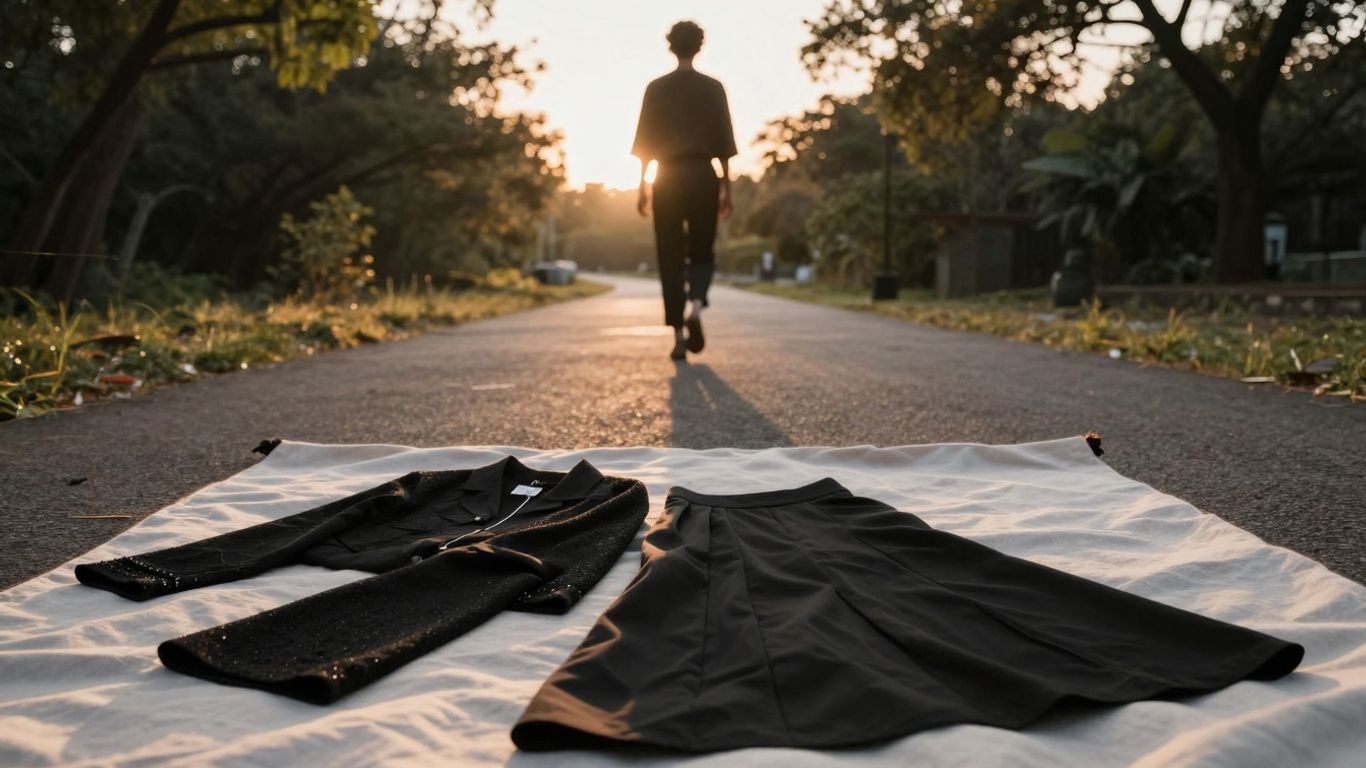
It’s easy to get stuck when we feel down about our bodies. We might want to hide away, avoid mirrors, or just generally feel blah. But what if we could use those tough feelings as a starting point for something positive? It sounds a bit strange, I know, but sometimes the energy that comes with feeling bad can actually be channeled into action.
Channeling Difficult Feelings into Action
When you’re feeling low about your body, it’s natural to want to withdraw. However, that difficult feeling can be a signal. Instead of letting it paralyze you, think about what it’s telling you. Maybe it’s a nudge to do something that makes you feel more in control, or perhaps it’s a sign that you need a bit more self-care. The key is to acknowledge the feeling without letting it take over. Turning that frustration or sadness into a concrete action can be incredibly empowering.
Here are a few ways to do that:
- Movement: Even a short walk can shift your perspective. It doesn’t have to be an intense workout; just getting your body moving can release endorphins and help you feel more capable.
- Creative Expression: Sometimes, writing down your feelings, drawing, or even just listening to music that matches your mood can help process them. Afterward, you might feel ready to shift to something more uplifting.
- Small Acts of Self-Care: This could be anything from taking a long bath to preparing a nourishing meal. Focusing on caring for yourself physically can have a positive impact on your emotional state.
Using Challenges as Stepping Stones
Body image struggles aren’t usually a one-time event; they can be ongoing. Each time you face a difficult day, you’re building resilience. Think of these moments not as failures, but as opportunities to practice your coping skills. What worked last time? What didn’t? Learning from these experiences helps you build a stronger foundation for the future.
Every time you push through a difficult body image day, you’re not just surviving; you’re learning. You’re discovering what helps you feel more grounded and capable, even when things feel tough. This process builds a quiet strength that serves you well beyond just how you feel about your appearance.
The Psychology of Color in Wardrobe Choices
Color has a surprising impact on our mood, and this can be a tool when you’re feeling down. While comfort is key on off-days, the colors you choose can subtly influence how you feel. Brighter colors might feel too much, but softer, warmer tones can be comforting. Conversely, sometimes a bold color can feel like a statement of defiance against negative feelings.
Consider these color associations:
- Blues and Greens: Often associated with calmness and stability.
- Yellows and Oranges: Can bring a sense of warmth and optimism.
- Neutrals (Beige, Grey): Provide a sense of grounding and simplicity.
Experimenting with color in your clothing, even in small ways like accessories, can be a gentle way to influence your mood without putting too much pressure on yourself.
The Connection Between Appearance and Feeling Good
It might sound superficial, but how we present ourselves to the world really does tie into how we feel inside. When you put on an outfit that just works, or you take a little extra time to style your hair, there’s a noticeable shift. It’s not about vanity; it’s about a subtle boost in confidence that can ripple through your day. Think about it: when you feel put-together on the outside, it often translates to feeling more capable and positive on the inside.
Looking Good as a Catalyst for Feeling Better
Sometimes, the act of getting dressed can be a small victory. On days when motivation is low, choosing an outfit that makes you feel good can be a gentle nudge towards a better mood. It’s like giving yourself a little pep talk through your clothes. This isn’t about chasing an impossible ideal, but about using your appearance as a tool for self-care. A favorite sweater, a well-fitting pair of jeans, or even just a splash of color can make a difference in how you approach your tasks and interactions.
The Confidence Boost from Personal Style
Your personal style is a form of self-expression. When your wardrobe reflects who you are and what you like, it validates your identity. This can be incredibly empowering, especially on days when you might be questioning yourself. It’s about owning your look and feeling comfortable in your own skin, which then allows you to project that confidence outward. This feeling isn’t dependent on trends or external validation; it comes from an internal sense of alignment between your inner self and your outer presentation.
Authentic Self-Expression Through Fashion
Fashion offers a unique avenue for expressing your personality without saying a word. Choosing what to wear can be a mindful practice, a way to communicate your mood, your aspirations, or simply your current vibe. When you dress in a way that feels authentic to you, it reinforces your sense of self. This authenticity can be a powerful antidote to feelings of inadequacy or self-doubt, reminding you of your individuality and worth.
The simple act of choosing clothes that bring you joy or comfort can be a powerful way to start your day on a more positive note. It’s a small, controllable aspect of your life that can have a surprisingly large impact on your overall well-being.
Finding Peace Through Simple Pleasures
The Comfort of Familiar Routines
Life can get pretty hectic, and sometimes, just the thought of adding one more thing to your plate feels overwhelming. That’s where the quiet power of familiar routines comes in. Think about your morning coffee ritual, the way you always fold your laundry, or that specific route you take on your evening walk. These aren’t just habits; they’re anchors. They create a sense of predictability and control when other parts of your life feel a bit shaky. Sticking to a routine, even a small one, can be incredibly grounding. It’s like a gentle hum in the background of your day, reminding you that things are okay and that you can handle what comes next.
Unwinding with Calming Activities
When you’re feeling off, especially about your body, it’s easy to get caught in a loop of negative thoughts. That’s why intentionally carving out time for calming activities is so important. This isn’t about grand gestures; it’s about small, deliberate acts of self-soothing. Maybe it’s listening to a favorite album without doing anything else, spending 15 minutes reading a book that has nothing to do with self-improvement, or simply sitting by a window and watching the world go by. These moments act as a pause button for your mind, allowing you to step away from the internal noise and find a bit of quiet.
Here are a few ideas to get you started:
- Gentle stretching: Focus on how your body feels, not how it looks.
- Listening to nature sounds: Whether it’s rain, ocean waves, or birdsong, these sounds can be very soothing.
- A warm bath or shower: Add some Epsom salts or a calming essential oil.
- Mindful breathing exercises: Even just a few minutes can make a difference.
Appreciating Small Joys in Daily Life
It’s easy to overlook the little things when we’re feeling down about our bodies. We tend to focus on what we perceive as flaws, and that can overshadow everything else. But actively looking for and appreciating small joys can shift your perspective. It might be the taste of a perfectly ripe piece of fruit, the warmth of the sun on your skin, a funny text from a friend, or the satisfaction of finishing a small task. These moments are like tiny sparks of light. They don’t erase the difficult feelings, but they remind you that good things still exist, and that your experience of life isn’t solely defined by your body image.
Cultivating an appreciation for the simple, everyday pleasures is a quiet rebellion against the pressure to constantly strive for something more or different. It’s about finding contentment in the present, exactly as it is.
These simple pleasures are accessible to everyone, regardless of circumstance. They don’t require a lot of time, money, or energy, making them perfect tools for navigating those body-image off-days. By weaving these small moments of peace and contentment into your day, you build a more resilient and balanced emotional state.
Finding joy in the little things can make a big difference in your day. It’s about noticing the good stuff, like a warm cup of coffee or a sunny afternoon. These simple moments can help you feel more peaceful and happy. Want to learn more ways to find calm in your life? Visit our website for tips and guidance.
Putting It All Together
So, we’ve talked about how what we wear and how we move can really shift how we feel, especially on those days when our body image isn’t cooperating. It’s not about magic fixes, but more about having a few simple tools ready. Think of your closet as a friendly helper, and a walk outside as a reset button. These aren’t grand gestures, just small, kind actions you can take for yourself. By paying a little attention to your wardrobe and getting your body moving, you can build a stronger sense of calm and confidence, day by day. It’s about being gentle with yourself and remembering that you have the power to influence your own mood, one outfit and one step at a time.
Frequently Asked Questions
What are ‘body-image off-days’ and why do they happen?
Body-image off-days are simply times when you don’t feel great about how you look. It’s totally normal! Things like stress, seeing certain images online, or even just feeling tired can make you feel a bit down about your appearance. It’s not a reflection of reality, just a temporary feeling.
How can my clothes help me feel better on a bad body-image day?
What you wear can really change your mood! On days you don’t feel your best, pick clothes that are super comfy and make you feel cozy. Choosing colors you love can also give you a little mood boost. Think of your wardrobe as a way to give yourself a hug.
What is ‘negative self-talk’ and how can I stop it?
Negative self-talk is when you say mean things to yourself in your head, like ‘I look terrible today.’ To stop it, try to catch those thoughts and ask yourself if they’re really true. Then, try to replace them with kinder, more realistic thoughts, like ‘I’m doing my best today.’
How does walking help with feeling bad about my body?
Walking is awesome for your mood! When you walk, your body releases feel-good chemicals called endorphins. It’s like a natural mood lifter that can help you forget about body worries for a while and just enjoy moving.
Why is talking about my feelings important?
Sharing how you feel with someone you trust, like a friend or family member, can make a big difference. It helps you feel less alone and can give you new ideas on how to handle tough emotions. Sometimes just saying it out loud makes it feel less heavy.
What does ‘self-compassion’ mean?
Self-compassion means being kind and understanding to yourself, just like you would be to a good friend who is struggling. Instead of being hard on yourself when you have body-image off-days, treat yourself with the same gentleness and care you’d offer others.
Are there simple things I can do daily to feel better overall?
Yes! Small things add up. Try writing down things you’re thankful for, getting enough sleep, or doing a quick activity you enjoy, like listening to music. These little moments of peace and happiness can make a big difference in how you feel each day.
What if my bad body image feelings don’t go away?
If you’re consistently feeling bad about your body and it’s really affecting your life, it’s a good idea to talk to a professional, like a counselor or therapist. They have special tools and strategies to help you work through these feelings in a healthy way.