
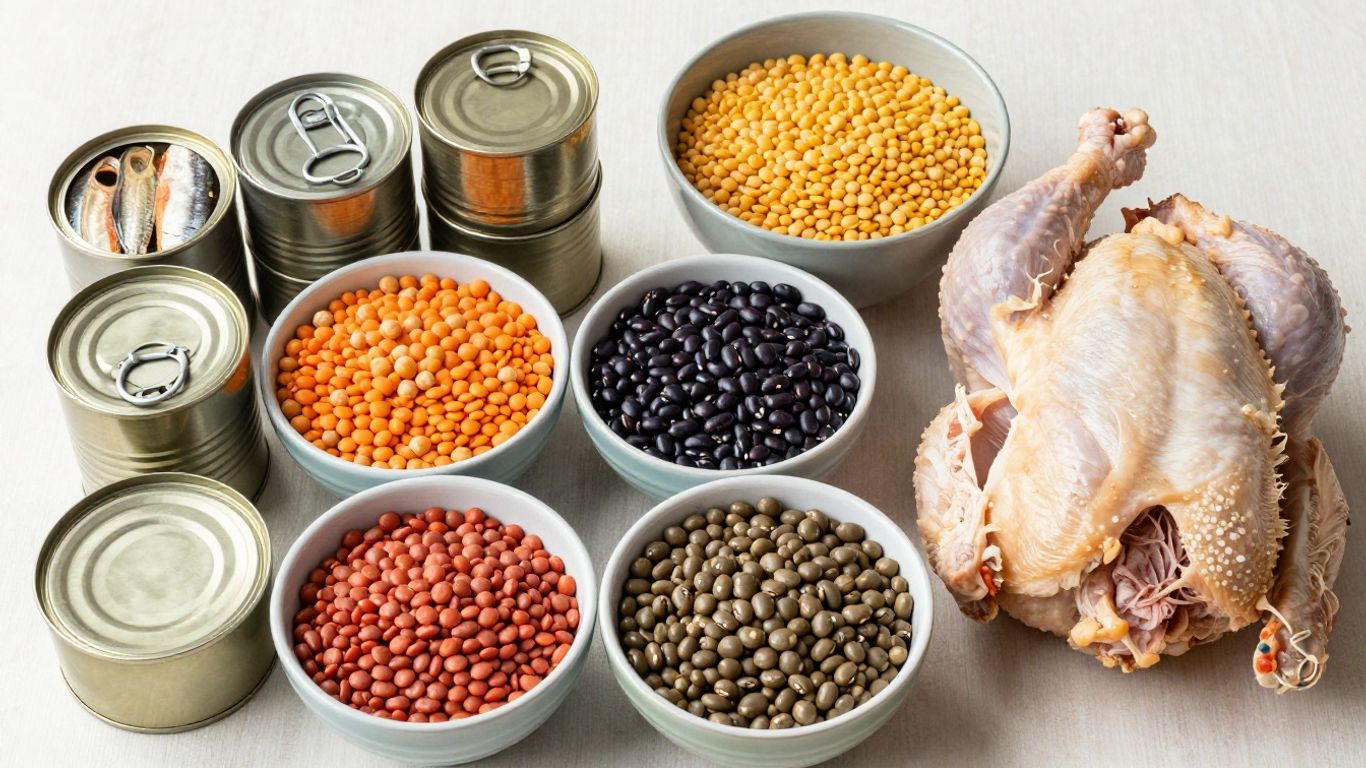
Eating well doesn’t have to cost a fortune. We’re talking about budget proteins here, and they’re the unsung heroes of affordable, nutritious meals. Forget the idea that protein-rich food has to be expensive. With a little know-how, you can fill your plate and your stomach without emptying your wallet. This guide is all about making smart choices with things like canned fish, beans, and even chicken. Let’s get cooking!
Key Takeaways
- Canned fish like salmon and sardines are budget-friendly protein powerhouses that can be used in many quick meals.
- Legumes such as lentils, beans, and chickpeas are incredibly affordable and versatile plant-based proteins that can stretch meals further.
- Choosing less expensive poultry cuts like thighs and drumsticks, and utilizing rotisserie chicken, offers great value.
- Smart shopping, including checking sales, buying in bulk when sensible, and opting for store brands, significantly cuts costs.
- Minimizing food waste through proper storage and freezing helps maximize savings on all your protein purchases.
Embracing Budget Proteins: A Smart Approach to Nutrition
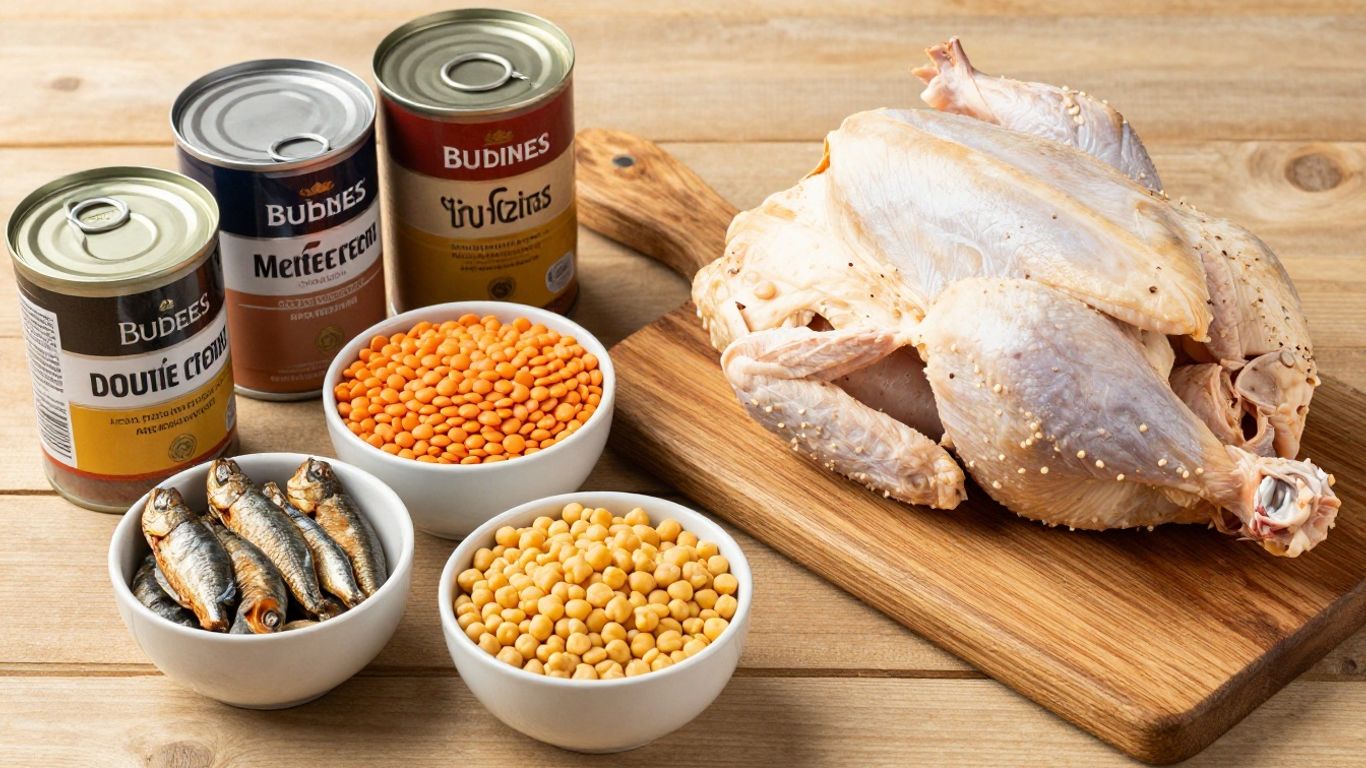
Eating well doesn’t have to mean spending a fortune. We often think of protein as the most expensive part of our meals, but with a little planning, we can find plenty of affordable options that are good for us and our wallets. This isn’t about extreme diets or giving up the foods we love; it’s about making smarter choices and understanding the value that different protein sources bring to our plates.
Understanding the Value of Budget Proteins
Protein is a building block for our bodies, helping us feel full and satisfied after meals. While premium cuts of meat or fish can be costly, there’s a whole world of budget-friendly proteins waiting to be explored. Think about canned fish, dried beans, lentils, and even certain cuts of poultry. These aren’t just cheaper alternatives; they’re often packed with nutrients and can be incredibly versatile in the kitchen. Making conscious choices about protein can significantly impact your grocery bill without sacrificing nutritional quality.
Strategies for Cost-Effective Protein Consumption
So, how do we actually eat more affordably without feeling deprived? It often comes down to a few simple strategies:
- Mix and Match: Combine more expensive proteins with cheaper ones. For example, stretch ground beef by adding cooked lentils or beans to your dishes. This increases the protein content and fiber while lowering the cost per serving.
- Embrace Plant Power: Incorporate more plant-based proteins like beans, lentils, and chickpeas into your meals. They are nutrient-dense, filling, and significantly cheaper than most animal proteins.
- Smart Cuts: When buying meat or poultry, opt for less expensive cuts. Chicken thighs and drumsticks are often more flavorful and budget-friendly than breasts. Similarly, ground beef or stewing beef can be more economical than steak.
- Pantry Staples: Keep your pantry stocked with items like canned tuna, sardines, dried lentils, and beans. These are shelf-stable and can be turned into a meal with minimal effort.
Eating high-protein meals doesn’t require fancy ingredients or complicated recipes. It’s about being intentional with your cooking, using a bit more of what’s affordable and satisfying, and a little less of what drives up the cost. Practicality can taste great.
The Role of Pantry Staples in Budget Meals
Your pantry is your secret weapon when it comes to budget-friendly eating. Items like dried beans and lentils are incredibly inexpensive and can form the base of countless meals. Canned fish, such as sardines and salmon, offer a quick protein boost for salads, pasta, or even sandwiches. Even simple grains like rice and pasta, when paired with a protein source, can create a filling and nutritious meal. Building a well-stocked pantry with these staples means you’re always just a few steps away from a healthy, affordable meal, no matter the day of the week.
The Versatility of Canned Fish for Budget-Conscious Meals
When you’re trying to keep food costs down without sacrificing flavor or nutrition, canned fish is a real game-changer. It’s one of those pantry staples that often gets overlooked, but it shouldn’t be. These little cans pack a serious protein punch and can be transformed into surprisingly delicious meals. Think beyond just a basic tuna sandwich; there’s a whole world of quick, affordable, and tasty dishes waiting to be discovered.
Exploring Canned Salmon and Sardines
Salmon and sardines, in particular, are fantastic options. They’re not only budget-friendly but also loaded with omega-3 fatty acids, which are great for your heart and brain. You can find them in various forms – packed in oil, water, or even flavored sauces. When choosing, look for options packed in water or olive oil for a healthier profile. Sardines, though small, are incredibly nutrient-dense, offering calcium from their edible bones and plenty of protein. Salmon, while often a bit pricier than sardines, provides a milder flavor that many people prefer.
Incorporating Canned Fish into Pasta Dishes
Pasta is a budget meal hero, and adding canned fish takes it to the next level. Imagine a simple pasta dish with garlic, olive oil, and a can of drained sardines or flaked salmon. A little chili flake for heat, some fresh parsley if you have it, and you’ve got a meal that feels fancy but is incredibly easy on the wallet. It’s a quick way to add protein to a carb-heavy base, making the meal more filling and satisfying. You can also mix flaked salmon into a creamy tomato sauce for a richer flavor.
Quick and Flavorful Canned Fish Preparations
Beyond pasta, canned fish is super adaptable. Here are a few ideas to get you started:
- Fish Cakes: Mix drained canned fish with mashed potatoes or breadcrumbs, an egg, and some seasonings. Pan-fry until golden brown. These are great on their own or served with a side salad.
- Salad Topper: Flake canned salmon or tuna over your favorite green salad for an instant protein boost. It’s much more satisfying than just greens alone.
- Savory Spreads: Mash canned fish with a bit of mayonnaise or Greek yogurt, chopped celery, onion, and your favorite spices. This makes a quick and easy spread for crackers or toast.
- Fried Rice Addition: Stir canned fish into leftover fried rice along with some scrambled eggs and veggies. It’s a complete meal in minutes.
Canned fish is a true pantry powerhouse. It offers a convenient, affordable, and nutritious way to boost the protein content of your meals without requiring much effort or specialized cooking skills. Its shelf-stability means you can always have a protein source on hand, ready to be transformed into something delicious.
Legumes: Powerhouses of Plant-Based Budget Proteins
When you’re trying to keep food costs down without sacrificing nutrition, legumes are a real game-changer. These humble dried beans, peas, and lentils are incredibly affordable and pack a serious protein punch. They’re not just filler; they’re nutrient-dense powerhouses that can form the backbone of many satisfying meals. Incorporating more legumes into your diet is one of the smartest moves you can make for both your wallet and your health.
Lentils and Beans as Meat Extenders
One of the most effective ways to stretch your meat budget is by using lentils and beans to extend ground meats. Think about your favorite chili or taco filling. By adding cooked lentils or mashed beans to the ground beef or turkey, you can significantly reduce the amount of meat needed. This trick doesn’t just save money; it also boosts the fiber content and adds more protein. The texture and flavor of the meat often mask the addition, so you get a heartier, more filling meal for less cost. It’s a simple swap that makes a big difference.
Here’s a quick idea for a meat-and-bean blend:
| Recipe Component | Typical Amount | Budget-Friendly Version | Benefit |
|---|---|---|---|
| Ground Beef | 1 lb | 0.5 lb ground beef + 1 cup cooked lentils | Lower cost, higher fiber |
| Taco Seasoning | 1 packet | Homemade blend | Cost savings, control ingredients |
| Toppings | Sour cream, cheese | Greek yogurt, salsa, avocado | Added protein, healthy fats |
Chickpeas: An Underrated Protein Source
Chickpeas, also known as garbanzo beans, are incredibly versatile and often overlooked. They’re great in salads, roasted for a crunchy snack, or blended into dips like hummus. But their real strength lies in their ability to be a primary protein in main dishes. A simple chickpea curry or a hearty chickpea soup can be just as satisfying as a meat-based meal, and significantly cheaper. They hold their shape well when cooked and have a mild, nutty flavor that pairs well with a variety of spices and ingredients.
Consider these uses for chickpeas:
- Curries and Stews: Add them directly to simmering sauces for a protein boost.
- Salads: Toss them into green salads or grain bowls for added texture and substance.
- Roasted Snacks: Toss with olive oil and spices, then roast until crispy for a healthy alternative to chips.
- Dips and Spreads: Blend into hummus or other bean-based dips.
Creating Satisfying Legume-Based Curries and Soups
Legumes truly shine in comforting, flavorful dishes like curries and soups. A pot of lentil soup, for instance, can be incredibly filling and nutritious, requiring just a few pantry staples like broth, onions, carrots, and spices. Similarly, a chickpea and vegetable curry made with coconut milk and aromatic spices offers a rich, satisfying meal that feels indulgent but is remarkably budget-friendly. These types of dishes are also fantastic for batch cooking, meaning you can prepare a large pot on the weekend and have delicious, healthy meals ready to go throughout the week. They reheat beautifully and often taste even better the next day.
Cooking with legumes is about more than just saving money; it’s about embracing simple, wholesome ingredients that offer incredible nutritional value. They are a cornerstone of a practical and delicious budget-friendly diet.
Smarter Poultry Choices for Budget Protein
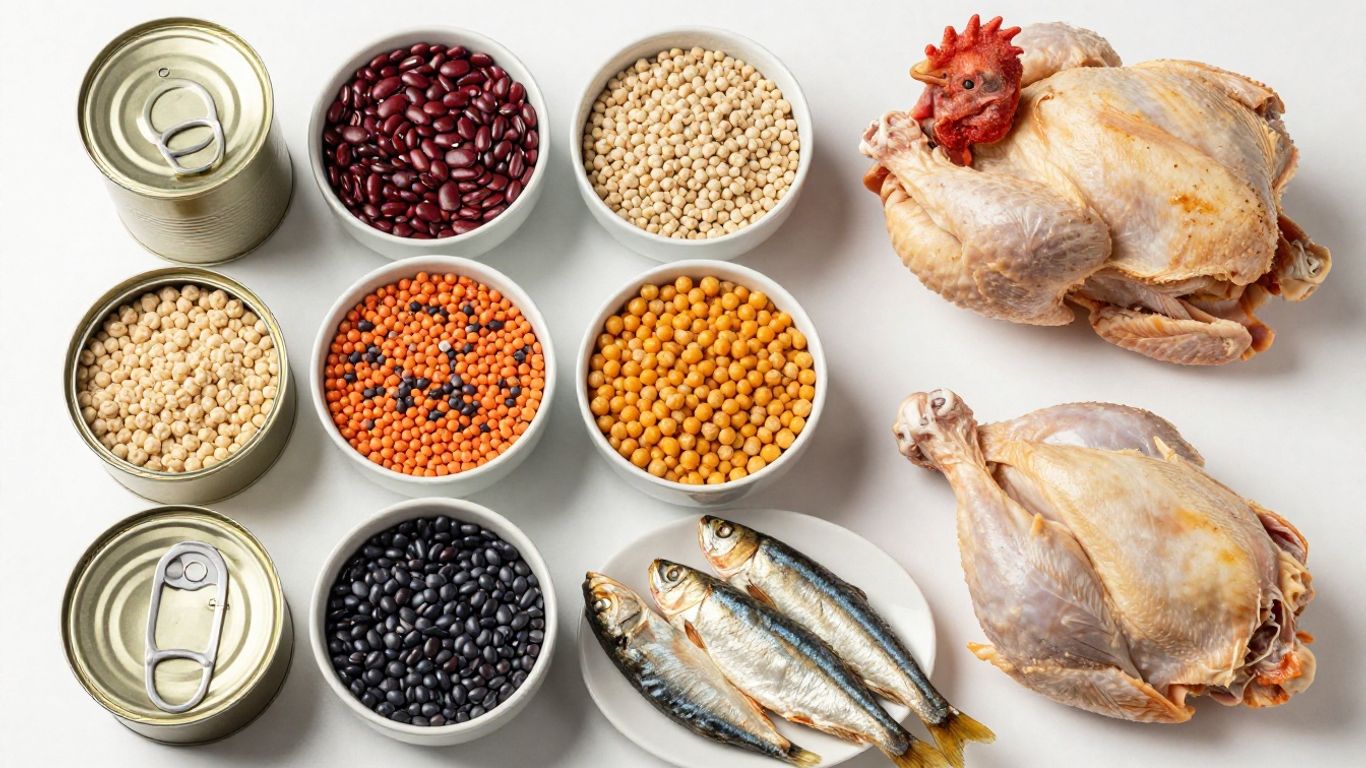
When we think about protein, chicken often comes to mind. But not all chicken cuts are created equal when you’re watching your wallet. While chicken breasts get a lot of attention, they can also be the priciest option. Looking for more affordable cuts can make a big difference in your grocery bill.
Opting for Chicken Thighs and Drumsticks
Chicken thighs and drumsticks are usually less expensive per pound than breasts. They also tend to be more flavorful and forgiving to cook, meaning they’re harder to overcook and dry out. This makes them a fantastic choice for budget-friendly meals. Think about braising them in a flavorful sauce, roasting them until crispy, or adding them to stews and soups. They hold up well to longer cooking times and absorb marinades beautifully.
Utilizing Rotisserie Chicken for Multiple Meals
A pre-cooked rotisserie chicken is a secret weapon for busy, budget-conscious cooks. You can get a whole meal out of it right away, and then use the leftovers for several other dishes throughout the week. Shred the meat for tacos or sandwiches, add it to salads, mix it into pasta dishes, or use it as a base for a quick chicken soup. It’s a time-saver and a money-saver all in one.
Freezing Poultry Portions for Future Use
Buying larger packs of chicken when they’re on sale can lead to significant savings. The trick is to portion them out and freeze them properly. This way, you can always have protein on hand without paying premium prices. You can freeze whole chickens, packs of thighs, or even pre-marinated portions. Just make sure to wrap them tightly to prevent freezer burn. This strategy helps reduce waste and ensures you’re not caught without a protein source when you need one.
Buying poultry in bulk and freezing it yourself is a smart way to get ahead. It takes a little bit of prep work, but the savings add up over time, and you’ll always have protein ready to go for dinner.
Eggs and Dairy: Affordable Protein Staples
The Humble Egg: A Protein Powerhouse
Eggs are one of those kitchen staples that just make sense when you’re trying to eat well without spending a fortune. Seriously, think about it – a couple of eggs can be a quick breakfast, a light lunch, or even a dinner component. They’re packed with protein, which helps you feel full, and they’re incredibly versatile. You can scramble them, fry them, boil them, or even bake them into dishes. For a truly budget-friendly protein boost, eggs are hard to beat. They’re a complete protein, meaning they have all the amino acids your body needs.
Maximizing Dairy for Protein Intake
Dairy products offer another accessible route to protein. Milk, yogurt, and cheese are all good sources. Plain yogurt, especially, can be a fantastic base for smoothies or a quick snack. If you’re watching your budget, look for larger tubs of plain yogurt rather than individual servings; they’re usually more economical. Cheese can be a bit pricier, but a little bit can go a long way in adding flavor and protein to meals, like sprinkling some on pasta or adding it to an omelet. Consider cottage cheese too; it’s a protein-rich option that’s often overlooked.
Creative Ways to Include Eggs in Meals
Beyond just breakfast, eggs can really shine in other meals. Think about adding a fried or poached egg on top of leftover rice or a stir-fry for an instant protein upgrade. They’re also great for stretching other ingredients. For instance, mixing a couple of eggs into ground meat for burgers or meatloaf can increase the protein content and make the meat go further. You can also make a simple egg-fried rice with just leftover rice, a couple of eggs, and some soy sauce for a quick, filling meal. Don’t forget about frittatas or quiches – they’re perfect for using up small amounts of leftover vegetables and cheese, all bound together by eggs.
Here are a few ideas:
- Egg Fried Rice: Use leftover rice, scramble in a couple of eggs, and season with soy sauce and a pinch of pepper.
- Quick Omelet: Whisk 2-3 eggs with a splash of milk, add any leftover veggies or a bit of cheese, and cook.
- Protein Boosted Pasta Sauce: Stir a beaten egg into your favorite pasta sauce just before serving for added richness and protein.
Eggs and dairy are often the unsung heroes of budget-friendly eating. They provide high-quality protein without demanding a large portion of your grocery budget, making them a smart choice for anyone looking to eat well affordably.
Maximizing Your Budget Protein with Smart Shopping
Shopping for groceries can feel like a minefield sometimes, especially when you’re trying to keep an eye on your spending while still putting good food on the table. But with a few smart strategies, you can really stretch your protein budget further. It’s not about deprivation; it’s about being a bit more intentional with where your money goes.
Leveraging Weekly Sales and Flyers
This is probably the most straightforward way to save. Most grocery stores put out their weekly flyers, and they’re usually available online too. Take a few minutes to scan them before you even think about making a list. See what proteins are on sale – maybe chicken thighs are a great price this week, or canned tuna is marked down. Build your meals around these deals. If chicken breasts are consistently expensive, but thighs are cheap, make the switch! It’s a simple adjustment that can lead to noticeable savings over time. Don’t be afraid to plan your week’s meals based on what’s advertised.
The Benefits of Buying in Bulk (When Appropriate)
Buying in bulk can be a fantastic way to save money, but you have to be smart about it. Think about non-perishable items like dried beans, lentils, rice, or pasta. These are usually cheaper per pound when you buy a larger bag, and they last forever. Canned goods, like beans or fish, can also be a good bulk buy if you know you’ll use them. However, for things like meat, it’s a bit trickier. If you see a family pack of chicken on sale, and you have freezer space, it might be worth it. Just be sure to portion it out right away so you can easily grab what you need for a single meal later. Buying a giant tub of yogurt when you only eat a spoonful a week? That’s just setting yourself up for waste.
Exploring Store Brands and Discount Apps
Don’t overlook the store brands! Often, they are made by the same manufacturers as the name brands but cost significantly less. This is especially true for pantry staples like canned vegetables, pasta, or even basic proteins like eggs. Give them a try; you might be surprised at the quality. Beyond that, there are some really neat apps out there now. Apps like Flashfood or Too Good To Go let you snag items that are nearing their sell-by date at a steep discount. It’s a great way to get good food for cheap and also helps reduce food waste. Just make sure you have a plan to use what you buy quickly.
Smart shopping isn’t just about finding the lowest price; it’s about getting the best value for your money. This means considering how much you’ll actually use, how long it will last, and how it fits into your meal plans. A little bit of planning goes a long way in making your grocery budget work harder for you.
Building a Budget-Friendly Protein Pantry
Having a well-stocked pantry is like having a secret weapon against last-minute, expensive meal decisions. It’s about setting yourself up for success, making sure you always have the building blocks for a nutritious and affordable meal right at your fingertips. Think of it as your personal food reserve, ready to be transformed into something delicious without a trip to the store.
Essential Grains and Pasta for Base Meals
Grains and pasta are the unsung heroes of budget cooking. They’re filling, versatile, and incredibly cost-effective, forming the foundation of countless meals. Rice, in its many forms (white, brown, basmati), is a staple that pairs well with almost anything. Pasta, whether it’s spaghetti, penne, or macaroni, can be dressed up or down and is a crowd-pleaser. Don’t forget oats for breakfast or even as a binder in savory dishes. These items have a long shelf life, so buying them in larger quantities when on sale makes a lot of sense.
Stocking Up on Dried Beans and Lentils
Dried beans and lentils are nutritional powerhouses that won’t break the bank. They are packed with protein and fiber, making meals more satisfying and keeping you full longer. Varieties like black beans, kidney beans, chickpeas, and various types of lentils (red, green, brown) offer different flavors and textures. While they require a bit of planning to soak and cook, the savings are significant compared to their canned counterparts or meat. A pound of dried beans can yield several servings, making them one of the most economical protein sources available.
The Importance of Versatile Canned Goods
Canned goods are pantry lifesavers, especially when you need a quick meal. Beyond beans, think about canned tomatoes (diced, crushed, paste) which are the base for so many sauces and soups. Canned fish like tuna, salmon, and sardines offer convenient protein. Coconut milk can add richness to curries and soups. Broth or stock is great for cooking grains or adding depth to stews. Even canned vegetables can be a good backup when fresh options are scarce or too expensive. The key is to choose items that can be used in multiple ways.
A well-organized pantry means less food waste and more creative cooking. Knowing what you have on hand prevents impulse buys and helps you plan meals that use up ingredients before they expire. It’s a simple system that pays off in both savings and culinary satisfaction.
Minimizing Waste to Maximize Budget Protein Savings
It’s easy to let food go to waste, and honestly, it’s like throwing money right into the trash. When you’re trying to eat well without spending a fortune, cutting down on what you toss is a big deal. Think about it: every bit of food you save is a bit more money in your pocket for other things. Making a few small changes can really add up.
Proper Food Storage Techniques
Storing your food the right way is the first step to preventing spoilage. It’s not complicated, but it makes a difference. Things like keeping produce in the right part of the fridge, or making sure containers are sealed tight, can buy your food extra days. For example, herbs can last longer if you treat them like flowers – trim the stems and put them in a glass of water in the fridge. And don’t forget about your pantry; keep dry goods in airtight containers to keep pests out and freshness in.
Freezing Proteins and Leftovers
Freezing is your best friend when it comes to saving money on proteins. Bought chicken thighs on sale? Portion them out and freeze what you won’t use right away. Same goes for leftovers. That extra bit of chili or cooked rice can be frozen in single servings for a quick lunch later. It’s a lifesaver on busy days and stops you from ordering takeout. Just make sure to label everything with the date so you know what it is and when to use it.
Utilizing All Parts of Ingredients
This is where you get really creative. Many parts of food that we usually throw away can actually be used. Broccoli stems, for instance, can be peeled and chopped for stir-fries or added to soups. Vegetable scraps like onion skins, carrot peels, and celery ends can be saved in a bag in the freezer to make a flavorful homemade broth later. Even stale bread can be turned into croutons or breadcrumbs. It’s about looking at your ingredients and thinking, “What else can I do with this?”
Being mindful of food waste isn’t just about saving money; it’s also about respecting the resources that went into producing the food in the first place. Small habits, repeated consistently, lead to significant savings and a more sustainable kitchen.
Combining Proteins for Enhanced Nutrition and Savings
Blending Meat with Plant-Based Proteins
Sometimes, the best way to save money and boost the nutritional punch of your meals is to get a little creative with your protein sources. You don’t need to go fully vegetarian to make a difference; simply mixing in plant-based proteins with your meat can stretch your budget further and add valuable fiber and nutrients. Think about adding cooked lentils to your ground beef for tacos or chili. The lentils absorb the flavors, add a satisfying texture, and significantly increase the protein and fiber content without a big jump in cost. It’s a simple trick that makes your meat go further.
Creating Balanced Meals with Multiple Protein Sources
Why stick to just one protein when you can have a dynamic duo? Combining different protein sources in a single meal can offer a broader spectrum of amino acids and keep you feeling fuller for longer. For instance, a simple rice bowl can become a protein powerhouse by topping it with a small portion of seasoned ground beef and a fried egg. The beef provides one type of protein, while the egg adds another, creating a more complete nutritional profile. This approach means you don’t need large, expensive portions of a single protein to meet your needs.
The Power of Smart Combinations
It’s amazing what a few strategic additions can do for a meal’s protein content and your wallet. Eggs are incredibly affordable and can be added to almost anything – fried rice, pasta dishes, or even just served alongside a smaller portion of meat. Beans and lentils are also champions in this regard; they can bulk up soups, stews, and casseroles, making them more filling and nutritious. Even simple pantry staples like peanut butter can be a protein booster for snacks or quick meals. The key is to see these budget-friendly options not as replacements, but as smart partners to your main protein.
Here are a few ideas to get you started:
- Pasta Night Upgrade: Mix cooked lentils into your favorite meat sauce for spaghetti. You’ll increase protein and fiber while reducing the amount of meat needed.
- Hearty Soups: Add a can of white beans or chickpeas to a chicken and vegetable soup. It makes the soup more substantial and adds a good dose of plant-based protein.
- Rice Bowls: Combine a small amount of stir-fried beef or chicken with scrambled eggs and plenty of vegetables over rice. This creates a balanced and filling meal without relying heavily on expensive meats.
Eating well on a budget isn’t about deprivation; it’s about making smart choices. By combining different protein sources, you can create meals that are both satisfying and economical. Think of it as a culinary puzzle where each piece adds value.
Beyond Meat: Exploring Other Budget Protein Options
The Value of Peanut Butter
Peanut butter is a fantastic, budget-friendly protein source that many of us grew up with. It’s not just for sandwiches, either. A couple of tablespoons can add a good dose of protein and healthy fats to your morning oatmeal or a smoothie. It’s also surprisingly versatile in savory dishes, like peanut sauces for stir-fries or even in some chili recipes. It’s a pantry staple that keeps well and offers a lot of bang for your buck.
Considering Tofu for Protein Needs
Tofu is another plant-based protein that’s often overlooked but is quite affordable. It’s made from soybeans and comes in different textures, from silken to firm. Firm or extra-firm tofu is great for cubing and baking or frying, soaking up marinades beautifully. It can be used in stir-fries, curries, or even crumbled to mimic ground meat in certain dishes. It’s a blank canvas that takes on flavors really well.
Quinoa and Chia Seeds as Complete Proteins
While not as high in protein per serving as legumes or tofu, quinoa and chia seeds are noteworthy because they are complete proteins. This means they contain all nine essential amino acids that our bodies can’t make on their own. Quinoa is a grain that cooks up fluffy and can be used as a side dish, in salads, or as a base for bowls. Chia seeds are tiny powerhouses that can be added to yogurt, oatmeal, or made into pudding. They are a great way to boost the overall protein content of your meals without needing a large quantity.
Looking for protein sources that won’t break the bank? While Beyond Meat is popular, there are many other wallet-friendly options out there. Discover tasty and affordable ways to get your protein fix without spending too much. Ready to explore these budget-friendly choices? Visit our website to find out more!
Putting It All Together
So, we’ve looked at how canned fish, beans, and smarter poultry choices can really help your grocery bill. It’s not about eating bland food or giving up flavor. It’s about being a bit more thoughtful with your shopping and cooking. Think about adding lentils to your pasta sauce or grabbing chicken thighs instead of breasts. These small changes add up. You can still make delicious, filling meals without spending a fortune. It’s about making practical choices that work for your budget and still taste good. Give some of these ideas a try – you might be surprised at how easy and satisfying it can be to eat well on a budget.
Frequently Asked Questions
What are some easy ways to make protein cheaper?
You can save money on protein by using eggs more often, mixing beans with meat to make it go further, choosing chicken thighs or drumsticks instead of breasts, using canned fish like sardines, and cooking larger batches of food to eat over several days. It’s all about being smart with your choices and how you cook!
Are canned fish like sardines and salmon healthy and affordable?
Yes, absolutely! Canned fish such as salmon and sardines are packed with good-for-you stuff like omega-3s and protein. They’re also usually much cheaper than fresh fish, making them a fantastic budget-friendly option for healthy meals.
How can legumes help me save money on food?
Legumes, like beans and lentils, are super affordable and filling. You can use them to replace some or all of the meat in dishes like tacos, soups, or curries. This not only cuts down your grocery bill but also adds fiber and nutrients to your meals.
Why are chicken thighs and drumsticks a better buy than chicken breasts?
Chicken thighs and drumsticks are typically less expensive than chicken breasts. They also tend to be more flavorful and stay moist while cooking, making them a great choice for budget-conscious meals that still taste delicious.
What’s the best way to use a rotisserie chicken?
A pre-cooked rotisserie chicken is a fantastic time and money saver! You can eat it as is, but it’s even better to shred the meat and use it in multiple meals throughout the week. Think chicken salads, tacos, soups, or adding it to pasta dishes.
How can I buy protein in bulk without wasting food?
Buying in bulk can save money on non-perishable items like dried beans, lentils, rice, and pasta. For meats, you can buy larger family packs and then divide them into smaller portions to freeze. This way, you get the savings of bulk buying without the risk of spoilage.
What are some good pantry staples for budget protein?
Great pantry staples for protein include dried beans and lentils, canned fish (like tuna and sardines), peanut butter, rice, and pasta. These items are affordable, last a long time, and can be used in countless meals.
Can I combine different types of protein to save money?
Definitely! Mixing plant-based proteins like beans or lentils with smaller amounts of meat is a smart way to boost protein and fiber while cutting costs. For example, adding lentils to ground beef for tacos or chili makes the meat portion smaller but keeps the meal filling and satisfying.