How to Incorporate More Whole Foods into Your Diet

Whole foods are foods that are unprocessed or minimally processed, such as vegetables, fruit, beans, lentils, whole grains, nuts, seeds, … Read more

Guidance on balanced diets, meal planning, and understanding the role of nutrition in achieving and maintaining a healthy weight.
Whole foods are foods that are unprocessed or minimally processed, such as vegetables, fruit, beans, lentils, whole grains, nuts, seeds, … Read more

A healthy relationship with food means you can eat in a way that nourishes you, enjoy what you eat, and … Read more

Micronutrients are the vitamins and minerals your body needs in small amounts to turn food into energy, build bones and … Read more

Macronutrients are the three nutrients your body needs in large amounts for energy and structure: protein, carbohydrates and fat. Health … Read more

Cooking at home usually wins over eating out for health and budget: you control the ingredients, salt, sugar, fat and … Read more

A supportive environment for healthy eating is one where the easy choice is also the nourishing one: healthy foods are … Read more

Mindful grocery shopping means deciding what you need before you reach the store, filling most of your cart with vegetables, … Read more

Omega-3 fatty acids are essential fats your body cannot make in useful amounts, so they need to come from food. … Read more

The easiest way to use nutrition information when you eat out is to do most of the thinking before you … Read more
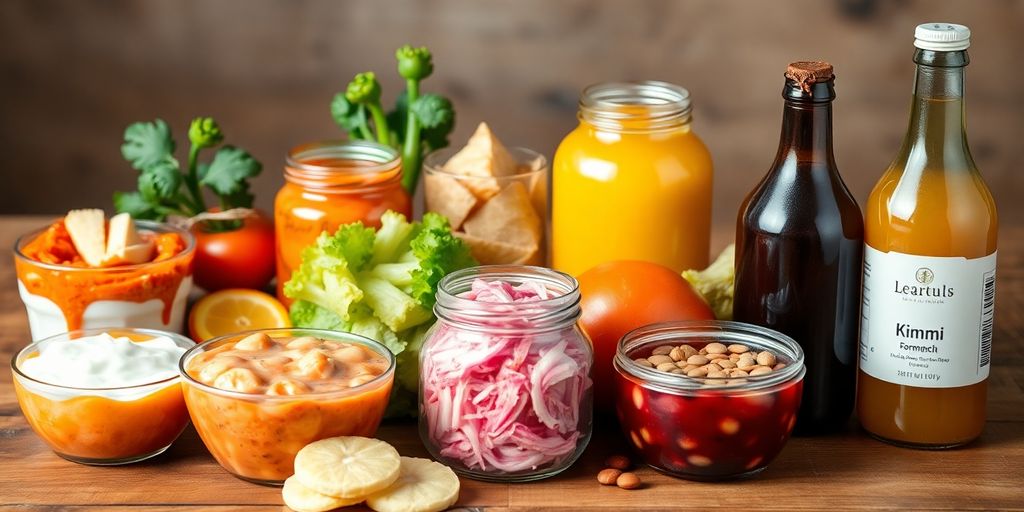
Fermented foods such as yogurt, kefir, sauerkraut, kimchi and miso can support gut health, mainly because some of them carry … Read more